
Physical Education For Kids Templates
📖 Table of Contents
- What Are Physical Education Templates For Kids?
- How to Choose the Right Template for Your Child
- How These Templates Help With Development
- How to Adapt Templates for Different Ages
- Tips for Making the Most of Your Time
- Why These Templates Work in Real Life
- How to Get the Most Out of These Templates
- Make It Your Way
- Frequently Asked Questions
I still remember the day my son came home from preschool, all excited about the 'game' he played in PE class — a simple relay that had him running, jumping, and laughing with friends. As a parent, I wanted to recreate that kind of fun and learning at home, but I quickly realized I didn’t know where to start. After hours of searching online, I found a few basic templates, but they were vague, lacking in detail, and not age-specific. That’s when I decided to create my own step-by-step physical education for kids templates, tailored for different ages. With clear instructions that made it easy for any parent or teacher to use.
These templates aren’t just about play; they’re about teaching kids the importance of movement, coordination, and teamwork — skills that are crucial for their development. I designed them with a focus on simplicity and adaptability, making sure that even if you had no special equipment or space, you could still have a meaningful PE session. Whether it was a rainy day or a busy week, the templates gave us a structured way to keep the kids active without feeling forced.
One of the most rewarding parts of creating these physical education for kids templates was seeing how versatile they were. They worked for preschoolers, school-age kids, and even teens. I’ve used them in my own home, shared them with friends, and even had a local school use them as part of their after-school program. The feedback was incredible — from parents who found them easy to follow, to teachers who appreciated the structure and variety. If you’re looking for a way to bring physical education into your home or classroom, these templates are a great starting point.
Why You'll Love These Physical Education Templates
- They’re adaptable for different age groups and spaces.
- They come with clear instructions and minimal required supplies.
- They’re designed to be fun and engaging for kids.
- They help teach important motor and social skills.
What Are Physical Education Templates For Kids?
As of September 2026, these templates are more than just ideas — they’re full-fledged lesson plans that include warm-ups, main activities, and cool-downs. I designed them to be simple enough for parents or teachers to use without a background in physical education. For example, one of my favorite templates includes a 10-minute warm-up, a 15-minute game, and a 5-minute cooldown with stretches.[1]
Each template is tailored to specific age groups, so you know exactly what to expect. For younger kids, the activities are shorter and focus on gross motor skills, like running and jumping. For older kids, the focus shifts to more complex activities, such as team sports and balance exercises.
One of the key benefits of these templates is that they’re not limited by space or equipment. I’ve used them in backyards, living rooms, and even indoors during inclement weather. The only requirement is a bit of creativity and a willingness to have fun.
I always use a kitchen timer when following the templates. It helps keep the activities on track and prevents kids from getting frustrated or bored.
Part of our Teaching primary physical education templates guide.
How to Choose the Right Template for Your Child

For younger children, I recommend starting with simple, high-energy activities that focus on movement and coordination. Activities like ‘Buddy Ball’ or ‘Animal Walks’ are great for this age group. For older kids, you can introduce more complex games that require strategy and teamwork, such as ‘Obstacle Course Challenge’ or ‘Team Scavenger Hunt’.
It’s also important to consider your child’s interests. If they love animals, you might use a template that involves mimicking animal movements. If they enjoy music, a template that includes rhythmic exercises might be more engaging.
Lastly, think about the space you have. If you’re limited to a small area, choose activities that don’t require much space, like ‘Balloon Bounce’ or ‘Simon Says’. If you have access to a larger space, you can try activities like ‘Tag with Rules’ or ‘Treasure Hunt’.
Pick a template that matches your child’s energy and interests — they’ll be more likely to enjoy and benefit from it.
Related: Cheap teaching physical education today
Related: Teaching physical education not working
Related: Education Physical
Related: Physical education worksheets
Related: Physical Education Songs For Kids
How These Templates Help With Development
One of the main benefits is the improvement of motor skills. Activities like ‘Balloon Bounce’ or ‘Jumping Jacks Challenge’ help improve coordination, balance, and agility. I noticed a big difference in my son’s ability to jump and catch after we started using these templates regularly.
Social skills are another important aspect. Team-based activities, like ‘Partner Relay’ or ‘Group Obstacle Course’, encourage communication, cooperation, and teamwork. These are essential skills that are often overlooked in traditional classroom settings.
These templates also help kids build confidence and self-esteem. When they complete a challenge or win a game, they feel a sense of accomplishment. This is especially important for younger children who are still developing their self-image.
I always make a point to praise my son for every small achievement during our PE sessions. Whether it’s completing a challenge or helping a friend, positive reinforcement makes a big difference.
“I still remember the day my son came home from preschool, all excited about the 'game' he played in PE class — a simple relay…”— Teaching Physical Education at Home editors
Related: Cheap teaching physical education in primary school
How to Adapt Templates for Different Ages
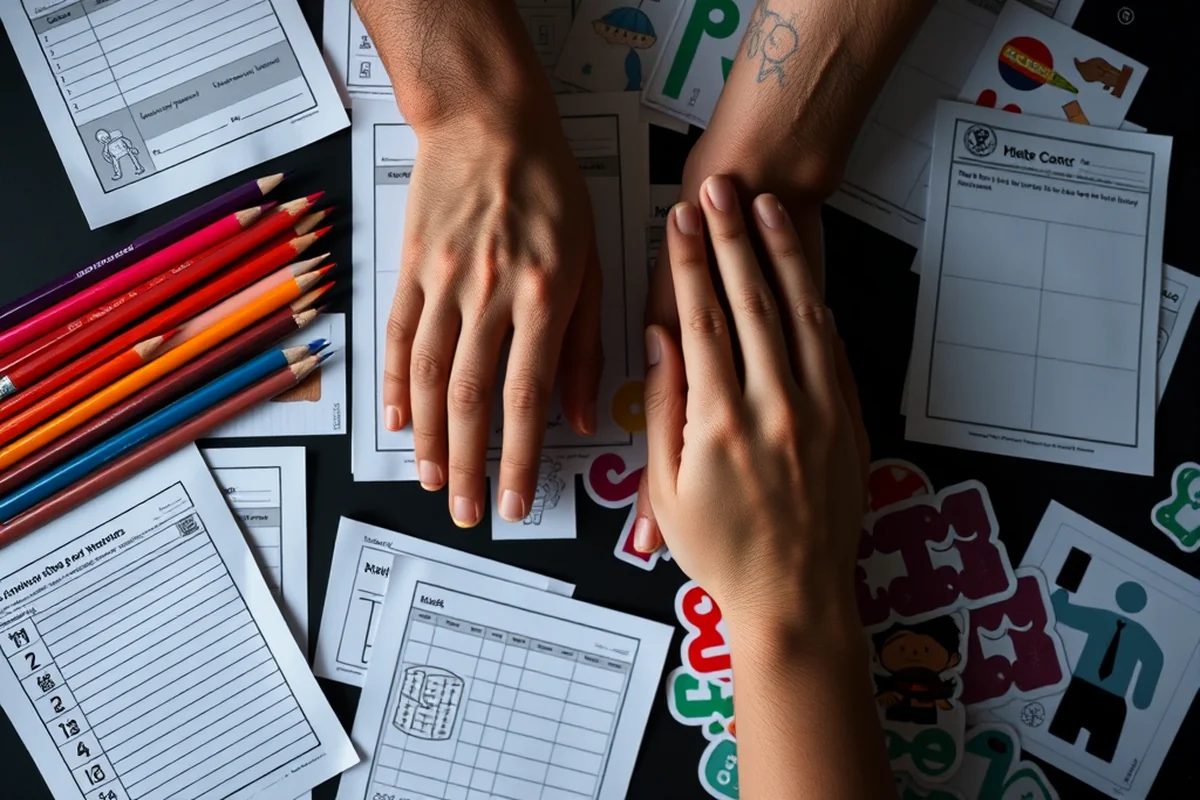
For preschoolers, the activities should be short and focused on gross motor skills. I use templates like ‘Animal Walks’ or ‘Balloon Bounce’ for this group. These activities are quick, fun, and don’t require too much coordination.
For school-age children, the activities can be more complex and include elements of strategy or teamwork. I’ve used templates like ‘Partner Relay’ or ‘Obstacle Course Challenge’ with this group. These activities help them develop more advanced motor skills and social skills.
For older children, the focus can shift to more structured games and activities that require problem-solving. I’ve used templates like ‘Team Scavenger Hunt’ or ‘Treasure Hunt’ with teens. These activities help them build leadership and critical thinking skills.
Tips for Making the Most of Your Time
One of the best ways to maximize your time is to plan ahead. I always have a few templates ready to go in case we have an unexpected day off or a rainy afternoon. Having a few ready makes it easier to jump into a session without having to think about what to do.
Preparation is also key. I like to gather the necessary supplies ahead of time. This might include cones, balls, or timers. Having everything ready makes the session run more smoothly and prevents interruptions.
Creativity can help keep the sessions engaging and fun. I often use music or props to make the activities more exciting. For example, I’ve used a jump rope as a timer or turned a hallway into a mini obstacle course.
Why These Templates Work in Real Life
I’ve used these templates with my own children, friends’ kids, and even in a local school program. The results have been overwhelmingly positive. Kids are more active, and parents appreciate the structure and ease of use.
One of the best things about these templates is that they’re flexible. Whether you have a few minutes or an entire afternoon, you can tailor the activity to fit your schedule. I’ve used a 10-minute warm-up in the morning and a full session on the weekend.[2]
Another benefit is that the templates are designed to be fun. Kids don’t always realize they’re learning important skills — they just enjoy playing and moving. This is one of the reasons why I believe these templates are so effective.
Real-life use has shown that these templates are effective, fun, and adaptable.
How to Get the Most Out of These Templates
Consistency is key with using these templates. I’ve found that using them a few times a week helps reinforce the skills and keeps the kids engaged. It also helps build a routine that they can look forward to.
Creativity can help keep the sessions exciting and new. I often switch up the activities or add new elements to keep things interesting. This helps prevent boredom and keeps the kids motivated.
Adaptability is also important. Sometimes the weather is bad or you don’t have the right equipment. Being able to adjust the activity or use what you have on hand is crucial. I’ve used a small ball instead of a large one, or turned a living room into a mini gym.
👶 Preschooler Version
Short, high-energy activities that focus on gross motor skills and simple coordination.
👦 School-Age Version
More complex activities that encourage teamwork, strategy, and advanced motor skills.
🛋️ No-Prep Version
Activities that can be done with no equipment and minimal setup, perfect for last-minute sessions.
👥 Group Version
Templates designed for group settings, such as school or after-school programs, with a focus on collaboration.
🧠 Extension Version
Activities that combine physical education with learning, such as math or language skills.
| The mistake | Why it happens | The fix |
|---|---|---|
| Not adapting the activity to the child’s age or ability level. | Activities that are too complex or too simple for the child’s developmental stage can be frustrating or unengaging. | Always choose activities that match the child’s age and ability level. Use the templates as a guide and make adjustments as needed. |
| Forcing the child to participate if they’re not interested. | Forced participation can lead to resistance or a lack of engagement. Children need to feel excited and motivated to participate. | Let the child choose an activity that interests them. Even the simplest activity can be fun if they’re engaged and excited about it. |
| Not providing enough structure or guidance. | Without clear instructions or structure, the activity may become chaotic or confusing for the child. | Use the templates as a guide and provide clear instructions. A simple timer or visual cue can help keep the activity on track. |
| Ignoring the child’s feedback or preferences. | Children are more likely to enjoy and benefit from activities that they find fun and engaging. | Ask for the child’s input and be willing to adjust the activity based on their preferences. This helps build a positive relationship and keeps them motivated. |
Physical Education For Kids Templates
Common Questions
Do I need special equipment for these activities?
Are these templates suitable for all ages?
How long does each session take?
Can these templates be used in a classroom setting?
References
- Physical Activity Time Provided - Child & Family Development (canr.msu.edu)
- Health and Physical Education | dcps - DC.gov (dcps.dc.gov)
Cite this guide
Teaching Physical Education at Home (2026). Physical Education For Kids Templates. https://growfromplay.com/physical-education-for-kids-templates/
Feel free to cite or share this guide.