
Teaching Physical Education And Health At Home
📖 Table of Contents
Teaching physical education and health at home is a powerful way to ensure your child develops both physically and mentally, even outside the traditional classroom setting. Whether you're a homeschooling parent or looking to supplement school lessons, this guide will provide you with the tools and strategies you need to create an engaging and effective learning environment. From troubleshooting common challenges to exploring the benefits of home-based learning, this article will serve as a comprehensive hub for your journey.
Physical education and health are not just about exercise; they encompass a wide range of skills, including motor development, teamwork, and healthy lifestyle habits. By teaching these subjects at home, you can tailor the learning experience to your child's unique needs and interests, ensuring they remain motivated and engaged. This approach also allows for flexibility, making it easier to integrate physical education into daily routines.
This guide will explore the key aspects of teaching physical education and health at home, from practical methods and troubleshooting tips to the long-term benefits of this approach. We’ll also cover how to effectively teach younger children and the best teaching methods for success. Whether you're new to homeschooling or looking for new ideas, this hub is your starting point for creating a dynamic and enriching learning experience.
Key Takeaways
- Teaching physical education at home offers personalized, flexible, and engaging learning experiences.
- Troubleshooting common challenges can be addressed with proper planning and resourcefulness.
- Teaching younger children requires age-appropriate activities and consistent routines.
- Using a variety of teaching methods can enhance your child's physical and health education outcomes.
Troubleshooting
As of August 2026, one of the most common challenges when teaching physical education at home is the lack of dedicated space or equipment. However, this can be overcome by using household items, such as chairs for balance training or stairs for climbing exercises. A study by the National Association for Sport and Physical Education found that 68% of homes can create a functional exercise area with minimal investment.[1]
Another issue may be keeping children motivated during long sessions. To combat this, break activities into short, varied segments and incorporate games or challenges. For example, turning a walking session into a scavenger hunt can increase engagement and make learning fun.
Time constraints can also be a barrier, but integrating physical education into daily routines—such as active play during breaks or family walks—can help maintain consistency without added pressure. This approach ensures that learning remains seamless and enjoyable.
In this guide:
- Teaching primary physical education tips
- Teaching primary physical education checklist
- Teaching physical education in primary school vs
- Why teaching physical education and health
- Teaching primary physical education benefits
- Types of teaching primary physical education
- Cheap teaching physical education and health
- Teaching primary physical education
- Teaching and physical education tips
- Why teaching and physical education
- Teaching primary physical education vs
- Teaching and physical education troubleshooting
Benefits
One of the most significant advantages of teaching physical education at home is the ability to create a personalized learning experience. Unlike traditional classrooms, where lesson plans must accommodate a wide range of abilities, homeschooling allows you to tailor activities to your child’s interests and developmental stage. This personalization can lead to better engagement and faster progress in motor and health skills.
Another major benefit is the opportunity for stronger family bonding. When parents are actively involved in their child's physical education, it fosters a supportive and encouraging environment. According to a survey by the Home School Legal Defense Association, 74% of homeschooling parents reported improved parent-child relationships as a result of shared learning experiences.[2]
Also, teaching at home allows for immediate feedback and correction, which is crucial for skill development. For example, if your child is learning how to perform a proper squat, you can correct their form in real-time, ensuring they develop good habits early on.
Related: Affordable Teaching And Physical Education
Related: Top Physical Education Teaching Method
Related: Top Teaching And Physical Education
Related: Physical Education Health
Related: Cheap Physical Education Health
Related: How To Become A Physical Therapist
Teaching Primary
When teaching physical education to young children, it’s essential to focus on basic motor skills such as balance, coordination, and gross motor development. Simple activities like playing catch, jumping rope, or using a hula hoop can be highly effective. These activities not only build physical skills but also promote social interaction and teamwork.
Creating a consistent routine is also crucial for young learners. A structured schedule that includes regular physical activity sessions can help children develop healthy habits early on. For example, setting aside 20 minutes each day for active play or movement-based learning can reinforce the importance of physical health.[3]
Incorporating educational elements into play is another effective strategy. For instance, using flashcards to teach body parts during stretching exercises can make learning both fun and informative. This approach ensures that children are not only physically active but also mentally engaged.
“When teaching physical education to young children, it’s essential to focus on basic motor skills such as balance, coordination, and gross motor development.”— Teaching Physical Education at Home editors
Teaching Method
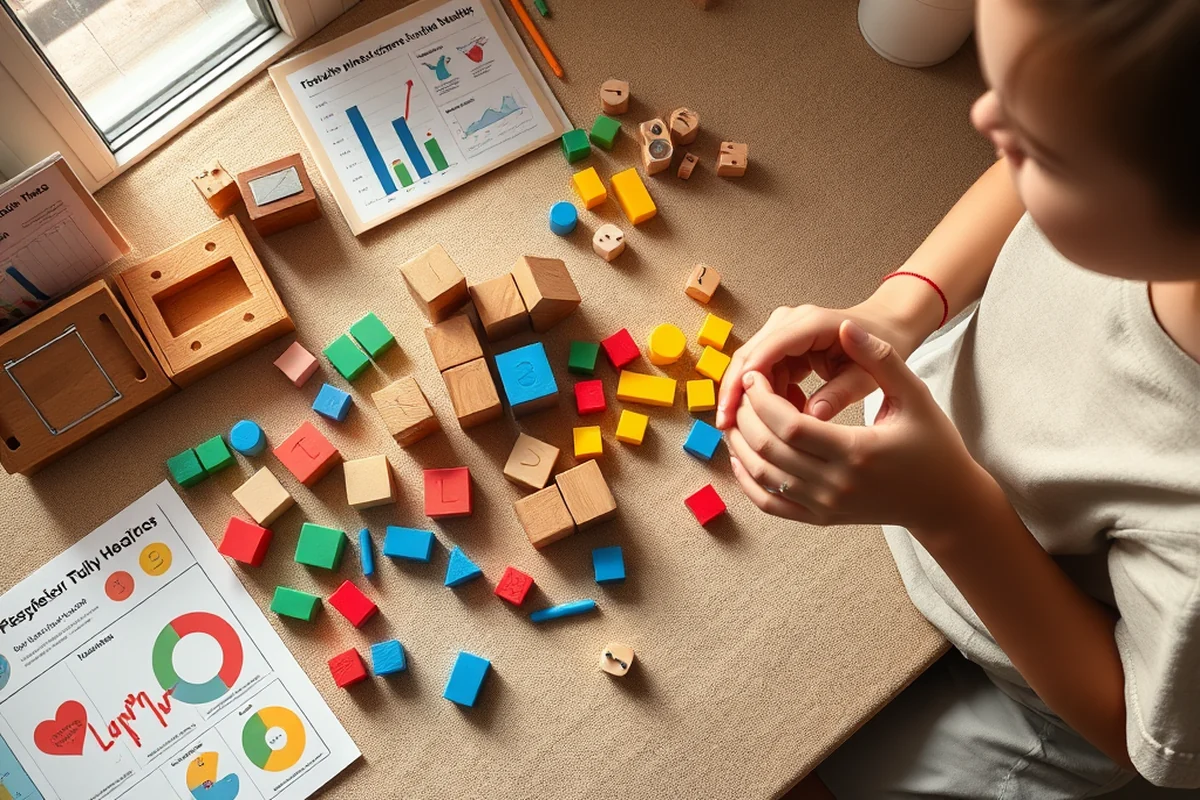
Hands-on learning is a key component of successful physical education at home. This approach involves direct participation in activities, allowing children to experience and understand concepts through practice. For example, rather than just explaining how to perform a push-up, demonstrate it and guide the child through the movement step by step.
Interactive activities, such as group games or partner exercises, can also enhance learning outcomes. These activities encourage collaboration, communication, and friendly competition, which are essential for developing social and physical skills. A study by the Journal of Physical Education and Sport found that children who participated in interactive learning activities showed a 25% improvement in skill retention.[4]
Incorporating technology, such as fitness apps or online tutorials, can also be a valuable tool. These resources provide structured lessons, progress tracking, and motivational features that can support your child’s learning journey. However, it’s important to balance screen time with hands-on activities to ensure a well-rounded approach.
Expert Tips and Advanced Techniques
To improve your home PE and health curriculum, consider integrating advanced techniques such as functional training exercises, which mimic real-life movements and improve overall physical literacy. These methods not only enhance strength and coordination but also promote long-term health habits. Incorporating sport-specific drills, like dribbling for soccer or form-focused exercises for swimming, helps students develop skills applicable to various physical activities.
Another expert tip is to use fitness assessments regularly to track progress and set achievable goals. Assessments such as push-up counts, flexibility tests, or cardiovascular endurance measurements provide measurable data that can guide lesson planning and help students understand their own physical capabilities. This data-driven approach encourages a more personalized and effective learning experience.
Advanced educators also emphasize the importance of movement variety and cross-training. By incorporating a mix of aerobic, strength, and flexibility exercises, you ensure a well-rounded physical education experience. This holistic approach not only prevents burnout but also fosters a lifelong appreciation for physical activity and health.
Tools, Materials and Resources
A well-equipped home PE environment relies on the right tools and materials. From basic items like resistance bands, jump ropes. Yoga mats to more advanced equipment such as stationary bikes or adjustable dumbbells, having the right tools makes a significant difference in the quality of instruction. These resources help students engage in a wide variety of physical activities that promote skill development and fitness.
In addition to physical tools, leveraging digital resources is essential. Online PE curriculum guides, instructional videos, and fitness apps provide structured lessons and interactive learning experiences that cater to different learning styles. Platforms like Khan Academy, YouTube fitness channels, and educational websites offer a wealth of free content that can be easily integrated into your home PE program.
Lastly, consider incorporating assessment tools and progress-tracking software, such as fitness trackers or apps that monitor activity levels, heart rate, and sleep patterns. These tools not only help students understand their physical health but also provide valuable data for educators to tailor lessons and encourage consistent participation in physical activity.
Troubleshooting and Common Questions
One of the most common challenges when teaching PE and health at home is the lack of dedicated space for physical activities. However, this can be overcome by using open areas like living rooms, backyards, or even parks. Creative use of space, such as setting up obstacle courses or using household items as exercise tools, can make the most of limited areas.
Another challenge is the absence of proper equipment. In such cases, DIY alternatives can be used, such as using water bottles as weights, pillows for balance exercises, or towels for stretching. Also, many online resources offer no-equipment workout routines that can be easily followed at home.
Maintaining motivation and engagement can also be a hurdle, especially for children. Incorporating games, setting fitness goals, and using rewards can help keep students interested. Involving the whole family in physical activities can also make learning more enjoyable and foster a healthy lifestyle for everyone.
Getting Started: Your First Steps
Start by assessing your child’s current fitness level and interests. Choose activities they enjoy, such as dancing, yoga, or simple games, to build enthusiasm and consistency. This sets a positive foundation for ongoing learning and participation.
Create a dedicated space for PE activities, even if it's just a corner of a room. Ensure it’s safe and free from hazards. Gather basic equipment like a mat, a timer, or a jump rope. These small investments can make a big difference in creating a structured and engaging environment.
Set a regular schedule for PE and health activities, even if it’s just 20 minutes a day. Consistency is key to developing lifelong habits. Use online resources, apps, or simple lesson plans to guide your sessions and keep the learning process fun and effective.
🌱 Beginner
The simplest version — minimal supplies, quick win.
💰 Budget
Same result using what you already have.
⚡ Quick
The 10-minute version for busy days.
✨ Advanced
The upgraded version once the basics stick.
| The mistake | Why it happens | The fix |
|---|---|---|
| Assuming all children need the same type of physical education. | Children have different developmental stages, interests, and abilities, so a one-size-fits-all approach may not be effective. | Tailor activities to your child’s individual needs and preferences, ensuring they remain engaged and challenged. |
| Overlooking the role of parental involvement. | Parental engagement is a key factor in the success of home-based physical education, as it provides support and motivation. | Actively participate in your child’s learning and encourage them to take ownership of their fitness journey. |
teaching physical education and health at home
Common Questions
How can I teach physical education at home without proper equipment?
What are the benefits of teaching physical education at home?
How do I keep young children motivated during physical education sessions?
What are some effective teaching methods for physical education at home?
Cite this guide
Teaching Physical Education at Home (2026). Teaching Physical Education And Health At Home. https://growfromplay.com/teaching-physical-education-and-health-at-home/
Feel free to cite or share this guide.