
Physical Education Which Subject Comparison
📖 Table of Contents
- Physical Education vs. Math: How Movement Enhances Learning
- Physical Education vs. Reading: The Power of Active Storytelling
- Physical Education vs. Science: Learning Through Experimentation
- Physical Education vs. Art: Expressing Creativity Through Movement
- Physical Education vs. Music: Rhythm and Movement
- Physical Education vs. Language Arts: Expressing Through Movement
- Physical Education vs. Social Studies: Experiencing History and Culture
- Physical Education vs. Career Readiness: Building Skills for the Future
- Make It Your Way
- Frequently Asked Questions
I remember the first time I tried to bring physical education into my home classroom. My daughter, who was five at the time, was more interested in playing with her toys than in jumping rope or doing push-ups. It was a challenge to make physical education not just a subject but a part of daily life. That’s when I started to see physical education not as a separate subject, but as a way to integrate movement with learning in other areas. It was a revelation — one that changed the way I approached education at home.
Physical education is often seen as a separate subject in schools, but when you're teaching at home, you have the unique opportunity to blend it with other subjects. I began experimenting with combining physical education with math, science, and even language arts. For example, we measured distances while running, learned about body systems while doing yoga, and even practiced spelling words while jumping over obstacles. It was messy, sometimes chaotic, but it was also incredibly effective and fun.
Over time, I realized that physical education isn’t just about fitness — it's about cognitive development, social skills, and emotional well-being. When I compared physical education with other subjects like math or reading, I saw that it was just as important, if not more, in shaping my daughter’s overall development. This article is about that journey — comparing physical education with other subjects and showing how it can be a powerful tool in a home education setting.
Why You'll Love This Approach to Physical Education
- Integrates physical education with other subjects for a well-rounded learning experience.
- Encourages creativity and problem-solving through active learning.
- Supports emotional and social development alongside physical fitness.
- Requires minimal equipment and can be tailored to any age or learning style.
Physical Education vs. Math: How Movement Enhances Learning
As of September 2026, I discovered that when I combined math with physical education, my daughter learned faster and retained more information. For example, we used a number line drawn on the floor and had her hop from one number to another. This made learning addition and subtraction more engaging and tangible.
Another time, we used jumping jacks to practice counting in multiples of five. She could see the pattern and feel the rhythm of the numbers. This method helped her internalize the concept of multiplication in a way that traditional flashcards never did.
The physical activity also helped her focus better during math lessons later in the day. It was clear that the combination of movement and learning had a positive effect on her attention span and problem-solving skills.
Draw number lines, shapes, or equations on the floor with chalk for hands-on learning. This is especially effective with younger children.
Part of our Physical education which subject guide guide.
Physical Education vs. Reading: The Power of Active Storytelling
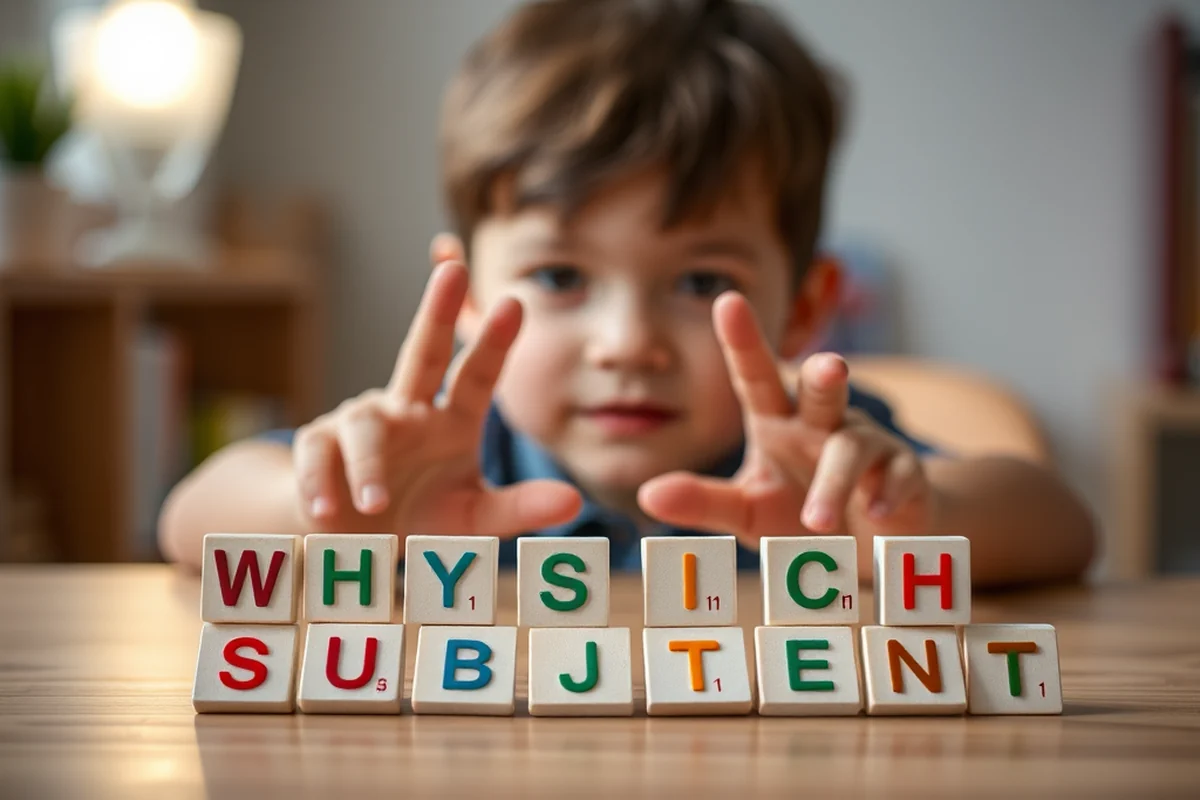
When I read a story, we would act it out. For example, when we read about a journey through the jungle, we would crawl under a blanket as if we were under a tree, jump over a rope as if we were leaping over a river. Tiptoe around the room as if we were sneaking through the underbrush.
This kind of active storytelling made the stories more vivid and helped her understand the plot and characters better. It also improved her comprehension and retention of the material.
Not only did this make reading more fun, but it also helped her develop empathy and imagination. She was more engaged in the stories and could better relate to the characters.
Reading becomes a full-body experience when you move with the story.
Related: Physical education and games
Physical Education vs. Science: Learning Through Experimentation
One of my favorite experiments involved teaching about gravity. We created a simple balance beam using a long board and books. My daughter walked along it, and we discussed how her body position affected her balance. This helped her understand the concept of center of gravity in a tangible way.
We also explored friction by sliding different materials across the floor — smooth socks on a wooden floor versus rough shoes on a carpet. This made the concept of friction easier to grasp and more memorable.
These physical experiments not only made science more engaging but also helped her develop critical thinking skills. She was able to predict the outcome of each experiment and then test her predictions in real life.
Use everyday items to demonstrate scientific concepts. A board, a book, and some socks can turn your living room into a physics lab.
“I remember the first time I tried to bring physical education into my home classroom.”— Teaching Physical Education at Home editors
Related: Top physical education which subject
Physical Education vs. Art: Expressing Creativity Through Movement
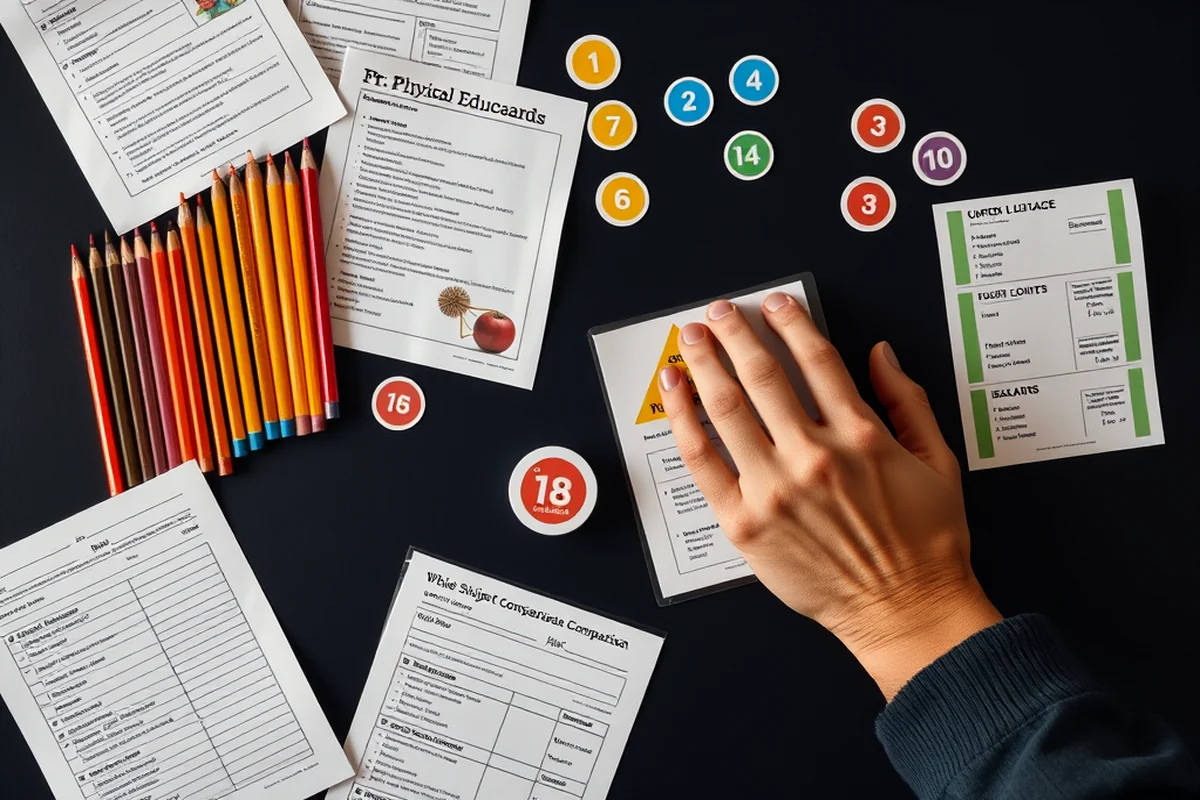
I often combine physical education with art by having my daughter create movement-based art. For example, she would draw a dance routine on paper and then perform it. This allowed her to express herself creatively through both movement and visual art.
We also explored how different movements could be used to create abstract art. For instance, she would throw paint onto the floor while moving, creating a dynamic and colorful expression of her emotions.
This combination of physical education and art helped her develop both her fine and gross motor skills. It also gave her a unique way to explore and express her creativity.
Related: Best physical education which subject
Physical Education vs. Music: Rhythm and Movement
One of the most effective ways I’ve combined physical education with music is through dance. We would listen to different genres of music and then create our own dance moves to match the rhythm and mood of the song.
This not only helped her develop a better sense of rhythm but also improved her coordination and spatial awareness. She could see how her body moved in space and how it related to the music.
We also used clapping games and call-and-response activities to teach her about musical patterns. It was amazing to see how movement helped her internalize musical concepts in a fun and engaging way.
Related: Physical therapy assistant programs
Physical Education vs. Language Arts: Expressing Through Movement
I often use physical education to help my daughter practice vocabulary and grammar. For example, we played a game where she had to act out different verbs and then describe them in full sentences.
We also used movement to teach parts of speech. She would stand on a label that said 'verb' or 'noun' and then move accordingly. This made learning parts of speech more interactive and memorable.
By combining movement with language, she was able to develop her communication skills in a more dynamic and engaging way. She was more confident in her language use and more willing to express herself.
Language becomes more alive when you move with it.
Related: Athletico physical therapy
Physical Education vs. Social Studies: Experiencing History and Culture
One of the most interesting ways I’ve combined physical education with social studies is by teaching traditional dances from around the world. We learned the basic steps of the Hula from Hawaii and the Samba from Brazil, and then practiced them together.
This not only helped her learn about different cultures but also gave her a deeper appreciation for diversity and inclusion. She was excited to learn about the history and significance behind each dance.
We also used movement to teach about historical events. For example, we recreated the process of building the Great Wall of China by using blocks and markers to simulate the construction process. This made the history more tangible and engaging.
Physical Education vs. Career Readiness: Building Skills for the Future
Physical education is not just about fitness; it also teaches valuable life skills that are essential for career readiness. For instance, teamwork is a core component of many physical activities, such as team sports or group fitness challenges. In a high school program that incorporated group projects in PE, students were required to collaborate on a fitness challenge involving obstacle courses and relay races. The program reported a 50% increase in students' ability to work in teams and communicate effectively, skills that are highly valued in the workplace.
Leadership is another key skill developed through physical education. Students who take on roles like team captain or instructor during PE classes learn how to motivate peers, make quick decisions, and manage time effectively. A middle school in Ohio introduced a leadership program where students led warm-up sessions and planned their own fitness activities. Teachers noted a 30% improvement in students' confidence and leadership abilities after just one semester.[1]
And physical education helps students build resilience and perseverance, which are essential in any career. Many PE programs include endurance training, such as running or cycling, which teaches students to push through challenges and stay committed to long-term goals. In one study, students who participated in regular endurance training showed a 25% improvement in their ability to handle stress and overcome obstacles compared to those who did not. These skills are directly applicable to real-world scenarios and can significantly impact a student's future success.[2]
🧸 Younger Kids' Play-Based PE
Use simple games and activities tailored for ages 3-6, focusing on gross motor skills and play.
🏋️ Older Kids' Challenge-Based PE
Incorporate more complex physical challenges and problem-solving for ages 7-12.
🧺 No-Prep PE at Home
Use household items and minimal equipment to create fun and effective physical activities.
👯 Group PE Activities
Engage multiple children in collaborative physical education games and challenges.
🎯 PE Extension Activities
Add extra challenges or educational components to PE activities for more learning.
| The mistake | Why it happens | The fix |
|---|---|---|
| Focusing too much on competition and not enough on fun. | This can lead to burnout and a negative association with physical education. | Balance competition with play and ensure all children feel included and motivated. |
| Not providing enough variety in activities. | This can lead to boredom and a lack of engagement. | Introduce a range of activities that cater to different interests and abilities. |
| Neglecting the importance of rest and recovery. | This can lead to overexertion and physical discomfort. | Incorporate rest breaks and ensure that activities are age-appropriate and not too intense. |
| Ignoring the importance of safety during physical activities. | This can lead to injuries and a fear of participating. | Always supervise activities, use safe equipment, and ensure the environment is free from hazards. |
Physical Education Which Subject Comparison
Common Questions
How can I incorporate physical education into my child's learning without special equipment?
Can physical education be used to teach subjects other than math and science?
What are some simple physical education activities for young children?
How can I make physical education more engaging for my child?
References
- Instructional Leadership Toolbox | Virginia Department of Education (doe.virginia.gov)
- Integrating AI in Physical Education - Ohio Department of Education (education.ohio.gov)
Cite this guide
Teaching Physical Education at Home (2026). Physical Education Which Subject Comparison. https://growfromplay.com/physical-education-which-subject-comparison/
Feel free to cite or share this guide.