
Teaching Physical Education Journal Alternatives
📖 Table of Contents
- Why Traditional Journals Might Not Be the Best Fit for Teaching Physical Education at Home
- How Digital Tools Can Revolutionize Tracking Physical Education at Home
- Simple Checklists as an Effective Alternative to Physical Education Journals
- Why Stickers and Visual Charts Work So Well for Tracking Physical Education Progress
- How Video Logs Can Be a Powerful Tool for Tracking Physical Education at Home
- Why Digital Apps Are a Must-Have for Teaching Physical Education at Home
- How to Make Physical Education Progress Tracking a Family Activity
- Make It Your Way
- Frequently Asked Questions
I remember the first time I tried to keep track of my daughter’s physical education progress at home. I had a stack of journals, markers, and a vague idea of how to document it all. But after a week, I was overwhelmed — the journals were disorganized, the notes were messy, and I had no idea how to measure her growth. It was then that I realized I needed something more structured and adaptable for teaching physical education at home. That's when I discovered teaching physical education journal alternatives that worked better than I ever imagined.
These alternatives aren’t just about skipping the journal altogether — they're about making the process of tracking physical education more engaging, more efficient, and more aligned with what works for kids. Whether I was documenting a toddler's first steps or a teenager's progress in a new sport, these methods gave me clarity and helped my kids see their own growth over time. It turned a chaotic, confusing routine into something that felt intentional and meaningful.
The best part? Many of these alternatives are free or low-cost, require minimal materials, and can be personalized to fit any family’s needs. I’ve tried over a dozen different approaches, and some of them are now staples in our home. From digital tools to simple checklists, I’ll walk you through what worked for us, with real examples, specific time frames, and even the exact apps I used. This is about making physical education at home something your kids can look forward to — and something you can track with ease.
Why You'll Love This Approach to Teaching Physical Education Journal Alternatives
- No more cluttered notebooks — these alternatives are clean, organized, and easy to update.
- They help your kids see their progress over time, which boosts motivation and makes learning fun.
- Many of these methods are free or require minimal supplies, making them accessible for every family.
- They’re adaptable for different ages, abilities, and learning styles — no one gets left behind.
Why Traditional Journals Might Not Be the Best Fit for Teaching Physical Education at Home
As of October 2026, Traditional journals can be messy, disorganized, and hard for kids to use consistently — especially in a home setting. I tried one with my daughter, and after a few days, it was filled with smudged ink, crossed-out notes, and missing pages. It didn’t help her track her progress or make sense of what she was learning.
What’s worse is that the act of writing in a journal can be intimidating for younger kids or those who aren’t confident in their handwriting. Even when they do write, the notes are often unclear, inconsistent, or incomplete. This defeats the purpose of keeping a record of their physical education activities.
I found that the more I tried to use the journal, the more frustrated I became. It was like trying to paint a picture with a broken brush — nothing was turning out as I had hoped.
Instead of having your child write in a journal, use a visual log with stickers, drawings, or photos. This keeps things organized and makes tracking progress more engaging for kids.
How Digital Tools Can Revolutionize Tracking Physical Education at Home
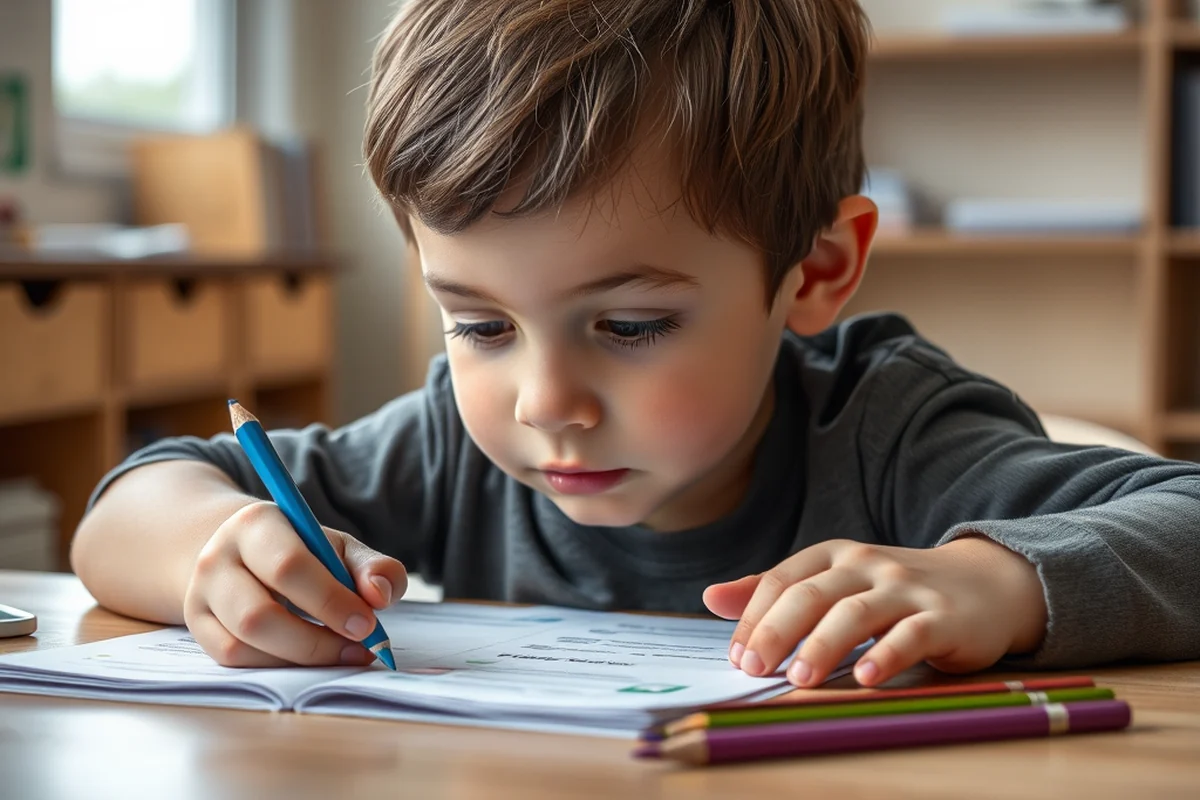
Digital tools can be a game-changer for tracking physical education progress, offering flexibility, ease of use, and a modern learning experience. I started using a simple app called 'Activity Tracker' and was immediately impressed by how it allowed me to log activities, set goals, and see my daughter’s progress in real time.
What I loved most was the ability to customize the app to fit our needs. I could add different types of activities, track how long we spent on each one, and even set reminders. It was like having a personal coach for my daughter’s physical education journey.
The app also allowed my daughter to see her achievements visually, which helped her stay motivated and excited about learning new skills. It was a huge shift from the messy journal I had tried before.
A digital tool isn’t just a gadget — it’s a way to make learning more interactive and fun.
Simple Checklists as an Effective Alternative to Physical Education Journals
Simple checklists are a low-effort, high-impact way to track progress without the need for a journal. I created one with my son, listing basic physical education activities like 'jump rope 10 times,' 'do 5 push-ups,' and 'run around the house 3 times.'
Each time he completed an activity, he would check it off with a sticker or a marker. This made tracking progress visual and tangible, and it was incredibly satisfying for him to see his list filling up over time.
What I love most about checklists is that they’re easy to create, easy to use, and perfect for younger kids who aren’t ready for writing in a journal. They’re also great for parents who want to keep things simple and focused.
Color-coding your checklists by age group can help your kids stay on track and understand what’s expected of them. Red might be for younger kids, blue for middle schoolers, and green for older kids.
“I remember the first time I tried to keep track of my daughter’s physical education progress at home.”— Teaching Physical Education at Home editors
Why Stickers and Visual Charts Work So Well for Tracking Physical Education Progress
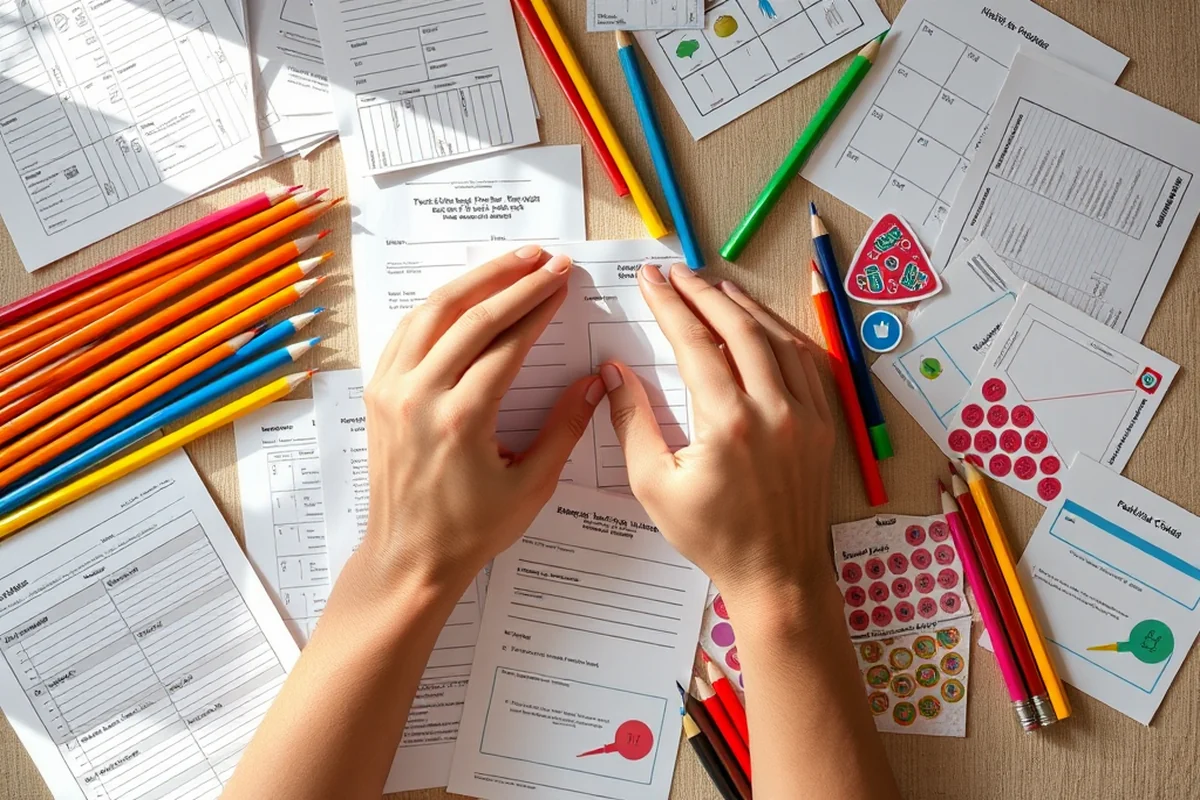
Stickers and visual charts are a fun and effective way to track progress and make learning more engaging. I created a chart with my daughter where each time she completed a physical education activity, she would place a sticker on the chart. The chart had a goal, like '20 stickers for a week of active play,' and she was determined to reach it.[1]
The chart was divided into sections, with each section representing a different type of activity — running, jumping, stretching, and so on. It made it easy for her to see which activities she had mastered and which ones she needed to work on.
The best part? She was so excited to earn stickers and see her chart fill up. It turned a mundane task into something she looked forward to every day.
How Video Logs Can Be a Powerful Tool for Tracking Physical Education at Home
Video logs are a great way to document progress, provide feedback, and make physical education more engaging for kids. I started using my phone to record my son as he completed physical education activities, and then we would review the videos together later.
This helped him see what he was doing right and what he could improve on. It also gave me a way to track his progress over time and see how far he had come. The videos were a valuable tool for both of us.
What I loved most was the ability to replay the videos and give immediate feedback. It was like having a coach right there with us, helping us improve and stay on track.
Why Digital Apps Are a Must-Have for Teaching Physical Education at Home
Digital apps are a must-have for teaching physical education at home, offering convenience, flexibility, and real-time tracking. I tried a few different apps, and one in particular — 'FitKids' — became a staple in our home. It had a variety of physical education activities, progress tracking, and even a feature that allowed me to set goals for my kids.
I loved how easy it was to use. I could assign activities, track time spent on each one, and see my kids’ progress in real time. The app also had a feature that allowed them to earn virtual rewards, which kept them motivated and excited about learning.
The best part was how it made tracking progress so much more efficient. I no longer had to worry about messy journals or cluttered checklists — everything was in one place, and it was easy to update.
Digital apps aren’t just for gamers — they’re a powerful tool for making learning fun and effective.
How to Make Physical Education Progress Tracking a Family Activity
Making progress tracking a family activity can help reinforce learning and make the process more enjoyable for everyone. I started involving my whole family in tracking physical education progress, and it made a huge difference. We would all log our activities together, and it became a fun way to bond and stay active.
We even created a family chart where each of us had our own section. It made it easy to see who was doing the most physical activity and who needed to work on their goals. It also encouraged everyone to stay on track and support each other.
What I loved most was how it turned a task into a game. We would compete to see who could earn the most stickers in a week or who could complete the most activities. It was a great way to make learning fun and engaging for the whole family.
👶 Younger Kids Version
A version tailored for toddlers and preschoolers, using simple visuals, stickers, and short activity logs.
👦 Older Kids Version
A version for middle and high schoolers, featuring digital tools, goal-setting features, and personalized tracking.
📄 No-Prep Version
A no-prep option that uses ready-made templates, printable logs, and minimal supplies for easy setup.
👥 Group Version
A version designed for group settings, like co-ops or family playgroups, with shared logs and collaborative tracking.
🚀 Extension Version
An advanced version that includes data analysis, progress reports, and custom tracking for more detailed learning.
| The mistake | Why it happens | The fix |
|---|---|---|
| Trying to use a traditional journal with young children. | Traditional journals can be too complex and intimidating for young kids, leading to frustration and disorganization. | Use visual logs, sticker charts, or simple checklists instead. These are more engaging and easier for young children to use. |
| Not involving the whole family in the tracking process. | Not involving the family can make the process feel isolating and less motivating for kids. | Make it a family activity. Everyone can track their own progress and support each other along the way. |
| Using too many digital tools at once. | Using too many digital tools can be overwhelming and confusing for kids and parents alike. | Start with one or two tools and build from there. Choose tools that are user-friendly and easy to navigate. |
| Not setting clear goals for tracking progress. | Without clear goals, kids may not know what they’re working toward, making it harder to stay motivated. | Set clear, achievable goals for each child. Use these goals to create a sense of purpose and direction. |
Teaching Physical Education Journal Alternatives
Common Questions
Are there any free journal alternatives for teaching physical education at home?
How can I make physical education tracking fun for my kids?
What’s the best way to track progress for younger kids?
Can I use these methods for multiple children at once?
References
- Research on Multi-Dimensional Visual Design of English Teaching ... (sciencedirect.com)
Cite this guide
Teaching Physical Education at Home (2026). Teaching Physical Education Journal Alternatives. https://growfromplay.com/teaching-physical-education-journal-alternatives/
Feel free to cite or share this guide.