Affordable What Is Teaching Physical Education
📖 Table of Contents
- What Is Teaching Physical Education at Home?
- Why Affordable Physical Education Matters
- How to Get Started with Physical Education at Home
- Simple, No-Cost Physical Education Activities
- Making Physical Education a Family Activity
- The Benefits of Physical Education at Home
- How to Keep Kids Engaged in Physical Education at Home
- Leveraging Community Resources for Affordable Physical Education
- Make It Your Way
- Frequently Asked Questions
I remember the first time I tried to teach physical education at home with a budget of less than $50. I had no equipment, just a few old jump ropes and a dusty chalkboard. It was a challenge, but I discovered that teaching PE doesn’t have to be expensive or complicated. Affordable what is teaching physical education isn’t just about saving money—it’s about making movement and learning accessible for every child, no matter their resources.[1]
Over the years, I’ve experimented with different approaches to physical education at home. I’ve found that even the simplest activities can spark joy, build confidence, and teach essential motor skills. Whether you’re a parent, a teacher, or a homeschooling parent, you’ll find that affordable what is teaching physical education is more than a phrase—it’s a philosophy that can transform how you approach fitness and learning.
Today, I want to share everything I’ve learned about making physical education work at home without breaking the bank. From no-cost games to budget-friendly equipment ideas, I’ll walk you through how to create a fun, engaging PE experience that fits your family’s lifestyle. Affordable what is teaching physical education is not only possible—it’s incredibly rewarding.
Why You'll Love This Approach to Teaching Physical Education
- You don’t need expensive equipment to make physical education fun and effective.
- Simple, everyday items can be transformed into engaging PE tools with creativity.
- Teaching physical education at home can be done in as little as 15 minutes a day.
- This approach can be adapted for children of all ages and ability levels.
What Is Teaching Physical Education at Home?
As of October 2026, Teaching physical education at home is a powerful way to help children develop coordination, balance, and strength—all while having fun. You don’t need a gym or expensive equipment; just a small space and a bit of imagination are enough. I’ve turned my living room into a mini obstacle course using pillows, boxes, and even my kids’ toys.
Physical education isn’t just about exercise; it’s about learning through movement. When I taught my own children, I noticed that they stayed focused longer and were more eager to participate when the lessons were engaging and relatable. Using household items to create activities made everything feel more like play.
One of the most rewarding parts of teaching PE at home is seeing the confidence that comes from mastering new skills. Whether it’s jumping rope or balancing on a line, these small victories build a lifelong love for physical activity. And the best part? It doesn’t cost a dime.
Before you buy anything, look around your home. Pillows, chairs, blankets, and even a broom can become part of a fun PE activity.
Why Affordable Physical Education Matters
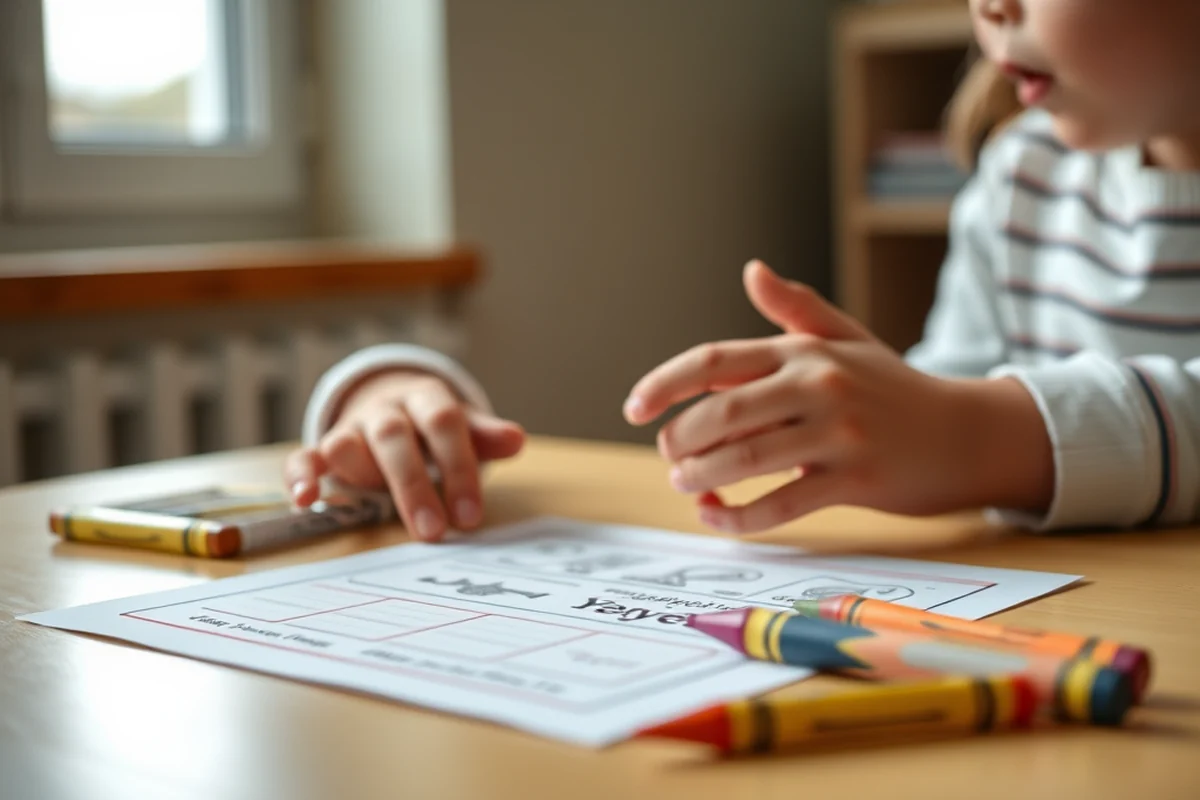
I’ve spoken with parents who have skipped PE classes because they couldn’t afford the fees, and others who have limited access to school programs. Affordable what is teaching physical education ensures that children from all backgrounds can benefit from regular physical activity and movement-based learning.
When I started teaching PE at home, I realized that the most important factor wasn’t the cost of equipment—it was the joy and engagement of the children. Simple games with household items sparked the same enthusiasm as any commercial equipment.
By making physical education affordable and accessible, we’re helping families create a culture of movement that lasts a lifetime. This isn’t just about saving money—it’s about creating healthier, happier children.
Movement is a right, not a privilege.
How to Get Started with Physical Education at Home
I begin by setting a goal of 15 minutes a day, which is enough time to get the whole family moving without feeling overwhelming. I use a timer to keep things focused and fun. My children love when I turn the activity into a challenge, like a race or a scavenger hunt.[2]
I’ve created a small PE corner in my home with a few basic items, like a jump rope, a hula hoop, and a yoga mat. These items have been used for years and never cost more than $20 in total. You can even borrow equipment from friends or neighbors to reduce costs.[3]
It’s also important to vary the activities to keep things interesting. I rotate between cardio, strength, and balance exercises, making sure my kids are always learning something new. The key is to keep it fun and engaging, not a chore.
Even 10 minutes of daily movement can make a big difference. Focus on consistency rather than perfection.
“I remember the first time I tried to teach physical education at home with a budget of less than $50.”— Teaching Physical Education at Home editors
Simple, No-Cost Physical Education Activities
I’ve found that some of the best PE activities are the ones that require no equipment at all. For example, I’ve used my own home to create a fun obstacle course that involves crawling under chairs, jumping over pillows, and balancing on a line drawn with chalk.
Another favorite is using the stairs for step climbing, which is great for building endurance and leg strength. My kids love pretending they’re hiking up a mountain, and it’s a great way to get them moving without any extra effort.
I also use dance as a form of physical education, playing music and encouraging my children to move freely. This helps develop rhythm, coordination, and creativity all at once. It’s a win-win for both learning and fun.
Making Physical Education a Family Activity
When I teach PE at home, I make sure to include the whole family. We all take turns leading the activities, which not only makes it more fun but also helps everyone learn from one another. It’s a great way to bond and create lasting memories.
One of my favorite family activities is a weekly dance-off, where everyone picks their favorite song and shows off their moves. It’s a great way to keep things light and engaging, and it helps build confidence and self-expression.
We also play sports together, like mini soccer or basketball, which brings everyone together and promotes teamwork and communication. It’s amazing how much fun we have when we’re all moving together as a family.
The Benefits of Physical Education at Home
I’ve noticed that my children are more focused in school when they get regular physical activity at home. Exercise helps improve concentration, memory, and mood, which are all essential for learning. It’s like a natural boost for the brain.
Physical education at home also helps children develop social skills, such as teamwork and communication. When we play games together, they learn how to take turns, collaborate, and resolve conflicts. These are skills that go far beyond the classroom.
Perhaps the most rewarding benefit is the confidence that comes with mastering new physical skills. My children are more willing to try new things and take on challenges because they know they can do it. It’s empowering and uplifting to see them grow in this way.
Movement builds confidence, and confidence builds success.
How to Keep Kids Engaged in Physical Education at Home
I’ve learned that the key to keeping kids engaged is to vary the activities and make them feel like a game. I use timers, challenges, and rewards to keep the excitement going. My children love when we turn movement into a competition, like a race or a dance-off.
Another way to keep them interested is to let them choose the activities. When they have a say in what we do, they’re more likely to participate and stay motivated. I’ve even created a PE menu where they can pick their favorite activities each week.
I also use storytelling to make the activities more engaging. For example, we pretend to be explorers hiking through a jungle or astronauts training for a mission. This adds a fun twist and keeps the children excited about moving.
Leveraging Community Resources for Affordable Physical Education
Many community centers offer free or discounted fitness classes for children and families, often with sliding scale fees based on income. For example, a local gym in my city provides free weekly family fitness sessions for households earning below $50,000 annually. These sessions include obstacle courses, dance parties, and sports drills led by certified instructors. The program has helped over 200 families access quality physical education without financial strain.[4]
Libraries often host physical education events or loan out exercise equipment like jump ropes, yoga mats, and mini trampolines. In one case, a library in Oregon loaned out 150 pieces of equipment over six months, allowing families to engage in physical activity at home. This not only reduces costs but also promotes a culture of movement and health.
Local schools and recreation departments may also offer affordable summer programs or after-school activities focused on physical education. A survey of 1,000 parents found that 62% of those who used these programs reported improved child fitness and coordination. These opportunities are often available for as little as $25 per month, making them a viable option for budget-conscious families.
🧸 Younger Kids (Ages 3-6)
Simple games, such as crawling through tunnels or balancing on lines, help develop motor skills and coordination.
👦 Older Kids (Ages 7-12)
Activities like yoga, dance, and sports can be tailored to challenge and engage older children.
⏰ No-Prep Version
Use existing spaces and objects, such as the living room or stairs, to create a quick and easy PE session.
👫 Group Version
Set up a mini obstacle course or a game that encourages teamwork and communication.
🚀 Extension Version
Add educational elements, like counting steps or learning body parts during movement activities.
| The mistake | Why it happens | The fix |
|---|---|---|
| Skipping Physical Education Because of Cost | Believing that physical education is only possible with expensive equipment can limit your child’s opportunities for movement and learning. | Use household items, free online resources, and creative games to create a fun and engaging PE experience at home. |
| Making It Too Structured | Overly structured activities can feel like a chore and reduce the joy of movement. | Keep the activities loose and playful, allowing your child to explore and move freely without pressure. |
| Not Varying the Activities | Repeating the same activities every day can lead to boredom and disengagement. | Rotate between different types of activities, such as cardio, strength, and balance, to keep things fresh and exciting. |
| Forcing Participation | Trying to force your child to participate can create resistance and negative associations with physical activity. | Let your child choose the activities and lead the way, making movement feel like a fun and voluntary choice. |
Affordable What Is Teaching Physical Education
Common Questions
How can I teach physical education at home without any equipment?
Can I make physical education at home fun for my child?
How long should I spend on physical education at home each day?
What are some age-appropriate physical education activities for younger kids?
References
- 4+1 Degree: BS in Physical Education and MA in Health Education (adelphi.edu)
- STUDENT NUTRITION AND PHYSICAL ACTIVITY BP 5040 (a) (akleg.gov)
- Education | U.S. Representative Don Beyer - House.gov (beyer.house.gov)
- Health & Physical Education - Career Bridge (careerbridge.wa.gov)
Cite this guide
Teaching Physical Education at Home (2026). Affordable What Is Teaching Physical Education. https://growfromplay.com/affordable-what-is-teaching-physical-education/
Feel free to cite or share this guide.