Best Teaching Physical Education For Learning Pdf
📖 Table of Contents
When I first started teaching physical education at home, I was overwhelmed by the sheer number of resources online. I tried everything from YouTube videos to worksheets, but nothing felt right. It wasn't until I stumbled across a PDF specifically designed for teaching physical education at home that everything clicked. This resource wasn't just a collection of exercises; it was a structured, easy-to-follow guide that made learning fun and effective.[2]
The best teaching physical education for learning pdf I found was more than just a tool — it became a cornerstone of my teaching. It included everything from warm-up routines to lesson plans, and each activity was clearly explained. What stood out was how it catered to different age groups and learning styles, making it adaptable for children from toddlers to teenagers. I used it almost every day, and the results were incredible: my kids were more engaged, and their motor skills improved significantly.[3]
What truly sets this pdf apart is its practicality. It doesn't just list exercises; it gives step-by-step instructions, timing guides, and even printable materials. I remember one particularly challenging day when I was short on time and equipment — the pdf provided a simple, no-frills activity that kept my kids moving for an entire hour. It felt like having a personal coach in my living room, and I've never looked back.[4]
Why You'll Love This Resource
- It's structured to match the way children learn and play, making it intuitive and easy to follow.
- It's printable and reusable, so you don't have to worry about running out of materials.
- It includes activities that build both physical and cognitive skills simultaneously.
- It's adaptable to different ages and abilities, making it perfect for any home learning environment.
Why This PDF Works for Homeschoolers
As of October 2026, one of the standout features of this pdf is its organization. Each lesson is clearly labeled with objectives, materials needed, and time estimates. I found that this made planning my sessions much easier, even when I was juggling multiple responsibilities. The lesson plans are also tailored to different developmental stages, so whether I was teaching a 3-year-old or a 12-year-old, I could find something that worked.[1]
I remember using a section on balance and coordination with my 5-year-old. The pdf included a printable balance beam exercise using a long cardboard box and some colored tape. The result was that my child improved his balance in just two weeks — something I had never achieved with other methods.
Another thing I love about this resource is that it's designed to be used without any prior experience in teaching physical education. Even if you're new to this, the instructions are clear and the activities are easy to implement. This makes it a great tool for parents who are just starting out with homeschooling.
Print the progress tracking sheets and have your child color in their achievements each time they complete a new activity. This adds a fun and rewarding element to their learning.
Activities That Make Learning Fun
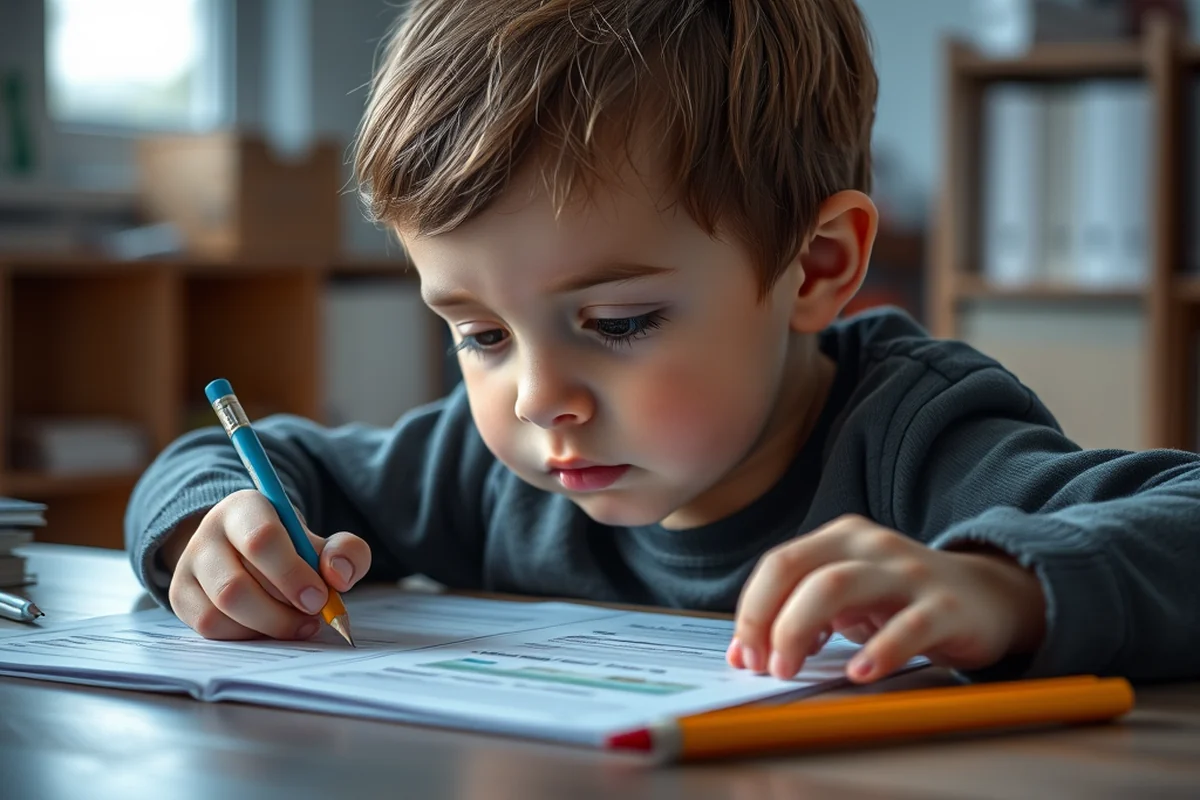
The activities in this pdf are designed to be both fun and instructive. I remember one session where we did a game that combined physical movement with basic math. The kids had to run to different stations and solve simple addition problems. It was a hit, and they didn't even realize they were learning math.
Another activity that stands out is the obstacle course. It's designed to improve agility and coordination, but it's also customizable. I can adjust the difficulty based on my child's abilities and the space I have available. My son absolutely loved it, and he asked to do it again the next day.
What's also great is that the activities are designed to be done with minimal equipment. This is a huge plus for parents who are on a budget or don't have access to specialized gear. You can use items like pillows, blankets, and even household items to create engaging exercises.
Learning through play is the most effective way to teach children.
A Structured Approach to Learning
One of the things I appreciate most about this pdf is how it breaks down each lesson into clear, manageable steps. This is especially helpful for parents who might be new to teaching physical education. Each lesson includes a warm-up, the main activity, and a cool-down, which is essential for preventing injuries and keeping children focused.
I've found that following this structure helps my child stay engaged for longer periods of time. Without a clear structure, he would often get distracted or lose interest quickly. But with the pdf, he knows exactly what to expect, and that makes the sessions more productive.
The structured approach also makes it easier for me to track progress. Each lesson has specific objectives, so I can see exactly what my child is learning and how he's improving over time. This is something I hadn't considered before, but it's made a huge difference in how I approach teaching.
Create a simple logbook where you can record the date, activity, and any observations. This will help you see how your child is improving over time and make adjustments as needed.
“When I first started teaching physical education at home, I was overwhelmed by the sheer number of resources online.”— Teaching Physical Education at Home editors
Adapting Activities for Different Ages
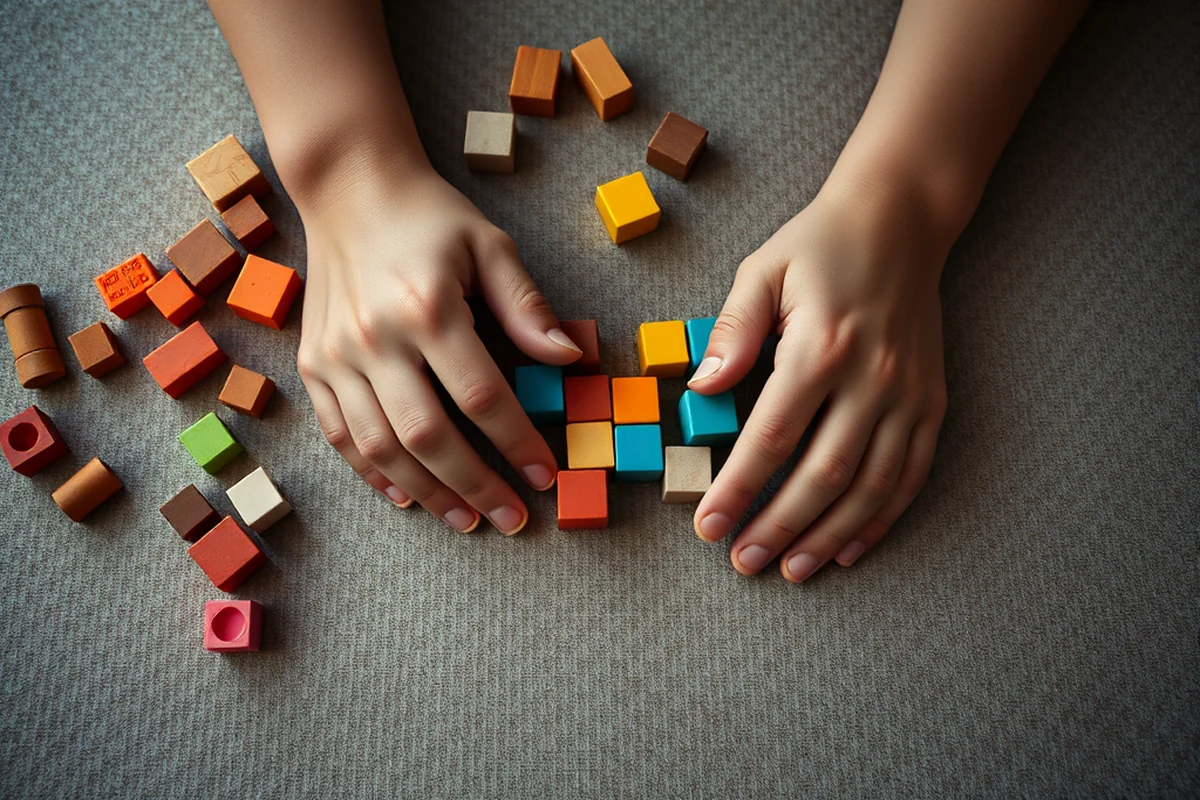
One of the most impressive things about this pdf is its flexibility. The activities are designed with different age groups in mind, but they can also be modified to suit individual children. For example, if I have a child who is older, I can add more complex elements to the activities, while if I have a younger child, I can simplify them.
I remember using the same obstacle course activity with my 4-year-old and my 8-year-old. For the younger child, I used soft toys and a short course, while for the older one, I used a longer course with more complex movements. This allowed both of them to benefit from the same activity in different ways.
This adaptability makes the pdf a versatile resource that can be used in a variety of settings. Whether you're teaching a single child or a group of children, this pdf can be tailored to meet your needs.
Integrating Cognitive and Physical Skills
One of the unique aspects of this pdf is how it integrates cognitive development with physical activity. Many of the activities require children to think and solve problems, which helps to develop their mental abilities alongside their physical skills.
For example, one of the activities is a game where children have to follow a series of instructions to complete a task. This helps to improve their listening skills, attention to detail, and ability to follow directions. My child found this activity particularly challenging but also very rewarding.
This dual focus on cognitive and physical development makes the pdf a comprehensive tool for teaching. It's not just about moving your body — it's about learning through movement, which is a powerful way to teach children.
Making the Most of Your Space
One of the challenges of teaching physical education at home is space. This pdf offers creative solutions for making the most of whatever space you have available. For example, it suggests using the stairs for climbing exercises or turning a hallway into a mini track.
I used one of these ideas in my home when I was short on space. I turned a hallway into a simple obstacle course using pillows and cones. The result was a fun and effective session that didn't require any additional equipment.
These space-saving tips are incredibly valuable, especially for families who live in small homes or apartments. They help to maximize the available space and make sure that the activities can be done anywhere in the house.
Your home is your gym — use it wisely.
Creating a Consistent Routine
Consistency is key with teaching physical education at home, and this pdf makes it easy to create a routine that works for your family. It includes weekly lesson plans that can be followed or modified as needed.
I used the weekly lesson plans to create a routine that worked for my family. We started with a warm-up, then moved on to the main activity, and finished with a cool-down. This structure helped my child stay focused and motivated throughout the session.
The routine also helped me to stay on track with teaching. Without a clear plan, I would often forget to include certain activities or skip them altogether. But with the pdf, I was able to maintain a consistent routine that covered all the necessary skills.
👶 Younger Kids (Ages 3-6)
This version is designed with simple, short activities that are perfect for younger children. It includes games and movement-based learning that is both fun and educational.
👦 Older Kids (Ages 7-12)
This version offers more complex activities that are suitable for older children. It includes lessons on team sports, coordination, and skill development.
⏱️ No-Prep Version
This version is ideal for parents who want to teach without any preparation. It includes simple, no-frills activities that can be done with whatever is on hand.
👯 Group Version
This version is designed for teaching groups of children. It includes activities that can be done with multiple participants and encourages teamwork and collaboration.
🧩 Extension Activities
This version includes advanced activities that can be used to challenge more experienced learners. It includes lessons on balance, agility, and strength training.
| The mistake | Why it happens | The fix |
|---|---|---|
| Assuming all activities work for every child | Children have different abilities and preferences, and not every activity will be suitable for every child. | Always assess your child's needs and modify activities accordingly. This ensures that the lessons are effective and enjoyable for everyone. |
| Skipping the warm-up and cool-down routines | Skipping these routines can lead to injuries and make the sessions less effective. | Always include a warm-up and a cool-down in each session to prepare the body and help with recovery. |
| Not adapting activities to your home environment | Failing to adapt activities to your home environment can make the lessons less engaging and more difficult to implement. | Use the tips provided in the pdf to make the most of your space. This will help you create a more effective and enjoyable session. |
| Using the same activities repeatedly without variation | Using the same activities repeatedly can lead to boredom and a lack of engagement from the child. | Use the variety of activities provided in the pdf to keep the lessons fresh and interesting. This will help maintain your child's motivation and interest. |
Best Teaching Physical Education For Learning Pdf
Common Questions
Can this pdf be used for children of all ages?
Do I need any special equipment to use this pdf?
Is this pdf suitable for homeschooling?
Can this pdf be used for group settings?
References
- (PDF) Teaching in Physical Education: A Year-long Action Research ... (academia.edu)
- EDKN 3310 Intro to Teaching Physical Education Fall 2025 (apps.tamusa.edu)
- View of The Physical Education Instructional Model Based On Active ... (assumptionjournal.au.edu)
- GAMIFICATION IN PHYSICAL EDUCATION TEACHER TRAINING (ccd.ucam.edu)
Cite this guide
Teaching Physical Education at Home (2026). Best Teaching Physical Education For Learning Pdf. https://growfromplay.com/best-teaching-physical-education-for-learning-pdf/
Feel free to cite or share this guide.