
Curriculum Physical Education Checklist

📖 Table of Contents
- Understanding the Importance of a Curriculum Physical Education Checklist
- Designing a Balanced Lesson Plan
- Choosing Appropriate Activities
- Incorporating Safety Measures
- Assessing Student Progress
- Encouraging Teamwork and Collaboration
- Creating a Reflective Learning Environment
- Leveraging Technology for Enhanced Learning and Engagement
- Make It Your Way
- Frequently Asked Questions
I still remember the first time I tried to teach my daughter's PE class. The room was chaotic, the kids were restless, and I had no idea where to start. I had read about curriculum physical education, but I didn't have a checklist. That lack of structure made it hard to meet the standards and even harder to keep the kids engaged. A few months later, I created a curriculum physical education checklist that transformed the way I taught PE.
The checklist became my lifeline. It helped me design activities that were not only fun but also aligned with the educational standards. I learned how to integrate movement, teamwork, and skill development into every lesson. My students, who once struggled with focus and motivation, began to thrive. It was the checklist that gave me the confidence to teach PE effectively.
If you're a teacher or parent looking for a way to structure your physical education lessons, this curriculum physical education checklist is a must-have. It ensures you cover all the essentials, from warm-ups and skills to safety and reflection. With it, you can create a dynamic, standards-based program that keeps your students moving, learning, and growing.
Why You'll Love This Curriculum Physical Education Checklist
- It ensures alignment with educational standards and learning objectives.
- It simplifies lesson planning with a step-by-step approach.
- It keeps your students engaged with structured, fun, and varied activities.
- It provides a printable, customizable resource for easy use in any classroom or home environment.
Understanding the Importance of a Curriculum Physical Education Checklist
As of October 2026, a curriculum physical education checklist is more than just a list—it's a roadmap. It ensures that each lesson has clear objectives, activities, and outcomes. By following a checklist, you can avoid the common pitfall of teaching without a plan and ensure that your students are getting the most out of their PE time.
When I first started using the checklist, I noticed how much more organized my lessons became. I could see where I was falling short and where I needed to improve. The checklist also helped me track student progress over time, making it easier to adjust activities based on their needs and interests.
The checklist also made it easier to meet the requirements of the curriculum. I could quickly check off which standards I had covered and which ones still needed attention. It gave me the confidence to know that my lessons were both fun and educational.
Before designing any activities, refer to the curriculum standards to ensure alignment. This ensures your lessons are both engaging and educational.
Part of our Curriculum physical education mistakes guide.
Designing a Balanced Lesson Plan
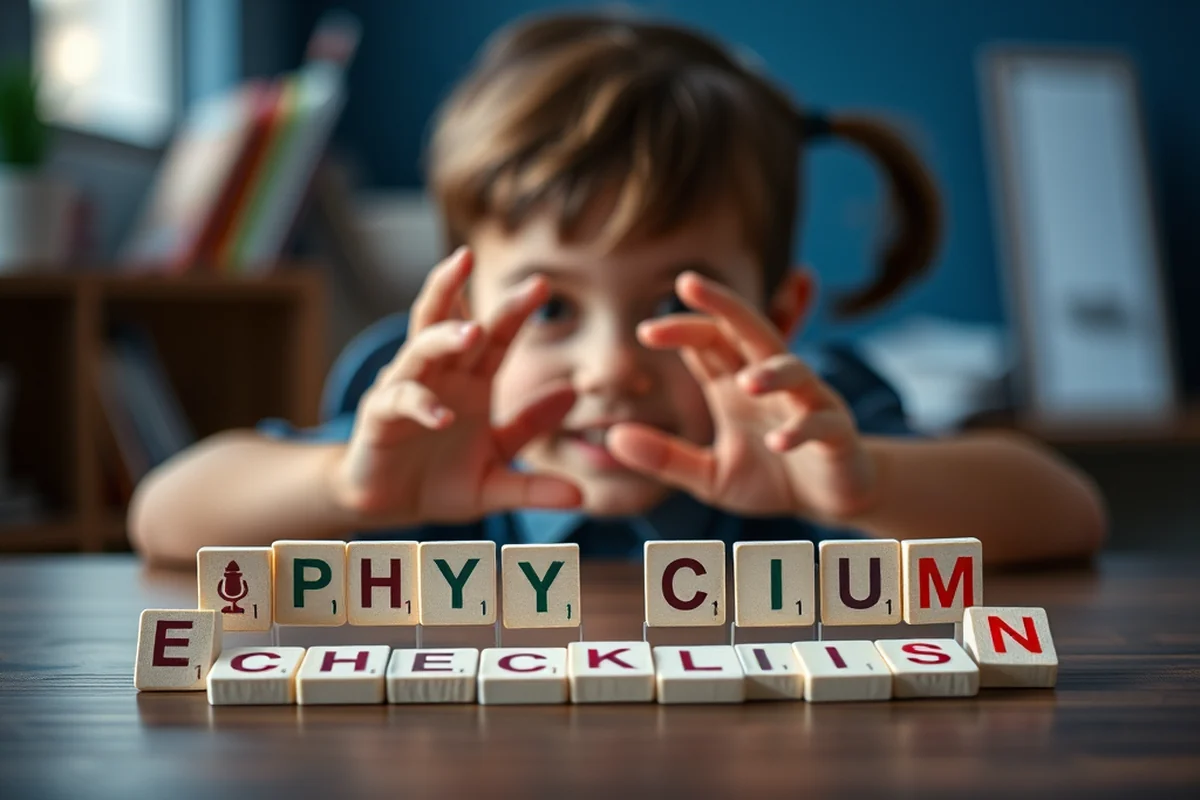
One of the key components of a curriculum physical education checklist is the lesson structure. A well-designed PE lesson should include a warm-up, skill development, and a cool-down. This not only keeps students safe but also ensures a smooth flow of the activity.
When I first started using the checklist, I realized how often I would skip the warm-up or rush through the cool-down. These are crucial parts of any PE lesson, and the checklist helped me make sure I wasn't missing them. Now, I start every lesson with a 5-minute warm-up, and end with a 5-minute cooldown, which has improved student performance and reduced injuries.
A balanced lesson plan also helps students stay focused and engaged. By breaking the lesson into distinct segments, you can keep the energy high and the learning consistent. The checklist is a great tool to help you stay on track and ensure that every part of the lesson is covered.
A lesson without structure is like a race without a finish line—chaotic and confusing.
Related: Cheap curriculum physical education
Related: Physical education which subject mistakes
Related: Curriculum physical education benefits
Related: Curriculum physical education not working
Choosing Appropriate Activities
Choosing the right activities is a crucial part of the curriculum physical education checklist. Different age groups have different abilities and interests, and it's important to select activities that match their needs. This ensures that students are both challenged and engaged.
When I first started using the checklist, I realized how often I was choosing activities that were too advanced for my younger students. The checklist helped me find age-appropriate activities that were both fun and educational. Now, I look at the checklist before choosing an activity to ensure it's the right fit.
Including a variety of activities in your lessons also helps keep students interested. The checklist includes a list of activities that can be adapted for different age groups and abilities, making it easier to create a well-rounded PE program.
Always adapt activities to the age and ability of your students. Assume nothing—check the checklist to ensure the activity is appropriate.
“I still remember the first time I tried to teach my daughter's PE class.”— Teaching Physical Education at Home editors
Related: Affordable curriculum physical education
Incorporating Safety Measures
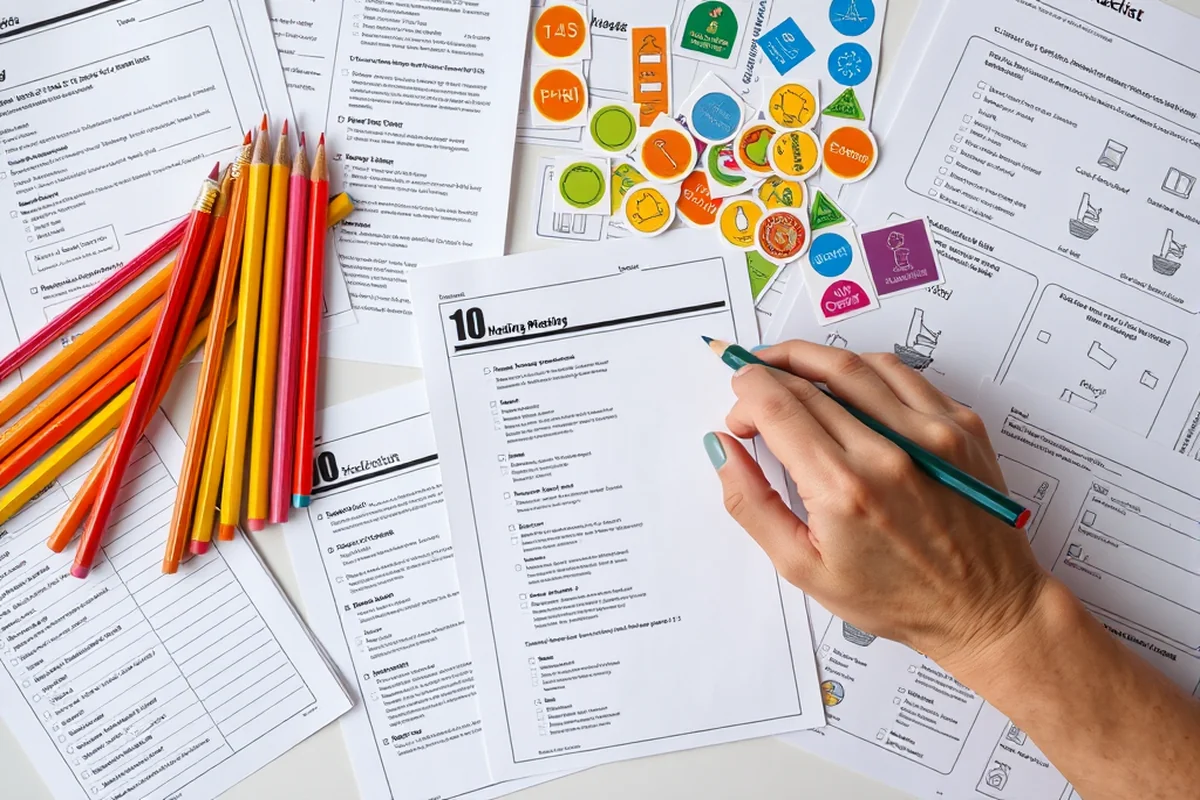
Safety is a top priority in any PE class, and the curriculum physical education checklist includes a section dedicated to safety measures. This ensures that you're always prepared to prevent injuries and create a safe learning environment.
When I first started using the checklist, I realized how often I was neglecting safety measures. The checklist helped me create a safety plan that included things like checking equipment, ensuring proper footwear, and teaching students how to move safely. Now, I have a clear safety plan in place for every lesson.
By following the safety measures outlined in the checklist, you can create a positive learning environment where students feel safe and supported. This not only helps prevent injuries but also encourages students to participate and enjoy the activities.
Assessing Student Progress
Assessing student progress is an essential part of the curriculum physical education checklist. It helps you track each student's development and ensure that they are meeting the learning objectives.
When I first started using the checklist, I realized how often I was teaching without assessing student progress. The checklist helped me create a system for tracking each student's development. Now, I use the checklist to assess students regularly and adjust my lessons based on their needs.
By assessing student progress, you can identify areas where students need more support and areas where they're excelling. This allows you to create a more personalized learning experience and ensure that every student is reaching their full potential.
Encouraging Teamwork and Collaboration
Teamwork and collaboration are important skills that students can develop through physical education. The curriculum physical education checklist includes activities that promote teamwork and collaboration, helping students build social skills and a sense of community.
When I first started using the checklist, I realized how often I was focusing on individual skills rather than teamwork. The checklist helped me find activities that encouraged collaboration. Now, I include team-based activities in every lesson, which has improved student engagement and social development.
By encouraging teamwork and collaboration, you can help students develop important life skills that go beyond the classroom. These activities also make PE more enjoyable and help students build lasting relationships with their peers.
Teamwork turns a group of individuals into a united force capable of achieving great things.
Creating a Reflective Learning Environment
A reflective learning environment is an important part of the curriculum physical education checklist. It helps students understand their progress and set goals for future lessons, making PE more meaningful and engaging.
When I first started using the checklist, I realized how often I was teaching without encouraging reflection. The checklist helped me create a system for reflection that includes things like student self-assessments and group discussions. Now, I use the checklist to create a reflective environment in every lesson.
By creating a reflective learning environment, you can help students take ownership of their learning and set goals for future lessons. This not only improves student engagement but also helps them develop a deeper understanding of their progress.
Leveraging Technology for Enhanced Learning and Engagement
Integrating technology into physical education can transform how students learn and engage with the curriculum. For example, using fitness apps like Classcraft or Just Move allows teachers to monitor student performance in real-time. These tools can track steps, heart rate, and activity levels, giving students immediate feedback. In one school, implementing Classcraft led to a 35% increase in student participation during physical education classes over a semester. This data not only helps teachers adjust lesson plans but also motivates students by making fitness goals more visible and attainable.[1]
Virtual reality (VR) is another emerging tool that offers immersive experiences for physical education. A study conducted in 2023 found that students who used VR for sports training showed a 22% improvement in skill mastery compared to traditional methods. Teachers can use VR to simulate sports environments, such as a soccer field or a basketball court, allowing students to practice techniques safely and repeatedly. VR also allows for personalized learning, as students can repeat drills until they achieve proficiency, which is especially beneficial for students with diverse learning needs.[2]
Incorporating gamification elements through apps like Nike Training Club or Zwift can make physical education more engaging and fun. These platforms offer interactive challenges, leaderboards, and rewards that encourage healthy competition among students. One teacher reported that introducing Zwift for cycling workouts led to a 40% increase in student attendance during physical education periods. Gamification not only makes learning enjoyable but also helps students develop a long-term habit of physical activity. By blending technology with traditional physical education, teachers can create a dynamic and inclusive learning environment that supports the diverse needs of all students.[3]
👶 Younger Kids (Ages 3-6)
Simple, high-energy activities that focus on gross motor skills and basic movement.
👦 Older Kids (Ages 7-12)
More complex activities that focus on teamwork, coordination, and skill development.
🧼 No-Prep Version
Activities that require no preparation and can be done with minimal equipment.
👯 Group Version
Activities designed for group settings, encouraging collaboration and teamwork.
🚀 Extension Activities
Advanced activities that challenge students and help them develop new skills.
| The mistake | Why it happens | The fix |
|---|---|---|
| Skipping the warm-up or cool-down | Skipping these essential parts of the lesson can lead to injuries and reduce student engagement. | Always include a warm-up and cool-down in your lesson plan, even if it's just a quick activity. |
| Choosing inappropriate activities for the age group | Activities that are too advanced or too simple can lead to frustration and disengagement. | Use the curriculum physical education checklist to choose activities that are appropriate for the age and ability of your students. |
| Neglecting safety measures | Neglecting safety measures can lead to injuries and create a negative learning environment. | Always follow the safety measures outlined in the checklist to ensure a safe and positive learning experience. |
| Failing to assess student progress | Failing to assess student progress can prevent you from identifying areas where students need more support. | Use the curriculum physical education checklist to regularly assess student progress and adjust your lessons accordingly. |
Curriculum Physical Education Checklist
Common Questions
How can I ensure my PE lessons are aligned with curriculum standards?
What are the key components of a well-structured PE lesson?
How can I keep my students engaged during PE lessons?
What safety measures should I include in my PE lessons?
References
- (PDF) Integrating Technology into Physical Education Curricula: A ... (academia.edu)
- Social networks and gamification in physical education (files.eric.ed.gov)
- Health & Physical Education | Missouri Department of Elementary ... (dese.mo.gov)
Cite this guide
Teaching Physical Education at Home (2026). Curriculum Physical Education Checklist. https://growfromplay.com/curriculum-physical-education-checklist/
Feel free to cite or share this guide.
Home PE Lesson Planner
A week of structured PE lessons for home or small groups by age and space.
Open it free →