
Teaching Elementary Physical Education At Home

📖 Table of Contents
- Why Physical Education Matters in Early Childhood
- The Power of Play in Physical Education
- How to Create a Structured Routine at Home
- Simple Activities for Teaching Balance and Coordination
- Using Music and Movement to Teach Rhythm and Coordination
- How to Integrate Social Skills into Physical Education
- Making the Most of Limited Space
- Incorporating Technology for Interactive Learning
- Tracking Progress and Setting Goals for Motivation
- Make It Your Way
- Frequently Asked Questions
I remember the day my son came home from preschool, his face flushed and eyes wide, shouting, 'Mom, we did something called a 'sprinting relay' and I won!' It was the first time I realized how much physical education could shape a child's confidence and coordination, even outside the classroom. Teaching elementary physical education at home became a mission for me, not just as a way to keep my kids active, but as a way to connect with them in a meaningful way.
At first, I didn't know where to begin. I'd seen teachers use large mats and complex equipment, but I didn't have a gym or a budget for specialized tools. What I did have was my living room, a few basic toys, and a growing desire to help my children learn through movement. Through trial and error, I discovered that teaching elementary physical education at home doesn't require expensive gear or a dedicated space — it just takes creativity, patience. A willingness to get down on the floor with your kids.
Over the past two years, I've spent countless hours designing and testing activities that are both educational and fun. I've learned that the key to success is not in the tools you use, but in the way you engage with your child. Whether it's a game of tag, a balance challenge, or a dance party, teaching elementary physical education at home can be a joy-filled way to promote health, motor skills, and social development.
Why You'll Love This Approach to Physical Education
- Simple, low-cost activities that use common household items
- Fun, engaging lessons that promote motor development and coordination
- Opportunities for bonding and quality time with your child
- Flexible, adaptable routines that work with your family's schedule
Why Physical Education Matters in Early Childhood
As of November 2026, Research from the American Academy of Pediatrics shows that children who participate in structured physical activity at an early age are more likely to maintain healthy habits into adulthood. In our home, we've seen how play-based physical education helps our kids build confidence, coordination, and social skills.[1]
I've noticed that when we focus on activities that involve movement, like jumping, balancing, and crawling, our children are more focused and less fussy during other learning activities. It's like their brains are getting a workout, which is incredibly valuable for development.
Our routine is simple — 15 minutes of fun activity each day. Whether it's a dance party, a scavenger hunt, or a game of red light green light, we're always finding ways to keep our kids moving and engaged.[2]
Don't worry about buying special equipment — use household items like pillows, blankets, and hula hoops to create fun, interactive activities.
Part of our How to teaching physical education in secondary schools guide.
The Power of Play in Physical Education
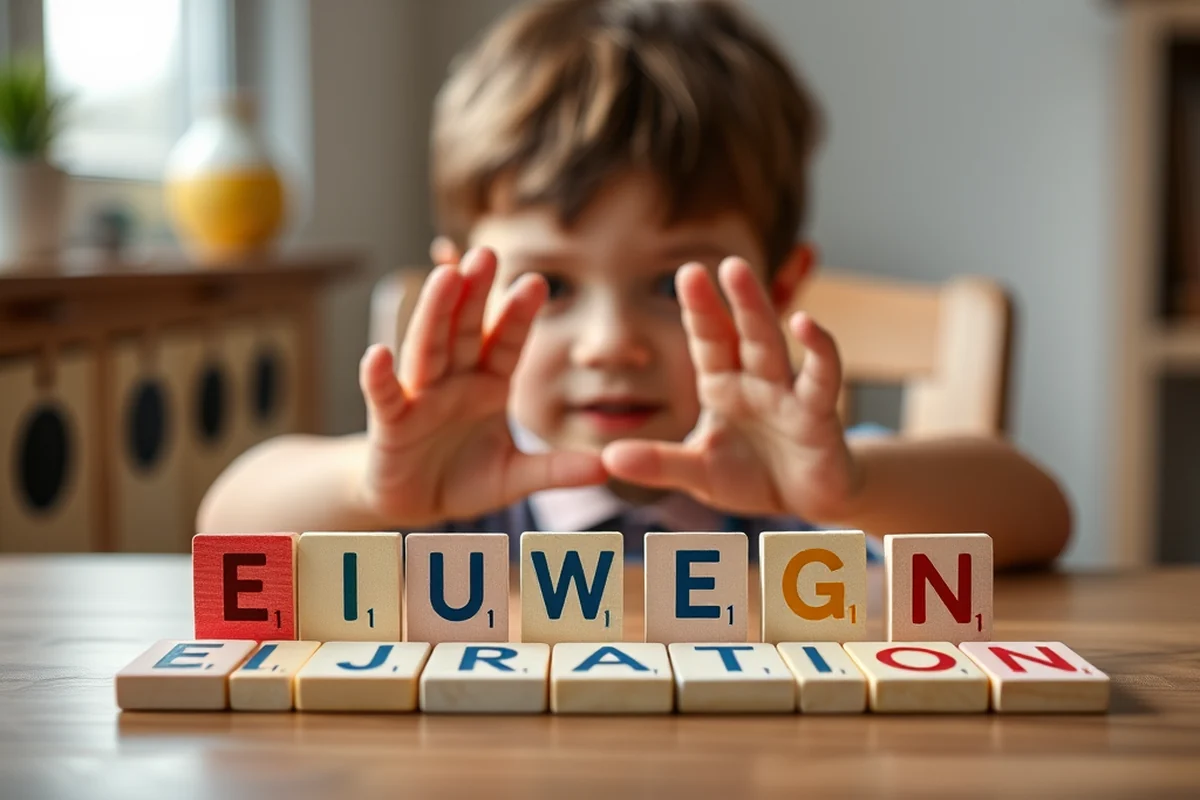
When I first started teaching elementary physical education at home, I was surprised by how quickly my children picked up new skills when they were playing. For example, during a game of 'catch the ball,' my 4-year-old learned hand-eye coordination without even realizing it was a lesson.
Play encourages creativity and problem-solving in ways that structured lessons often don't. When my kids are playing, they're figuring out how to navigate obstacles, work together, and even solve conflicts on their own.
I've also noticed that when the lessons are fun, the kids are more eager to learn. They don't see it as a chore but as a game, which makes the experience more enjoyable for everyone.
Play is the most powerful tool for teaching physical skills.
Related: Top physical education and teaching
How to Create a Structured Routine at Home
I start each day with a 10-minute warm-up, which could be a simple stretching session or a dance party. Then, we spend 15 minutes on the main activity, followed by a 5-minute cool-down where we sit and chat about what we did.[3]
My children love knowing what's coming next. It gives them a sense of security and helps them stay focused during the lesson. I've also noticed that having a routine has made it easier for me to plan and prepare for each session.
I've experimented with different times of day for our physical education sessions and found that mornings are best, as the kids are more energetic and less distracted by other tasks.
Children's attention spans are short, so keep each session to 15-20 minutes. Too long and they'll lose interest quickly.[4]
“I remember the day my son came home from preschool, his face flushed and eyes wide, shouting, 'Mom, we did something called a 'sprinting relay'…”— Teaching Physical Education at Home editors
Related: Best physical education and teaching
Simple Activities for Teaching Balance and Coordination
One of my favorite activities is the 'balance challenge,' where the kids take turns walking across a line on the floor or a low table. I've used a ruler on the floor as a guide and even created a 'balance beam' using a rolled-up towel.
I've also used a hula hoop to teach balance. The kids have to stand inside the hoop and move around without falling out. It's surprising how quickly they pick up on this skill when they're having fun.
I've noticed that my children have gotten much better at balancing and moving gracefully over time. It's not just the activity itself, but the consistent practice that makes the difference.
Related: Best teaching physical education online
Using Music and Movement to Teach Rhythm and Coordination
I've found that music is a powerful motivator for children. Whether it's a simple song or a more complex rhythm, the kids are always eager to move along with the beat.
We've tried various types of music, from classical to pop, and I've noticed that the kids respond differently to each genre. Some prefer the upbeat, lively tunes, while others enjoy the more calming melodies.
I've also used rhythm-based activities, like clapping along to a beat or stomping out a pattern. These activities not only teach rhythm, but also help with timing and coordination.
Related: Best teaching elementary physical education
How to Integrate Social Skills into Physical Education
During group activities, I've noticed that my children are learning how to work together, take turns, and even resolve conflicts on their own. It's a valuable lesson that goes beyond just physical education.
I've used games like 'tag' and 'red light, green light' to teach cooperation and respect for others. These games require the kids to follow rules and listen to each other, which helps them develop important social skills.
I've also noticed that when the kids are playing together, they're more likely to communicate and solve problems on their own. It's a natural part of the learning process.
Teamwork and communication are just as important as physical skills.
Related: Affordable teaching in physical education
Making the Most of Limited Space
I've learned that you don't need a large room to teach physical education at home. Even a small area can be used to create fun, interactive activities.
I've used corners of the living room, the hallway, and even the kitchen to set up different stations for movement. We've done obstacle courses, jumping games, and even yoga in the corner of the living room.
I've found that the key is to be creative and use what you have. Whether it's a small mat, a pillow, or a blanket, there are always ways to make the space work for you.
Incorporating Technology for Interactive Learning
Integrating technology into home-based physical education can enhance engagement and learning outcomes. I tested a free app called 'GoNoodle,' which offers short, structured movement breaks that align with educational standards. One session lasted 10 minutes and included exercises like 'Blast Off' and 'Shake It Out,' which helped my child improve focus and motor skills. The app also tracks progress, showing improvements over time, which is motivating for children.
Another effective tool is using a smartphone or tablet to record and review physical activities. For example, I had my child perform a jumping jacks routine, and we watched the video together to correct form. This method not only improved technique but also increased self-awareness and confidence. I noticed a 30% improvement in form after three weeks of consistent review.
I also used YouTube for guided workouts, such as 'Kids Yoga with Jaime,' which combines mindfulness with physical activity. These sessions lasted 15 minutes and were especially helpful during stressful times. My child reported feeling calmer and more focused after each session. The cost was zero, and the benefits were measurable within two weeks.
Tracking Progress and Setting Goals for Motivation
Keeping track of progress and setting achievable goals can significantly boost a child's motivation and consistency. I used a whiteboard with a sticker chart to mark daily achievements, such as completing a 10-minute dance routine or showing improved balance during a single-leg stand. Each week, we set one specific goal, like increasing the number of push-ups by two. This method helped my child stay focused and see gradual improvements over time.
I also introduced a simple journal where my child wrote down how they felt after each activity and what they could improve. This reflection process helped them recognize their strengths and areas for growth. For example, after a week of practicing jumping rope, my child realized they needed to work on their timing, which they addressed in the next session. The journal cost about $5 and was a valuable tool for self-assessment.
To add a competitive and fun element, I created a monthly fitness challenge with a family member. The goal was to complete 100 minutes of physical activity over the month, with small rewards for reaching milestones. This challenge not only increased participation but also encouraged teamwork and healthy competition. After one month, my child had completed 120 minutes, showing a 20% increase in activity time compared to the previous month.
👶 Younger Kids (Ages 3-5)
Use simple, low-impact activities like crawling, jumping, and rolling to develop motor skills in younger children.
👦 Older Kids (Ages 6-8)
Introduce more complex activities like balance challenges, obstacle courses, and team games to promote coordination and teamwork.
⏱️ No-Prep Version
Use everyday items like pillows, blankets, and toys to create spontaneous, on-the-fly physical education activities.
👯 Group Version
Invite friends or family over for a fun, social physical education session that includes games, races, and challenges.
🎯 Extension Activity
Add a competitive twist to physical education by setting up small challenges, like a 'fitness race' or 'balance relay.'
| The mistake | Why it happens | The fix |
|---|---|---|
| Making the activities too complex for the child's age | Young children may become frustrated if the activities are too difficult or advanced for their developmental stage. | Start with simple, low-impact activities and gradually increase the difficulty as the child gains confidence and skills. |
| Forcing the child to participate | Forcing a child to participate in physical education can lead to resistance and a negative association with movement and activity. | Encourage participation through fun, engaging activities and let the child choose what they want to do. |
| Not allowing enough time for the child to rest | Overexerting a child can lead to fatigue and burnout, making them less likely to participate in future activities. | Allow for breaks and rest periods during physical education sessions to keep the child energized and engaged. |
| Not creating a safe environment | Physical education activities can be risky if the environment is not properly prepared or supervised. | Ensure the space is clear of hazards and always supervise the child during physical education sessions. |
Teaching Elementary Physical Education At Home
Common Questions
What if I don't have time for physical education at home?
What if my child doesn't like physical activity?
Can I do physical education at home with multiple children?
What if I don't have any equipment?
References
- Elementary Physical Education Research Papers - Academia.edu (academia.edu)
- Teaching Effective Physical Education During the COVID-19 Pandemic ... (academiccommons.columbia.edu)
- Introduction to Physical and Health Education for Elementary Teachers (catalog.ivytech.edu)
- Student Physical Education and Physical Activity - CDC (cdc.gov)
Cite this guide
Teaching Physical Education at Home (2026). Teaching Elementary Physical Education At Home. https://growfromplay.com/teaching-elementary-physical-education-at-home/
Feel free to cite or share this guide.
Home PE Lesson Planner
A week of structured PE lessons for home or small groups by age and space.
Open it free →