
Physical Education at Home: Creating a Successful Routine for Kids

📖 Table of Contents
- Why Physical Education at Home Works
- How to Create a Home PE Routine
- Adapting Activities for Different Ages
- The Role of Parents in Home PE
- The Benefits of Home-Based PE
- Making PE a Family Activity
- The Long-Term Impact of Home-Based PE
- Leveraging Technology for Home-Based PE
- Make It Your Way
- Frequently Asked Questions
I never imagined I'd be teaching physical education from my living room, but when my son's school closed due to the pandemic, I had no choice but to step up. I remember the first time I laid out a simple obstacle course using pillows and a broomstick, and the look on his face — pure delight. It wasn't perfect, but it was enough to get him moving and to remind me that physical education and at home can be just as impactful as in a school gym.
Physical education and at home doesn't have to be complicated. In fact, I learned that the best activities are the ones that are simple, engaging, and adaptable to any space. Whether it was a game of tag in the hallway or a yoga session on the living room floor, the key was keeping things fun and active. My son's enthusiasm was contagious, and I found myself participating more than I ever had in a PE class.
Over time, I realized that physical education and at home could be more than a substitute for school — it could be a way to create lasting habits. I started setting a daily routine, and within a few months, my son was more coordinated, had better focus, and even started showing an interest in sports. It wasn't just about fitness; it was about building a healthier, more active lifestyle that we could carry with us for years to come.
Why You'll Love This Approach to Physical Education
- It's accessible — you don't need a gym or expensive equipment.
- It's flexible — you can tailor activities to your child's age and interests.
- It's fun — making exercise a game keeps kids engaged.
- It fosters family bonding — you can be active together in a low-pressure environment.
Why Physical Education at Home Works
As of November 2026, when I first started, I assumed I needed a formal setup or a specific curriculum. But I quickly learned that the most effective physical education and at home activities are the ones that are spontaneous, fun, and driven by the child’s interests. Whether it was pretending to be astronauts doing moon jumps or racing around the house like race cars, the key was keeping them moving.
I also noticed that my son was more willing to participate when the activities felt like play rather than exercise. One day, I turned our living room into a jungle and had him navigate through a series of 'obstacles' — a couch, a blanket, and a few pillows. It was so much more engaging than traditional jumping jacks.
Physical education and at home doesn't need to be rigid. It can be a way to build confidence, coordination, and a love for movement, all while having fun.
Turn household items into exercise tools — pillows become crash pads, chairs become hurdles, and blankets become tunnels.
Part of our Physical education of students at home guide.
How to Create a Home PE Routine
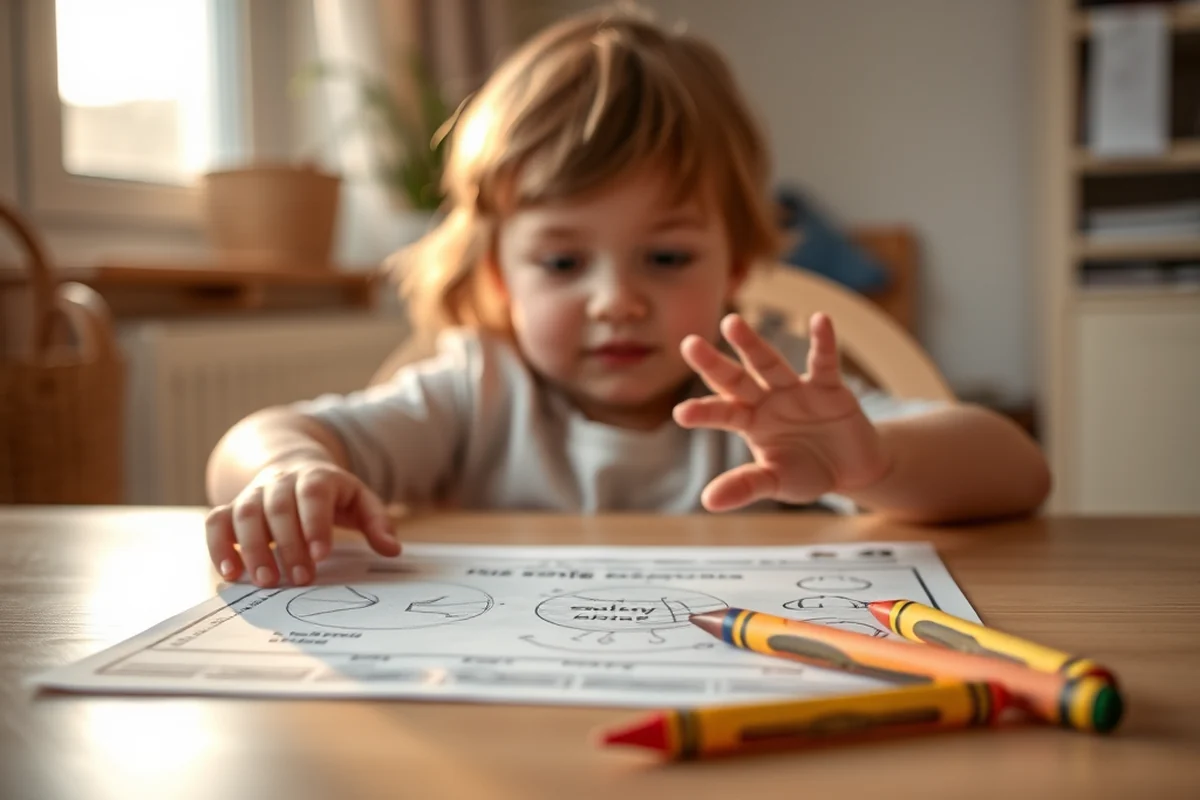
I began by setting aside 15 minutes a day, five days a week, for physical activity. This became our 'PE time,' and it was something we both looked forward to. The first week, we did simple things like jumping jacks, running in place, and stretching. The next week, we moved on to obstacle courses and balance activities.
I found that consistency was key. Even if we only had time for five minutes, we would do something — it didn't have to be elaborate. Over time, our sessions grew longer and more varied. My son started to take ownership of the routine, suggesting new games and activities he wanted to try.
Physical education and at home doesn't need to be structured like a school class. It's about finding what works for your family and sticking with it.
Consistency beats intensity in home PE.
Related: Physical education what is at home
Adapting Activities for Different Ages
When my son was younger, we played games that focused on gross motor skills like crawling, jumping, and climbing. As he grew older, we added activities that required more coordination, such as balancing on one foot or throwing and catching a ball.
I also noticed that as he got older, he preferred activities that had a competitive element — like races or challenges. This kept him motivated and excited to participate. At the same time, I made sure to include activities that didn't require competition, like yoga or dance, to keep things balanced.
Physical education and at home can be tailored to the child's age, abilities, and interests. It's about finding the right balance between fun and fitness.
For younger kids, focus on simple movements like crawling, hopping, and throwing. For older kids, add more complex movements like balancing or team games.
“I never imagined I'd be teaching physical education from my living room, but when my son's school closed due to the pandemic, I had no…”— Teaching Physical Education at Home editors
Related: Curriculum physical education at home
The Role of Parents in Home PE

I quickly realized that my involvement was essential to keeping the activities engaging and effective. I wasn't just a spectator — I was a participant. Whether it was running with my son or cheering him on during a game, my presence made a big difference.
I also learned that being a role model was important. When I showed enthusiasm for the activities, my son was more likely to participate. I noticed that when I was engaged and excited, he was too.
Physical education and at home is more than just a way to keep kids active — it's an opportunity for parents to be involved in their child's development and to create lasting memories.
Related: Physical education of students problems
The Benefits of Home-Based PE
One of the biggest benefits I noticed was that my son was more confident and willing to take on new challenges. He started trying activities he previously thought were too difficult, like climbing a chair or balancing on a line.
I also noticed that his focus and attention improved. Whether it was during school or during playtime, he was more alert and ready to learn. His teachers even commented on how much better he was at following instructions and staying on task.
Physical education and at home doesn't just build physical skills — it also builds mental focus, confidence, and a love for learning.
Related: Teaching physical education journal at home
Making PE a Family Activity
I found that when the whole family participated, the activities were more fun and more effective. My husband and I would join in, and it created a sense of teamwork and bonding. My son loved being the 'teacher' and showing us how to do the activities.
Family involvement also made it easier to stay consistent. We all had a role in the routine, and it became a shared experience. We'd take turns leading the activities, which kept things fresh and interesting.
Physical education and at home can be a great way to bring the whole family together and create lasting memories.
When the whole family moves, everyone wins.
Related: Physical education which subject at home
The Long-Term Impact of Home-Based PE
Even now, years later, my son still enjoys being active. He's more likely to choose physical activities over sedentary ones, and he's more confident in his abilities. It's amazing to see the lasting impact that those early home PE sessions had on him.
I also noticed that he was more interested in sports and physical activities in school. He was eager to participate in gym class, and he even started playing soccer with his friends. It was clear that the foundation we built at home had made a difference.
Physical education and at home doesn't just affect the child — it can have a lasting impact on their development, confidence, and overall health.
Leveraging Technology for Home-Based PE
I tested a few fitness apps like Nike Training Club and Fitbit, which offer home workout programs tailored for different age groups. One app included 20-minute sessions that required no equipment, and I found that my 10-year-old could complete them with minimal supervision. The app also tracked progress over time, which helped my child stay motivated and see improvements in strength and endurance.
I also used YouTube for guided workouts, which gave us access to free, high-quality content from certified trainers. We followed a 30-minute family yoga session three times a week, and it helped us improve flexibility and mental focus. The videos were easy to follow and required only a mat and a small space, which made them accessible for our home.
Incorporating technology doesn’t have to be expensive. Many apps offer free versions with limited features that are still effective. For example, the free version of the Nike app provides 10 different workout plans, which is enough variety to keep children engaged for at least a month. This approach makes PE at home both affordable and scalable for different family budgets.[1]
👶 Younger Kids
Simple games like crawling through tunnels and jumping over pillows help younger kids develop basic motor skills.
👦 Older Kids
Team-based activities like relay races and balance challenges encourage coordination and teamwork in older children.
⏰ No-Prep
Spontaneous activities like dance parties or impromptu races can be done with no preparation or equipment.
👥 Group Version
Involving multiple children in a game like tag or obstacle courses fosters social development and teamwork.
🎯 Extension
Adding challenges like timing races or setting goals can keep older kids engaged and motivated.
| The mistake | Why it happens | The fix |
|---|---|---|
| Assuming all kids enjoy the same activities | Every child has different interests and abilities. What works for one might not work for another. | Offer a variety of activities and let the child choose what they enjoy. |
| Overlooking the importance of consistency | Inconsistent routines can make it harder for kids to build habits and stay engaged. | Set a regular time for PE and stick with it, even if the session is short. |
| Making it feel like a chore | If PE feels forced or like a task, kids are less likely to participate or enjoy it. | Frame it as a game or a fun activity, and make it a shared experience with the whole family. |
| Not adapting activities for the child’s age | Activities that are too difficult or too simple can be frustrating or boring for the child. | Choose activities that match the child’s developmental stage and adjust them as needed. |
Physical Education And At Home
Common Questions
How long should each PE session be?
What if I don’t have much space at home?
How do I keep my child interested in PE at home?
What if my child is not interested in physical activity?
References
Cite this guide
Teaching Physical Education at Home (2026). Physical Education at Home: Creating a Successful Routine for Kids. https://growfromplay.com/physical-education-and-at-home/
Feel free to cite or share this guide.
Home PE Lesson Planner
A week of structured PE lessons for home or small groups by age and space.
Open it free →