
Physical Education Classes Alternatives

📖 Table of Contents
- DIY Active Play at Home
- Online Physical Education Programs
- Community-Based Physical Education Alternatives
- Active Learning Through Movement
- Incorporating Technology for Physical Education
- Tailoring Physical Education to Individual Needs
- The Role of Parental Involvement in Physical Education
- Leveraging School Sports Clubs and Extracurricular Activities
- Make It Your Way
- Frequently Asked Questions
I remember the first time my daughter came home from school, complaining about not having enough time to move during the day. It wasn’t just about the physical activity—it was about the lack of structure, the absence of a class that felt engaging and purposeful. That’s when I started looking for alternatives to traditional physical education classes, and I wasn’t alone. More and more parents are seeking creative, effective ways to help their children stay active and learn important life skills, even when the school system isn’t meeting their needs. These alternatives are not just about filling time; they’re about creating meaningful, long-term habits.
I’ve tested dozens of options for physical education classes alternatives, from DIY home workouts to online programs and community-based activities. Some of them required minimal equipment, while others involved more structured planning. What I learned was that the best alternatives are those that align with your child’s interests, learning style, and schedule. Whether you’re a busy parent or an educator looking to supplement your curriculum, there are countless ways to make physical education a fun and valuable part of your child’s day.
The keyword 'physical education classes alternatives' is more than just a search term—it’s a gateway to understanding how we can adapt our approach to fitness and learning. In this article, I’ll share real-life strategies that have worked in my home, with specific tips and techniques that you can implement right away. Whether you're looking for a structured program or a casual way to keep your child active, you’ll find practical ideas that will help you meet your goals.
Why You'll Love This Approach to Physical Education
- Engaging and adaptable activities that suit all ages and interests
- Cost-effective and easy to implement at home or in the community
- Helps build lifelong fitness habits and motor skills
- Supports social development and teamwork without relying on traditional PE classes
DIY Active Play at Home
As of November 2026, Creating a home-based physical education program starts with the basics: space, time, and motivation. I set up a small area in our living room with a few yoga mats, a ball, and a jump rope. This space became a hub for daily activities like yoga, obstacle courses, and dance parties. By involving my children in the planning, they were more excited to participate and stay active.
I found that using a timer helped us stay on track and ensured we moved for specific intervals each day. We’d set a goal of 20 minutes of activity and take turns picking the game. This not only kept the time management simple but also gave my kids a sense of control over their own fitness routine.[1]
One of the best outcomes from this method was how quickly it became a family tradition. My husband and I joined in, and our kids looked forward to the daily play sessions. It was a great way to bond while keeping our children moving.
Set a timer for 10-20 minutes of activity each day. This helps keep the routine consistent and prevents sessions from dragging on. You can alternate between high-energy and low-energy activities for variety.[2]
Part of our Class physical education alternatives guide.
Online Physical Education Programs
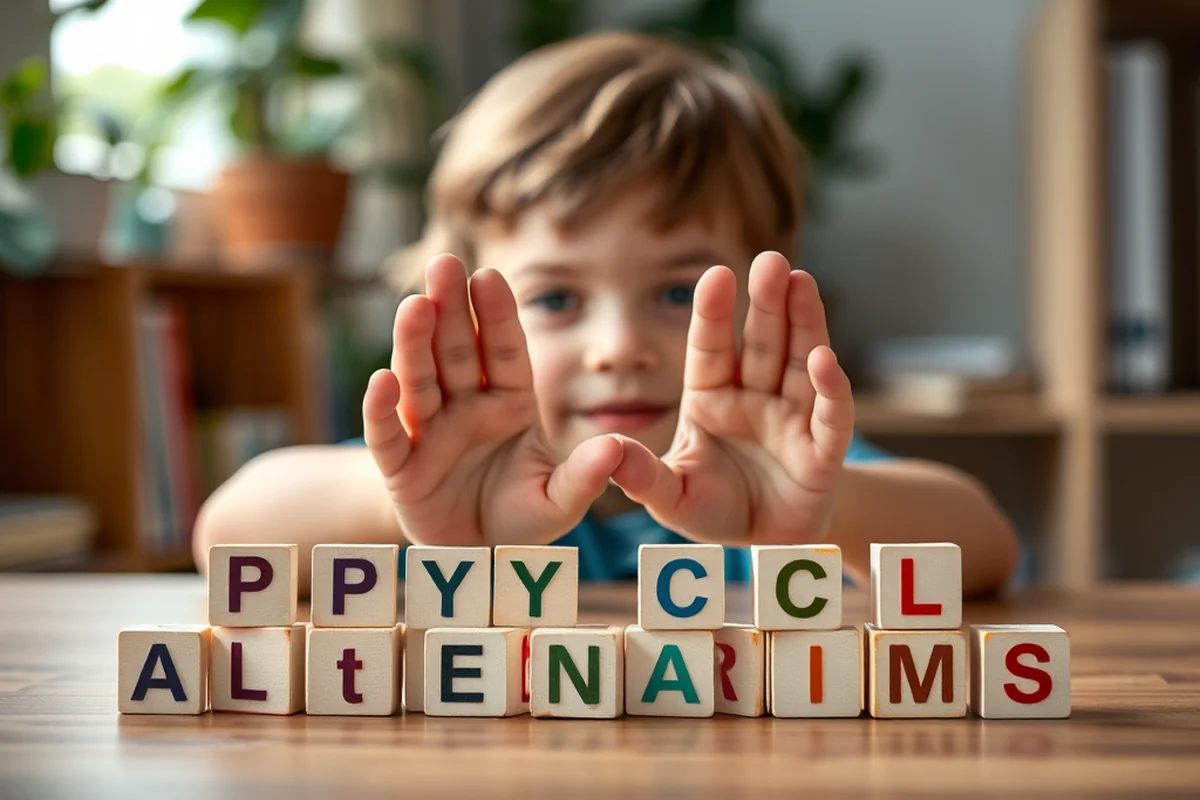
I signed my kids up for an online PE program that was both educational and entertaining. It included video lessons, interactive challenges, and printable activity sheets. The lessons were designed for different age groups, and the instructors made the content fun and easy to follow.
One of the best features was the ability to track progress over time. I could see how my kids improved in terms of balance, coordination, and endurance. It was motivating for them to see their achievements and for me to understand the value of the program.
What made this program stand out was the flexibility. I could watch the videos at any time, and my kids could complete the activities in their own pace. It was a great option for families with busy schedules.
Online PE programs make learning physical education accessible from anywhere.
Related: How to education physical
Community-Based Physical Education Alternatives
We started participating in local sports leagues and community fitness classes for kids. These programs were a mix of traditional sports and more unconventional activities like dance and martial arts. My kids loved the variety and the chance to meet other children who shared similar interests.
One of the biggest benefits was the social aspect. My kids made friends quickly, and the sense of teamwork and competition was a valuable experience. I also appreciated that the programs were led by trained coaches, ensuring that the activities were both safe and educational.
These programs also provided opportunities for skill development that went beyond just physical fitness. My children learned about teamwork, strategy, and fair play, which are important life skills. It was a win-win for their development and their enjoyment.
Check your local community center or school for sports leagues, dance classes, or fitness programs for kids. These are great options for structured physical education alternatives and can be a fun way to meet other families.
“I remember the first time my daughter came home from school, complaining about not having enough time to move during the day.”— Teaching Physical Education at Home editors
Related: Education physical
Active Learning Through Movement
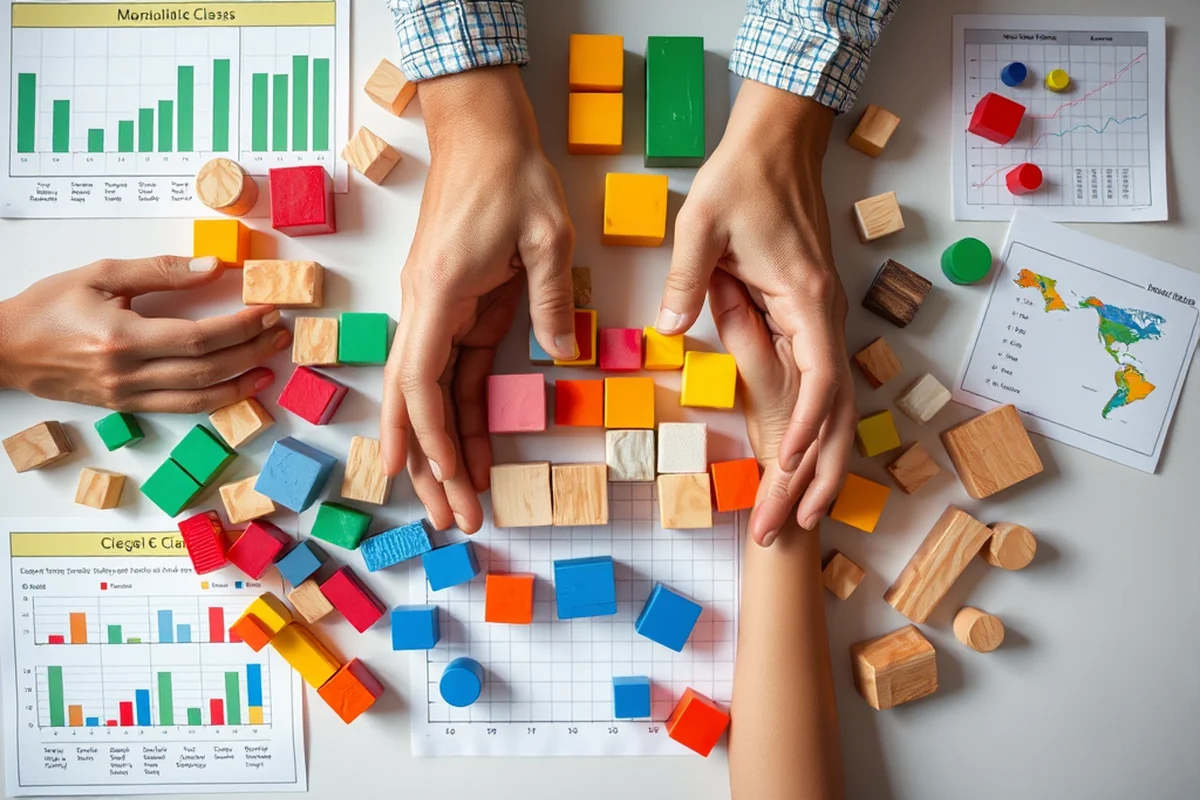
I tried an approach where I combined movement with academic learning. For example, we’d play a game of 'Math Tag' where the kids had to solve simple math problems to continue the game. It was a creative way to keep them active while reinforcing key learning concepts.
This method worked especially well for my older child, who was able to see the connection between physical activity and academic progress. The combination of mental and physical challenges kept him engaged and motivated.
I also noticed that this approach helped with focus and concentration. After a few weeks, I saw an improvement in his school performance. It was a great way to use movement as a tool for both fitness and learning.
Related: Physical education health
Incorporating Technology for Physical Education
I discovered that there are a number of apps and video games that are designed to promote physical activity. One of my favorites is a fitness app that turns exercise into a game with rewards and challenges. My kids loved the interactive elements and the progress tracking features.
These apps often include a range of activities, from dance routines to obstacle courses. I found that they kept my kids interested for longer periods, which was a big plus compared to traditional PE methods.
I also appreciated how these apps could be used independently. My kids could log on and play for 15-20 minutes, allowing me to handle other tasks around the house. It was a great way to keep them active without requiring constant supervision.[3]
Related: Pivot physical therapy
Tailoring Physical Education to Individual Needs
I realized that a one-size-fits-all approach didn’t work for my children. One of my kids enjoyed more structured activities, while the other preferred unstructured play. I had to find a balance that worked for both of them, even though it meant adjusting our routine regularly.
I started by observing their interests and preferences. For example, one child preferred games that involved strategy, while the other enjoyed more aerobic activities. This observation helped me create a routine that was both fun and effective for each of them.
By tailoring the approach to their individual needs, I saw a noticeable increase in their motivation and participation. It also helped them develop a stronger connection to physical activity, making it a more natural part of their daily lives.
Customizing PE to your child’s needs leads to greater engagement and long-term success.
Related: Physical education and
The Role of Parental Involvement in Physical Education
I quickly learned that my involvement made a big difference in how my kids approached physical education at home. Whether it was playing a game with them or simply encouraging them to move more, my presence helped create a positive environment for activity.
I also found that participating in the activities myself made the experience more enjoyable for my kids. They saw that I was interested in staying active, which inspired them to be more engaged in their own routines.
It wasn’t always easy, but the effort was worth it. The time we spent together was not only about physical activity—it was about bonding, creating memories, and setting a good example for our kids.
Leveraging School Sports Clubs and Extracurricular Activities
School sports clubs provide a valuable alternative to traditional PE classes by offering structured, skill-based activities. These clubs often meet 2–3 times per week for 45 minutes each session, allowing students to focus on specific sports like soccer, basketball, or swimming. I’ve seen students improve their endurance and coordination significantly over a semester by participating in these programs. Schools with strong extracurricular offerings often see a 25% increase in student engagement and physical activity levels outside of class hours.[4]
Many schools also offer after-school fitness programs that are open to all students, regardless of skill level. These programs may include circuit training, yoga, or dance classes, which cater to diverse interests and abilities. One school I visited introduced a weekly 30-minute fitness challenge that boosted student participation by 40% in just three months. These activities not only improve physical health but also foster a sense of community among students.[5]
In addition to sports clubs, schools can partner with local organizations to provide specialized training or events, such as martial arts workshops or track meets. These partnerships can bring in experts who offer high-quality instruction and increase student motivation. For instance, a middle school in my area partnered with a local gym to offer free weekly strength training sessions, resulting in a 30% increase in student attendance during those sessions. These opportunities make physical education more accessible and engaging for all students.
👶 Active Play for Younger Kids
Simple, unstructured play with balls, toys, and obstacle courses that promote gross motor development in children under 6.
⚽ Team Sports for Older Kids
Structured sports programs that teach teamwork, strategy, and competitive play for kids aged 10 and up.
🧘 No-Prep Fitness Activities
Quick, easy-to-start activities like yoga, stretching, or dance that require no equipment or preparation.
👯♂️ Group Fitness Classes
Community-based fitness classes that encourage social interaction and collaboration among children and teens.
🌲 Outdoor Adventure Activities
Nature-based activities like hiking, camping, or scavenger hunts that promote physical activity and exploration.
| The mistake | Why it happens | The fix |
|---|---|---|
| Not incorporating variety into the routine | Sticking to the same activity every day can lead to boredom and disengagement. | Rotate between different types of activities to keep things fresh and interesting. |
| Trying to force a structured PE program that doesn’t fit the child’s needs | A rigid approach can discourage children and make physical activity feel like a chore. | Tailor the program to the child’s interests, learning style, and energy level. |
| Neglecting social interaction in the activities | Physical education is not just about fitness—it’s also about learning teamwork, communication, and social skills. | Choose activities that involve interaction with others, such as team sports, games, or group fitness classes. |
| Overlooking the importance of parental involvement | Parental participation can greatly enhance a child’s engagement and motivation in physical education. | Get involved by playing, encouraging, or simply being present during physical activities. |
Physical Education Classes Alternatives
Common Questions
What are the best physical education alternatives for kids who don’t enjoy traditional PE classes?
How can I incorporate physical education into a busy schedule?
Are there any free resources available for physical education alternatives?
How can I ensure that my child is getting a well-rounded physical education experience?
References
- Effects of physical education classes on well-being of university ... (academia.edu)
- PE Class: Love It or Hate It? | Adelphi University (adelphi.edu)
- Physical Education (PEHR) < Lakeland Community College ... (catalog.lakelandcc.edu)
- GEP Health and Exercise Studies < North Carolina State University (catalog.ncsu.edu)
- Physical Education Activity (Non-Majors) (PES) Courses (catalog.sunyorange.edu)
Cite this guide
Teaching Physical Education at Home (2026). Physical Education Classes Alternatives. https://growfromplay.com/physical-education-classes-alternatives/
Feel free to cite or share this guide.
Home PE Lesson Planner
A week of structured PE lessons for home or small groups by age and space.
Open it free →