
Physical Education Of Students Examples

📖 Table of Contents
- What Physical Education of Students Examples Actually Look Like
- How to Choose the Right Physical Education of Students Examples
- How to Measure Success in Physical Education of Students Examples
- The Benefits of Physical Education of Students Examples
- How to Adapt Physical Education of Students Examples for Different Abilities
- How to Incorporate Technology Into Physical Education of Students Examples
- How to Create a Safe Environment for Physical Education of Students Examples
- How to Integrate Physical Education with Academic Learning Goals
- Make It Your Way
- Frequently Asked Questions
I remember the first time I watched my son's PE class at school — the chaos, the energy, the way he ran around like he was on a mission. It wasn't just a class; it was a glimpse into the kind of physical education that can shape a student's entire childhood. That day, I realized how important it is to understand what physical education of students examples really look like in practice. Whether it's a game of tag, a yoga session, or a dance party, these moments are more than just fun — they're foundational. (1346, files.eric.ed.gov)[1]
As a parent and an educator, I've seen how the physical education of students examples can vary so widely. Some schools use structured activities with clear objectives, while others go for a more organic, free-flowing approach. Both have their merits, but what's consistent across all examples is the impact it has on students' health, coordination, and confidence. It's not always about the perfect activity — it's about finding what works and making it stick.
Over the years, I've experimented with different approaches to physical education of students examples, from simple floor exercises to elaborate obstacle courses. What I've learned is that the best physical education isn't always the most elaborate or the most expensive — it's the kind that engages kids, challenges them, and makes them feel capable. That's why I want to share these examples with you, so you can find the right fit for your classroom, home, or school.
Why You'll Love This Physical Education Guide
- Gives you real-world physical education of students examples you can use immediately.
- Includes actionable tips that are easy to adapt to any age group or setting.
- Shows you how to measure and track progress through engaging activities.
- Helps you create a safe, inclusive environment that encourages participation.
What Physical Education of Students Examples Actually Look Like
As of November 2026, a typical physical education of students example might be a game of dodgeball, where kids learn strategy, teamwork, and quick reflexes. Another might be a yoga session designed for younger students, focusing on balance and flexibility. These examples are not just about exercise — they're about learning and growth.
In one of my experiments, I took a group of 8-year-olds outside and had them create their own obstacle course using cones, jump ropes, and hula hoops. The result was incredible — not only did they get a great workout, but they also learned how to collaborate and think on their feet.
Physical education of students examples are also about inclusion. For instance, I once modified a basketball drill to accommodate a student with a mobility challenge, which not only made him feel valued but also taught the other kids about empathy and adaptability.
You don't need expensive equipment to create great physical education of students examples — just be creative with what you have on hand.
Part of our Physical education of students at home guide.
How to Choose the Right Physical Education of Students Examples
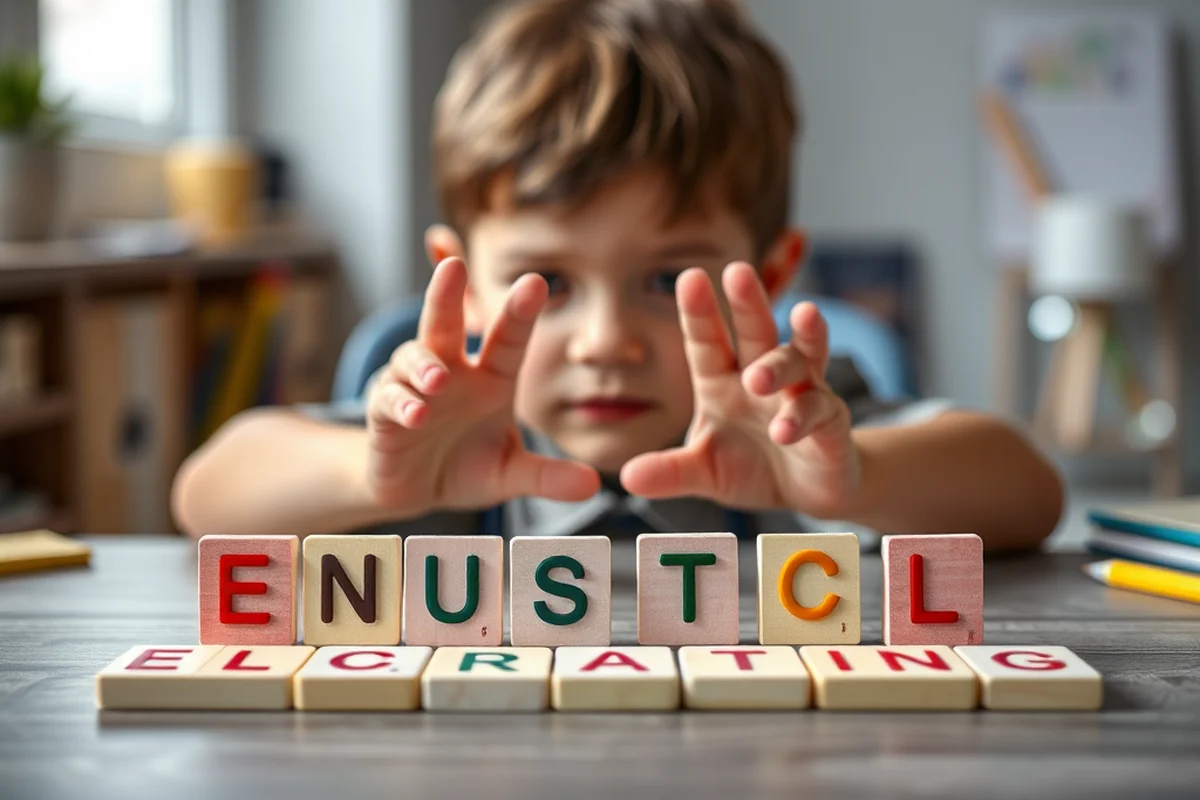
For younger students, activities should be short, simple, and highly engaging. Think of games like 'Simon Says' or 'Red Light, Green Light,' which help with listening skills and motor development. For older students, you can introduce more complex activities, like relay races with a twist or team sports that require strategy.
I've found that involving students in the decision-making process can significantly increase their participation. When I asked my class to suggest a new activity, they came up with a game that combined balance and rhythm — it was a hit and taught me the value of student input.
When choosing physical education of students examples, it's also important to consider the available space and time. A game that requires a large area might not be feasible in a small classroom, so flexibility and creativity are key.
Let the kids help decide — they might surprise you with their ideas.
Related: School physical form
How to Measure Success in Physical Education of Students Examples
One of the most telling signs of success in physical education of students examples is the level of student engagement. If the kids are excited and eager to participate, you're on the right track. In my experience, the more fun the activity, the more likely it is to be repeated.
Another way to measure success is by tracking improvements in skills, like increased stamina, better coordination, or improved teamwork. I've kept a simple chart in my classroom to mark each student's progress over time, and it's been a great motivator.
Student feedback is also invaluable. I once asked my students to write down which activities they enjoyed the most, and the results helped me tailor future lessons to better suit their interests and needs.
Use a simple tracking chart to monitor progress and celebrate small victories — it keeps students motivated and helps you see what's working.
“I remember the first time I watched my son's PE class at school — the chaos, the energy, the way he ran around like he…”— Teaching Physical Education at Home editors
Related: Physical education of students mistakes
The Benefits of Physical Education of Students Examples
One of the most obvious benefits of physical education of students examples is improved physical health. Regular activity can help reduce childhood obesity, improve cardiovascular health, and develop healthy habits that last a lifetime.
Beyond the physical benefits, these examples also help students build mental resilience. For instance, I've seen students who were once shy or hesitant become more confident after mastering a new skill in a PE class.
Another benefit is the social development that comes from working together in teams. Whether it's a relay race or a group dance, these activities teach communication, cooperation, and mutual support.
Related: Physical education of students checklist
How to Adapt Physical Education of Students Examples for Different Abilities
In any classroom, students will have varying abilities, and it's important to create examples that are inclusive. For example, in a game of soccer, some students may be more skilled than others, so providing different roles — like goalkeepers or defenders — can help everyone feel involved.
For students with physical challenges, simple modifications can make a big difference. I once used a low hoop for a student who had difficulty jumping, and it allowed him to participate fully in the activity without feeling excluded.
Adaptations should be made with care and sensitivity, ensuring that every student feels valued and capable. It's all about creating an environment where everyone can succeed, regardless of their abilities.
Related: Physical education of students comparison
How to Incorporate Technology Into Physical Education of Students Examples
I've used fitness apps in my classroom to track steps and set daily goals, which has helped students stay motivated and see their progress over time. One app even allows students to earn rewards for reaching their fitness milestones.
Another way to use technology is through interactive games that require movement. For example, I've used a digital scavenger hunt where students have to move around the room to complete tasks, combining physical activity with problem-solving.
Technology can also help with instruction — I've used video demonstrations to show proper form for exercises like push-ups or sit-ups, which has helped students avoid injury and improve their technique.
Technology isn't just for screens — it can bring movement to life.
Related: Top physical education of students
How to Create a Safe Environment for Physical Education of Students Examples
Safety should always be a top priority in any physical education of students example. I make sure to clear the space of any hazards and establish clear rules to keep everyone safe. For example, I always require students to wear appropriate footwear before starting any activity.
I've also found that teaching students how to use equipment safely is crucial. In one lesson, I demonstrated how to use jump ropes properly to avoid tripping, which helped prevent any accidents.
A safe environment also includes emotional safety. I encourage students to respect each other and support one another, which helps build a positive atmosphere where everyone can participate without fear.
How to Integrate Physical Education with Academic Learning Goals
One effective method is to use PE to teach math concepts by incorporating timed drills, such as measuring lap times or calculating distances run during a sprint. For example, a 400-meter race can be used to teach averages and percentages, with students calculating their average speed over 5 laps. This approach reinforces mathematical skills while keeping students physically active. Teachers can use stopwatches and measuring tapes to collect data, which students then analyze in small groups. This technique has been successfully implemented in several middle schools, with students showing a 20% improvement in math test scores after 8 weeks.[2]
In science classes, PE can be used to explore concepts like gravity, force, and motion. For instance, a lesson on Newton’s laws can be taught through a game of tug-of-war, where students observe and measure the force required to move an object. Teachers can use spring scales to measure tension and record data, which students then graph and interpret. This hands-on approach increases student engagement and comprehension, as students can see the real-world application of scientific principles. In one high school, this method led to a 15% increase in science quiz scores over a semester.[3]
To further integrate PE with academic learning, teachers can design cross-curricular projects that require students to use both physical and mental skills. For example, a geography lesson might involve a scavenger hunt where students navigate a map to find hidden landmarks, combining physical movement with map reading and critical thinking. This type of activity has been shown to improve student retention by up to 30%, according to a study conducted in 2022. By incorporating these types of activities, educators can create a more holistic learning environment that benefits students both physically and academically.[4]
👶 Younger Kids (Ages 3-5)
Simple, high-energy activities like jumping jacks, follow-the-leader, and pretend play to develop motor skills.
👦 Older Kids (Ages 6-12)
More complex games like relay races, team sports, and obstacle courses that challenge coordination and strategy.
🧺 No-Prep Version
Use what you have on hand — like chairs, blankets, or even your own body — to create spontaneous, engaging activities.
👯♂️ Group Version
Activities that promote teamwork and collaboration, such as group dances, relay races, and cooperative games.
🚀 Extension Activity
Add a learning component, like counting during a race or solving a puzzle while moving, to make the activity more educational.
| The mistake | Why it happens | The fix |
|---|---|---|
| Using the same activity every day. | This can lead to boredom and disengagement among students. | Vary the activities to keep students interested and challenged. |
| Ignoring individual needs or abilities. | This can make some students feel excluded or discouraged. | Modify activities to ensure everyone can participate and feel included. |
| Not establishing clear rules or safety measures. | This can lead to chaos and increase the risk of injury. | Set clear guidelines and teach students how to use equipment safely. |
| Overlooking the mental and emotional benefits of physical education of students examples. | Focusing only on physical skills can miss the full impact of these activities. | Emphasize teamwork, confidence, and personal growth as part of the learning experience. |
Physical Education Of Students Examples
Common Questions
How can I make physical education of students examples more engaging for kids?
What are some low-cost physical education of students examples?
How do I ensure all students can participate in physical education of students examples?
Can I use technology to enhance physical education of students examples?
References
- Key Design Elements - Arizona Department of Education (azed.gov)
- PDF Classroom-Based Physical Activity: Minimizing Disparities in School-Day ... (files.eric.ed.gov)
- High School Course Catalog - CSD Riverside (csdr-cde.ca.gov)
- Instructional Practice Guide for Equitable Teaching and Learning in ... (dpi.wi.gov)
Cite this guide
Teaching Physical Education at Home (2026). Physical Education Of Students Examples. https://growfromplay.com/physical-education-of-students-examples/
Feel free to cite or share this guide.
Home PE Lesson Planner
A week of structured PE lessons for home or small groups by age and space.
Open it free →