
Types Of Physical Education Resources

📖 Table of Contents
I remember the first time I tried to teach my son about physical education at home. He was five, and I had no idea where to start. I had a vague idea that it involved running and jumping, but I didn't know how to make it engaging or educational. It was overwhelming, and I quickly realized that I needed resources — not just random games, but structured, developmentally appropriate tools that could help both of us learn. That's when I began researching the types of physical education resources that could turn this chaotic, haphazard effort into a meaningful, fun experience.[1]
As I delved deeper, I discovered that physical education resources come in many forms. Some are digital, like online platforms with lesson plans and interactive videos. Others are hands-on, like equipment for yoga or balance activities. I even found programs designed specifically for home use, with clear instructions and age-appropriate activities. This diversity of resources was both confusing and exciting. I wanted to know which types were most effective, which ones I could afford, and which ones would fit our home environment and my son's interests.[2]
Through trial and error, I learned that the best physical education resources are those that are adaptable, engaging, and aligned with developmental goals. I realized that I wasn't just looking for a list of games or exercises — I needed a way to integrate physical education into our daily lives in a way that felt natural and fun. The key was understanding the different types of physical education resources and how they could support my child's growth, both physically and cognitively. That's why I'm writing this article: to help you handle the world of physical education resources with confidence and clarity.[3]
Why You'll Love This Guide to Physical Education Resources
- Discover affordable, high-quality resources for every age and ability level.
- Learn how to choose the right tools to support your child's development.
- Get practical, actionable advice on integrating physical education into your daily routine.
- Find creative, research-backed activities that make learning fun and effective.
Digital Resources for Physical Education
As of November 2026, Digital platforms are a game-changer for parents looking to teach physical education at home. From YouTube videos to educational apps, these tools offer structured lessons, interactive activities, and progress tracking. For example, I found a free app that guides children through a series of age-appropriate exercises, complete with timers and achievement badges. These resources are especially helpful for busy parents who need flexibility and convenience.
One of the biggest advantages of digital resources is that they can be accessed anytime, anywhere. I’ve used online videos during our home workouts, and they’ve helped keep my son motivated and focused. The best part? Many of these resources are free or low-cost, making them accessible to families with different budgets.
Digital tools are also great for reinforcing learning. For example, there are apps that teach kids about body parts, balance, and coordination through interactive games. I’ve noticed that my son has become more aware of his body after using these apps, which is a huge plus for his physical development.
Look for digital resources that match your child’s developmental stage. Many apps and videos have age ratings, so you can find the best fit for your family.
Part of our Physical education resources step by step guide.
Hands-On Equipment and Tools
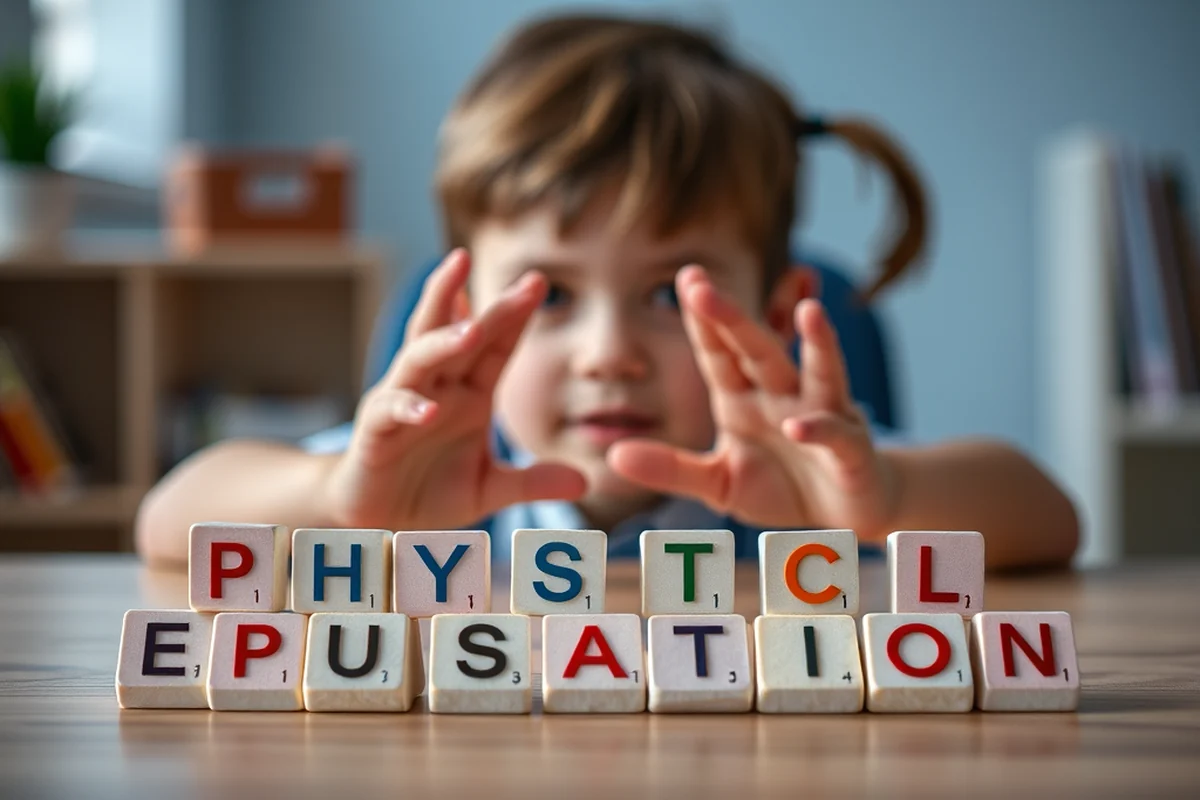
Physical education isn't just about movement — it’s about using tools that challenge and engage children in different ways. Equipment like balance beams, jump ropes, and yoga mats help children develop strength, coordination, and focus. When I first bought a small balance beam for our home, I was amazed at how quickly my son learned to walk on it confidently.
Hands-on tools are especially valuable for younger children who are just beginning to explore their physical abilities. For example, I found a set of colorful balls that help with hand-eye coordination and throwing skills. These tools are also great for parents who want to create a dedicated space for physical education activities.
The best part about hands-on equipment is that it can be used in a variety of ways. A single balance beam can be used for walking, crawling, and even jumping. I’ve found that using these tools regularly helps children build muscle memory and confidence in their physical abilities.
Equipment turns abstract concepts into real, tangible experiences.
Related: Teaching physical education for learning 7th ed step by step
Printable and DIY Resources
If you're on a tight budget, printable and DIY resources are a great option. I’ve used printable obstacle course templates that I print on cardstock and tape to the floor. These are fun, easy to set up, and can be customized to fit your child’s abilities and interests.
DIY resources are also a great way to get creative. For example, I used pool noodles to make a makeshift balance beam and rolled-up towels to create hurdles. These materials are inexpensive and can be reused for multiple activities.
Printable and DIY resources are also highly customizable. I found a printable chart that tracks my son's progress in different physical education skills, like jumping, throwing, and balance. This has helped me see how far he's come over time.
Look around your home for items you can repurpose for physical education. Towels, blankets, and cardboard boxes can all be turned into fun learning tools.
“I remember the first time I tried to teach my son about physical education at home.”— Teaching Physical Education at Home editors
Related: Physical education and step by step
Structured Programs and Curricula
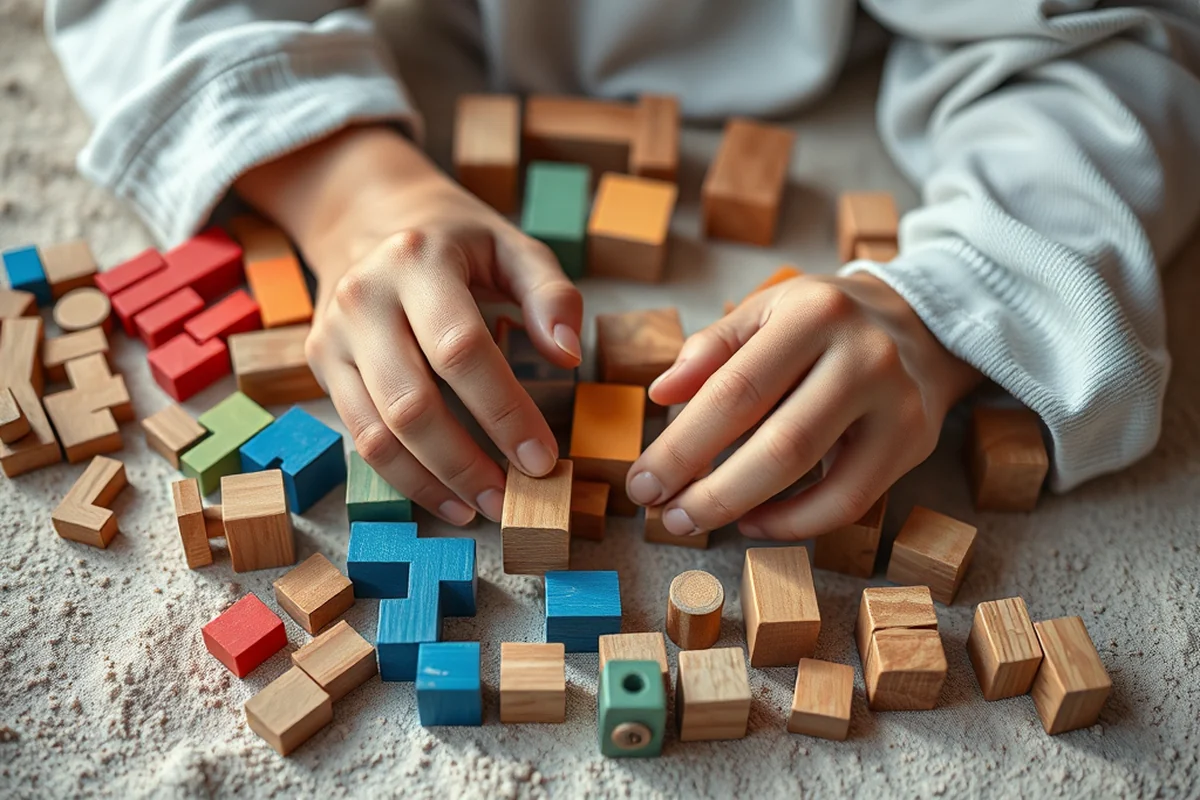
Structured programs are designed to guide parents through a complete curriculum of physical education activities. These programs often include lesson plans, printable worksheets, and progress tracking tools. I’ve used one such program that covers a range of topics, from gross motor skills to teamwork and coordination.
These programs are especially helpful for parents who are new to teaching physical education at home. I’ve found that following a structured curriculum helps me stay organized and ensures that I’m covering all the necessary skills. Many of these programs also include video demonstrations, which are a big help for visual learners.
One of the best things about structured programs is that they’re often designed by experts in the field. This means that the activities and lesson plans are research-backed and developmentally appropriate. Using a structured program has helped me feel more confident in the activities I’m offering my son.[4]
Related: Physical education resources templates
Community and Social Resources
Physical education doesn’t have to be a solo activity. Community and social resources like group classes, parks, and sports clubs provide opportunities for children to learn and grow through interaction. I’ve found that taking my son to a local park for soccer and basketball has helped him develop teamwork and social skills.
Group classes are also a great option for parents who want to create a more structured environment for physical education. I’ve participated in a few online group classes with other parents and kids, and it’s been a fun way for my son to interact with peers and learn from a certified instructor.
These resources are especially valuable for children who thrive in social settings. I’ve noticed that my son is more engaged and excited about physical education when he’s with other kids. It’s a win-win for both his development and my peace of mind.
Related: Cheap physical education resources
Inclusive and Adaptive Resources
Inclusive and adaptive resources are designed to accommodate children with different abilities and learning styles. These resources ensure that every child has the opportunity to participate and benefit from physical education. I’ve used adaptive equipment like weighted balls and sensory mats, which have helped my son develop coordination and focus.
Adaptive resources are also great for parents who want to create a more personalized learning experience. For example, I found a set of sensory tools that help children with sensory processing difficulties engage in physical activities without becoming overwhelmed.
These resources are a game-changer for parents who want to ensure that their child feels included and supported. They help create an environment where every child can learn and grow at their own pace.
Inclusive resources make learning accessible to every child.
Related: Physical education resources troubleshooting
Books and Educational Materials
Books and educational materials are a great way to learn more about physical education and find new activities to try at home. I’ve found a few books that provide detailed lesson plans, printable activities, and developmental milestones for different age groups. These have been a huge help in planning our home workouts.
Educational materials like workbooks and activity guides are also useful for reinforcing learning. I’ve used a few that focus on gross motor skills and coordination, and they’ve been great for helping my son track his progress.
Books and educational materials are also a great resource for parents who want to learn more about the science behind physical education. Understanding the theory behind the activities helps me create more effective and engaging lessons for my son.
👶 Younger Kids (Ages 3-6)
Simple, playful activities that develop basic motor skills and coordination.
👦 Older Kids (Ages 7-12)
More complex exercises and games that promote teamwork and endurance.
⏱️ No-Prep Activities
Quick, easy exercises that can be done with minimal equipment or preparation.
👥 Group Activities
Fun, social workouts that encourage collaboration and interaction.
🚀 Extension Activities
Challenging activities that build on basic skills and promote advanced development.
| The mistake | Why it happens | The fix |
|---|---|---|
| Using inappropriate activities for a child’s developmental stage. | Activities that are too advanced or complex can be frustrating and may discourage a child from participating. | Choose activities that match your child’s age, abilities, and interests. Look for resources that are designed for their specific developmental stage. |
| Ignoring the importance of variety and movement. | Focusing on only one type of activity can lead to boredom and limited development in multiple areas. | Incorporate a variety of activities that target different skills, such as balance, coordination, strength, and flexibility. |
| Not setting up a dedicated space for physical education. | Trying to do physical education in a cluttered or unsafe space can be a safety hazard and make the experience less enjoyable. | Create a safe, dedicated area for physical education activities. This will help keep your child focused and minimize the risk of injury. |
| Overlooking the importance of tracking progress. | Without tracking progress, it's difficult to see how your child is developing and what areas need more attention. | Use progress charts, apps, or simple tracking tools to monitor your child’s development and set achievable goals. |
Types Of Physical Education Resources
Common Questions
What are the best physical education resources for young children?
Are there any low-cost physical education resources available?
How can I choose the right physical education resources for my child?
What are the benefits of using structured programs for physical education?
References
- Physical Activity and Physical Education: Relationship to Growth ... (ncbi.nlm.nih.gov)
- Currents Roadmap to Resources - NOAA's National Ocean Service (oceanservice.noaa.gov)
- Defining APE Best Practice for Connectciut Schools - CT.gov (portal.ct.gov)
- Coach Preparation & Licensing | New York State Education ... (nysed.gov)
Cite this guide
Teaching Physical Education at Home (2026). Types Of Physical Education Resources. https://growfromplay.com/types-of-physical-education-resources/
Feel free to cite or share this guide.
Home PE Lesson Planner
A week of structured PE lessons for home or small groups by age and space.
Open it free →