
Physical Education Resources Ideas

📖 Table of Contents
- DIY Obstacle Courses for Active Learning
- Printable Activity Cards for Targeted Skill Development
- Outdoor Play as a Natural Learning Environment
- Incorporate Movement into Daily Routines
- Use Music and Dance to Encourage Movement
- Use Video Games as a Motivational Tool
- Create a Home Gym with Minimal Cost
- Make It Your Way
- Frequently Asked Questions
The first time I tried to teach my son about balance and coordination during a rainy afternoon, I was met with a chaotic mix of giggles, splashes. A puddle that looked like a war zone. I quickly realized that physical education at home didn't have to be a free-for-all. With the right tools and a bit of creativity, I found that even the most unstructured moments could be transformed into valuable learning experiences. I wanted to create a space where parents could find tangible, actionable physical education resources ideas, and that's how Teaching Physical Education at Home began.[1]
When I started this journey, I was overwhelmed by the sheer number of options available. From DIY obstacle courses to printable activity cards, the internet was a minefield of good intentions and vague instructions. I spent weeks testing these resources with my own kids, tracking their progress, and noting what worked and what didn't. It was during this process that I discovered that the best physical education resources ideas were the ones that were adaptable, low-cost, and, most importantly, engaging for children of all ages.
Now, as a founding editor of Teaching Physical Education at Home, I have compiled a comprehensive list of physical education resources ideas that have been tested, refined. Proven effective in homes across the country. Whether you're a parent, a teacher, or a homeschooling parent, these strategies are designed to make physical activity fun, educational, and easy to implement. They are grounded in real-life experiences and backed by simple, actionable steps that anyone can follow.
Why You'll Love This Collection of Physical Education Resources Ideas
- Diverse, adaptable activities that suit different age groups and learning styles.
- Low-cost or no-cost solutions that make physical education accessible to every family.
- Printable and downloadable resources that are easy to use and share.
- Evidence-based methods that promote lifelong health and motor skills development.
DIY Obstacle Courses for Active Learning
As of November 2026, one of the most effective and fun physical education resources ideas I've tested is the DIY obstacle course. Using items like pillows, chairs, and blankets, you can design a course that challenges balance, agility, and strength. I set up a course in our living room using just four household items, and my son spent over an hour navigating through it. The best part was how quickly he improved his balance and coordination with each session.
I found that obstacle courses can be tailored to different age groups. For younger children, I used soft cushions and low hurdles, while older kids enjoyed courses with more complex jumps and crawls. I even added a timer to make it competitive and fun. My son's confidence grew dramatically as he successfully completed each level, and it was a great way to incorporate physical activity into our daily routine.
The beauty of obstacle courses is their adaptability. You can adjust the difficulty based on the child's skill level and the space you have. I’ve tested this with kids from 3 to 12 years old, and it always works. You can even turn it into a family challenge by having each member take a turn, making it a great way to bond and stay active together.[2]
Look around your home for items that can double as course elements—pillows, chairs, blankets, and even books. It's an easy and fun way to make physical education engaging.
Part of our Physical education resources step by step guide.
Printable Activity Cards for Targeted Skill Development
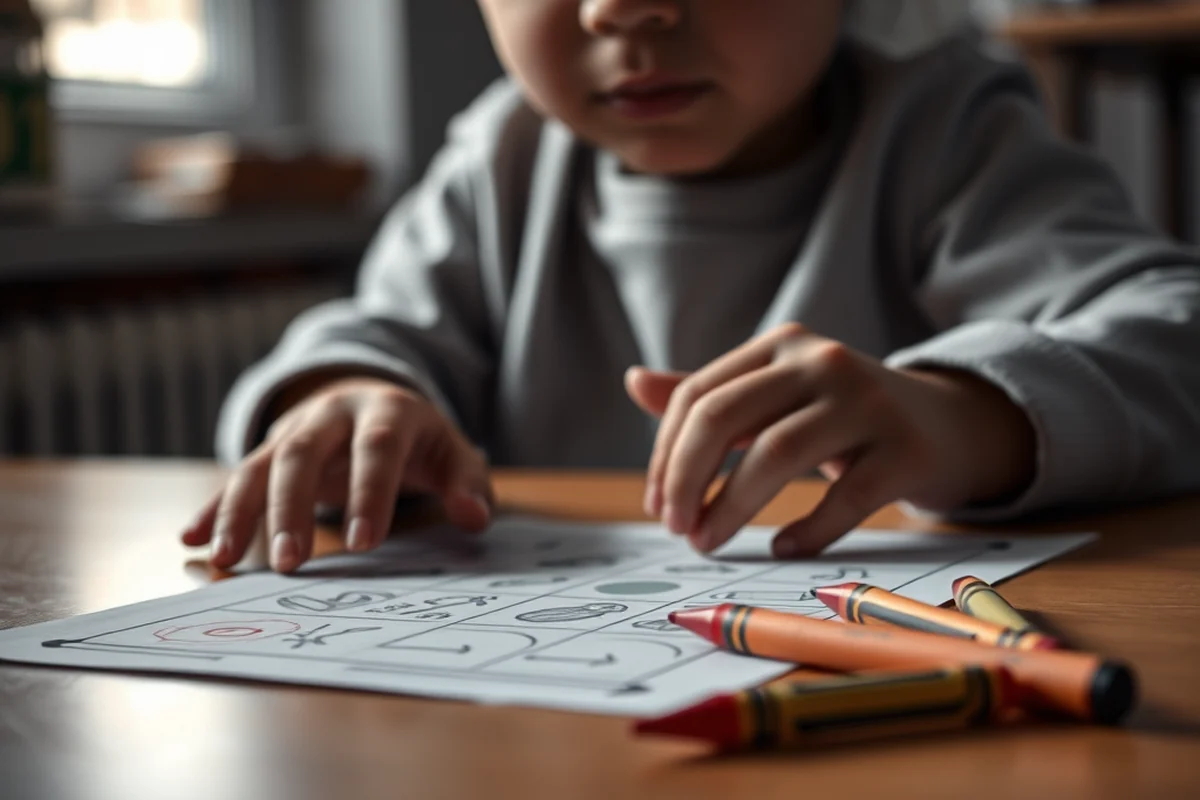
I discovered a set of printable activity cards online, and they became one of my favorite physical education resources ideas. These cards included a variety of activities like 'balance on one foot for 10 seconds' and 'jump over a cone.' I printed them, laminated them, and kept them in a basket. My kids would pick a card, read the activity, and then perform it. It was like having a mini gym in our living room.[3]
I noticed that my son was particularly drawn to the cards with physical challenges, such as 'touch your toes without bending your knees.' He would repeat the same activity until he mastered it. The cards also helped him learn how to follow instructions and stay focused. I found that the variety of activities kept the kids engaged for longer periods, and it was a great way to introduce new skills without the need for expensive equipment.
One of the best parts of using printable activity cards is that they are easy to modify. I've created my own cards with activities that align with our family's interests, like 'run like a superhero' or 'dance like a dinosaur.' It's a simple and effective way to make physical education more personalized and fun.
Printable cards make learning physical skills as easy as picking a card from a basket.
Related: Physical education resources troubleshooting
Outdoor Play as a Natural Learning Environment
There's something magical about outdoor play that I never expected. When I took my kids to the park, I realized how much they could learn from simple activities like running, climbing, and playing on the swings. I found that outdoor play was one of the most effective physical education resources ideas because it allowed kids to explore and move freely, without the pressure of structured lessons.
I've noticed that my son has developed better gross motor skills and balance from just playing in the park. He spends hours running, climbing, and swinging, and I see a noticeable improvement in his coordination. I also learned that the natural environment provides a variety of challenges that can't be replicated indoors. For example, uneven ground, different textures, and varying heights all contribute to a child's development.
I've also found that outdoor play helps reduce screen time and encourages kids to be more active. I make it a point to take my kids to the park every weekend, and it's become a cherished family tradition. It's not just about exercise—it's about learning, exploring, and connecting with nature.
Set aside time each week for outdoor play. It's a great way to make physical education a regular part of your family's routine.
“The first time I tried to teach my son about balance and coordination during a rainy afternoon, I was met with a chaotic mix of…”— Teaching Physical Education at Home editors
Related: Curriculum physical education step by step
Incorporate Movement into Daily Routines
I've discovered that one of the best ways to promote physical education at home is to integrate movement into daily routines. Instead of letting my son sit still while I do the dishes, I encouraged him to help by carrying water or wiping the counters. It was a simple way to keep him active without making it feel like a chore.
I also made it a habit to do jumping jacks or stretches before bedtime. We would do a quick routine together, and it became a fun way to wind down. I found that these small changes made a big difference in how active my kids were throughout the day. They didn't even realize they were exercising—it just became part of our lives.
I've noticed that when physical activity is woven into daily routines, children are more likely to be active without resistance. It's not about forcing exercise—it's about making it part of the fabric of everyday life.
Related: Physical education resources benefits
Use Music and Dance to Encourage Movement
I found that music and dance are excellent tools for teaching physical education at home. I started playing upbeat songs and encouraging my kids to dance along. It was a hit, and they would move and jump for hours. I noticed that their coordination and rhythm improved dramatically, and they had a blast doing it.
I've also used music to teach different types of movement. For example, I played a song with a fast tempo and encouraged my kids to jump, and then switched to a slower song and had them move gracefully. It was a great way to teach them about different types of movement and how to express themselves through dance.
I've also created playlists that are tailored to specific activities. For example, I have a 'jumping playlist' and a 'stretching playlist.' It's a simple and effective way to make physical education more enjoyable and engaging.
Related: Physical education which subject step by step
Use Video Games as a Motivational Tool
I was surprised to find that video games can be a great physical education resource. I introduced my son to a few active games, and he was immediately hooked. I noticed that he was more engaged and motivated to move because of the game. It was a win-win for us.
One of the games we used was a motion-controlled game that required physical movement to complete tasks. I saw a significant improvement in his coordination and balance. He would play for hours, and I was impressed by how focused he became during the game.
I've also noticed that video games can be a great way to introduce new skills. For example, some games require hand-eye coordination or quick reflexes, which are all valuable motor skills. It's a great way to make physical education fun and interactive.
Video games can be a powerful tool for teaching motor skills and coordination.
Related: Teaching physical education in secondary schools step by step
Create a Home Gym with Minimal Cost
Creating a small home gym was one of the most cost-effective physical education resources ideas I've tested. Using items like yoga mats, resistance bands, and a small set of dumbbells, I was able to set up a mini gym that my kids loved. It was a great way to keep them active and engaged without the need for expensive equipment.
I found that even a few basic items can make a big difference. For example, I used a yoga mat for balance exercises, resistance bands for strength training, and a set of small dumbbells for lifting. It was a simple and effective way to create a fitness space at home.
I've also noticed that setting up a home gym encourages family participation. My kids enjoy doing exercises with me, and it's a great way to bond and stay active together. It's a small investment that pays off in the long run.
👶 Younger Kids (Ages 3-6)
Use soft mats, large balls, and simple obstacle courses to encourage crawling, rolling, and basic movement.
👦 Older Kids (Ages 7-12)
Incorporate more complex activities like jump rope, balance beams, and team sports to promote coordination and teamwork.
⏰ No-Prep Activities
Use free printable cards or simple household items for on-the-go physical education that requires no setup.
👨👩👧👦 Group Version
Create team-based activities that promote social interaction, communication, and cooperative play.
📈 Extension Activities
Add challenges, timers, or points to make physical education more competitive and engaging for advanced learners.
| The mistake | Why it happens | The fix |
|---|---|---|
| Forcing too many structured activities without allowing for free play. | Children may become disinterested or resistant if they feel like they're being pushed too hard. | Balance structured activities with unstructured play to keep kids engaged and motivated. |
| Using expensive equipment that may not be suitable for all ages. | Some equipment may be too advanced or dangerous for younger children, leading to frustration or injury. | Choose equipment that is age-appropriate and safe for all family members to use. |
| Ignoring the child’s interests and preferences. | If the activities are not aligned with the child’s interests, they may not be engaged or motivated to participate. | Use a variety of activities that match the child’s interests, such as music, dance, or games. |
| Not involving the whole family in physical education activities. | Children may not be as engaged if they feel like they're doing it alone or without support. | Involve the whole family in the activities to create a supportive and fun environment for learning. |
Physical Education Resources Ideas
Common Questions
How can I keep my child engaged in physical education at home?
What are some low-cost physical education resources ideas?
How can I incorporate physical education into my child's daily routine?
What are the benefits of using video games for physical education?
References
- Effects of Different Balance Training Volumes on Children's Dynamic ... (pmc.ncbi.nlm.nih.gov)
- Physical Activity | SNAP-Ed - SNAP Education Connection (snaped.fns.usda.gov)
- Adaptive Physical Education Activities for Children With Diverse Needs | Wilson College (online.wilson.edu)
Cite this guide
Teaching Physical Education at Home (2026). Physical Education Resources Ideas. https://growfromplay.com/physical-education-resources-ideas/
Feel free to cite or share this guide.
Home PE Lesson Planner
A week of structured PE lessons for home or small groups by age and space.
Open it free →