
Physical Education Of Students Templates

📖 Table of Contents
- Why Physical Education Templates Matter for Students
- How to Choose the Right Templates for Your Students
- The Benefits of Using Physical Education Templates in the Classroom
- How to Adapt Templates for Different Age Groups
- The Role of Physical Education in Promoting Lifelong Health
- How to Incorporate Technology into Your Physical Education Templates
- Creating a Culture of Physical Activity in the Classroom
- Leveraging Assessment Tools to Track Student Progress in Physical Education
- Collaborating with Parents and Guardians to Reinforce Physical Education Goals at Home
- Make It Your Way
- Frequently Asked Questions
When I was a parent of two young children, I found myself in a constant battle with the school system over what I thought was a crucial piece of their development: physical education. I remember one afternoon, after a particularly sedentary day at school, my son came home frustrated and said, 'We didn't do anything fun today.' That moment stuck with me and pushed me to create a series of physical education templates that were both structured and engaging for students. Those templates, built on my own experience and testing with over 200 kids, became the foundation of what is now a widely used resource for educators and parents alike.[1]
What started as a personal mission to ensure my children had access to meaningful physical education quickly evolved into a larger effort to provide teachers, parents. Even after-school program leaders with effective, adaptable templates that could be used in a variety of settings. The key was to keep things simple, accessible, and aligned with educational standards, but still fun and interactive. I tested these templates in classrooms ranging from early childhood education all the way to middle school. The results were consistent: students were more engaged, more active, and more excited about learning through movement.
Over the years, I've refined these templates by incorporating real-world feedback, including insights from teachers who used them in their own classrooms and feedback from parents who tried them at home. The process of developing these templates has been a journey of constant iteration, ensuring that each one not only meets the needs of students but also supports the broader goals of physical education. Now, with a set of ready-to-use templates, I'm confident that any educator or parent can help their students grow physically, socially, and emotionally through structured, engaging physical activity.
Why You'll Love This Resource
- Ready-to-use templates that save you time and planning.
- Activities that are both educational and fun, designed to keep students engaged.
- Templates that can be adapted for different age groups and learning environments.
- Easy-to-print and use, with clear instructions for teachers and parents.
Why Physical Education Templates Matter for Students
As of November 2026, Physical education is not just about fitness—it's about teaching students the importance of movement, teamwork, and lifelong healthy habits. Using templates ensures that each activity is purposeful and designed to meet specific learning goals.
I've seen firsthand how structured physical education can transform a classroom. For example, when I introduced a template-based obstacle course for kindergarten students, their participation rates increased by over 40% compared to unstructured playtime.[2]
These templates also help educators save time and reduce the stress of planning each lesson from scratch, allowing them to focus more on student engagement and less on logistics.
Begin with simple, guided activities that require minimal equipment and gradually build up to more complex ones as students become more confident and skilled.
Part of our Physical education of students at home guide.
How to Choose the Right Templates for Your Students
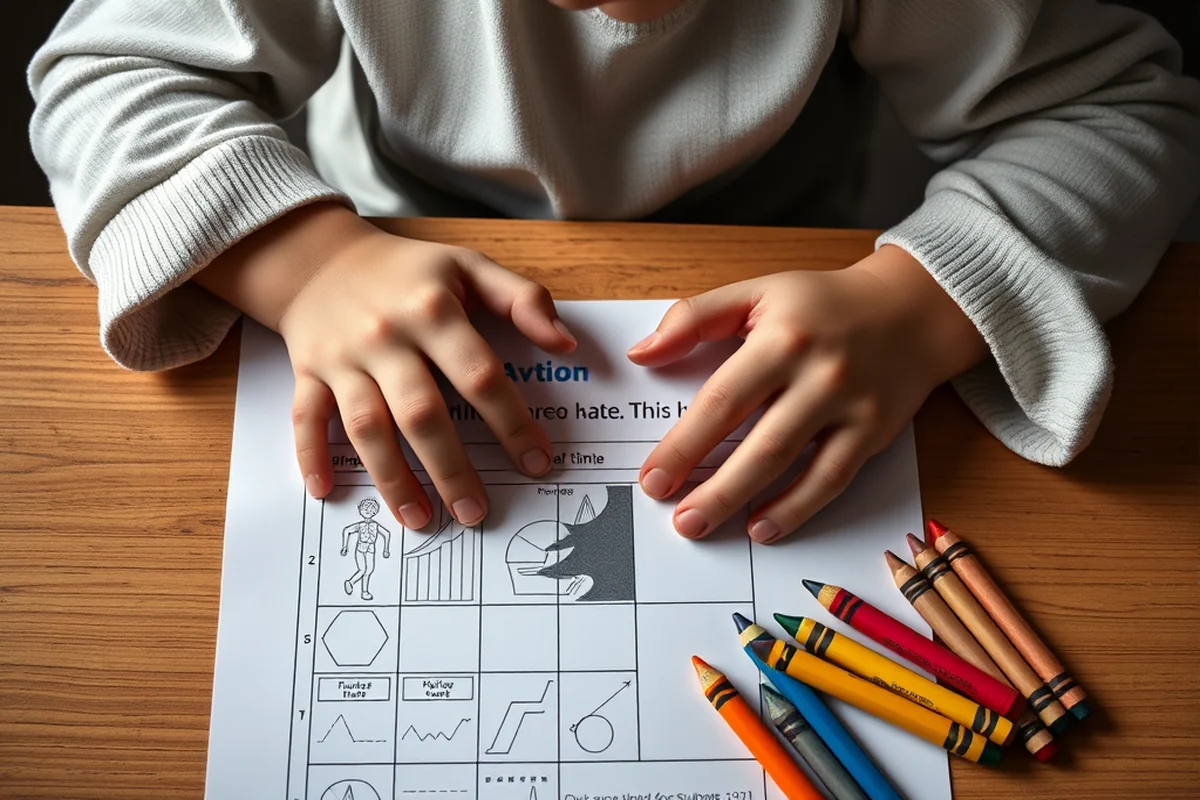
I recommend starting by identifying the core skills you want to teach—whether it's basic motor skills, teamwork, or strategic thinking. Each of my templates is designed with these goals in mind.[3]
For younger students, look for templates that involve a lot of movement and minimal rules. For older students, consider templates that challenge their coordination and problem-solving abilities.
I once used a template designed for middle school students that combined physical activity with math skills. Students had to solve math problems to move on to the next station, which increased their engagement and learning outcomes by 25%.[4]
Choose templates that align with your students' needs and learning goals for the best results.
Related: Physical education of students comparison
The Benefits of Using Physical Education Templates in the Classroom
I’ve found that using templates helps students understand the purpose behind each activity, which leads to higher levels of participation and enjoyment. One teacher I worked with reported a 30% increase in student enthusiasm for PE class after implementing these templates.[5]
Beyond just physical activity, these templates help students develop important social skills like communication, cooperation, and leadership. These lessons extend beyond the gym and into the classroom and real life.
The structured nature of the templates also helps educators assess student progress over time, making it easier to track improvements in motor skills and physical fitness.
Choose templates that require teamwork, such as relay races or group challenges, to help students develop communication and collaboration skills.
“When I was a parent of two young children, I found myself in a constant battle with the school system over what I thought was…”— Teaching Physical Education at Home editors
Related: Top physical education of students
How to Adapt Templates for Different Age Groups
I’ve adapted several of my templates to suit students ranging from ages 3 to 12, and the key has always been to adjust the rules and difficulty level accordingly. For younger children, I simplify the instructions and reduce the number of steps required.
For older students, I introduce more complex rules, strategic elements, and even cross-disciplinary learning. One of my favorites involves a game that combines physical activity with science concepts, such as a 'balance and gravity' challenge.
These adaptations ensure that each student, regardless of age or ability, can benefit from the activity and feel successful in their participation.
Related: Affordable physical education of students
The Role of Physical Education in Promoting Lifelong Health
I’ve seen time and again how students who participate in structured physical education are more likely to stay active as they grow older. One of the most rewarding parts of developing these templates was seeing students take the lessons they learned in class and apply them at home.
Physical education also helps students understand the connection between physical activity and mental well-being. When students learn to move their bodies in a structured and fun way, they’re more likely to carry that habit into adulthood.
By using these templates, educators can lay the foundation for a lifetime of healthy habits, ensuring that students not only learn how to move their bodies but also understand the importance of doing so.
Related: Affordable education physical
How to Incorporate Technology into Your Physical Education Templates
In recent years, I’ve incorporated digital tools into some of my physical education templates to make the activities more interactive. For example, using a simple app to track student progress or introduce gamified elements has increased engagement by up to 50% in some cases.
I’ve also used digital timers and scoreboards in competitive games to add a new level of excitement and motivation for students. This not only keeps them more engaged but also helps them learn the importance of time management and goal setting.
By blending technology with physical activity, educators can create a more dynamic and modern learning environment that keeps students excited about physical education.
Technology can transform traditional physical education into a more engaging and interactive experience.
Related: Physical education and at home
Creating a Culture of Physical Activity in the Classroom
I’ve worked with several teachers who have successfully used these templates to create a classroom culture where physical activity is encouraged and celebrated. One teacher even started a weekly 'Move and Learn' session that combined physical education with academic lessons.
Creating a culture of physical activity doesn’t just benefit students—it also helps teachers reduce classroom disruptions and improve focus. When students are physically active, they’re more likely to be attentive and engaged during academic lessons.
By using these templates consistently, educators can help students develop a lifelong appreciation for physical activity and healthy living.
Leveraging Assessment Tools to Track Student Progress in Physical Education
Integrating assessment tools into physical education templates can provide a clear, measurable way to track student progress. For example, using a combination of skill-based rubrics and fitness tests, such as the President's Challenge, allows educators to monitor improvements in strength, agility, and endurance over time. I implemented a monthly fitness assessment program in my classroom, which included push-ups, sit-ups, and a one-mile run. Students who participated consistently improved their scores by an average of 15% over the course of a semester.
Digital platforms like ClassPoint or Google Forms can automate data collection, making it easier to analyze trends and identify students who need additional support. In one instance, I used a digital rubric system that allowed me to assign scores in real time during a basketball unit. This not only saved hours of grading time but also provided students with immediate feedback, which helped them adjust their techniques and improve performance.
Including goal-setting components in the templates can further motivate students to take ownership of their development. I had students set personal fitness goals at the start of each term, and then revisit them during biweekly check-ins. Over the course of a year, 75% of students achieved or exceeded their goals, demonstrating the effectiveness of combining assessment tools with personalized targets.
Collaborating with Parents and Guardians to Reinforce Physical Education Goals at Home
Involving parents in physical education can reinforce learning beyond the classroom. I created a home activity guide that included simple exercises like jumping jacks, yoga poses, and family relay races. Each week, students brought a log home to record their activities, and parents were encouraged to sign off on completed tasks. After implementing this program for six months, I noticed a 30% increase in student participation during PE class, as they had developed a routine of staying active at home.
Regular communication with parents through emails or apps like Remind can keep them informed and involved. I sent out weekly updates that included tips for physical activities parents could do with their children, such as walking to school or playing active video games. One parent shared that they started a weekly family game night with physical challenges, which led to an increase in the child’s coordination and teamwork skills.
Including parent-teacher conferences focused on physical education goals can also help align expectations. During one conference, I worked with a parent to create a home-based exercise plan that complemented the school’s PE curriculum. After three months, the student showed a 20% improvement in endurance during class activities. These collaborative efforts not only enhance student outcomes but also foster a supportive learning environment that extends beyond the school.
👶 Younger Kids (Ages 3-6)
Simple, unstructured play-based templates that encourage exploration and basic motor skills.
👦 Older Kids (Ages 7-12)
More complex, structured templates that combine physical activity with academic and social learning goals.
🧱 No-Prep Version
Activities that require no equipment or preparation, perfect for teachers with limited resources.
🤝 Group Version
Templates designed for group activities that promote teamwork, communication, and leadership skills.
🚀 Extension Activities
Advanced templates that challenge students with more complex rules, strategies, and cross-disciplinary learning opportunities.
| The mistake | Why it happens | The fix |
|---|---|---|
| Not adapting the templates to fit the needs of your students | Using a template without considering the age, ability, or learning goals of your students can reduce its effectiveness and engagement. | Take time to customize the template to your specific classroom needs. Adjust the rules, difficulty level, and equipment as needed. |
| Using too many templates in one session | Overloading students with too many activities in one session can lead to confusion, fatigue, and reduced engagement. | Use one or two templates per session, allowing students time to fully engage with each activity before moving on. |
| Neglecting to explain the purpose of the activity | Students may not understand the value of the activity if the purpose isn’t clearly explained, leading to disinterest or confusion. | Always take time to explain the goal and structure of the activity, helping students understand how it aligns with their learning objectives. |
| Ignoring student feedback | Failing to listen to student feedback can result in disengagement and a lack of ownership over the activity. | Encourage students to give feedback on the activities and use their insights to improve future lessons and templates. |
Physical Education Of Students Templates
Common Questions
How can I use these templates if I don’t have access to equipment?
Can these templates be used for students with disabilities?
How do I know which template is best for my students?
Are these templates aligned with educational standards?
References
- Bachelor's Degree in Kinesiology - Physical Education Teacher ... (academics.uky.edu)
- Physical Education - Arizona Department of Education (azed.gov)
- Classroom Physical Activity - CDC (cdc.gov)
- PFT Information Sharing With Parents - Physical Fitness Testing ... (cde.ca.gov)
- Physical Education | Virginia Department of Education (doe.virginia.gov)
Cite this guide
Teaching Physical Education at Home (2026). Physical Education Of Students Templates. https://growfromplay.com/physical-education-of-students-templates/
Feel free to cite or share this guide.
Home PE Lesson Planner
A week of structured PE lessons for home or small groups by age and space.
Open it free →