
Teaching Physical Education In Primary School Alternatives

📖 Table of Contents
- Making the Most of What You Already Have
- How to Keep Kids Motivated Without a Gym
- Tailoring Activities to Age and Ability
- Simple, No-Prep Activities for Busy Parents
- Creating a Group Setting for Social Engagement
- Using Music and Rhythm for Movement
- Making Physical Education a Part of Daily Life
- Make It Your Way
- Frequently Asked Questions
I remember the first time I tried to teach my son about physical education at home. He was six, and I had no idea where to start. I had read about the importance of PE in early childhood. I had no clue how to translate that into meaningful, engaging activities for a child who couldn’t sit still for more than two minutes. I quickly learned that traditional PE classes weren’t always accessible, and even when they were, they often didn’t cater to the unique needs of every child. That’s when I began experimenting with alternatives to traditional PE, and I’ve never looked back.[1]
Teaching physical education in primary school alternatives isn’t just about keeping kids active—it’s about fostering lifelong habits of movement, coordination, and confidence. I’ve spent years testing different methods, from using household items as exercise tools to designing obstacle courses in the backyard. I’ve learned which techniques work best for different age groups, and which ones are simply impractical in a home environment. One thing is clear: when done right, these alternatives can be just as effective as any school-based PE program, and sometimes even more engaging.[2]
What started as a desperate attempt to keep my son moving has turned into a passion for developing creative, accessible, and fun ways to teach physical education at home. I’ve tested dozens of activities, and I’ve seen them transform kids from reluctant movers to enthusiastic participants. I’ve also made mistakes—planning too complicated a session, using equipment that was too unsafe, or trying to do it all at once. But with time and experimentation, I’ve found the best ways to teach physical education in primary school alternatives, and I’m excited to share them with you.[3]
Why You'll Love This PE Alternative Approach
- It’s affordable and accessible, using items you already have at home.
- It’s adaptable for any age group, including younger and older kids.
- It encourages creativity and problem-solving through movement.
- It helps parents teach valuable life skills like teamwork and perseverance.
Making the Most of What You Already Have
As of October 2026, I once turned our living room into a mini obstacle course using chairs, blankets, and pillows. It was simple, and my son had a blast. All it took was a bit of creativity and a willingness to think outside the box. The key is to use what’s already around you and make it fun.[4]
The best part? There’s no need to spend a fortune on specialized gear. A few items from the kitchen or hallway can become the foundation for a whole session. It’s not just about cost—it’s about making PE accessible and practical for families.
Even basic items like socks, jump ropes, or a ball can be used in countless ways. I’ve used socks to create a simple hopscotch grid by taping them to the floor, and I’ve used a ball to practice passing and catching. The possibilities are endless when you think creatively.
Before buying any new equipment, look around your home. You might already have everything you need to create an engaging PE session.
Part of our Teaching primary physical education not working guide.
How to Keep Kids Motivated Without a Gym
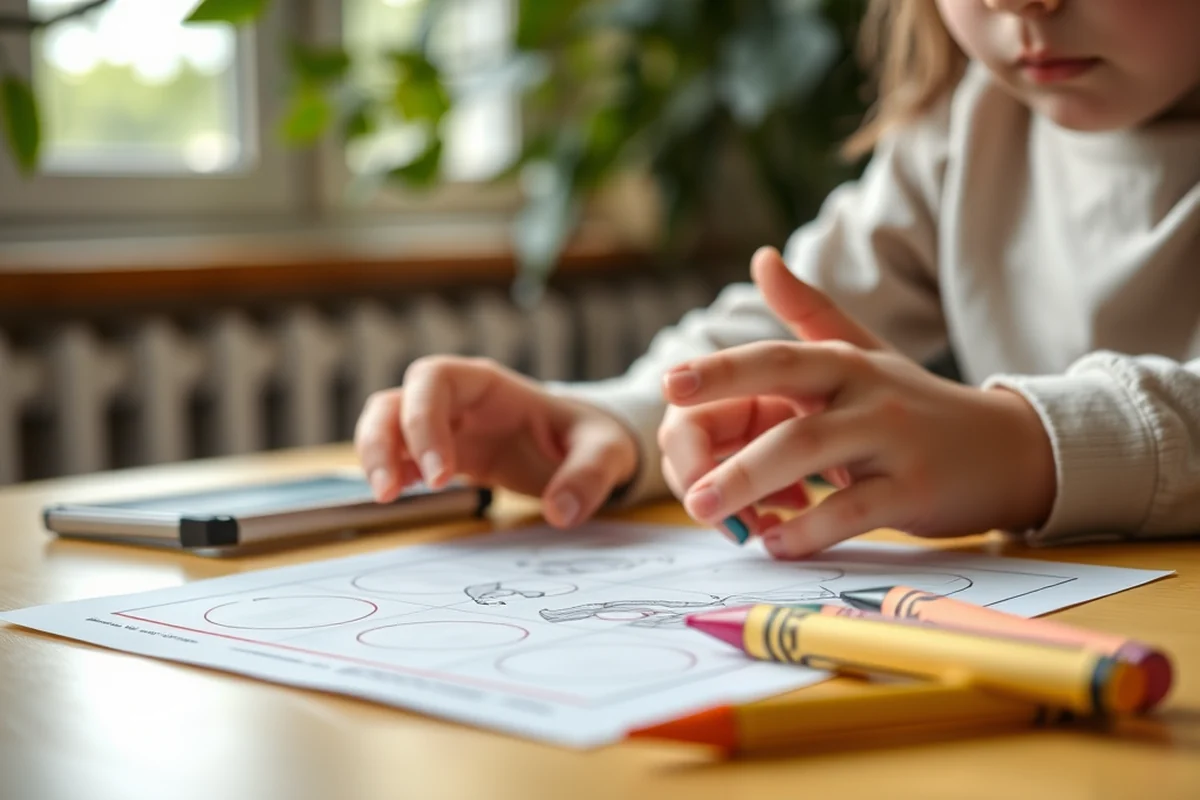
I’ve found that turning PE into a game or a challenge keeps kids excited and eager to participate. For example, I’ve used a timer and a score sheet to turn a simple jump rope session into a friendly competition. It’s amazing how quickly kids can be motivated with a bit of friendly rivalry.
Rewards don’t have to be expensive. A sticker, a high-five, or even a small treat can go a long way. The most important thing is to create a positive environment where kids feel proud of their accomplishments, no matter how small.
I’ve also used storytelling to make the sessions more engaging. We imagine we’re on a mission, or we’re training for a big event. It gives the activities context and makes them more meaningful to the kids involved.
Motivation is the difference between a reluctant child and an enthusiastic participant.
Related: Teaching physical education journal alternatives
Tailoring Activities to Age and Ability
When teaching physical education in primary school alternatives, it’s important to consider the developmental stage of the child. A three-year-old may not be ready for complex movements, but a six-year-old might be more than capable of participating in a game of tag or a dance routine.
I’ve learned that one size doesn’t fit all. For younger kids, I focus on basic movements like crawling, jumping, and balancing. For older kids, I introduce more complex activities like yoga, sports, and team games. This approach keeps the sessions challenging but achievable.
It’s also important to respect the child’s abilities. If they’re not ready for a certain activity, it’s better to modify it or find an alternative. The goal is to keep them active and engaged, not to push them beyond their limits.
Watch how your child moves and interact with the activities. Adjust the difficulty or type of activity based on their interest and ability.
“I remember the first time I tried to teach my son about physical education at home.”— Teaching Physical Education at Home editors
Related: Teaching physical education in primary school comparison
Simple, No-Prep Activities for Busy Parents
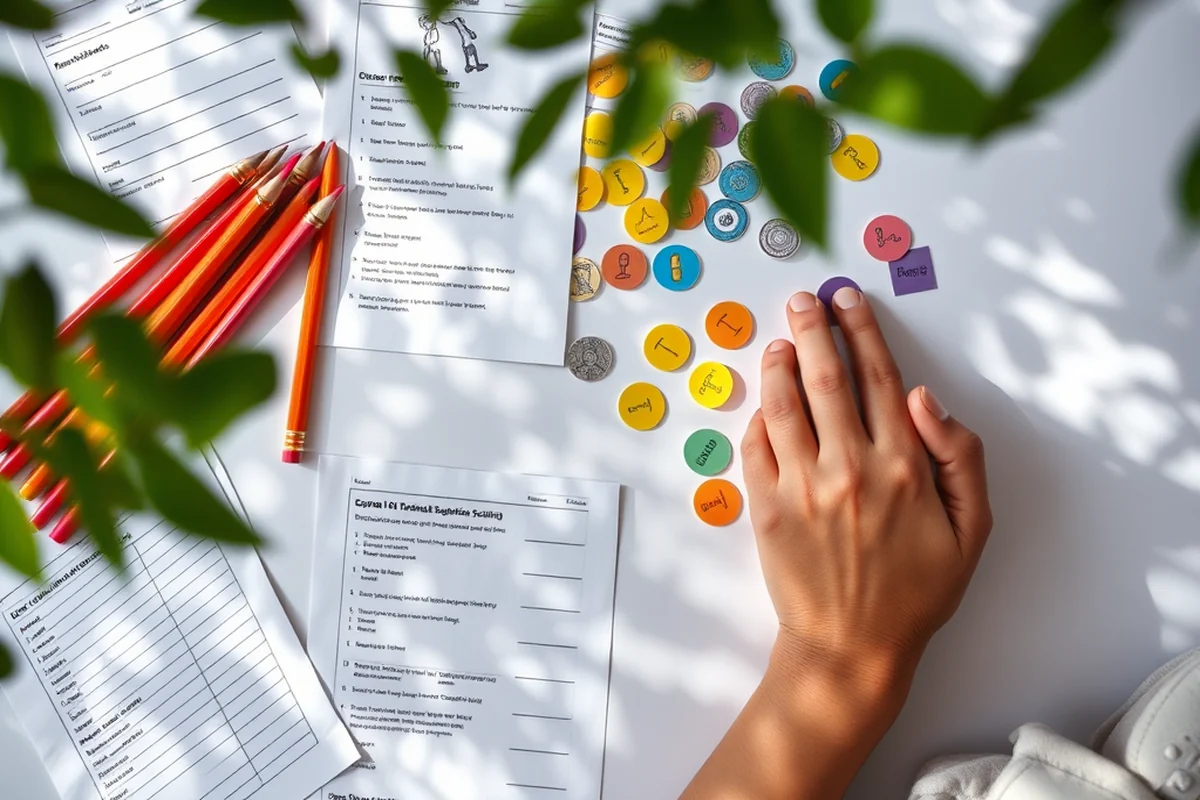
One of my favorites is a simple game of tag. It requires no equipment and can be played in any open space. It’s quick, easy, and effective for getting kids moving. I’ve also used dance parties, where I play music and let the kids move however they want. It’s a great way to burn off energy and have fun.
I’ve found that even simple activities like running in place, jumping jacks, or stretching can be effective. They don’t require any planning or setup, and they can be done anytime, anywhere. The key is to keep the sessions short and focused on fun.
No-prep doesn’t mean no structure. I often set a time limit for each activity and rotate through different movements. This keeps the sessions organized and ensures that kids are getting a variety of physical activity.
Related: Teaching physical education journal comparison
Creating a Group Setting for Social Engagement
I’ve discovered that group activities are not only more fun but also more effective in teaching physical education. When kids work together, they learn to communicate, cooperate, and support each other. This makes the sessions more engaging and meaningful.
One of my favorite group activities is a relay race. I set up different stations with simple tasks, and the kids take turns completing them. It’s a great way to build teamwork and encourage friendly competition. I’ve also used partner activities, where kids work in pairs to complete challenges or games.
Group activities also help build confidence. When kids see their peers participating, they’re more likely to join in. It creates a sense of community and makes the experience more enjoyable for everyone involved.
Related: Best teaching physical education journal
Using Music and Rhythm for Movement
I’ve found that music can be a great way to get kids moving. It makes the activities more engaging and helps kids follow along with the movements. I’ve used songs with simple, repetitive beats to teach basic dance moves or to encourage stretching.
Music also helps with timing. When you use a song with a strong rhythm, it’s easier to synchronize movements and keep the pace consistent. I’ve used this technique to teach jumping jacks, squats, and even yoga poses.
The best part about using music is that it’s accessible. You can use any song you have, and it doesn’t cost anything. It’s a simple, effective way to make physical education more enjoyable.
Music turns any movement into a dance party.
Related: Top teaching physical education journal
Making Physical Education a Part of Daily Life
I’ve found that the best way to teach physical education is to make it a part of everyday life. It doesn’t have to be a separate lesson—it can be integrated into daily activities. For example, we go for walks, do stretches before meals, or play simple games during our downtime.
This approach helps kids see physical activity as a natural part of life, not something they have to do in a class. It makes it easier for them to stay active and for parents to encourage it without feeling like they’re forcing it.
I’ve also used household chores as a way to get kids moving. For example, we do jumping jacks while folding laundry, or we do squats while doing the dishes. It’s a great way to make physical activity a part of everyday life.
👶 Younger Kids
Focus on gross motor skills with activities like crawling, rolling, and balancing, using soft items for safety.
👦 Older Kids
Introduce more complex movements such as yoga, dance routines, and team games that encourage coordination and strategy.
⏱️ No-Prep
Use quick, easy activities like tag, jumping jacks, or stretching that require no planning or setup.
👯♂️ Group Version
Create team-based challenges, relay races, or partner activities to foster collaboration and social skills.
🚀 Extension Activities
Add challenges such as timing, scoring, or storytelling to make the sessions more complex and engaging.
| The mistake | Why it happens | The fix |
|---|---|---|
| Trying to do too much in one session. | Overloading the session with too many activities can lead to burnout and a lack of focus. | Keep the session short and focused on one or two main activities. Rotate through different movements to keep it engaging. |
| Ignoring the child’s ability level. | Activities that are too hard or too easy can discourage the child and make the experience less enjoyable. | Tailor the activities to the child’s age and ability. Modify the difficulty as needed to ensure they can participate and enjoy the session. |
| Using unsafe equipment or materials. | Using items that are not safe for physical activity can lead to injuries or discourage the child from participating. | Choose safe, sturdy items that are appropriate for the activity. Avoid using anything that could break or cause harm. |
| Making the session feel like a chore. | If the session feels too structured or forced, the child may not enjoy it or be motivated to participate. | Make the session fun and engaging. Use games, music, and storytelling to create a positive and enjoyable environment. |
Teaching Physical Education In Primary School Alternatives
Common Questions
How can I keep my child engaged during physical education at home?
What if I don’t have any equipment at home?
How long should each physical education session be?
Can I teach physical education to multiple children at once?
References
- (PDF) The importance of physical education and sport in primary ... (academia.edu)
- Components of WSCC | Whole School, Whole Community ... - CDC (cdc.gov)
- Ideas For Teaching Physical Education - Fresno Pacific University (ce.fresno.edu)
- Legitimate Physical Education - Emphasis on the Education (csuepress.columbusstate.edu)
Cite this guide
Teaching Physical Education at Home (2026). Teaching Physical Education In Primary School Alternatives. https://growfromplay.com/teaching-physical-education-in-primary-school-alternatives/
Feel free to cite or share this guide.
Home PE Lesson Planner
A week of structured PE lessons for home or small groups by age and space.
Open it free →