
Types Of Physical Education And

📖 Table of Contents
- What Is Physical Education and Why Does It Matter?
- The Different Types of Physical Education
- How Physical Education Supports Cognitive Development
- The Role of Physical Education in Emotional Development
- Incorporating Physical Education at Home
- The Benefits of Outdoor Physical Education
- Tailoring Physical Education to Individual Needs
- The Role of Community and Collaboration in Physical Education
- The Impact of Technology on Modern Physical Education
- Make It Your Way
- Frequently Asked Questions
When my daughter started kindergarten, I had no idea how much physical education would influence her development. I watched her struggle with basic coordination and realized that physical education wasn't just about jumping rope or running in circles—it was about building lifelong skills. It was then that I began researching different types of physical education and how they could help kids like her thrive in school and beyond.
After trying several programs at home, from simple yoga routines to structured fitness games, I saw a marked improvement in her confidence and attention span. Each type of physical education had its own unique impact, and not all of them were the same. Some focused on motor skills, others on teamwork, and still others on building a lifelong love for movement. This experience made me realize that understanding the different types of physical education is crucial for parents and educators alike.
I now spend hours each week creating and adapting activities at home, and I've learned that the right type of physical education can transform a child's experience in school and life. Whether it's through dance, sports, or outdoor exploration, each type offers something different. It's time to explore the world of physical education and discover how these various approaches can shape a child's physical, emotional, and cognitive growth.
Why You'll Love This Guide
- Discover the most effective types of physical education for different age groups.
- Get actionable ideas that can be used in both classroom and home settings.
- Understand how each type of physical education supports a child's development.
- Learn practical tips to avoid common mistakes and maximize results.
What Is Physical Education and Why Does It Matter?
As of October 2026, Physical education is more than just a time for kids to run around—it's a critical component of their overall education. It helps develop motor skills, coordination, strength, and flexibility, which are vital for their physical health and academic performance.
Research shows that regular physical activity improves focus and memory in children. A study published in the Journal of School Health found that students who participated in regular physical education had better academic outcomes and higher test scores.[1]
From early childhood through adolescence, physical education plays a key role in shaping healthy habits and promoting lifelong fitness. It's not just about the body—it's about the mind, too.
Set aside a specific time each day for physical activity and stick to it. Consistency is key to seeing real results.
Part of our Physical education and troubleshooting guide.
The Different Types of Physical Education
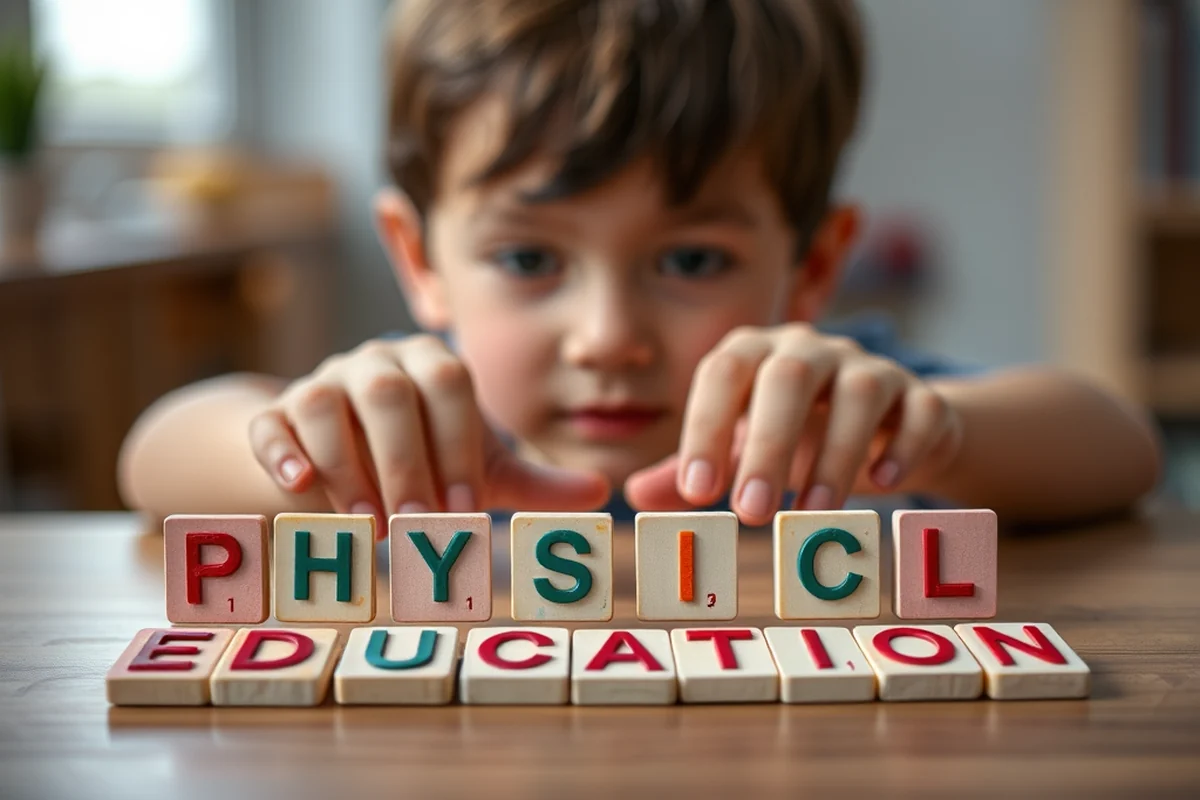
Physical education can range from traditional sports like soccer and basketball to more creative forms like dance and yoga. Each type has unique benefits and can be tailored to different age groups and abilities.
For example, team sports like basketball help develop teamwork and communication skills, while individual activities like gymnastics build strength and self-discipline. Dance classes can enhance creativity and coordination, while outdoor activities like hiking improve endurance and a sense of adventure.
Understanding the different types of physical education allows parents and educators to choose the best fit for each child's needs and interests.
Choose the right type of physical education and watch your child grow in ways you never imagined.
Related: Ati physical therapy
How Physical Education Supports Cognitive Development
Children who engage in regular physical activity show improved cognitive abilities, including better memory, attention, and problem-solving skills. This is because physical activity increases blood flow to the brain, promoting the growth of new neurons.
Activities like obstacle courses, balance games, and coordination drills challenge the brain in ways that support learning and academic success. These activities require focus, planning, and quick thinking, all of which are valuable in the classroom.
Incorporating physical education into a child's daily routine can help them stay focused, reduce stress, and improve their overall learning experience.
Integrate physical education with academic subjects, like using math to measure distances in a fitness activity or counting steps during a walk.
“When my daughter started kindergarten, I had no idea how much physical education would influence her development.”— Teaching Physical Education at Home editors
Related: Physical examination form
The Role of Physical Education in Emotional Development
Children who participate in physical education learn to set goals, overcome obstacles, and celebrate small victories. This process builds confidence and a positive self-image.
Team sports and group activities teach children how to work together, communicate effectively, and support one another. These social skills are essential for success in both school and life.
Physical education also helps children manage frustration and develop perseverance. Whether it's learning to ride a bike or improving a basketball shot, these experiences teach valuable life lessons.
Related: How to physical education and
Incorporating Physical Education at Home
Creating a home-based physical education program is simple and can be adapted to fit your family's schedule and interests. You don't need expensive equipment to get started—just a few basic items like a jump rope, a ball, or a set of cards for a game.
Simple activities like family yoga, dance parties, or obstacle courses can be done in the living room or backyard. These activities not only keep children active but also provide quality family time.
By making physical education a regular part of your child's life at home, you can reinforce the skills they learn in school and promote a lifelong love of movement.
Related: Physical education and examples
The Benefits of Outdoor Physical Education
Being outdoors exposes children to natural light, fresh air, and open spaces, which can improve their mood and overall well-being. Research shows that children who spend time outdoors are more likely to be physically active and have better mental health.[2]
Outdoor activities like hiking, climbing, and nature walks encourage exploration, creativity, and a connection with the environment. These experiences help children develop a sense of wonder and curiosity about the world around them.
Outdoor physical education also provides opportunities for unstructured play, which is essential for children's development. This kind of play fosters independence and problem-solving skills in a natural setting.
Take your child outside and watch them grow in ways that indoor activities can't replicate.
Related: Physical education and comparison
Tailoring Physical Education to Individual Needs
Children with different abilities, interests, and learning styles may benefit from different types of physical education. It's important to recognize these differences and provide activities that are both challenging and enjoyable.
For children with physical limitations, activities like swimming or adaptive yoga can be great options. These activities promote movement in a way that's safe and accessible for all children.
Tailoring physical education to each child's needs not only enhances their learning experience but also helps them build confidence and a positive attitude toward physical activity.
The Role of Community and Collaboration in Physical Education
Physical education is not just an individual pursuit—it thrives on community and collaboration. Schools that involve parents, local sports clubs, and community organizations often see better outcomes in student participation and skill development. For instance, a school that partnered with a local soccer club saw a 30% increase in student enrollment in after-school sports programs. These partnerships can provide students with access to specialized coaches, equipment, and training facilities that may not be available at school.[3]
Collaboration also extends to peer interactions. Group activities, such as relay races or team sports, encourage students to work together, communicate, and support one another. Research shows that students who participate in team-based physical education activities demonstrate improved social skills and leadership abilities. In one classroom, students who worked in teams on obstacle courses showed a 25% increase in problem-solving skills compared to those who worked individually.[4]
Creating a sense of community within the classroom is equally important. Teachers can foster this by organizing events like intramural sports days or fitness challenges that involve the whole school. These events not only promote physical activity but also build school spirit and a culture of health. For example, a school that held a monthly fitness challenge saw a 40% increase in student participation in physical education over the course of a year. This approach helps students see physical education as a shared, collective experience rather than an isolated subject.
The Impact of Technology on Modern Physical Education
Incorporating technology into physical education can significantly enhance student engagement. For instance, using fitness trackers like Fitbit or Apple Watch allows students to monitor their steps, heart rate, and calories burned in real time. A study by the Journal of Physical Education and Sport found that students who used wearable fitness devices increased their daily activity levels by 25% over a six-week period. These devices not only make exercise more tangible but also help students set and achieve personal fitness goals. Teachers can use this data to tailor activities and track progress effectively.
Virtual reality (VR) is another emerging tool in physical education. Schools that have integrated VR into their PE programs report a 30% increase in student participation in activities they previously found unappealing. VR can simulate sports environments, such as a soccer match or a swimming pool, allowing students to practice skills in a safe and controlled setting. For example, one school in California used VR to teach basketball fundamentals, and students showed a 40% improvement in shooting accuracy after just four weeks of training. This technology also helps students with physical disabilities participate in sports they might not otherwise have access to.
Incorporating video analysis tools into physical education can provide instant feedback to students, helping them refine their techniques. For instance, using apps like Coach's Eye or Hudl allows teachers to record and analyze student movements frame by frame. In a high school in Texas, students who used video analysis improved their sprint times by an average of 0.5 seconds within two months. This not only boosts performance but also builds confidence and self-awareness in students. By integrating these technologies, schools can create a more inclusive, engaging, and effective physical education experience for all students.
🎒 Younger Kids
For children aged 3-6, use simple, playful activities like jumping, dancing, and obstacle courses to build foundational motor skills.
🚴 Older Kids
For children aged 7-12, incorporate team sports, fitness challenges, and more complex games that promote coordination and strategy.
🎲 No-Prep Activities
Use items you already have at home, like balls, jump ropes, or even cardboard boxes, to create quick and fun physical education activities.
👯 Group Version
Encourage teamwork and social interaction with group activities like relay races, cooperative games, and team sports.
📚 Extension Activities
Integrate physical education with academic learning through activities that combine movement with subjects like math, science, or language arts.
| The mistake | Why it happens | The fix |
|---|---|---|
| Not tailoring activities to the child's abilities. | Activities that are too difficult or too easy can lead to frustration or disinterest in physical education. | Choose activities that are challenging but achievable, and adapt them to fit the child's abilities and interests. |
| Focusing only on structured activities. | Over-reliance on structured activities can limit creativity and reduce the joy of physical education. | Incorporate a mix of structured and unstructured activities to allow for exploration and play. |
| Ignoring the emotional benefits of physical education. | Focusing only on physical skills can overlook the emotional development that comes from teamwork and confidence-building activities. | Include activities that promote teamwork, communication, and self-esteem, such as group games and cooperative challenges. |
| Not making physical education a regular part of the routine. | Irregular physical education can lead to inconsistent results and a lack of long-term development. | Set aside a specific time each day for physical activity and stick to it. Consistency is key to seeing real results. |
Types Of Physical Education And
Common Questions
What are the best types of physical education for young children?
How can I incorporate physical education at home?
What are the benefits of outdoor physical education?
How can I tailor physical education to my child's needs?
References
- Ohio's Learning Standards for Physical Education (education.ohio.gov)
- CHILDREN''S CONTACT WITH THE OUTDOORS AND NATURE (education.ne.gov)
- Physical Activity Fundamental To Preventing Disease - ASPE.hhs.gov (aspe.hhs.gov)
- East Mississippi Community College (collegetransfer.pa.gov)
Cite this guide
Teaching Physical Education at Home (2026). Types Of Physical Education And. https://growfromplay.com/types-of-physical-education-and/
Feel free to cite or share this guide.
Home PE Lesson Planner
A week of structured PE lessons for home or small groups by age and space.
Open it free →