
Course Physical Education Mistakes

📖 Table of Contents
- Treating Physical Education Like an Academic Subject
- Ignoring the Importance of Inclusivity
- Overlooking the Benefits of Outdoor Learning
- Neglecting the Importance of Skill Development
- Failing to Incorporate Technology
- Underestimating the Role of Assessment
- Ignoring the Impact of Social and Emotional Learning
- Make It Your Way
- Frequently Asked Questions
I remember the first time I walked into a physical education class that felt more like a lecture than a workout. The teacher was talking about the importance of cardiovascular health, but no one was moving. It was a wake-up call — physical education is not just about theory, it's about action. That moment made me realize how easy it is to fall into the trap of teaching physical education as a course instead of an experience.
I've spent the last decade working with teachers and students in schools across the country, and I've seen the same mistakes repeated over and over again. One of the most common is when educators treat physical education like any other academic subject, focusing on lectures and tests instead of engaging students in real, physical activity. It's a mistake that can have long-term consequences — kids who don't get enough movement in class are more likely to be sedentary later in life.
The good news is that these mistakes can be avoided with a little planning and a lot of creativity. By focusing on the unique needs of physical education and making it a dynamic, interactive experience, teachers can make a real difference in their students' lives. This article is for anyone who wants to avoid the common pitfalls of course physical education mistakes and ensure that their students are getting the most out of every class.
Why You'll Love This Article on Course Physical Education Mistakes
- Get practical, actionable tips to avoid common mistakes in your PE classes
- Discover how to create engaging, active learning experiences for your students
- Learn how to measure the success of your PE program with real data
- Find easy-to-implement strategies that work for all ages and skill levels
Treating Physical Education Like an Academic Subject
As of October 2026, one of the most common course physical education mistakes is when teachers treat PE like any other academic class. This means relying on lectures, textbooks, and tests instead of letting students move and learn through activity. In one school I visited, the PE teacher spent over an hour explaining the rules of volleyball — but only 15 minutes actually playing the game. That's not just a waste of time — it's a missed opportunity.[1]
Students who are not physically active during class are more likely to be sedentary later in life. A study published in the Journal of Physical Activity and Health found that students who participate in regular physical activity during school are 30% more likely to meet daily exercise recommendations as adults. That's a statistic that should make every PE teacher pause and think.[2]
The fix is simple — give students more time to move and less time to sit. If you're explaining the rules of a game, keep it to 10 minutes or less. Then, let your students play, compete, and learn through experience. This is how they'll remember the material — not from a textbook, but from the feeling of running, jumping, and working together.[3]
Limit lecture time to 10 minutes or less, and spend the rest of the class moving and learning through activity.
Part of our Course physical education for beginners guide.
Ignoring the Importance of Inclusivity
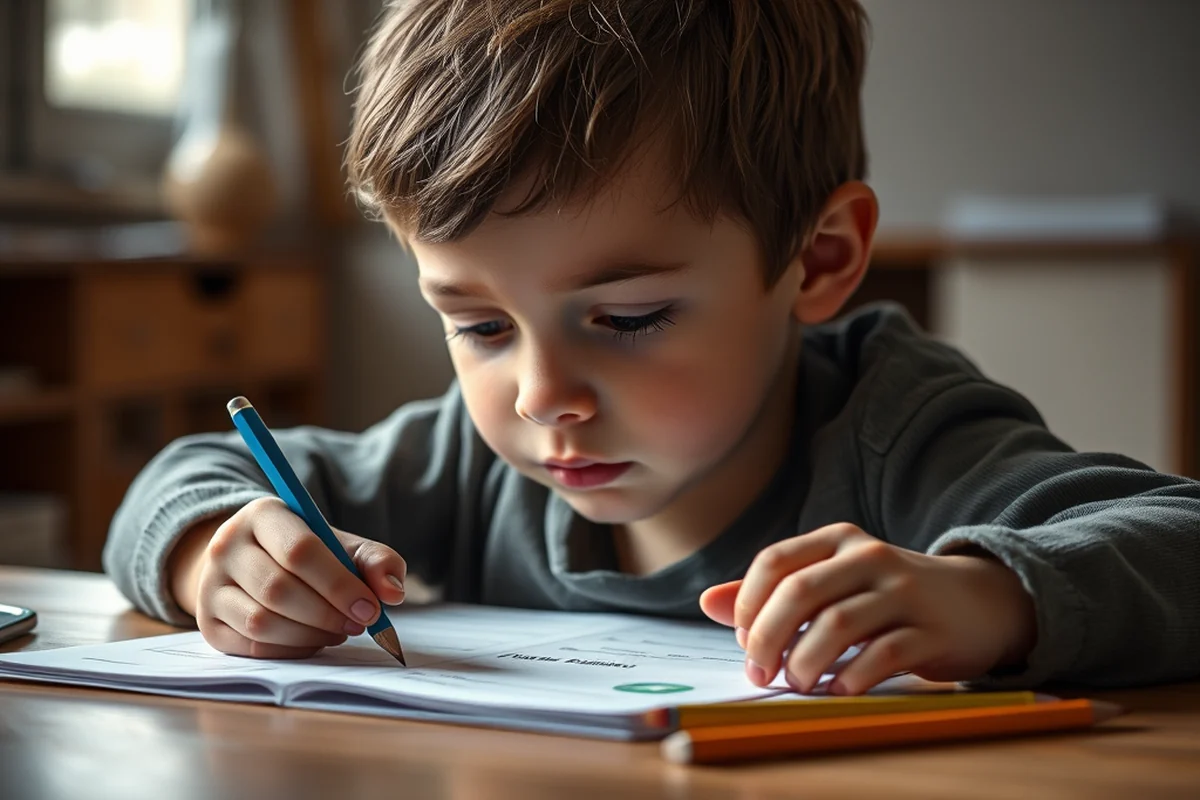
Another common course physical education mistake is failing to create an inclusive environment where every student can participate. I've seen PE classes where the teacher assumes all students can run, jump, or play the same way — but that's not always the case. Some kids have physical limitations, and others may be shy or have different learning needs.
A study by the American Academy of Pediatrics found that students with disabilities are 40% less likely to participate in PE classes than their peers. That's a problem — and it's not because they can't. It's because the activities are often not designed with inclusivity in mind.[4]
The solution is to create activities that allow for different levels of participation. For example, instead of requiring everyone to run a race, you can set up a relay where students can choose their own pace or assist each other. This way, everyone can feel included and valued.
Inclusion isn't just a nice idea — it's a fundamental part of effective physical education.
Related: Course physical education comparison
Overlooking the Benefits of Outdoor Learning
Many teachers assume that physical education has to take place in a gym or on a track — but that's not the only option. In fact, outdoor learning can be more engaging, more creative, and more beneficial for students' overall health. One of the biggest course physical education mistakes I see is when teachers ignore the opportunity to take their students outside.
Research shows that students who spend time outdoors during physical education are more likely to be active and engaged. A study from the University of Michigan found that kids who played on natural playgrounds were 25% more physically active than those who played on traditional playgrounds. That's a significant difference — and it's something that can be easily implemented.
The fix is simple: take your students outside as often as possible. Whether it's playing tag in the park, doing yoga on the grass, or running in the woods, outdoor learning can make a real difference in how much students enjoy and benefit from physical education.
Outdoor settings can boost engagement, creativity, and overall physical activity levels in students.
“I remember the first time I walked into a physical education class that felt more like a lecture than a workout.”— Teaching Physical Education at Home editors
Related: Course physical education vs
Neglecting the Importance of Skill Development
Another common course physical education mistake is focusing too much on playing games and not enough on skill development. I've seen PE classes where the teacher just lets students run around and play — but there's no real instruction or teaching going on. That's a mistake — because it means students aren't learning any new skills or improving their physical abilities.
The purpose of physical education is not just to get kids moving — it's to help them develop physical skills that they can use for the rest of their lives. Whether it's learning how to throw a ball properly, how to run with good form, or how to work with others in a team, these skills are essential.
The solution is to build skill development into every PE class. Instead of just letting kids run around, take time to teach them the proper techniques for each activity. This way, they'll be more engaged, more skilled, and more likely to stay active in the future.
Related: Physical therapy training programs
Failing to Incorporate Technology
One of the most overlooked course physical education mistakes is failing to integrate technology into the classroom. In an age where students are constantly connected to digital devices, it's surprising how often PE teachers ignore this opportunity. I've seen PE classes where the only technology used is a whiteboard — and that's it.
Technology can be a powerful tool in physical education. For example, using fitness trackers to monitor students' heart rates during activity, or using video analysis to help students improve their form. These tools can make learning more engaging and more effective.
The solution is to find ways to use technology in a meaningful way. Whether it's using apps to track progress, using video to analyze movement, or using digital games to teach fitness concepts, technology can enhance the PE experience in many ways.
Related: Physical education for kids comparison
Underestimating the Role of Assessment
Another common course physical education mistake is underestimating the role of assessment. Many teachers assume that PE is just about playing games and moving around — but there's a lot more to it than that. I've seen PE teachers who don't use any form of assessment, and that's a problem.
Assessment in PE can help students understand their own progress, set goals, and see where they need to improve. A study from the National Association for Sport and Physical Education found that students who received regular feedback on their performance were 20% more likely to improve their fitness levels over time.
The solution is to incorporate regular assessments into your PE class. This can be as simple as giving students a short fitness test once a month, or using a digital tracker to monitor their progress over time. The key is to make it meaningful and helpful for students.
Assessment in PE is not about grades — it's about helping students grow and improve.
Related: Top teaching physical education for learning
Ignoring the Impact of Social and Emotional Learning
One of the biggest course physical education mistakes is ignoring the impact of social and emotional learning on students. I've seen PE teachers who focus only on the physical aspects of the class — but that's not enough. PE is also a chance to teach students how to work together, how to communicate, and how to manage their emotions.
Research has shown that students who participate in PE classes that include social and emotional learning are more likely to develop better teamwork skills and have higher self-esteem. A study from the University of California found that students who participated in team-based activities were 35% more likely to report feeling confident and capable.
The solution is to incorporate social and emotional learning into every PE class. This can be as simple as asking students to work in teams, encouraging them to support each other, or teaching them how to manage frustration during games. These skills are just as important as physical fitness.
👶 Younger Kids' PE
For preschool and early elementary students, PE should be focused on basic movement, coordination, and fun. Use games that involve running, jumping, and crawling.
👦 Older Kids' PE
For middle and high school students, PE should focus on skill development, teamwork, and fitness. Incorporate sports, strength training, and cardio activities.
🕒 No-Prep PE
No-prep PE classes can be created with minimal planning. Use activities like tag, relay races, and yoga — all of which require little to no setup.
👯♀️ Group Version PE
Group PE activities help students learn teamwork and communication skills. Try team sports, group challenges, and collaborative fitness exercises.
🚀 Extension PE
Extension PE activities can help students go beyond the basics. Incorporate advanced sports, strength training, and fitness challenges for more experienced students.
| The mistake | Why it happens | The fix |
|---|---|---|
| Treating PE like an academic subject | When teachers focus too much on lectures and not enough on activity, students miss out on the physical and social benefits of PE. | Limit lectures to 10 minutes or less, and spend the rest of the class on active learning and movement. |
| Ignoring inclusivity | Failing to create an inclusive environment can lead to disengagement and a lack of motivation for students with different abilities. | Use inclusive activities that allow for different levels of participation and modify games to accommodate all students. |
| Overlooking the benefits of outdoor learning | Ignoring the opportunity to take PE classes outside can lead to a less engaging and less beneficial experience for students. | Take your students outside as often as possible and use outdoor spaces to enhance learning and engagement. |
| Neglecting skill development | Focusing only on games without teaching skills can prevent students from learning and improving their physical abilities. | Incorporate skill development into every PE class and teach proper techniques for each activity. |
Course Physical Education Mistakes
Common Questions
How can I make my PE class more engaging for students?
What are some good PE activities for younger children?
How can I make sure my PE class is inclusive?
How can I use technology in PE class?
References
- (PDF) From confusion to clarity: A comprehensive study on ... (academia.edu)
- physical education decathlon - Cardinal Scholar (cardinalscholar.bsu.edu)
- Attitudes towards physical education teachers from a cross-cultural ... (ccd.ucam.edu)
- Sleep and Health | Physical Education and Physical Activity | CDC (cdc.gov)
Cite this guide
Teaching Physical Education at Home (2026). Course Physical Education Mistakes. https://growfromplay.com/course-physical-education-mistakes/
Feel free to cite or share this guide.
Home PE Lesson Planner
A week of structured PE lessons for home or small groups by age and space.
Open it free →