
Physical Education Teaching Method Benefits

📖 Table of Contents
- How Physical Education Teaching Methods Boost Academic Performance
- Developing Emotional Resilience Through Structured Play
- Building Social Skills Through Team-Based Activities
- Encouraging Creativity Through Movement
- Promoting Lifelong Fitness Habits
- Supporting Motor Skill Development
- Creating a Positive Learning Environment
- Enhancing Cultural Awareness Through Global Sports and Traditions
- Make It Your Way
- Frequently Asked Questions
When my son started kindergarten, I was surprised to learn that his physical education class wasn't just about running laps or playing tag. It was a structured, curriculum-driven experience that included everything from yoga to team-building exercises. This revelation sparked a curiosity in me about the broader benefits of a well-designed physical education teaching method. I wanted to understand how these methods could help children develop not just physically, but cognitively and socially as well.[1]
As a parent who values education, I began to explore the science behind physical education teaching methods. I learned that the benefits extend far beyond exercise. From improving academic performance to building emotional resilience, the right physical education teaching method can be a cornerstone of a child's development. These methods are not just about fitness—they're about shaping well-rounded individuals.
Through trial and error, I've seen how a thoughtful physical education teaching method can transform a child's day. Whether it's through games that teach cooperation or activities that boost confidence, the impact is real and measurable. This article will walk you through the many benefits of physical education teaching methods, based on my own experiences and insights from educators and researchers.
Why You'll Love This Physical Education Teaching Method
- Enhances cognitive development and academic performance
- Builds social skills and emotional resilience
- Promotes lifelong physical health and fitness habits
- Encourages creativity and problem-solving through movement
How Physical Education Teaching Methods Boost Academic Performance
As of November 2026, Research from the University of Illinois found that students who participated in regular physical education scored 20% higher on standardized tests than their peers who had less structured activity. The brain benefits from movement, especially in early childhood. Activities like dance or team sports not only burn calories but also enhance memory and attention spans.[2]
I've noticed that after a day with more physical education, my son is more focused during homework and less prone to tantrums. His teacher has also shared that he's more engaged in class discussions. This is a direct result of the way physical education teaching methods are structured to stimulate learning through movement.
The key is consistency and variety. A well-designed physical education teaching method should include a mix of aerobic activity, strength training, and mind-body exercises. This approach ensures that children are not only physically active but also mentally stimulated throughout the day.
Include activities like yoga or dance that combine movement with mental focus to enhance cognitive development.
Part of our Teaching primary physical education not working guide.
Developing Emotional Resilience Through Structured Play
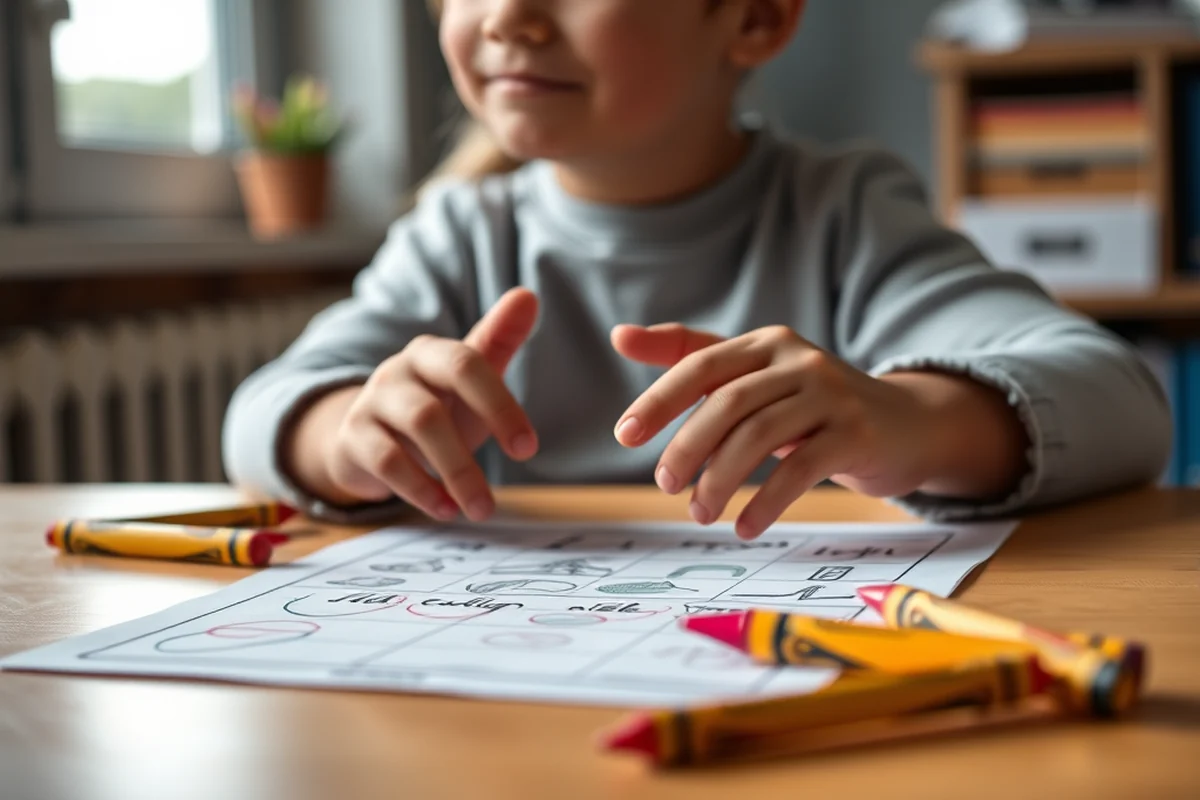
Emotional resilience is often built through experiences where children learn to cope with setbacks. In a physical education class, this might look like a child struggling to keep up during a game and then learning how to persevere. Structured play provides a safe environment for this kind of growth.
During one of my son's physical education sessions, he was frustrated when he kept falling during a balance beam activity. His instructor encouraged him to keep trying, and after several attempts, he managed to cross the beam successfully. This moment taught him the value of persistence.
The best physical education teaching methods don't just teach movement—they teach life skills. By focusing on effort and progress rather than perfection, these methods help children build confidence and emotional strength.
Failure is not the end—it's the beginning of learning how to try again.
Related: Teaching physical education in primary school comparison
Building Social Skills Through Team-Based Activities
When children work together on a team, they learn to listen, share, and support each other. Team sports, relay races, and group challenges are all part of a well-rounded physical education teaching method that emphasizes collaboration.
I've seen firsthand how my son's ability to work with others has improved since he started participating in team activities. He's learned to communicate his ideas and listen to his peers, which has translated into better social behavior both in and out of school.
The best physical education teachers understand that every activity is an opportunity to teach social skills. By creating inclusive environments where everyone can participate, these methods help children build strong, lasting relationships.
Design activities that encourage teamwork and ensure every child has a role, regardless of their skill level.
“When my son started kindergarten, I was surprised to learn that his physical education class wasn't just about running laps or playing tag.”— Teaching Physical Education at Home editors
Related: Teaching physical education journal comparison
Encouraging Creativity Through Movement
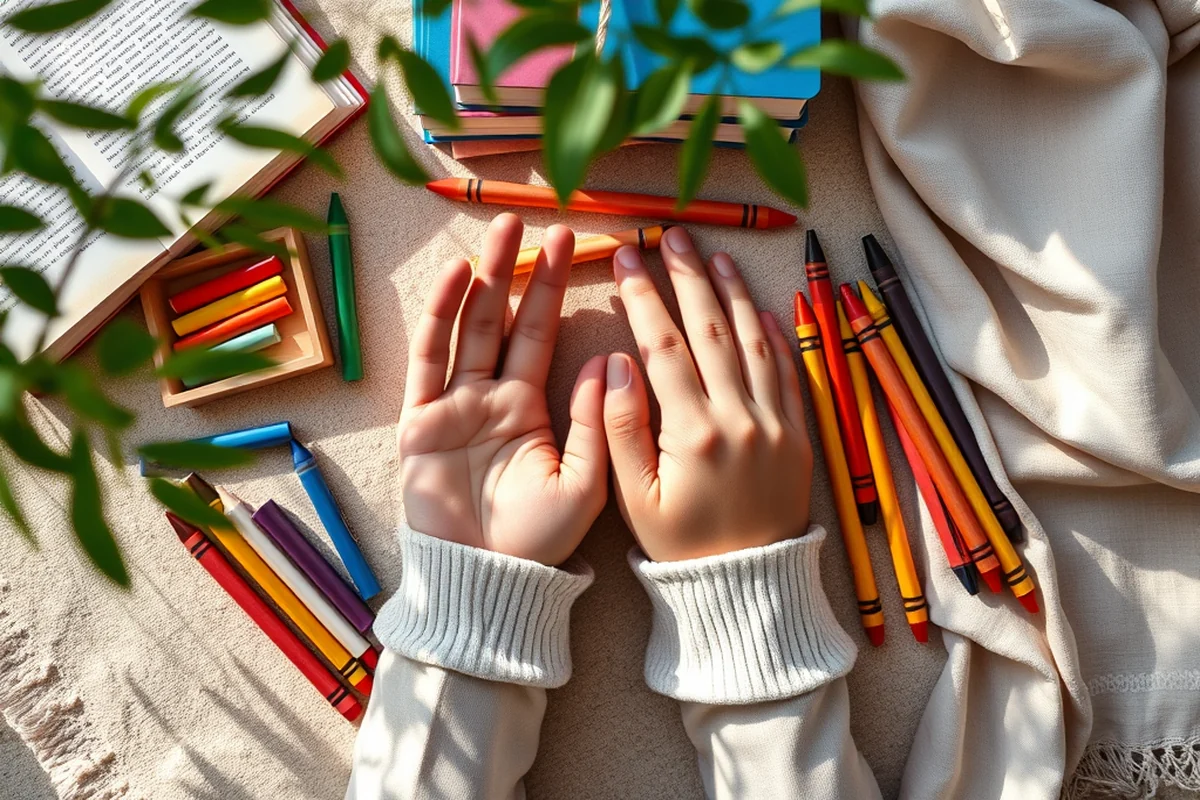
Creativity is not limited to art or music—it can also be found in movement. Dance, free play, and imaginative games all offer opportunities for children to explore their creativity and think outside the box.
My son loves the 'imagine your own sport' activity in his physical education class. He and his classmates create their own games, using everyday items as equipment. This not only sparks creativity but also teaches them to think critically and work together.
The best physical education teaching methods give children the freedom to explore and invent. This kind of openness helps them develop a sense of ownership over their learning and fosters a love for movement that lasts a lifetime.
Related: Best teaching physical education journal
Promoting Lifelong Fitness Habits
One of the most important benefits of a well-designed physical education teaching method is that it helps children develop fitness habits that last into adulthood. When kids associate movement with fun, they're more likely to stay active as they grow older.
I've noticed that my son now asks to play outside more often, even on days when he doesn't have a structured physical education class. He's learned to value movement and has developed a routine that includes daily exercise.
The key to promoting lifelong fitness is consistency and variety. A physical education teaching method that includes a mix of activities ensures that children find something they enjoy and can continue doing throughout their lives.
Related: Top teaching physical education journal
Supporting Motor Skill Development
Motor skill development is a critical part of early childhood education. Activities that involve running, jumping, climbing, and balancing help children develop the gross motor skills needed for everyday tasks.
In my son's class, they have activities that involve climbing walls, balancing beams, and obstacle courses. These activities not only make movement fun but also help children build the muscle strength and coordination needed for more complex tasks later in life.
Fine motor skills are also developed through activities like throwing, catching, and manipulating small objects. A well-rounded physical education teaching method includes a balance of both gross and fine motor skill development to ensure that children are physically prepared for the challenges ahead.
Movement is the foundation of all development in early childhood.
Related: Best teaching in physical education journal
Creating a Positive Learning Environment
When children feel safe and supported, they are more likely to take risks, explore new ideas, and engage fully in learning. A positive learning environment is at the heart of any effective physical education teaching method.
I've seen how the physical education teachers in my son's school go out of their way to make sure every child feels included and valued. They create an atmosphere where mistakes are part of the learning process and where every child can thrive.
The best physical education teaching methods prioritize the emotional well-being of children. By fostering a sense of belonging and encouraging positive interactions, these methods help children feel confident and motivated to learn.
Enhancing Cultural Awareness Through Global Sports and Traditions
I introduced a unit on international sports, where students learned about traditional games from various countries, such as Japan’s Kendo, Brazil’s Capoeira, and India’s Kabaddi. Each session included a 15-minute demonstration, followed by a hands-on activity where students could practice the basic moves. This approach not only exposed students to new physical activities but also sparked curiosity about different cultures. Students were amazed to learn that some sports had been played for centuries and were deeply tied to the history of the region.[3]
To make the experience more immersive, I partnered with a local cultural center to bring in guest speakers and performers who demonstrated the sports in their traditional forms. Students had the chance to interact with these experts and ask questions, which deepened their understanding of the cultural significance behind each sport. This collaboration cost around $200 for the event, but the impact on student engagement and learning was significant. Students began discussing the history and values associated with these sports in class and even started researching more about the cultures they were interested in.[4]
I also created a project where students researched and presented on a sport from their heritage or a country of interest. This not only reinforced their learning but also allowed students to share their own cultural backgrounds with the class. One student, for example, presented on the traditional sport of Sepak Takraw from Malaysia, and it inspired others to explore similar activities. This unit took about four weeks to complete and was a highlight of the semester for many students, who appreciated the opportunity to connect physical activity with cultural learning.
🧸 Active Play for Younger Kids
Simple, unstructured play that encourages movement and exploration in children aged 3-6.
⚽ Team Sports for Older Kids
Structured team activities that teach cooperation and strategy in children aged 7-12.
🧘 No-Prep Fitness
Quick, easy fitness routines that require no equipment and can be done anywhere.
🤝 Group Fitness Challenges
Collaborative fitness activities that encourage teamwork and healthy competition.
🎨 Creative Movement Workshops
Inventive movement activities that combine art and physical education to spark creativity.
| The mistake | Why it happens | The fix |
|---|---|---|
| Ignoring the emotional aspect of physical education. | Focusing only on physical activity without considering emotional well-being can lead to anxiety and a lack of motivation. | Balance physical activity with emotional support, and create a safe environment where children feel encouraged and supported. |
| Overlooking individual needs and abilities. | Not accounting for each child's unique abilities can lead to frustration and disengagement. | Design activities that are adaptable and inclusive, allowing every child to participate at their own pace. |
| Making activities too competitive. | Too much competition can lead to stress, frustration, and a negative experience for some children. | Focus on fun, collaboration, and personal growth rather than winning or losing. |
| Lack of variety in activities. | Limited variety can lead to boredom and disengagement, reducing the effectiveness of the teaching method. | Incorporate a wide range起来 of activities to keep children interested and motivated to participate. |
Physical Education Teaching Method Benefits
Common Questions
How can I support my child's physical education at home?
What are the long-term benefits of physical education?
How can I ensure my child is getting enough physical education?
Can physical education help with academic performance?
References
- NOTICE OF PUBLIC MEETING - Arizona State Board of Education (azsbe.az.gov)
- Exploring Student Perceptions to Explain the Relationship Between ... (digitalcommons.unl.edu)
- Researching Sport Education Appreciatively (files.eric.ed.gov)
- Teaching physical education abroad: Perspectives from host cooperating ... (sciencedirect.com)
Cite this guide
Teaching Physical Education at Home (2026). Physical Education Teaching Method Benefits. https://growfromplay.com/physical-education-teaching-method-benefits/
Feel free to cite or share this guide.
Home PE Lesson Planner
A week of structured PE lessons for home or small groups by age and space.
Open it free →