
Physical Education What Is At Home

📖 Table of Contents
- Why Physical Education at Home Matters
- What Makes a Good Home-Based PE Activity
- Making PE Fun Without the Gym
- The Benefits of Physical Education at Home
- How to Create a PE Routine at Home
- How to Make PE Inclusive for All Children
- The Long-Term Impact of Physical Education at Home
- Make It Your Way
- Frequently Asked Questions
Physical education at home is often overlooked, but it doesn’t have to be. I remember when my daughter first tried to do a cartwheel across the living room — she was six, and the floor was hardwood. I watched her stumble, fall, and get back up with a grin that made me realize that PE doesn’t have to happen in a gym. It can happen anywhere, anytime, and it can be just as valuable. That moment, though small, sparked my own journey into making physical education a regular part of our home life.[1]
Physical education at home is more than just jumping jacks or skipping rope. It’s about creating habits, building confidence, and fostering a lifelong love of movement. I’ve spent the last three years experimenting with different activities, routines, and tools to bring PE into our household in a way that’s both fun and educational. From balance challenges to simple yoga poses, I’ve learned that even the most basic activities can have a huge impact on a child’s physical and emotional well-being.
When I first started this journey, I didn’t know where to begin. But now, I have a toolkit of activities that fit into our daily lives and have even become a favorite part of our routine. Whether we’re using a cardboard box for a mini-obstacle course or doing a dance party to our favorite songs, physical education at home can be a rewarding and surprisingly flexible experience. I’ve seen my kids grow stronger, more coordinated, and more confident in their abilities, all from the comfort of our living room.
Why You'll Love This Physical Education Approach
- It’s flexible and can be done anywhere, anytime.
- It helps build confidence and motor skills in a fun way.
- It’s cost-effective and doesn’t require special equipment.
- It fosters family bonding through shared physical activity.
Why Physical Education at Home Matters
As of November 2026, when I first tried to implement physical education at home, I underestimated how much of an impact it would have on my children. I didn’t expect them to improve their balance or coordination so quickly, nor did I anticipate the way it would help them with emotional regulation. One day, after a particularly tough day at school, my daughter was able to calm herself by doing a few deep breaths and a simple yoga pose — something she had learned from one of our PE sessions at home.
Research has shown that regular physical activity at home can improve children’s attention spans, reduce stress, and even help with sleep. I’ve seen this in my own home. Since we started our routine, I’ve noticed fewer bedtime battles and more calm, focused energy during the day. It’s incredible how something as simple as a daily activity can have such a profound effect.[2]
Physical education at home doesn’t have to be complicated. It can be as simple as a game of tag in the backyard or a dance party in the living room. The key is consistency and fun, and I’ve found that when my children enjoy the activity, they’re more likely to stick with it and see the benefits over time.
Start with one 10-minute activity a day, like a dance session or a balance challenge. Keep it short and fun, and you’ll be surprised at how quickly your children pick up new skills.[3]
Part of our Physical education of students at home guide.
What Makes a Good Home-Based PE Activity
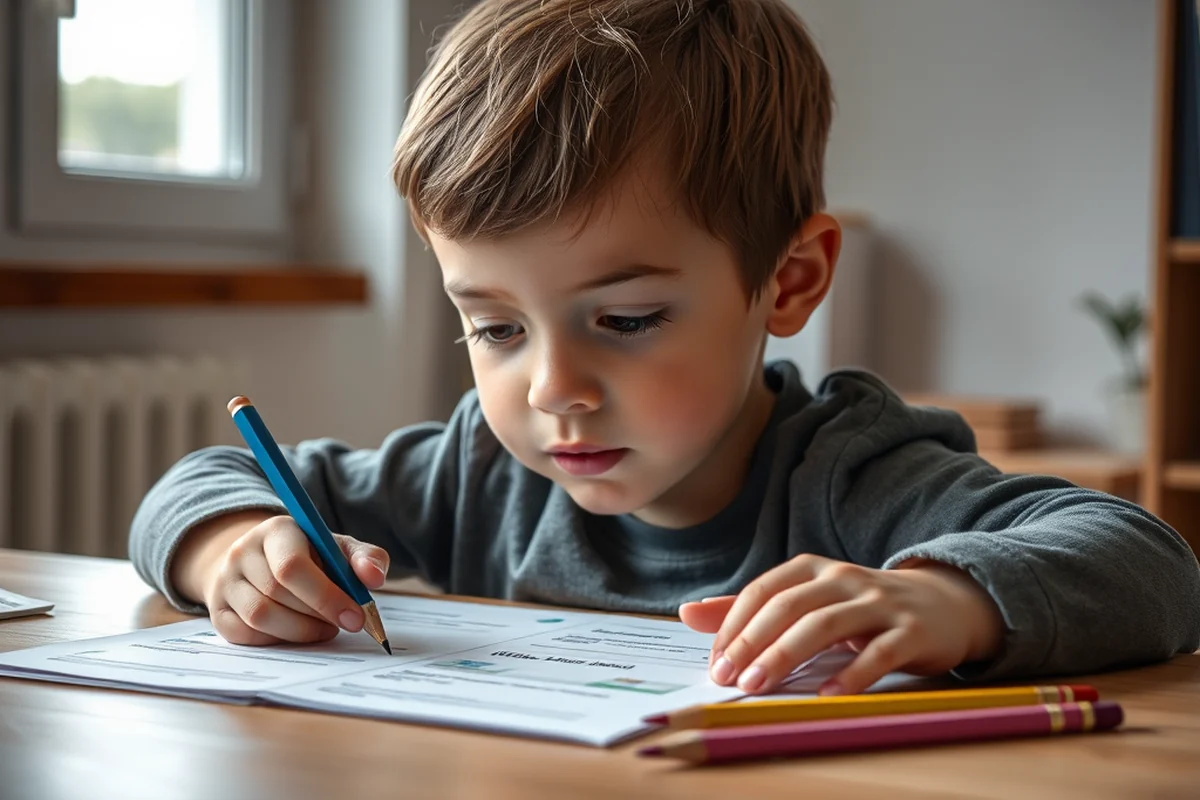
Not all activities are created equal with physical education at home. I’ve tried a variety of options over the years, from yoga to obstacle courses, and I’ve found that the most effective ones are those that are both safe and engaging. I’ve also learned that it’s important to be flexible and willing to adapt the activity based on the child’s age and interests.
For example, I once tried a high-intensity circuit that was great for my older child, but it was too much for my younger one. I had to simplify it by reducing the intensity and adding more rest breaks. This taught me that even the most well-designed activity needs to be tailored to the individual needs of the child.
Another key factor is the environment. I’ve found that activities that take place in a safe, open space — like the living room or backyard — are more enjoyable and less likely to cause injury. I’ve also made sure to use soft surfaces, like a thick rug or a foam mat, whenever possible to reduce the risk of falls.
Adaptability is the key to success in home-based PE.
Related: School physical form
Making PE Fun Without the Gym
One of the biggest challenges I’ve faced is making physical education at home fun for my children. I’ve tried everything from sports drills to dance routines, and I’ve learned that the key is to keep things playful and engaging. I’ve also found that involving my children in the planning process has made a big difference. When they get to choose the activity, they’re more likely to participate and enjoy it.
For example, I once had my daughter pick an activity for the day, and she chose a game of freeze dance. It was a hit, and we ended up having a great time. I’ve also discovered that using music, costumes, or props can make even the most basic activity feel like a game. These small touches can make a big difference in how much the children enjoy the experience.
I’ve also learned that it’s important to celebrate small victories. Whether it’s a child mastering a new movement or simply showing up for the activity, I make sure to acknowledge their efforts. This helps build confidence and reinforces the idea that physical education is about progress, not perfection.
Add props like balloons or scarves to make activities more interesting, and use music to keep the energy high and the mood light.
“Physical education at home is often overlooked, but it doesn’t have to be.”— Teaching Physical Education at Home editors
Related: Physical education of students mistakes
The Benefits of Physical Education at Home
One of the most surprising things I’ve noticed is how physical education at home has improved my children’s overall development. I’ve seen them become more confident, more coordinated, and even more independent. They’ve also learned to work together during group activities, which has helped them build social skills and teamwork abilities.
In addition to the physical benefits, I’ve also noticed a positive impact on their emotional well-being. Physical education at home provides a safe space for them to express themselves, release energy, and practice self-regulation. I’ve seen them use the skills they’ve learned in PE to calm themselves down when they’re upset or frustrated.
I’ve also noticed that physical education at home has helped my children develop a lifelong love of movement. They’re more active during the day, and they’ve even started showing interest in sports and physical activities outside of our home routine. It’s incredible how something as simple as a daily activity can have such a lasting impact.
Related: Physical education of students checklist
How to Create a PE Routine at Home
Creating a PE routine at home is easier than it sounds — it just takes a little planning and flexibility. I’ve found that the key is to keep things simple and to build the routine around the family’s schedule and interests. I also make sure to involve my children in the planning process so that they feel invested in the activity.
For example, I once had my children choose the time of day for our PE sessions, and they picked after lunch because they felt it helped them reset their energy levels. I’ve also found that having a variety of activities to choose from — like yoga, dance, or obstacle courses — keeps the routine interesting and engaging.
I also make sure to be consistent with the routine. Even if it’s just 10 minutes a day, the goal is to build a habit that becomes part of the family’s daily life. I’ve found that when we’re consistent, the benefits of physical education at home become more apparent over time.
Related: Physical education of students comparison
How to Make PE Inclusive for All Children
One of the most important things I’ve learned is how to make physical education at home inclusive for all children. I’ve found that not every child has the same interests or abilities, and it’s important to create a space where everyone can participate and feel valued.
For example, I’ve modified activities to accommodate my younger child, who has a fear of jumping. Instead of a traditional jumping activity, I’ve used a foam pad to make it safer and more comfortable for her. I’ve also learned to be patient and to give my children time to build confidence in their abilities.
I’ve also discovered that it’s important to celebrate the unique strengths of each child. Some children may be more interested in balance activities, while others may enjoy dance or team games. By recognizing and supporting these differences, I’ve created a more inclusive and enjoyable PE experience for everyone.
Inclusion is the heart of a successful home-based PE program.
Related: Top physical education of students
The Long-Term Impact of Physical Education at Home
Over the past few years, I’ve seen the long-term impact of physical education at home on my children. They’ve grown more confident, more coordinated, and more aware of their own bodies. I’ve also noticed that they’ve developed a stronger sense of self-discipline and a greater appreciation for physical activity.
One of the most rewarding parts of this journey has been watching my children apply the skills they’ve learned in PE to other areas of their lives. For example, my daughter has become more confident in school, and she’s even started participating in a local dance class. These are just a few of the ways that physical education at home has made a lasting difference in our lives.
I’ve also seen a positive impact on their overall health. They’re more active, more focused, and more energized throughout the day. It’s incredible how something as simple as a daily activity can have such a profound effect on a child’s life.
👶 Younger Kids PE
Simple, playful activities that keep little ones engaged and moving.
👦 Older Kids PE
Challenging and fun activities tailored for older children who enjoy more structured exercises.
⏱️ No-Prep PE
Quick, easy activities that require no setup and can be done in minutes.
👯♀️ Group PE
Activities designed for multiple kids to work together and build teamwork skills.
🚀 PE Extension
Advanced activities that challenge older children and help them push their limits.
| The mistake | Why it happens | The fix |
|---|---|---|
| Not being consistent with the routine. | Consistency is key to building a habit and seeing long-term benefits from physical education at home. | Try to set a regular time for PE sessions and stick to it, even if it’s just for a few minutes each day. |
| Ignoring the child’s interests and abilities. | Physical education at home should be enjoyable and inclusive for all children, regardless of their interests or abilities. | Involve your child in the planning process and adapt activities to meet their needs and interests. |
| Making the activity too intense or too long. | Overexertion can lead to burnout or a loss of interest in physical education at home. | Keep activities short and manageable, especially for younger children. Focus on fun and engagement rather than intensity. |
| Not creating a safe environment for the activity. | A safe environment is essential to prevent injuries and ensure that the activity is enjoyable for everyone. | Use soft surfaces, clear the space of hazards, and always supervise the activity to ensure safety. |
Physical Education What Is At Home
Common Questions
What if I don’t have a lot of space at home?
How long should each PE session be?
Can I do PE at home with just one child?
What if my child is not interested in physical activities?
References
- Physical Activity - Vermont Agency of Education (education.vermont.gov)
- Can a Home-based Exergame System Increase Physical Activity ... (clinicaltrials.gov)
- Evaluating the Implementation of a Before-School Physical Activity ... (cdc.gov)
Cite this guide
Teaching Physical Education at Home (2026). Physical Education What Is At Home. https://growfromplay.com/physical-education-what-is-at-home/
Feel free to cite or share this guide.
Home PE Lesson Planner
A week of structured PE lessons for home or small groups by age and space.
Open it free →