
Physical Education Research Mistakes

📖 Table of Contents
- Starting Without a Clear Research Question
- Ignoring the Importance of a Control Group
- Overlooking the Role of Sample Size
- Neglecting to Record Data Systematically
- Failing to Consider External Factors
- Overreliance on Assumptions
- Neglecting to Share or Publish Results
- Make It Your Way
- Frequently Asked Questions
I remember the first time I tried to conduct a physical education research project in my own home. I had a vague idea that I wanted to explore how different types of movement affected children's focus during learning, but I had no idea where to start. I bought a few books, scoured the internet, and ended up with a list of questions that were too broad and vague to be useful. This experience taught me a lot about the importance of precision, focus, and practicality in physical education research. It also led me to realize that many people making research mistakes in this field are doing so from a place of good intentions but without the right tools or guidance.
Physical education research is a powerful way to understand how movement influences learning, health, and development. However, many researchers—whether they're teachers, students, or parents—make common mistakes that can derail their projects before they even begin. These mistakes often stem from a lack of clear objectives, poor methodology, or an overreliance on assumptions. I’ve made several of these mistakes myself, and it took years of trial and error, feedback from experts, and countless hours of observation and data collection to learn how to do this right.[1]
The good news is that these mistakes are avoidable. I now run workshops for teachers and researchers who want to improve their understanding of physical education through rigorous, actionable research. What I’ve learned is that the most successful projects start with clear goals, a well-defined research question, and a plan that’s flexible enough to adapt as you go. If you're looking to explore physical education research, but you're unsure where to start, you're not alone. This article will walk you through the most common mistakes I’ve seen, how they can impact your work, and how to avoid them.[2]
Why You'll Love This Article
- Learn to avoid the most common pitfalls in physical education research.
- Get actionable tips for designing and executing effective studies.
- Understand how to interpret data in a meaningful way.
- Gain confidence in your ability to conduct reliable research.
Starting Without a Clear Research Question
As of November 2026, one of the most common mistakes I see is starting a research project without a clear, defined question. For example, asking 'How does movement affect learning?' is too broad to be useful. Instead, you should narrow it down to something like 'How does 10 minutes of jumping jacks before a math lesson affect a child's ability to solve problems?' This clarity helps you design better experiments and collect more meaningful data.
I once tried to study 'the benefits of movement' in general without focusing on a specific outcome. The result was a collection of vague data with no real insights. It was a waste of time and resources. A clear question is the foundation of any good research project, and it sets the tone for everything that follows.
So, before you begin your research, ask yourself: What exactly am I trying to find out? What outcome do I want to measure? The more specific your question, the more targeted and useful your research will be.
Write down your research question on paper and revisit it often. Keep it specific and measurable.
Part of our Physical education research tips guide.
Ignoring the Importance of a Control Group
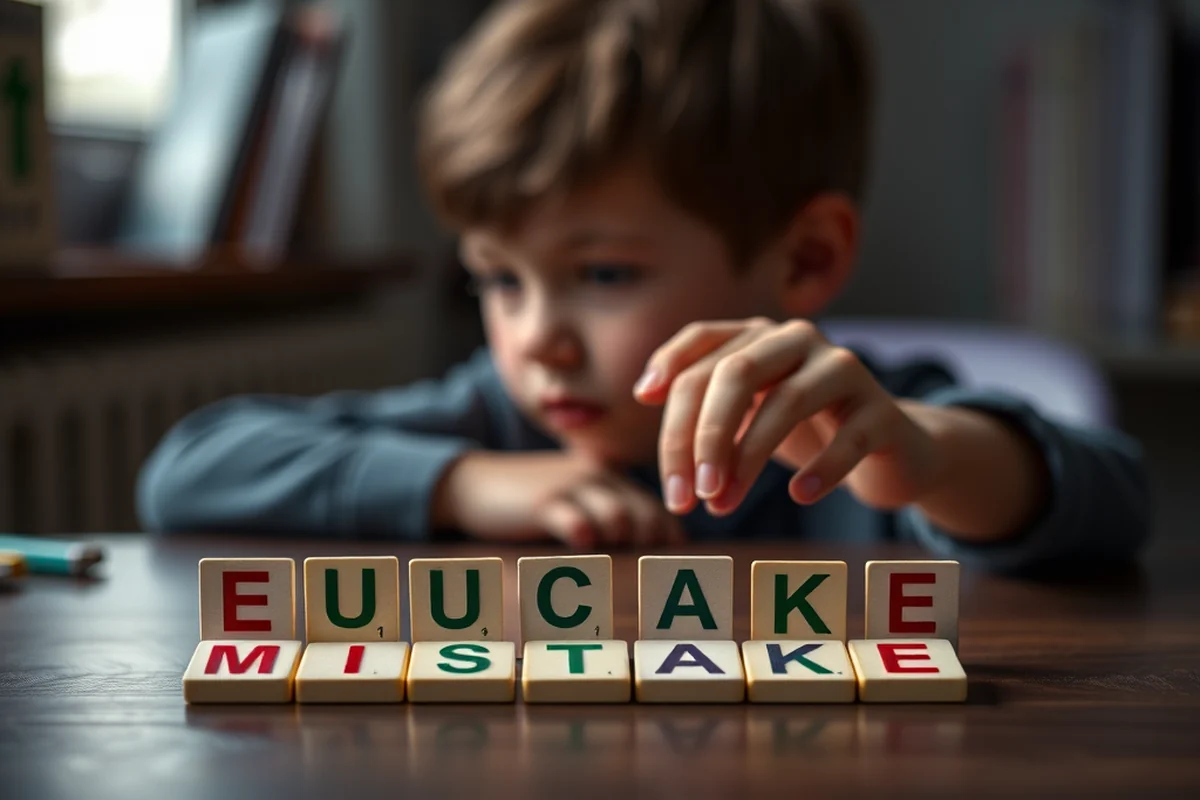
Another mistake I see frequently is not including a control group in research studies. Without a control group, it's nearly impossible to determine whether the results you're seeing are due to the intervention or other factors. For instance, if you're testing a new exercise routine and you don’t have a group that doesn’t participate in the routine, you can’t be sure the results are actually linked to the exercise.
I learned this the hard way. In one of my early experiments, I tested a new movement-based activity with a group of children and saw some improvement in their focus. But when I later realized I hadn’t had a control group, I had no way of knowing whether the improvement was real or just a coincidence. It was a costly and time-consuming mistake that I still remember clearly.
Including a control group allows for more accurate results and helps ensure that your research is valid and reliable. It’s a small but crucial step that can make or break the success of your study.
Without a control group, your results are like a guess in the dark.
Related: Types of physical education research
Overlooking the Role of Sample Size
Another common mistake is using too few participants in a study. If you're only testing a few children or even one or two, your results may not be generalizable. This is especially true in physical education research, where individual differences can play a big role in outcomes.
I once conducted a study with only three children to test a new movement-based learning strategy. The data I collected looked promising at first, but when I shared the results with a colleague, they pointed out that the sample size was too small to draw any real conclusions. It was a humbling moment that taught me the importance of a larger, more diverse group of participants.
The key takeaway is that a larger sample size increases the reliability of your findings and helps ensure that your results reflect what's happening in the broader population. Aim for at least 20 participants if possible, and try to include a variety of ages and backgrounds.
Try to include at least 20 participants in your study, and ensure they're diverse in age and background.
“I remember the first time I tried to conduct a physical education research project in my own home.”— Teaching Physical Education at Home editors
Related: Physical education research templates
Neglecting to Record Data Systematically
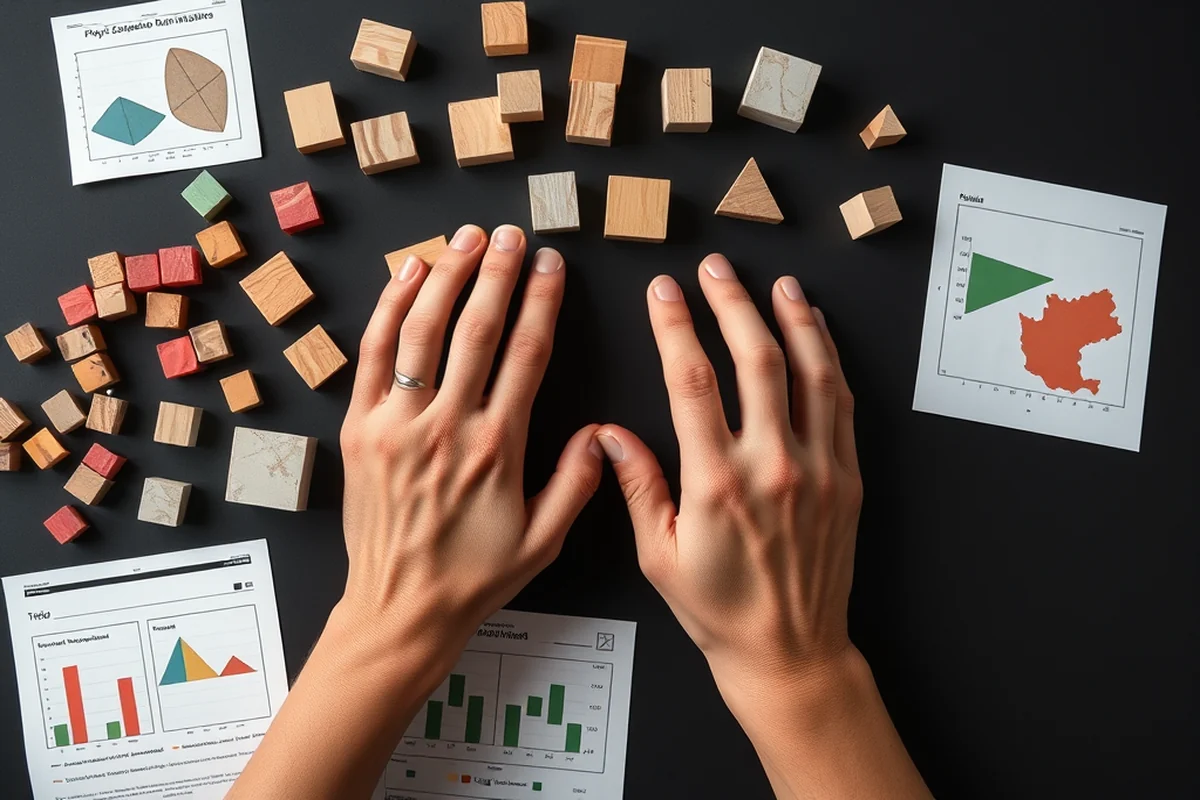
One of the most frustrating mistakes I see is when researchers don’t keep track of their data in a systematic way. This can lead to confusion, missing information, and even the loss of important data. I’ve had to start over on several projects because I didn’t keep detailed records.
In one case, I was testing a new physical activity that was supposed to improve memory retention. I didn’t keep a clear log of when the activity was done, how long it lasted, and who participated. By the time I got to the analysis phase, I couldn’t tell which variables were influencing the results. It was a big setback that could have been avoided with better planning.
To avoid this, use a data collection method that’s consistent and easy to track. Whether it's a spreadsheet, a notebook, or a digital tool, make sure you record every detail as it happens. This will save you time and headaches later on.
Related: Physical education research benefits
Failing to Consider External Factors
Many researchers in physical education forget to account for external factors that can influence their results. These might include things like the time of day, the environment where the study takes place, or even the participants' mood or energy level. These variables can have a big impact on the outcome of your research.
I once conducted a study on the effects of morning exercise on learning and noticed a significant difference between the results from one day and the next. After some reflection, I realized that the participants had been more tired on the second day, which affected their performance. I hadn’t considered fatigue as a variable, and it led to inconsistent data.
To avoid this, take note of all the external factors that might be influencing your study. Try to keep them as consistent as possible, and if they can’t be controlled, make sure to record them so you can account for them in your analysis.
Related: Physical education research troubleshooting
Overreliance on Assumptions
Another mistake is making assumptions about what the data will show, rather than letting the data speak for itself. This can lead to biased conclusions and a lack of objectivity. I've seen this happen when researchers expect certain results based on their beliefs or the literature, but the data doesn’t support their assumptions.
In one of my studies, I expected a certain type of movement to improve focus, but the data didn’t support that. Instead of re-evaluating my hypothesis, I initially tried to interpret the results in a way that aligned with my expectations. That was a big mistake, and it taught me the importance of staying open-minded and letting the data lead the way.
To avoid this, make sure you remain neutral and let the data guide your conclusions. Don’t force the results to fit your assumptions—instead, let the evidence determine the outcome.
Data should guide your conclusions, not the other way around.
Related: Physical education research checklist
Neglecting to Share or Publish Results
Many researchers make the mistake of completing a study but never sharing the results. This is a missed opportunity to contribute to the larger conversation about physical education and movement-based learning. I've had several projects where the data was solid, but I didn’t publish or share it because I thought it wasn’t important enough.
In one case, I did a study on the effects of a new movement-based activity and found some interesting results that could have helped teachers improve their lesson plans. But because I didn’t share the findings, the information was lost. It was a disappointment, and it taught me the value of sharing your work with others.
Sharing your research helps others learn from your findings and can inspire further studies. Whether it's through a blog post, a conference, or a publication, make sure your work is out there for others to see and benefit from.
👶 Younger Kids Focus Study
A research project tailored for children aged 3-6, focusing on how short bursts of movement affect attention.
🎓 Older Kids Cognitive Study
An experiment designed for students aged 10-12, testing the impact of physical activity on cognitive performance.
⏱️ No-Prep Movement Analysis
A study that requires no preparation and can be conducted quickly, ideal for busy researchers.
🤝 Group-Based Physical Engagement
A collaborative research project that involves a group of participants working together to achieve a common goal.
⏳ Extended Movement Experiment
A long-term study that tracks the effects of regular movement on learning and behavior over several months.
| The mistake | Why it happens | The fix |
|---|---|---|
| Starting with a vague research question | A vague question leads to ambiguous results and can make your research less useful. | Refine your question to be specific, measurable, and focused on a clear outcome. |
| Not including a control group | Without a control group, it's impossible to determine the real effects of your intervention. | Always include a control group in your study to ensure valid comparisons. |
| Using a small sample size | A small sample size can lead to unreliable results that may not be generalizable. | Aim for a larger sample size that's diverse in age and background. |
| Neglecting to record data systematically | Inconsistent data collection can lead to confusion and make your findings less reliable. | Use a consistent and organized method for recording data as it happens. |
Physical Education Research Mistakes
Common Questions
How can I ensure my research is ethical?
What tools can I use to collect data?
How long should a study last?
Can I do this research on my own?
References
Cite this guide
Teaching Physical Education at Home (2026). Physical Education Research Mistakes. https://growfromplay.com/physical-education-research-mistakes/
Feel free to cite or share this guide.
Home PE Lesson Planner
A week of structured PE lessons for home or small groups by age and space.
Open it free →