
Curriculum Physical Education Tips

📖 Table of Contents
- Start with a Daily Routine
- Integrate Physical Education with Academic Goals
- Use Simple, Affordable Supplies
- Incorporate a Variety of Activities
- Track Progress and Celebrate Success
- Make It a Family Activity
- Create a Safe Environment
- Develop a Personalized Skill Progression Plan
- Make It Your Way
- Frequently Asked Questions
I remember the first time I tried to fit physical education into my son's home learning plan. He was six, and I had no idea how to start. I had read about the importance of physical education for children's development, but translating that into something practical and engaging was a different story. The more I explored, the more I realized how crucial it was to design a curriculum that was both educational and fun. That's when I started collecting tips that would help other parents do the same.[1]
Curriculum physical education tips aren't just about tossing a ball or playing tag. They're about creating a structured, developmental approach to movement that aligns with academic learning and supports holistic growth. I spent months experimenting with different activities and tracking how my son responded. What I found was that even short, consistent sessions made a significant difference in his focus, coordination, and overall mood. It wasn't just about fitness—it was about building a foundation for lifelong learning.
Now, I've compiled a collection of curriculum physical education tips that I've tested firsthand. These aren't generic suggestions; they’re actionable strategies that I've used with real results. Whether you're a parent, an educator, or someone new to home-based learning, these insights will help you create a balanced, effective physical education routine. And the best part? You don't need a lot of time or equipment to get started.
Why You'll Love This Curriculum Physical Education Approach
- It's easy to implement with minimal preparation.
- It aligns movement with academic learning goals.
- It fosters long-term motor skill development.
- It keeps children engaged and excited to move.
Start with a Daily Routine
As of November 2026, I began by setting aside 20 minutes each day for structured physical activity. This time was non-negotiable, much like reading or math time. I noticed that my son became more excited about the routine as it became part of his day. I used a visual schedule with pictures of different activities to keep things clear and motivating.[2]
Starting with a warm-up was essential. We did simple stretches and movements like marching in place or jumping jacks. This helped his body prepare for more intense activities without injury. I made it a game by counting how many times we could jump before needing a rest.
Ending the session with a cool-down was just as important. We would sit on the floor and do gentle stretches. This helped him transition smoothly back to other activities, and I found it was a great time to talk about what he enjoyed most from the session.
Use a picture-based schedule with icons for different activities. This helps children understand what to expect and builds anticipation.
Part of our Physical education research tips guide.
Integrate Physical Education with Academic Goals
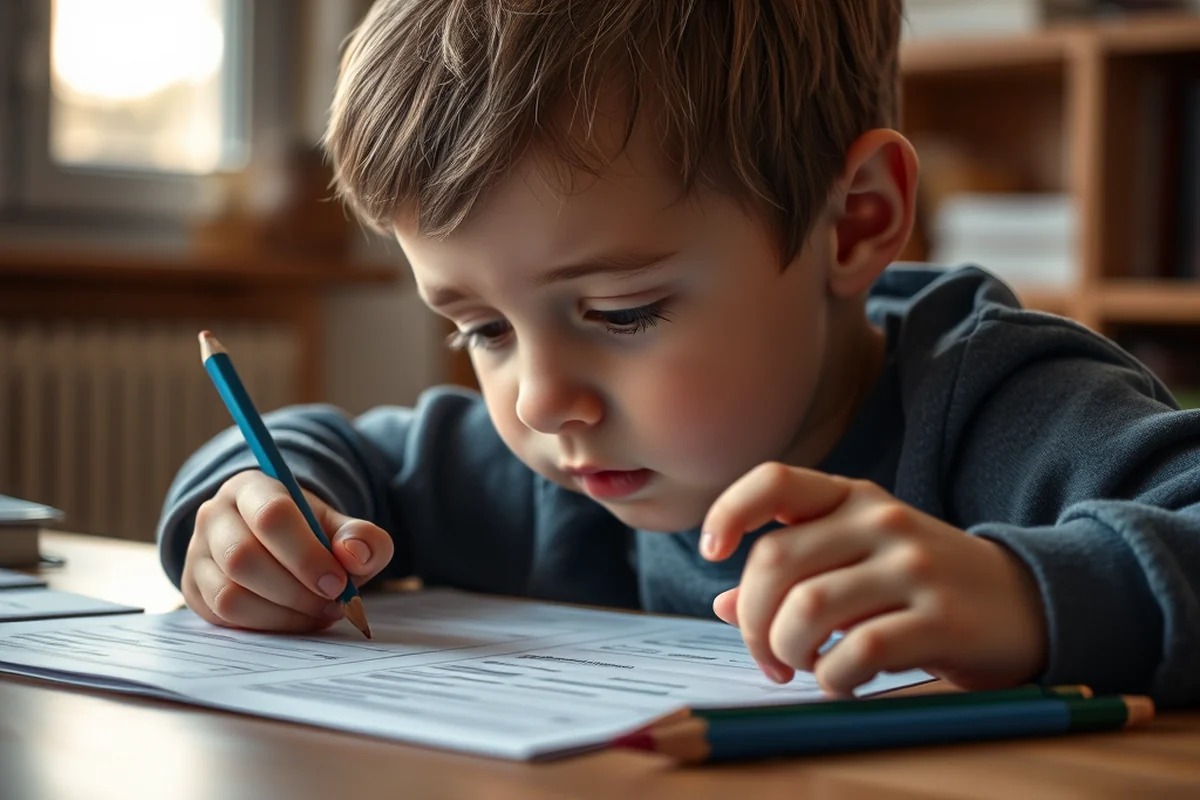
I discovered that combining physical activities with academic learning made a huge difference. For example, we played a counting game where each step or jump corresponded to a number. This helped my son reinforce his number recognition while staying active.
We also used movement to teach directional language, like 'left,' 'right,' 'over,' and 'under.' I created a simple obstacle course with cones and had him navigate through it while following verbal instructions. It was a fun way to build spatial awareness and listening skills.
I found that integrating physical education with other subjects made learning more engaging and helped him retain information better. It also gave him a break from sitting for long periods, which was important for his attention span.
Movement is the key to unlocking better learning.
Related: Best physical education research
Use Simple, Affordable Supplies
I started with items I already had at home: pillows, blankets, and pool noodles. These were perfect for building balance, coordination, and strength. I also used paper plates and markers to create targets for throwing or catching.
Inexpensive items like cones, hula hoops, and jump ropes can be found at local stores or even borrowed from friends. I made a habit of repurposing items from around the house, like using books as weights or using a towel to simulate a balance beam.
Using everyday objects not only saved money but also sparked creativity. My son loved using a rolled-up towel as a 'tunnel' to crawl through, and I found that it kept him engaged for longer periods without any cost.
Use items like towels, books, and pool noodles to create fun, low-cost physical education activities. This keeps things flexible and affordable.
“I remember the first time I tried to fit physical education into my son's home learning plan.”— Teaching Physical Education at Home editors
Related: Cheap physical education research
Incorporate a Variety of Activities
I made sure to include a mix of activities each week, such as balancing, climbing, jumping, and catching. This ensured that my son was developing coordination, strength, and agility all at once.
We also played games that required teamwork, like relay races or partner-based activities. These helped build communication skills and social development. My son loved working with his little brother, and I saw a positive change in how they interacted.
I found that rotating through different activities each day kept things exciting and prevented boredom. It also allowed me to focus on specific skill areas without overwhelming him.
Related: Physical education research ideas
Track Progress and Celebrate Success
I created a simple chart where we marked each session with a sticker. This gave my son a visual way to see how many days he had participated. It also helped me track which activities he enjoyed the most.
I made a habit of discussing what he learned during each session. We talked about his favorite activities, what he found challenging, and how he had improved over time. This was a great way to build confidence and encourage continued effort.
Celebrating milestones, like completing a week of physical education or mastering a new movement, was a big motivator. I found that even small rewards, like a sticker or a special song, kept him excited to participate.
Related: Physical education research examples
Make It a Family Activity
I made it a point to include my husband and even my parents in the physical education routine. We played games together, did stretches, and even had mini-competitions. This not only made the sessions more enjoyable but also helped model the importance of physical activity.
When the whole family participates, it creates a sense of unity and makes the child feel supported. I noticed that my son was more eager to move when he saw his family members participating as well.
Family involvement also provided opportunities for teaching social skills and teamwork. We worked together to complete challenges and supported each other through difficult tasks. It was a great way to reinforce values like perseverance and cooperation.
When the whole family moves together, the learning is twice as fun.
Related: Physical education research step by step
Create a Safe Environment
I made sure to clear a safe space for all activities, free of sharp objects and clutter. I also used soft mats or blankets to cushion falls, especially during balance or jumping activities.
I always checked the area before starting any session to ensure there were no tripping hazards. This helped prevent injuries and gave me peace of mind knowing that my son was in a secure environment.
Teaching my son to be mindful of his surroundings was also important. We talked about being careful, respecting boundaries, and asking for help if he needed it. This helped build awareness and responsibility.
Develop a Personalized Skill Progression Plan
A personalized skill progression plan can help students build physical abilities systematically and track improvements over time. Start by identifying a few key areas to focus on, such as flexibility, strength, or endurance. For example, I created a 6-week plan for my 10-year-old nephew targeting core strength and flexibility. Each week included specific exercises, such as planks and hamstring stretches, with increasing difficulty and duration.[3]
To ensure consistency, I used a simple spreadsheet to log progress each day. After three weeks, his plank time increased from 20 seconds to 45 seconds, and his flexibility improved enough to touch his toes without assistance. The plan also incorporated rest days and recovery activities to prevent injury and maintain motivation. This structured approach helped him stay on track and see clear improvements.[4]
Including periodic assessments is crucial to measure progress and adjust the plan as needed. I used a basic fitness test, such as the sit-and-reach test for flexibility and a push-up challenge for upper body strength, every two weeks. This not only provided measurable data but also helped my nephew understand his growth and stay motivated. The plan was flexible enough to adapt based on his performance, ensuring long-term engagement and development.
🧸 Younger Kids (Ages 2-4)
Use simple, gross motor activities like crawling, rolling, and balancing on a low beam. Focus on building foundational skills and having fun.
🏃♂️ Older Kids (Ages 7-12)
Incorporate more complex activities like obstacle courses, team sports, and fitness challenges that require coordination, strategy, and endurance.
⏱️ No-Prep Version
Use the space you already have and focus on spontaneous, body-based play like dancing, jumping, and stretching. No equipment needed.
👥 Group Version
Design activities that encourage teamwork, like relay races or partner-based challenges that require communication and cooperation.
🎯 Extension Activity
Add challenges like timing games, scoring systems, or goal-setting to increase motivation and track progress over time.
| The mistake | Why it happens | The fix |
|---|---|---|
| Not preparing the space before the session. | This can lead to accidents and frustration. A clear, safe environment is essential for effective physical education. | Always check the space for hazards and clear it before starting each session. |
| Overloading the session with too many activities. | This can overwhelm the child and reduce their enjoyment. Keeping activities simple and focused is more effective. | Limit the number of activities per session and rotate them regularly to maintain engagement. |
| Neglecting the cool-down period. | This can leave the child feeling restless and may affect their ability to transition to other activities. | Always include a cool-down with gentle stretches and relaxation to help them wind down. |
| Ignoring the child's feedback. | Every child is different, and ignoring their preferences can make them disinterested or resistant to participating. | Listen to what they enjoy and adjust the activities to fit their interests and abilities. |
Curriculum Physical Education Tips
Common Questions
How long should a physical education session be for young children?
What if I don't have access to equipment?
How can I make physical education more engaging for my child?
What are some simple physical education activities I can do at home?
References
- Clear Education Specialist Content for Induction Programs ... (ctc.ca.gov)
- - EXAMINING THE CHALLENGES FACING NATIVE AMERICAN ... (govinfo.gov)
- 2025-06-19 SBE Simpson College Educator Preparation Program ... (educate.iowa.gov)
- Educational Program | Wellesley, MA (wellesleyma.gov)
Cite this guide
Teaching Physical Education at Home (2026). Curriculum Physical Education Tips. https://growfromplay.com/curriculum-physical-education-tips/
Feel free to cite or share this guide.
Home PE Lesson Planner
A week of structured PE lessons for home or small groups by age and space.
Open it free →