
Physical Education And Tips

📖 Table of Contents
- Getting Started With Physical Education at Home
- Why Teamwork Matters in Physical Education
- Making Physical Education Fun With Games
- Using Music in Physical Education
- Incorporating Technology in Physical Education
- The Importance of Consistency in Physical Education
- Creating a Safe Environment for Physical Education
- Make It Your Way
- Frequently Asked Questions
I remember the first time my son came home from school, out of breath and grinning from ear to ear, telling me about a game they played in physical education class. It wasn’t just about running or jumping; it was about teamwork, strategy, and having fun while learning. That moment made me realize how important physical education is, not just for kids’ health, but for their development as whole individuals. Physical education and tips are more than just a collection of ideas—they’re a roadmap to helping kids grow physically, mentally, and socially.[1]
Over the years, I’ve tried countless activities with my kids, from simple obstacle courses in the backyard to complex relay races that required coordination and communication. Each of these moments taught me something new about the power of physical education and tips. I’ve discovered that the right approach can turn a boring day into an exciting, educational experience. Whether it’s learning to balance on a beam or understanding the importance of fair play, these lessons shape who kids become.
What started as a simple interest in physical education and tips has turned into a passion for helping families create meaningful, active experiences at home. I’ve spent hours researching, experimenting, and testing different methods, and I’m excited to share what I’ve learned. From the best supplies to use, to the most effective ways to keep kids engaged, I’ve got real, actionable advice that you can use today.[2]
Why You'll Love This Approach to Physical Education
- It builds confidence and physical skills in a fun way.
- It encourages teamwork and communication.
- It’s adaptable for all ages and fitness levels.
- It creates lasting memories and a love for movement.
Getting Started With Physical Education at Home
As of November 2026, you don’t need a gym or a big budget to get started with physical education at home. I created a mini obstacle course using pillows, a cardboard box, and a jump rope. My kids had a blast crawling under the box, jumping over the pillows, and weaving through the rope. It took about 15 minutes to set up and provided hours of fun and learning. (78 percent, nces.ed.gov)[3]
I found that using household items is not only cost-effective but also encourages creativity. My daughter once turned a broom into a hockey stick, and we played a game of 'broom hockey' in the garage. It was messy, but it was also a hit and taught her how to be resourceful.
The key is to keep the activities varied and engaging. I rotate the obstacle course every week to keep the kids interested. I’ve noticed that their coordination and balance have improved significantly over the past few months, which is a great sign of progress in their physical development.
Even 10 minutes a day can make a difference. Use items you already have at home to keep things simple and fun.
Part of our Physical education research tips guide.
Why Teamwork Matters in Physical Education
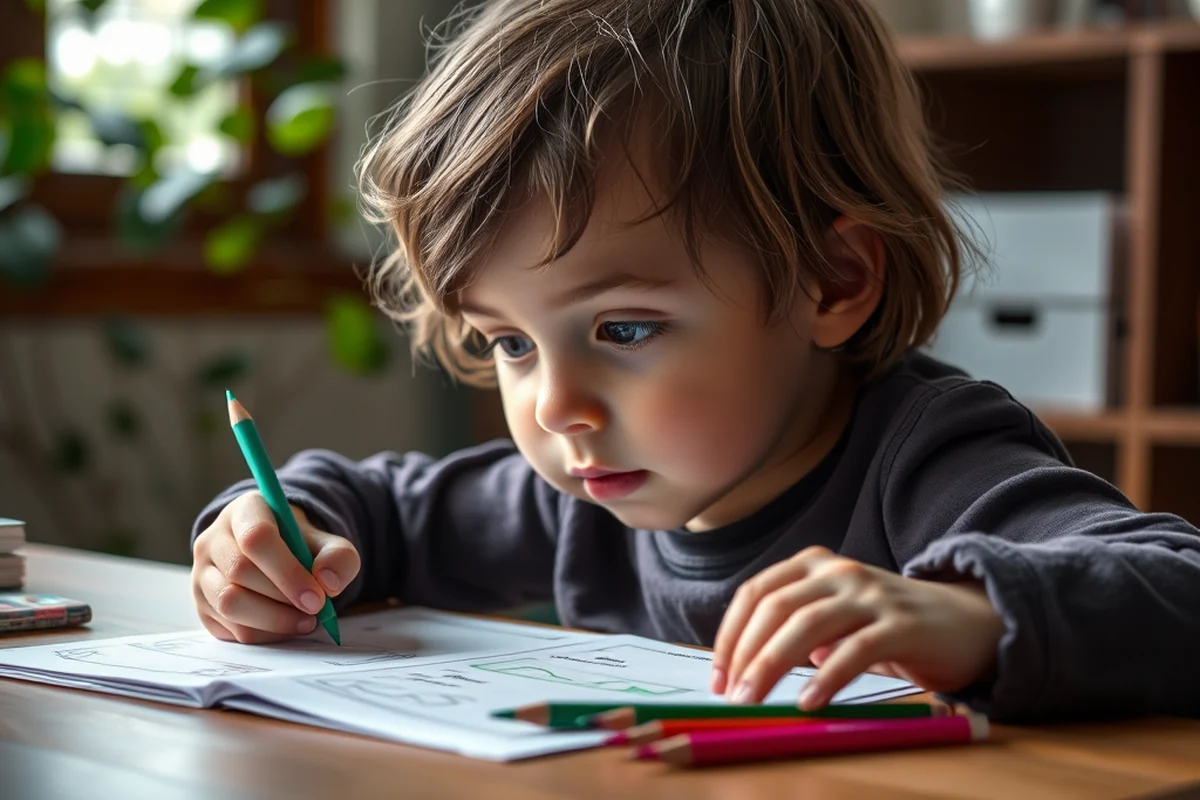
I recently organized a relay race where my kids had to work together to get a ball from one end of the room to the other. They had to pass the ball without using their hands, which was a challenge. But when they succeeded, they high-fived each other and celebrated like they had won a competition.
These kinds of activities teach communication, trust, and the importance of cooperation. One of my favorites was a game of 'pass the parcel,' where they had to solve a small puzzle before moving on to the next layer. It was a great way to blend physical activity with problem-solving.
I’ve seen my kids become more patient and more willing to help each other. It’s amazing how a simple game can lead to such positive outcomes. Physical education and tips that promote teamwork are some of the most valuable lessons you can teach.
Teamwork makes the dream work—and so does a good relay race.
Related: Physical education research examples
Making Physical Education Fun With Games
I’ve found that games like 'freeze dance' and 'Simon Says' are not only entertaining but also help with listening skills and body control. I’ve even turned 'Simon Says' into a competition where the kids have to be the most precise with their movements.
One of the most popular games we play is 'Red Light, Green Light,' which is perfect for teaching kids about following directions and stopping on command. The kids love it, and I’ve noticed a significant improvement in their ability to listen and obey instructions.
I also play 'tag' with a twist, where the kids have to complete a small task before they can tag someone. This adds an extra challenge and keeps the game exciting. It’s amazing how much they learn without even realizing they’re learning.
Modify traditional games to include physical skills, listening, or problem-solving. This helps kids learn without feeling like they’re in a classroom.
“I remember the first time my son came home from school, out of breath and grinning from ear to ear, telling me about a game…”— Teaching Physical Education at Home editors
Related: Physical education research step by step
Using Music in Physical Education
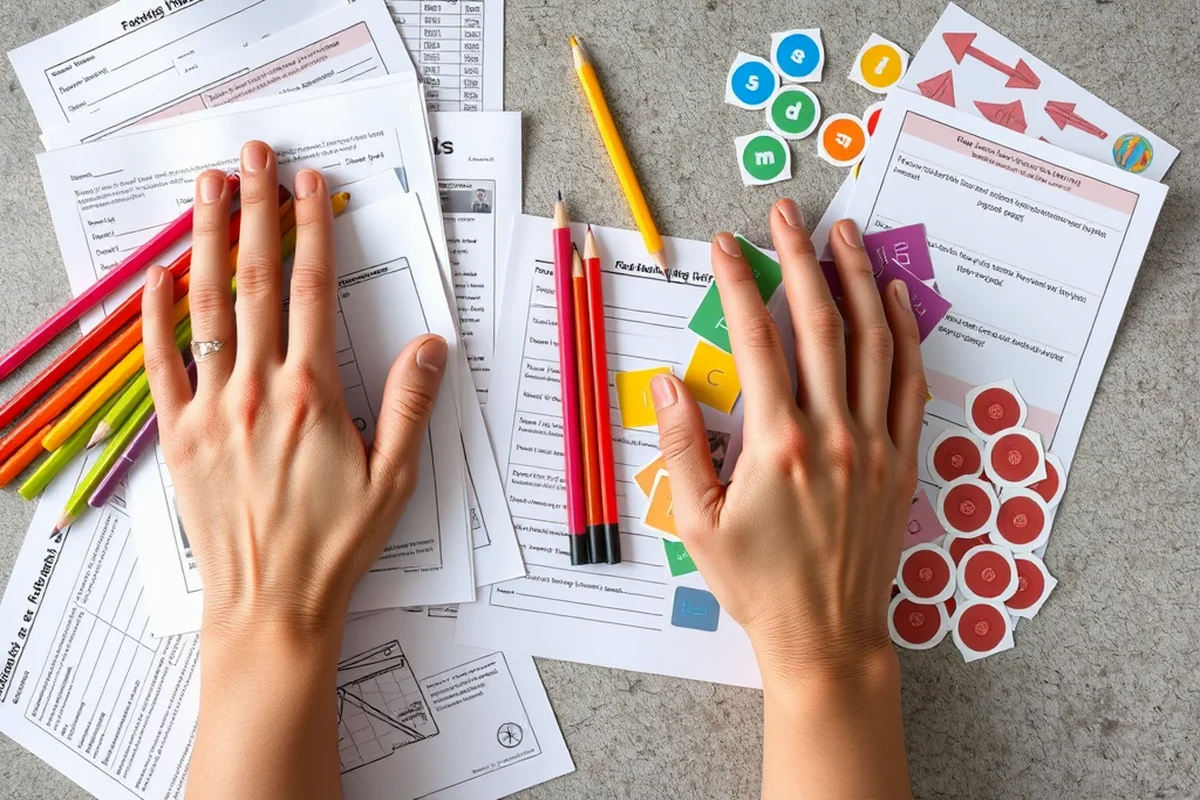
I’ve discovered that playing upbeat music while my kids do jumping jacks or dance moves makes the activity much more enjoyable. The rhythm helps them stay in time and improves their coordination. I’ve even created a playlist of different genres to keep the sessions interesting.
One of my favorite activities is 'dance-off' where the kids take turns performing to different songs. It’s a great way to encourage creativity and self-expression while getting them moving. I’ve noticed that they’re more willing to participate when there’s music involved.
I’ve also used music to signal when to start or stop a game, which helps with listening skills and following directions. It’s a simple yet effective way to add variety and fun to physical education at home.
Related: Physical education research mistakes
Incorporating Technology in Physical Education
I’ve started using educational apps that offer interactive games and challenges for kids. One of the apps I use is 'Go Noggins,' which has a variety of movement-based activities. My kids love it, and I’ve noticed that they’re more motivated to participate when they’re using an app.
Another way I use technology is through video tutorials. I’ve found that watching short clips of physical education activities or sports can inspire kids to try new things. It’s also a great way to teach them about different sports and physical activities.
I also use a fitness tracker to monitor their activity levels. It’s a fun way for them to see how much they’re moving and how they can improve. The kids love seeing their progress, and it keeps them motivated to stay active.
Related: Types of physical education research
The Importance of Consistency in Physical Education
I’ve learned that even a few minutes of physical activity each day can make a big difference. I’ve started a routine where we do a short activity before dinner, and it has become a cherished part of our day. The kids look forward to it, and it helps them stay active throughout the day.
Consistency also helps build habits. I’ve noticed that my kids are more likely to stay active if they have a regular time set aside for physical education. It’s like a ritual that they know they can count on.
I’ve also found that being consistent helps with their overall health and well-being. They’ve become more energetic, and I’ve seen a noticeable improvement in their mood and focus. Physical education and tips that encourage consistency are some of the most valuable tools you can use.
Consistency is the key to success—whether in fitness or in life.
Related: Physical education research templates
Creating a Safe Environment for Physical Education
I’ve made sure to clear the space we use for physical education activities to prevent any accidents. I’ve also set up a soft landing area with pillows and blankets in case someone falls. It’s a small step, but it helps make the environment safer.
Another thing I’ve done is to teach the kids about safety rules. For example, we always check the area before starting an activity and make sure no one is in the way. I’ve also taught them how to move safely and avoid collisions.
I’ve also made sure to have a first-aid kit nearby just in case. It’s reassuring to know that we’re prepared for any situation. A safe environment is crucial for making physical education a positive and enjoyable experience.
🧸 Younger Kids (Ages 3-5)
Use simple, repetitive movements and games that focus on gross motor skills and coordination.
👦 Older Kids (Ages 6-12)
Introduce more complex activities that require problem-solving, strategy, and teamwork.
⏰ No-Prep Version
Use the space you’re already in and make the most of it with minimal setup and materials.
👯♀️ Group Version
Create a fun, collaborative experience where kids can learn from each other and build social skills.
📈 Extension Activity
Challenge kids with more advanced activities that build on the skills they’ve already learned.
| The mistake | Why it happens | The fix |
|---|---|---|
| Not setting clear rules or boundaries | This can lead to chaos and make it hard for kids to focus on the activity. | Establish simple rules and boundaries before starting any activity. This helps keep things organized and safe. |
| Making the activities too complicated | This can be overwhelming for kids and discourage them from participating. | Keep activities simple and fun. Start with basic movements and gradually introduce more complex tasks as they become more comfortable. |
| Ignoring the safety of the environment | This can lead to injuries and make it harder for kids to enjoy the activity. | Make sure the environment is safe and free from hazards. Clear the space and use soft landing areas to prevent injuries. |
| Not being consistent with the activities | This can make it hard for kids to develop habits and stay motivated. | Set a regular time for physical education activities and make them a part of your routine. Consistency helps build habits and keeps kids engaged. |
Physical Education And Tips
Common Questions
How can I get my kids interested in physical education at home?
What are some simple activities I can do at home?
How can I make physical education more educational?
What if I don’t have much space at home?
References
- More than a Quarter of Public Schools Now Offer All Students Free ... (nces.ed.gov)
- Steps for Getting Started With Physical Activity (cdc.gov)
- Bridging the Gap: Exploring the Unique Transition From Home ... (pmc.ncbi.nlm.nih.gov)
Cite this guide
Teaching Physical Education at Home (2026). Physical Education And Tips. https://growfromplay.com/physical-education-and-tips/
Feel free to cite or share this guide.
Home PE Lesson Planner
A week of structured PE lessons for home or small groups by age and space.
Open it free →