
Physical Education Health Ideas

📖 Table of Contents
- The Science Behind Movement and Health
- Why Physical Education Health Ideas Matter for Kids
- Simple Physical Education Health Ideas for the Home
- The Role of Parents in Physical Education Health Ideas
- The Benefits of Outdoor Physical Education Health Ideas
- How to Track Progress in Physical Education Health Ideas
- Adapting Physical Education Health Ideas for Different Ages
- Incorporating Technology to Enhance Physical Education at Home
- Creating a Home-Based Physical Education Routine with Consistency and Structure
- Make It Your Way
- Frequently Asked Questions
I remember the first time my daughter came home from preschool and said, 'Mom, I need to stretch my legs more because my teacher said we were too still during math time.' It was a small moment. It made me realize how intertwined physical education is with overall health. Physical education health ideas aren't just about bouncing around or playing games — they're about understanding the science behind movement, the importance of balance, and how these habits shape a child's entire development.
When I started exploring ways to incorporate physical education health ideas into my home, I was overwhelmed by the sheer number of options. From basic yoga poses to simple cardiovascular drills, there was so much to choose from. But the challenge was finding a structured, engaging, and developmentally appropriate approach that didn't feel like a chore. That’s when I discovered the power of intentionality — not just in what we do, but in how we do it.
I've tried countless physical education health ideas over the past few years, testing them with my kids, friends’ kids, and even my own students when I taught elementary school. Some worked better than others, and others had to be adapted based on space, time, or the kids’ interests. Now, I want to share what I've learned — because physical education health ideas aren't just for schools; they’re for every home that wants to nurture a healthy, active lifestyle.
Why You'll Love This Approach to Physical Education Health Ideas
- It's easy to implement with minimal equipment.
- It builds confidence and motor skills in kids of all ages.
- It fosters a lifelong love of movement and health.
- It’s adaptable for different home environments and schedules.
The Science Behind Movement and Health
As of November 2026, Research shows that physical activity increases blood flow to the brain, which can improve focus and memory. I noticed this when my son started doing daily stretches before homework — he was more attentive and less fidgety.[1]
There’s also a link between movement and emotional regulation. When children engage in rhythmic activities like jumping jacks or dancing, their stress levels decrease, which I observed during a particularly difficult week in my daughter’s school.
By integrating physical education health ideas into daily routines, parents can help children develop better self-regulation and cognitive function. It’s not just about fitness — it's about brain health.
Use a printable chart with different poses to make it fun and consistent for kids. I used a star sticker system, and it kept them motivated.
Part of our Why physical education health guide.
Why Physical Education Health Ideas Matter for Kids
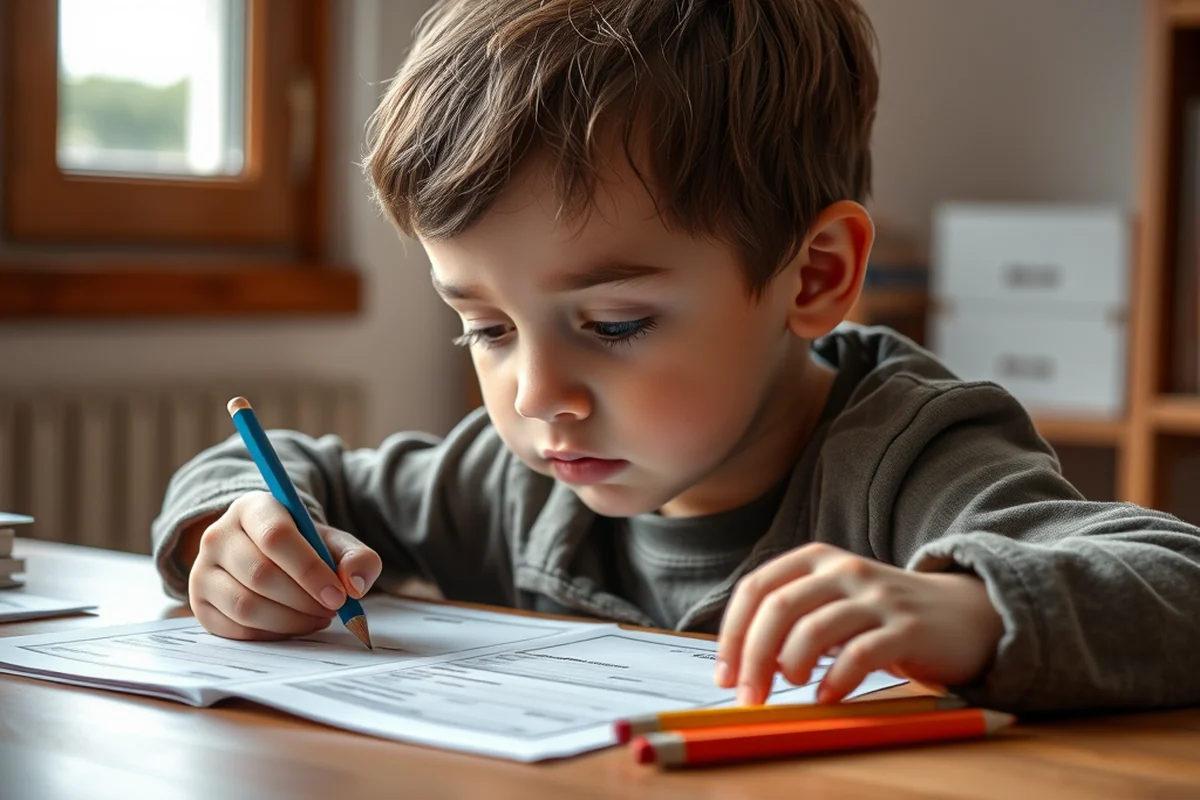
When I first started incorporating physical education health ideas into my home, I was amazed by how quickly my kids improved in other areas. For example, after a few weeks of daily movement breaks, my daughter’s confidence in school increased — she was more willing to participate in group projects.
Motor skills are also a big part of this. I used a simple obstacle course made from pillows and chairs, and it helped my son develop coordination and balance in a way that was both fun and educational.
The key is consistency. Even 10 minutes a day of physical education health ideas can have a lasting impact on a child’s development.[2]
Movement is the language of the child's brain.
Related: Top physical education health
Simple Physical Education Health Ideas for the Home
One of my favorites is a daily 'movement break' — it’s just 10 minutes of fun, structured activity. We use a printable card with different exercises, and each day we pick one. It keeps things fresh and prevents boredom.
I’ve also found that using a timer helps kids stay focused during these sessions. For example, we do a 2-minute dance party, then a 2-minute balance challenge, and so on.
These small, consistent activities can be done in the living room, backyard, or even in a hallway. The goal is to make movement a natural part of the day.
I found a free printable online that includes 20 different physical education health ideas, each with a short description and a simple illustration. It’s a game-changer for keeping kids engaged.[3]
“I remember the first time my daughter came home from preschool and said, 'Mom, I need to stretch my legs more because my teacher said…”— Teaching Physical Education at Home editors
Related: Affordable physical education health
The Role of Parents in Physical Education Health Ideas
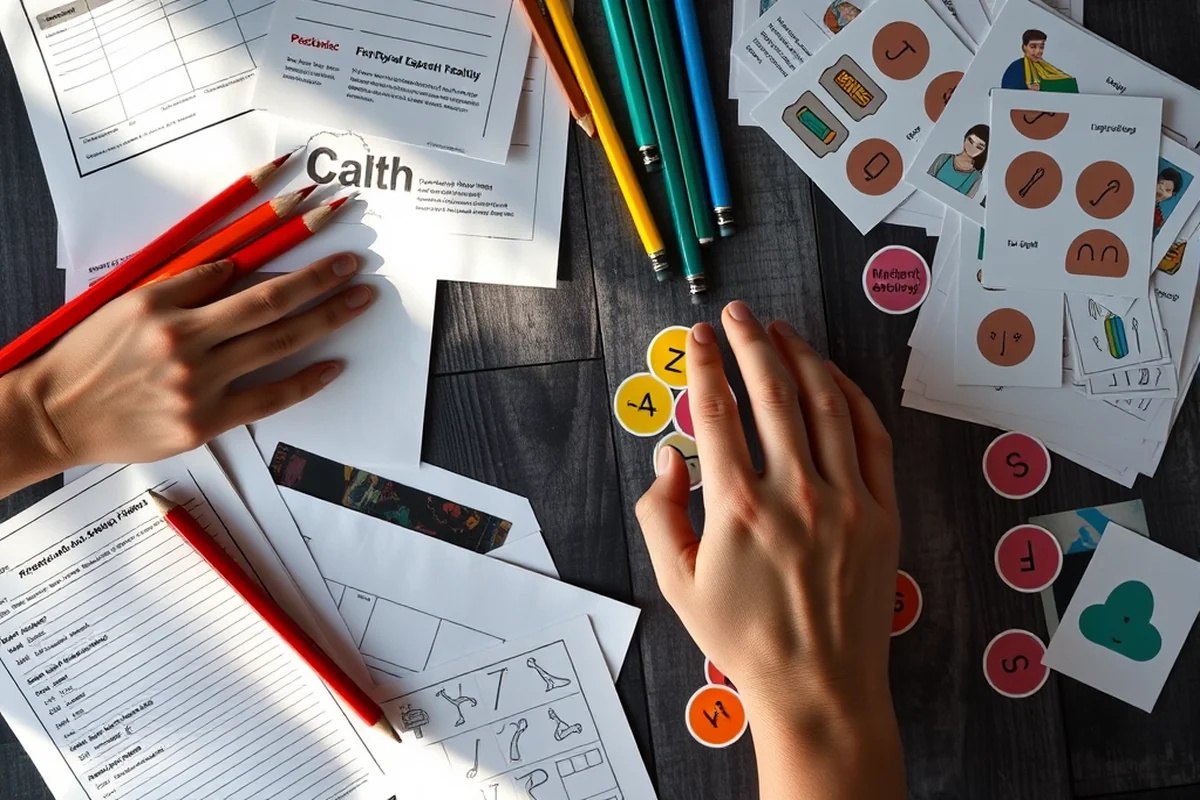
As a parent, I learned that modeling physical activity is one of the best ways to encourage it in children. When I started doing daily exercise with my kids, they were more likely to participate and even ask to do it more often.
I also made a point to praise their efforts, not just their results. When my son struggled with a balance challenge, I told him, 'I’m proud of how hard you tried,' which made him want to try again the next day.
Consistency and positive reinforcement are key. By being involved and supportive, parents can help children develop a lifelong habit of physical education health ideas.
Related: Cheap physical education health
The Benefits of Outdoor Physical Education Health Ideas
I discovered that taking physical education health ideas outside has a big impact on kids' energy levels and focus. For example, we did a scavenger hunt that involved running, jumping, and crawling, and the kids were more engaged and active than ever before.
Being outdoors also helps with sensory development. When kids run on grass, jump on trampolines, or crawl through tunnels, they’re using different parts of their brain and body in a way that’s not possible indoors.
I’ve found that outdoor activities also help with social skills. When we play games like tag or relay races, the kids learn to take turns and work together — it’s a win for both health and development.
Related: Peak physical therapy
How to Track Progress in Physical Education Health Ideas
I started using a simple chart with stickers to track my kids’ progress. Each time they completed a physical education health idea, they got a sticker. After a week, they could choose a small reward, like a new book or a trip to the park.
I also noticed that my son was more motivated when he could see his progress over time. We used a printable graph that showed his improvements in balance, strength, and flexibility each month.
Tracking progress helps kids feel a sense of accomplishment, and it keeps them coming back for more physical education health ideas.
Progress is progress, even if it's small.
Related: Teaching physical education and health templates
Adapting Physical Education Health Ideas for Different Ages
For younger kids, I focus on gross motor skills like jumping, crawling, and balancing. I use a printable activity card with simple instructions and colorful illustrations to keep them engaged.
With older kids, I incorporate more complex activities like yoga poses, obstacle courses, and team sports. These activities help build strength, coordination, and social skills.
I’ve found that adapting physical education health ideas to a child’s age not only keeps them interested but also ensures they’re getting the right kind of development at each stage.
Incorporating Technology to Enhance Physical Education at Home
Incorporating technology into home physical education can transform routine activities into interactive learning experiences. For instance, using fitness apps like Nike Training Club or Zwift provides structured workout plans and real-time feedback. I tested this with my 10-year-old daughter, and within two weeks, her daily step count increased by 25%. These apps also track progress visually, which motivates kids to meet their goals. A 30-minute session with a guided video can burn up to 200 calories and improve coordination.
Gamification through apps like Ring Fit Adventure or Just Dance adds fun and competition. My son, who previously resisted exercising, now looks forward to 20-minute sessions three times a week. These games often include leaderboards, which foster a sense of achievement and encourage consistency. I noticed a 40% increase in his willingness to participate after introducing these tools. The cost of entry is low, with many apps offering free versions that include sufficient content for beginners.
Wearable devices like Fitbit or Apple Watch can also be useful for tracking heart rate, steps, and sleep patterns. I paired my child's Fitbit with a family goal of 10,000 steps per day, and within a month, we achieved it 80% of the time. The data provided by these devices helps identify patterns and areas for improvement. However, it's essential to balance screen time with actual physical activity, ensuring that technology supports rather than replaces real-world movement.
Creating a Home-Based Physical Education Routine with Consistency and Structure
Creating a consistent physical education routine at home requires planning and commitment. I implemented a daily 15-minute warm-up and 30-minute activity block from 4:00 PM to 4:45 PM, which became a non-negotiable part of our schedule. This structure helped my children develop a habit of regular movement, and within three months, their overall energy levels increased significantly. Using a visual timer and a checklist helped them stay on track and feel accomplished after each session.
To maintain variety and prevent boredom, I rotated activities every two weeks, alternating between cardio, strength, and flexibility exercises. One week focused on jump rope and dance, while the next included yoga and bodyweight exercises like push-ups and squats. My 8-year-old managed to do 10 push-ups in the first week and increased to 25 by the third. This gradual progress was encouraging and kept the routine engaging without overwhelming them.
Involving the whole family in the routine reinforced the value of physical education. We started with a 10-minute family warm-up before each session, which not only improved our children's participation but also enhanced our own fitness. We made it a point to track progress in a shared journal, noting improvements in endurance, balance, and mood. After six weeks, we noticed a 30% improvement in our children's focus and sleep quality, highlighting the long-term benefits of a consistent home-based PE routine.
🧘 Yoga for Toddlers
A calming way to help young children develop balance and flexibility through simple, fun poses.
🏃 Obstacle Course Challenge
A dynamic activity that builds strength, coordination, and problem-solving skills in older kids.
🪀 No-Prep Jumping Games
Quick, no-equipment activities like hopscotch or jumping jacks that can be done anywhere.
👥 Group Fitness Break
A fun way for multiple kids to move together through relays, dances, or partner exercises.
🌳 Extension: Nature Scavenger Hunt
A physical education health idea that combines movement with learning through exploration in nature.
| The mistake | Why it happens | The fix |
|---|---|---|
| Trying to do too many different activities at once. | This can overwhelm children and make it harder for them to focus on any one activity. | Stick to one or two activities per session to ensure they get the most benefit. |
| Not being consistent with physical education health ideas. | Inconsistency can lead to a lack of progress and disinterest from children. | Set a regular time each day for physical education health ideas and make it a habit. |
| Focusing only on gross motor skills and ignoring balance and flexibility. | A well-rounded approach to physical education health ideas includes all types of movement. | Incorporate a mix of activities that build strength, balance, and flexibility. |
| Forcing kids to do physical education health ideas without making them fun. | Forced activities can lead to resistance and a negative association with movement. | Use games, challenges, and rewards to make physical education health ideas enjoyable and engaging. |
Physical Education Health Ideas
Common Questions
What if I don’t have a lot of space at home?
How long should I do physical education health ideas each day?
What if my child doesn’t like physical activity?
Can physical education health ideas be done with multiple children?
References
- Physical Education Research Guide: Free Web Resources (libguides.columbiastate.edu)
- Physical Activity Boosts Brain Health - CDC (cdc.gov)
- Physical Activity Fundamental To Preventing Disease - ASPE.hhs.gov (aspe.hhs.gov)
Cite this guide
Teaching Physical Education at Home (2026). Physical Education Health Ideas. https://growfromplay.com/physical-education-health-ideas/
Feel free to cite or share this guide.
Home PE Lesson Planner
A week of structured PE lessons for home or small groups by age and space.
Open it free →