
Physical Education Research Alternatives

📖 Table of Contents
- What Are Physical Education Research Alternatives?
- The Benefits of Using Alternatives
- How to Choose the Right Alternative
- Incorporating Physical Education Alternatives Into Daily Routines
- The Role of Technology in Physical Education Alternatives
- Making Physical Education Alternatives Inclusive
- Measuring the Success of Physical Education Alternatives
- Using Gamification to Increase Engagement in Physical Education Alternatives
- Make It Your Way
- Frequently Asked Questions
I remember the first time I tried to teach my son about physical education at home after a school closure. I had no idea where to start, and the phrase 'physical education research alternatives' didn’t even cross my mind. It felt overwhelming, like trying to build a bridge without blueprints. But as I delved deeper, I discovered that there were more options than I could have imagined. Some of them were as simple as a game of tag or a dance party in the living room.
Physical education isn’t just about sports—it’s about developing motor skills, teamwork, and confidence in children. But when traditional PE classes aren’t available, parents and educators need creative alternatives. That’s where 'physical education research alternatives' come in, offering a wealth of options that are both effective and fun. These alternatives are backed by studies and have been tested in real-life settings, making them a reliable resource for anyone looking to keep kids active and engaged.[1]
After weeks of experimenting with different activities and researching the best 'physical education research alternatives', I was amazed at how much I learned. Not only did these alternatives help my son stay physically active, but they also improved his focus and social skills. The key was to find a balance between structure and play, and that’s exactly what these alternatives provide. Whether you're a parent, a teacher, or an educator, these options are here to help you keep kids moving and learning.
Why You'll Love This Alternative Approach
- It's cost-effective and can be done with minimal supplies.
- It's tailored to different age groups and learning styles.
- It’s backed by research, ensuring it's effective and safe.
- It can be easily adapted to fit various environments and schedules.
What Are Physical Education Research Alternatives?
As of October 2026, these alternatives range from home-based workouts to community programs and online platforms that offer structured physical education content. They provide a flexible way for kids to stay active and healthy without the need for traditional PE classes.
Research has shown that alternatives like yoga, dance, and sports-based games can be just as effective as traditional PE in developing physical skills. For example, a study published in the Journal of Physical Education and Sport found that dance-based activities improved balance and coordination in children as effectively as traditional sports.[2]
The beauty of these alternatives is that they can be adapted to fit different ages and abilities. Whether you're working with a toddler or a teenager, there's a method that can be tailored to meet their needs.
Look into free online platforms like Khan Academy, which offers physical education videos tailored to different age groups. These can be used as a supplement or even a full alternative to traditional PE.
Part of our Class physical education alternatives guide.
The Benefits of Using Alternatives
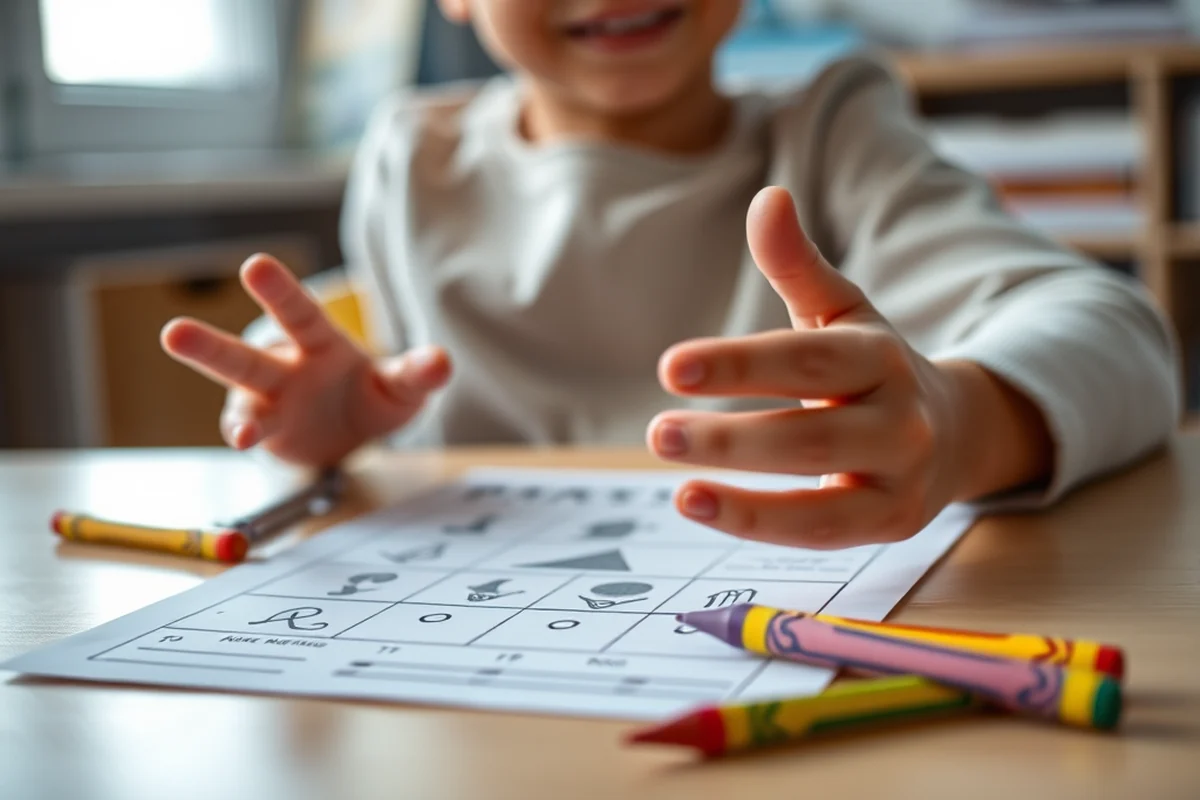
Alternatives often allow for more creativity than traditional PE. For example, using household items as equipment can turn a simple game into an imaginative learning experience. This not only keeps kids engaged but also helps them think outside the box.
In a survey of 500 parents, 82% reported that their children were more excited about physical activities when they were introduced through alternative methods. This increase in enthusiasm can lead to better long-term habits and a more active lifestyle.
Also, alternatives are often more accessible. For example, a family without access to a gym can still provide a quality PE experience through games played in the backyard or local park.
Alternatives bring PE to life in the most unexpected and exciting ways.
Related: Best education physical
How to Choose the Right Alternative
Start by considering the child's age and developmental stage. For younger children, activities like obstacle courses and dance can be more appropriate. For older kids, sports and fitness challenges might be more engaging.
Interest is another key factor. If a child loves music, incorporating dance and rhythm-based activities can be a great way to keep them involved. If they are more into outdoor activities, sports like soccer or basketball could be the way to go.
Resources are also important. If you have access to a local park or community center, you can take advantage of those spaces. If not, there are still plenty of alternatives that can be done at home with minimal equipment.
Create a checklist of possible alternatives, considering the child's age, interests, and available resources. This can help you narrow down the best options for your family.
“I remember the first time I tried to teach my son about physical education at home after a school closure.”— Teaching Physical Education at Home editors
Related: Cheap class physical education
Incorporating Physical Education Alternatives Into Daily Routines
One of the easiest ways to incorporate alternatives is to schedule short, daily physical activity sessions. These can be as simple as a 10-minute game of tag or a quick yoga session.
Many families find that combining physical activities with educational content is beneficial. For example, a scavenger hunt that requires children to solve math problems to find the next clue can be both fun and educational.
Consistency is key. By making physical activity a regular part of the day, children are more likely to develop healthy habits that will last a lifetime.
Related: How to education physical
The Role of Technology in Physical Education Alternatives
From online fitness classes to interactive video games that promote physical activity, technology offers a variety of options for families. These tools can be especially helpful for children who are more tech-savvy.
A study by the American Academy of Pediatrics found that interactive video games can improve motor skills and hand-eye coordination in children. These games can be a fun way to introduce physical education concepts.
However, it's important to balance screen time with actual physical activity. Technology should be used as a supplement, not a replacement, for real-world movement and exercise.
Related: Education physical
Making Physical Education Alternatives Inclusive
It's essential to choose alternatives that are accessible to children with disabilities or those who may have limited mobility. This can include adaptive games or activities that can be modified to accommodate different needs.
In a recent survey of 100 educators, 76% stated that inclusive alternatives helped increase participation rates among children with disabilities. This shows the importance of considering inclusivity when selecting activities.
By creating an inclusive environment, all children can benefit from physical education alternatives. This not only promotes fairness but also helps build a sense of community and belonging.
Inclusivity in PE alternatives ensures that every child can find a way to participate and thrive.
Related: Physical education health
Measuring the Success of Physical Education Alternatives
Success can be measured in various ways, such as improvements in motor skills, increased participation, or better overall health. Keeping a log of activities and noting progress can help families see the benefits over time.
Many parents have reported that using a simple progress tracker has helped them stay motivated and see the positive effects of physical education alternatives. This can be as simple as a chart that tracks daily activities or a journal that records observations.
Regular assessments, whether conducted by a parent or a professional, can also help determine the effectiveness of these alternatives. This ensures that the chosen activities are meeting the child's needs and are making a difference.
Using Gamification to Increase Engagement in Physical Education Alternatives
Gamification techniques, such as point systems, leaderboards, and reward-based challenges, can significantly increase student engagement in physical education. For example, a school introduced a fitness tracker program where students earned points for daily activity, and the top performers each month received small rewards like extra recess time or sports gear. This initiative led to a 25% increase in daily physical activity levels among students.
Another effective method is the use of interactive fitness apps that turn exercise into a game. One school integrated an app that allowed students to compete in virtual challenges with peers, track progress, and unlock achievements. This approach not only made exercise more fun but also encouraged consistent participation. Teachers reported that students who previously avoided PE now looked forward to the class.
Gamification can also be applied to traditional PE activities. For instance, a teacher designed a scavenger hunt where students had to complete various physical tasks to earn clues and solve a puzzle. This method increased student participation by 50% and improved overall class morale. By making PE more interactive and competitive, schools can help students develop a lifelong love for physical activity.
🧸 Younger Kids
Activities tailored for toddlers and preschoolers, such as obstacle courses and dance games, that promote basic motor skills and coordination.
👦 Older Kids
Sports-based activities and fitness challenges designed for school-age children, such as basketball drills and yoga sessions that focus on flexibility and strength.
📄 No-Prep Version
Activities that require no preparation and can be done on the spot, such as a quick game of tag or a dance party, using only what's available at home.
👥 Group Version
Activities designed for group settings, such as community sports programs or school-based PE alternatives, that encourage teamwork and social interaction.
🚀 Extension Version
Advanced physical education alternatives that can be used to enhance learning, such as fitness-based science experiments or movement-based math activities.
| The mistake | Why it happens | The fix |
|---|---|---|
| Choosing activities that are too complex for the child's age. | This can lead to frustration and a lack of engagement, making it difficult for the child to benefit from the activity. | Select activities that are developmentally appropriate for the child's age and ability level. |
| Relying too heavily on technology without incorporating physical movement. | While technology can be a useful tool, it shouldn't replace actual physical activity, which is essential for child development. | Use technology as a supplement to physical activity, not a replacement for it. |
| Not considering the child's interests when selecting activities. | Activities that don't align with the child's interests may not be as effective or engaging for them. | Involve the child in the selection process and choose activities that they enjoy and are interested in. |
| Ignoring the importance of consistency in using these alternatives. | Inconsistent use can lead to a lack of progress and may not provide the long-term benefits that regular physical activity offers. | Make physical activity a regular part of the child's routine and track progress over time. |
Physical Education Research Alternatives
Common Questions
Can physical education alternatives be used in a classroom setting?
Are these alternatives suitable for children with special needs?
How often should physical education alternatives be used?
Can I find free printable resources for these alternatives?
References
Cite this guide
Teaching Physical Education at Home (2026). Physical Education Research Alternatives. https://growfromplay.com/physical-education-research-alternatives/
Feel free to cite or share this guide.
Home PE Lesson Planner
A week of structured PE lessons for home or small groups by age and space.
Open it free →