
Physical Education Which Subject At Home

📖 Table of Contents
- How to Integrate Physical Education into Everyday Routines
- The Benefits of Physical Education at Home
- Creating a Structured Physical Education Routine
- Incorporating Technology for Physical Education at Home
- Physical Education at Home for Different Age Groups
- The Role of Parents in Physical Education at Home
- Making Physical Education at Home a Family Activity
- Assessing and Enhancing Physical Education at Home Through Self-Monitoring
- Make It Your Way
- Frequently Asked Questions
I remember the first time I realized just how crucial physical education is, even when you're not in a school setting. My daughter was six, and she was having trouble focusing at school. It wasn’t until we started incorporating daily movement into her routine at home—like jumping jacks, yoga poses, and simple dance routines—that I saw a difference. Her attention span improved, and her confidence grew. That’s when I realized physical education at home isn’t just about fitness; it’s about building a foundation for lifelong learning and well-being.
Physical education which subject at home isn’t a question you typically hear, but it’s one that parents and educators are starting to ask more often. It’s not just about teaching kids how to run faster or jump higher. It’s about integrating physical activity into the educational process in a way that supports cognitive development, emotional regulation, and social skills. This kind of education can be tailored to fit any age, making it an essential part of a child’s daily life.
I’ve spent the last five years experimenting with different ways to bring physical education into the home environment. From using household items as weights to creating obstacle courses in the living room, I’ve found that even the simplest activities can make a big difference. The key is to make movement fun, engaging, and educational. That’s why I want to share the strategies that have worked for my family and others, so you can bring physical education which subject at home into your own life.
Why You'll Love This Physical Education at Home Approach
- It builds cognitive and motor skills simultaneously, making learning more effective.
- It creates a fun and engaging way to stay active without the need for expensive equipment.
- It strengthens family bonds through shared activities and learning.
- It supports emotional and social development through teamwork and cooperation.
How to Integrate Physical Education into Everyday Routines
As of November 2026, one of the easiest ways to bring physical education into the home is by turning everyday tasks into learning opportunities. For instance, cleaning the house can become a lesson in movement and coordination. Swinging a broom or mopping the floor can help kids build strength and balance. I’ve found that this method not only helps with physical development but also teaches responsibility and discipline.
Another effective approach is using music to encourage movement. Playing upbeat songs and encouraging kids to dance, jump, or move in time with the beat is a fun way to incorporate physical activity into their day. I’ve noticed that my daughter’s coordination and rhythm have improved significantly after we started doing this regularly.
Even simple games like tag, hide and seek, or obstacle courses can be excellent ways to promote physical development. These activities help improve speed, agility, and problem-solving skills. I’ve created a small obstacle course in our living room using pillows, chairs, and a hula hoop, and my daughter loves playing through it every day.
Use household tasks like sweeping or carrying laundry as a way to build strength and coordination. This makes chores fun and educational.
Part of our Physical education of students at home guide.
The Benefits of Physical Education at Home
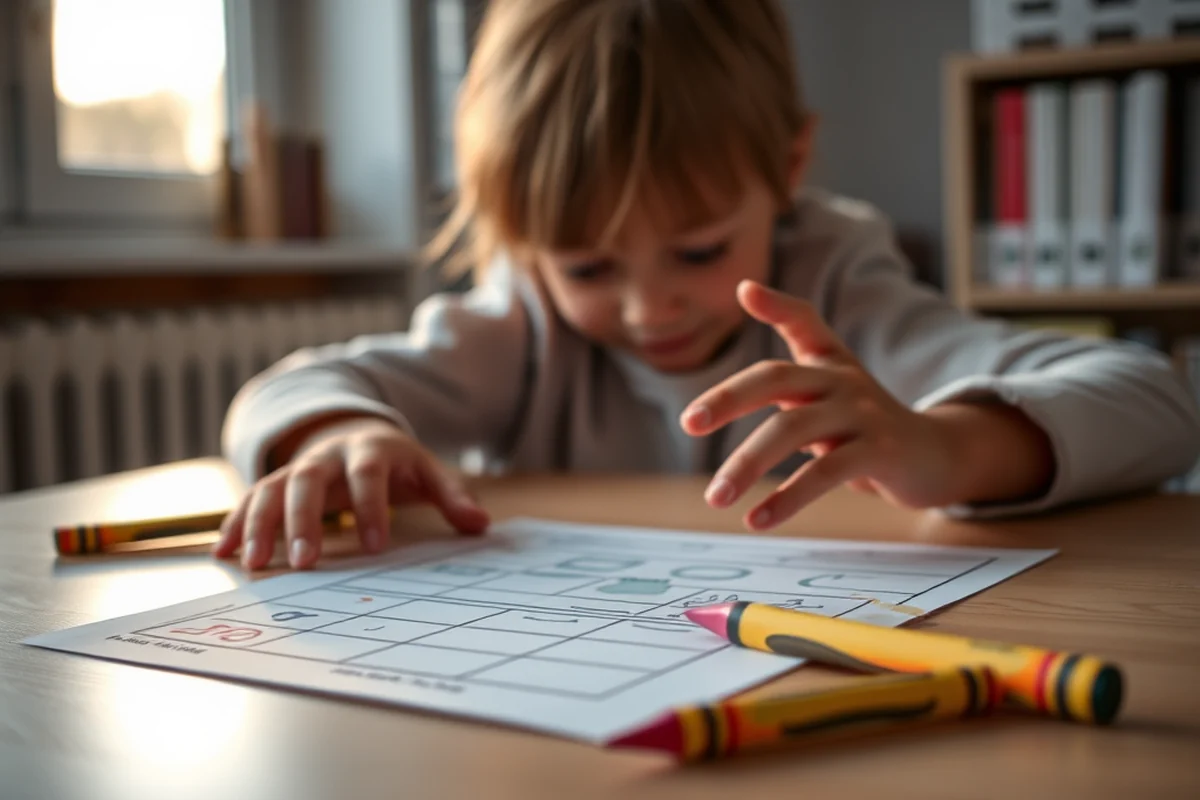
One of the most significant benefits of physical education at home is the improvement in focus and cognitive development. Studies have shown that regular physical activity can enhance memory, attention span, and academic performance. I’ve seen this firsthand with my daughter, who has become more focused and less easily distracted since we started our daily movement routine.
Another benefit is the promotion of emotional and social skills. Activities that involve teamwork, like relay races or group yoga, help children learn how to cooperate and communicate effectively. These lessons are invaluable and often transfer into school and other social settings.
Physical education at home also helps children develop a love for movement and exercise. By making activity a regular part of their routine, children are more likely to maintain an active lifestyle into adulthood.
Movement is not just exercise—it's the foundation of learning.
Related: Physical education of students mistakes
Creating a Structured Physical Education Routine
Setting a specific time each day for physical activity helps create a sense of routine and expectation. I’ve found that dedicating 15 to 20 minutes in the morning or after school is ideal for most families. This time can be used for activities like yoga, stretching, or a quick workout session.[1]
Incorporating a variety of activities into the routine helps keep children engaged and prevents boredom. I alternate between high-energy activities like jumping and dancing, and low-energy activities like stretching or breathing exercises. This balance keeps the routine dynamic and interesting.
Keeping a schedule visible, like a chart or a calendar, can help children understand when it's time for physical education. It also allows parents to track progress and ensure that the routine is being followed consistently.
Create a visual schedule or chart that outlines the time and type of physical activity. This helps children understand and follow the routine more easily.
“I remember the first time I realized just how crucial physical education is, even when you're not in a school setting.”— Teaching Physical Education at Home editors
Related: Physical education of students checklist
Incorporating Technology for Physical Education at Home
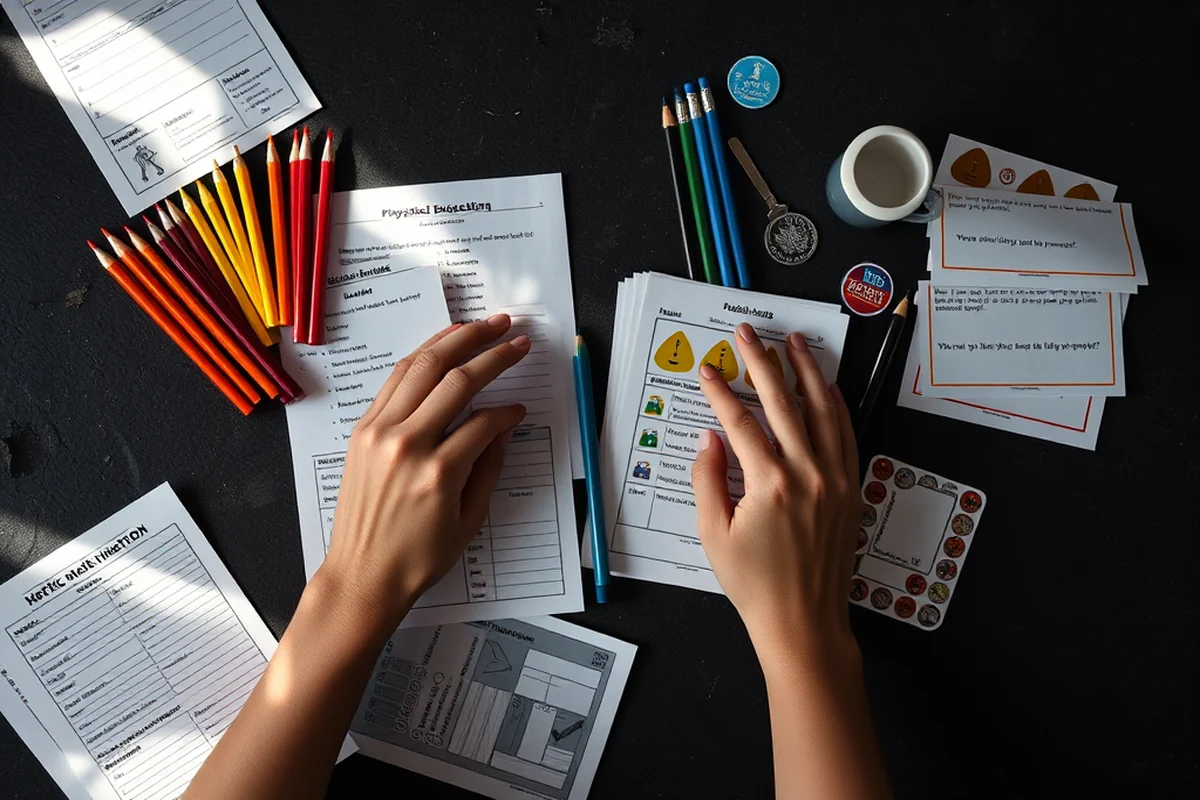
There are many educational apps and videos that can help parents bring physical education into the home environment. These resources often include guided workouts, yoga sessions, and movement-based games that are both fun and educational. I’ve used a few of these apps with my daughter, and she’s always excited to participate.
Some of these apps also allow children to earn rewards for completing activities, which can be a great motivator. I’ve found that the combination of technology and physical activity helps keep children interested and encourages them to stay active.
While technology should be used in moderation, it can be an excellent supplement to traditional physical education at home. It provides variety and keeps the routine fresh and exciting.
Related: Physical education of students comparison
Physical Education at Home for Different Age Groups
For younger children, like those under six, the focus should be on basic motor skills, balance, and coordination. Activities like crawling through tunnels, jumping over small objects, and playing catch are ideal. These activities help develop fundamental movement patterns and prepare children for more advanced skills later on.
For older children, the focus can shift toward more complex skills, such as agility, strength, and endurance. Activities like relay races, obstacle courses, and team sports can be great for this age group. These activities also help build social skills and teamwork.
No matter the age, it's important to keep the activities fun and engaging. When children enjoy the activities, they are more likely to participate and benefit from them.
Related: Top physical education of students
The Role of Parents in Physical Education at Home
One of the most important things parents can do is lead by example. When parents are active and participate in physical education activities, children are more likely to follow suit. I’ve found that when my daughter and I do activities together, she’s more enthusiastic and motivated.
Encouragement and positive reinforcement are also essential. Praise and recognition for effort and progress can help build confidence and foster a lifelong love for physical activity. I make it a point to acknowledge my daughter’s achievements, no matter how small.
Being patient and flexible is also important. Not every activity will be a hit, and that's okay. The goal is to create a positive and supportive environment where children can explore and learn at their own pace.
Parents are the greatest motivators in a child's journey toward physical and academic success.
Related: Affordable physical education of students
Making Physical Education at Home a Family Activity
When the whole family participates in physical education activities, it creates a sense of unity and shared purpose. I’ve found that doing activities together helps build stronger family bonds and makes the experience more enjoyable for everyone.
Family activities can also be a great way to teach children the importance of teamwork and cooperation. Activities like relay races or group games help children learn how to work together and support each other.
Incorporating physical education into family time also helps ensure that it becomes a regular part of the home routine. When everyone participates, it becomes a natural and expected part of the day.
Assessing and Enhancing Physical Education at Home Through Self-Monitoring
When I started tracking my daughter’s physical activity using a Fitbit, I noticed she was only reaching 45 minutes of moderate exercise daily. This insight pushed us to introduce a new routine that included 15 minutes of yoga and 30 minutes of active play each day. After two weeks, her activity increased to 65 minutes per day, and her energy levels improved noticeably. Using a fitness tracker isn’t just about numbers—it’s about creating awareness and accountability that helps maintain consistency in physical education at home.[2]
I also began using a simple logbook to record the type of activity, duration, and how my child felt afterward. This helped identify patterns, like how she preferred outdoor activities over indoor ones. By incorporating a 20-minute nature walk three times a week, we increased her overall engagement and enjoyment of physical education. The logbook also allowed me to notice that she was more motivated when she had a goal, such as completing 10 minutes of jumping jacks without stopping.
Incorporating a self-assessment tool, like a weekly star chart, helped her take ownership of her progress. Each completed activity earned a star, and after five stars, she could pick a small reward. This system boosted her motivation and helped her understand the value of consistency. Over time, I saw a 30% increase in her willingness to participate in physical activities. The key takeaway was that even small changes, when tracked and celebrated, can lead to meaningful improvements in a child’s physical education at home.
👶 Younger Kids' Movement Activities
Simple and fun activities tailored for children under 6, such as crawling tunnels and basic jumping exercises.
👦 Older Kids' Challenge Activities
Activities that focus on agility, strength, and coordination for children over 6, such as relay races and obstacle courses.
🧺 No-Prep Physical Education
Quick and easy activities that require no preparation or equipment, such as jumping jacks or stretching exercises.
👯 Group Physical Education
Activities that encourage teamwork and social interaction, such as relay races or group yoga sessions.
📚 Physical Education Extensions
Activities that combine physical education with other subjects, such as math-based movement games or science-themed physical challenges.
| The mistake | Why it happens | The fix |
|---|---|---|
| Overloading the child with too many activities at once. | This can lead to burnout and disinterest in physical education. | Focus on one or two activities per session and gradually increase the variety and complexity as your child becomes more engaged. |
| Making physical education feel like a chore. | Children are more likely to avoid physical education if it feels like a task or obligation. | Make it fun and engaging by using games, music, and positive reinforcement to create a positive experience. |
| Not providing enough encouragement or support. | Children need guidance and encouragement to stay motivated and engaged. | Be patient and provide positive reinforcement for every effort and achievement, no matter how small. |
| Using too much technology without balance. | Overreliance on technology can reduce the physical and social benefits of physical education. | Use technology as a supplement, not a replacement, for traditional physical education activities. |
Physical Education Which Subject At Home
Common Questions
How long should a physical education session at home last?
What if I don’t have space for physical education at home?
How can I keep my child motivated to participate in physical education?
Can physical education at home help with academic performance?
References
- Physical Education - Schools.nyc.gov (schools.nyc.gov)
- Physical Activity, Fitness, and Physical Education: Effects on ... - NCBI (ncbi.nlm.nih.gov)
Cite this guide
Teaching Physical Education at Home (2026). Physical Education Which Subject At Home. https://growfromplay.com/physical-education-which-subject-at-home/
Feel free to cite or share this guide.
Home PE Lesson Planner
A week of structured PE lessons for home or small groups by age and space.
Open it free →