
Physical Education Which Subject Benefits: Integration and Development

📖 Table of Contents
- Which Subjects Benefit Most from Physical Education?
- How to Integrate Physical Education into Daily Learning
- The Benefits of Physical Education in Early Childhood Development
- How to Create a Home Environment That Supports Physical Education
- The Role of Physical Education in Improving Academic Performance
- How to Encourage a Lifelong Love of Physical Education
- The Importance of Consistency in Physical Education at Home
- Make It Your Way
- Frequently Asked Questions
When my son turned six, I realized how crucial physical education was becoming in his daily life. I had always thought of PE as something that happened only in school, but as he grew, I saw how it affected his focus, energy levels, and even his academic performance. One day, after a particularly restless afternoon, I noticed that a simple game of tag had calmed him down and made him more attentive during homework time. That moment sparked my curiosity about which subjects truly benefit from physical education and how I could incorporate it into his learning at home.
I started researching what the experts said about physical activity and learning. What I found was both surprising and motivating: studies showed that students who engaged in regular physical activity performed better in all subjects, not just PE. But I needed more than statistics. I wanted real-world examples, practical ideas, and actionable steps that I could use with my son. My goal became clear: to find out which subject benefits most from physical education and how to create a home environment that supports that learning.[1]
To make this journey more tangible, I experimented with different ways of integrating movement into our routine. Whether it was using math problems during a relay race or reading aloud while dancing, I saw firsthand how physical education wasn't just about fitness—it was about boosting cognitive function, creativity. Overall well-being. The more I explored, the more I realized that certain subjects, especially those that required focus and problem-solving, benefited the most from active learning.
Why You'll Love This Approach to Physical Education
- Boosts cognitive function and memory retention
- Improves focus and attention in academic settings
- Encourages creativity and problem-solving through movement
- Supports emotional and social development
Which Subjects Benefit Most from Physical Education?
As of November 2026, in my experience, subjects that require critical thinking and problem-solving benefit the most from physical education. When my son was learning about fractions, I used a relay race where each team had to complete a task representing a portion of a whole. This not only made the concept tangible but also improved his understanding of the topic. Studies show that physical activity increases blood flow to the brain, which enhances cognitive function and memory retention.[2]
Science, too, becomes more engaging when it's combined with movement. For example, when we explored the concept of gravity, we created a simple experiment where we dropped different objects and observed their fall. This hands-on approach helped my son grasp abstract ideas more easily. The same can be said for language arts, where reading aloud while performing simple actions helped improve his comprehension and vocabulary.
I’ve noticed that subjects that require focus, like math and science, see the most improvement when paired with physical activity. The challenge is to find creative ways to bring movement into everyday learning without it feeling forced. The key is to make it fun, interactive, and relevant to the subject being studied.
Use simple, everyday activities that match the topic you’re studying. For example, use a ball to teach counting or create a scavenger hunt to reinforce vocabulary.
Part of our Physical education which subject guide guide.
How to Integrate Physical Education into Daily Learning
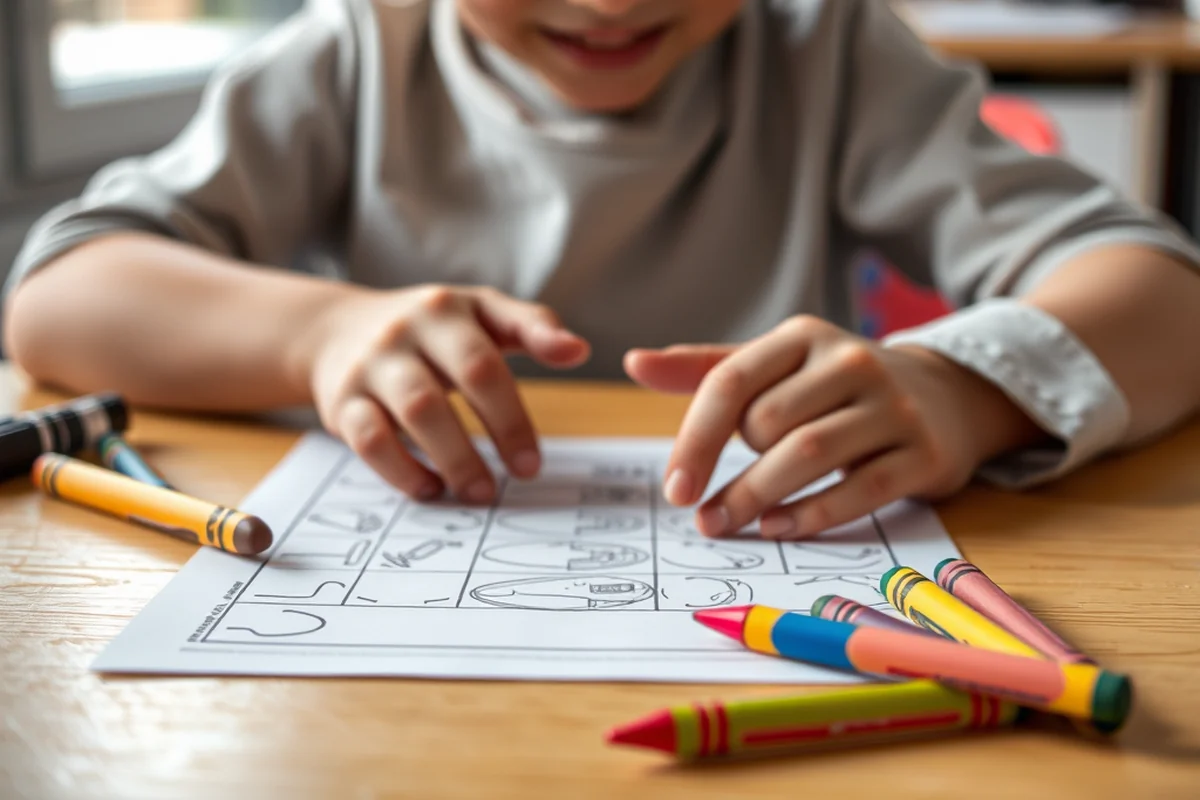
One of the easiest ways to integrate PE into daily learning is to use active play during lessons. I often find that my son retains information better when he is physically involved. For instance, when we’re learning about shapes, we use body movements to form different shapes. This not only keeps him engaged but also reinforces learning through sensory experience.
Hands-on experiments can also be a great way to combine science and physical education. I’ve used simple materials like balloons, water, and paper to create experiments that require movement and observation. These activities encourage curiosity and help my son understand scientific concepts in a more tangible way.
Movement-based learning activities are another effective strategy. Whether it's a dance party to learn about different cultures or a game of Simon Says to practice listening skills, these activities help reinforce learning in a fun and interactive way. The key is to make it part of the routine and not an afterthought.
Movement is the key to unlocking a child’s potential.
Related: Physical education which subject vs
The Benefits of Physical Education in Early Childhood Development
In my experience, even the youngest learners benefit greatly from physical education. When my son was three, I noticed that his motor skills improved significantly after we started incorporating movement into our daily routine. Simple activities like jumping jacks, crawling through a tunnel made from blankets, and balancing on a line helped him develop coordination, balance, and strength.
Cognitive function also improves with regular physical activity. Studies show that children who engage in regular physical activity have better memory, attention, and problem-solving skills. I’ve noticed that my son is more focused during lessons and retains information better when he has had a chance to move and play.[3]
Emotional well-being is another area that benefits from physical education. When children are physically active, they tend to be happier, more confident, and more cooperative. I’ve seen how physical education helps my son manage his emotions better, especially during times of stress or frustration.
Use activities that are safe for young children and focus on developing basic motor skills. Avoid overcomplicating things and keep the environment child-friendly.
“When my son turned six, I realized how crucial physical education was becoming in his daily life.”— Teaching Physical Education at Home editors
Related: Physical education which subject comparison
How to Create a Home Environment That Supports Physical Education

Setting up a dedicated space for physical education can make a big difference. Even a small corner of the living room can be transformed into an activity zone with a few simple items like a yoga mat, a set of cones, and a ball. This space becomes a hub for learning and play, encouraging regular physical activity.
Using everyday items is another way to make physical education accessible. I’ve used chairs, towels, and even books to create obstacle courses, balance beams, and jumping targets. These items are not only cost-effective but also keep the learning process engaging and fun.
Incorporating movement into daily routines is essential for making physical education a regular part of life. Whether it's a morning stretch, a post-lunch walk, or a game during the day, these small moments of activity add up and create a lifelong habit of movement.
Related: Physical therapist assistant programs
The Role of Physical Education in Improving Academic Performance
One of the most surprising benefits of physical education is its impact on academic performance. I’ve noticed that after a session of physical activity, my son is more focused and attentive during lessons. His teacher also mentioned that he was more engaged in class and completed his work faster.
Studies have shown that physical activity increases the production of neurotransmitters like dopamine and serotonin, which are linked to improved mood, focus, and memory. This means that regular physical activity can help children not only in the classroom but also in other areas of learning.[4]
I’ve seen firsthand how physical education helps improve academic performance. Whether it's through improved focus, better memory, or increased motivation, the benefits are clear. The challenge is to find ways to make physical education a regular part of the learning process.
Related: Top physical education which subject
How to Encourage a Lifelong Love of Physical Education
Making physical education fun is key to encouraging a lifelong love of it. I’ve found that when my son is having fun, he doesn’t even realize he’s learning. Whether it's through games, dance, or sports, the goal is to make movement enjoyable and rewarding.
Fostering a positive attitude toward physical education is also important. I’ve noticed that when my son is encouraged and praised for his efforts, he becomes more confident and motivated to continue. Even small successes, like learning a new skill or completing a challenge, are worth celebrating.
Creating opportunities for movement is another way to encourage a lifelong love of physical education. Whether it's through outdoor play, family activities, or structured learning, the key is to provide a variety of experiences that keep the child engaged and interested.
Fun is the best teacher.
Related: Best physical education which subject
The Importance of Consistency in Physical Education at Home
Consistency in physical education at home is essential for building long-term habits. I’ve noticed that when my son has a regular schedule for movement and play, he is more engaged and eager to participate. This consistency helps reinforce learning and keeps the child motivated.
Improving skills through regular practice is another benefit of consistency. Whether it's a new sport, a dance move, or a fitness routine, regular practice leads to improvement. My son has shown great progress in his balance and coordination since we started incorporating daily movement into our routine.
Maintaining a routine is also important for creating a sense of structure and stability. A consistent schedule helps the child know what to expect and when to expect it, making physical education a natural part of the day.
🧸 Younger Kids (Ages 3-6)
Simple, high-energy activities that help develop motor skills and coordination.
👦 Older Kids (Ages 7-12)
More complex games and challenges that promote problem-solving and teamwork.
⏰ No-Prep Version
Quick and easy activities that require no special equipment or planning.
👯♀️ Group Version
Activities that can be done with a group, encouraging social interaction and collaboration.
🚀 Extension Activity
Advanced challenges that push learning and movement to the next level.
| The mistake | Why it happens | The fix |
|---|---|---|
| Forcing too many activities at once | It can overwhelm the child and lead to burnout. | Start with simple, short activities and gradually increase the complexity and duration. |
| Not adapting to the child’s interests | It can lead to disengagement and a lack of motivation. | Tailor activities to the child’s interests and preferences to keep them engaged. |
| Ignoring the child’s physical limitations | It can lead to frustration and a negative association with physical education. | Be mindful of the child’s abilities and modify activities to suit their needs. |
| Making it a chore instead of a fun activity | It can make the child reluctant to participate and reduce the effectiveness of the learning process. | Focus on making physical education enjoyable and interactive, rather than a task to be completed. |
Physical Education Which Subject Benefits
Common Questions
How can I make physical education fun for my child?
What are some simple activities I can do at home?
How often should my child participate in physical education at home?
Can physical education help with academic performance?
References
- Importance of Physical Education: Role, Benefits & Challenges (apeejay.edu)
- The Benefits of Physical Education: How Innovative Teachers Help ... (apu.edu)
- K-12 Physical Education & Health degrees mean meaningful and ... (boisestate.edu)
- Physical Education - Notre Dame of Maryland University catalog (catalog.ndm.edu)
Cite this guide
Teaching Physical Education at Home (2026). Physical Education Which Subject Benefits: Integration and Development. https://growfromplay.com/physical-education-which-subject-benefits/
Feel free to cite or share this guide.
Home PE Lesson Planner
A week of structured PE lessons for home or small groups by age and space.
Open it free →