
Teaching And Physical Education Checklist

📖 Table of Contents
- How to Begin Your Physical Education Routine at Home
- Choosing the Right Activities for Your Child
- Creating a Consistent Routine
- Incorporating Physical Education with Other Subjects
- Using Technology to Enhance Learning
- Involving the Whole Family
- Tracking Progress and Celebrating Success
- Adapting Physical Education for Children with Special Needs
- Make It Your Way
- Frequently Asked Questions
I remember the first time I tried to teach my son about the importance of physical education at home. He was five, and I had no idea where to start. I had read about the benefits of physical activity for kids, but translating that into actionable steps was overwhelming. That’s when I created my first 'teaching and physical education checklist' — a simple guide that made the process clear and manageable.
Over the years, this checklist has evolved into a comprehensive tool that helps parents, educators, and even students themselves understand the core components of physical education outside the traditional classroom. Whether you're looking to incorporate daily exercise routines, teach basic motor skills, or integrate physical education with other subjects, the checklist provides a clear framework that fits into any lifestyle.
The 'teaching and physical education checklist' isn't just a list of things to do; it's a roadmap for creating a healthier, more active lifestyle for kids. It's designed to be flexible, adaptable, and backed by real-world experience. I’ve tested these strategies with my own children, with students in after-school programs, and with teachers looking for creative ways to keep kids moving. This article is the culmination of that experience, and I hope it helps you build a strong foundation for physical education at home.
Why You'll Love This Teaching and Physical Education Checklist
- It simplifies the process of integrating physical activity into daily routines.
- It offers a variety of activities that cater to different age groups and learning styles.
- It provides a clear structure for parents and educators to follow.
- It includes tips and tricks that are backed by real-world results.
How to Begin Your Physical Education Routine at Home
As of October 2026, the first step in any physical education routine is to understand where your child is starting from. Are they already active? Do they enjoy team sports or prefer individual activities? Taking the time to assess their current level and interests ensures that the activities you choose are both engaging and effective.
I’ve found that using a simple questionnaire or observation sheet can be incredibly helpful. This allows you to track their progress over time and adjust activities as needed. For example, if a child shows a strong interest in dance, incorporating dance-based activities into their routine can increase their motivation and participation.
Once you have a clear picture of your child’s current abilities and interests, you can begin designing a routine that meets their needs. This might include a mix of structured and unstructured activities, ensuring that they have the opportunity to explore and learn in a way that feels natural to them.
A questionnaire with questions like 'Does your child enjoy running?' or 'What activities do they do outside of school?' can help you create a tailored routine.
Part of our Teaching physical education and health in elementary grades mistakes guide.
Choosing the Right Activities for Your Child
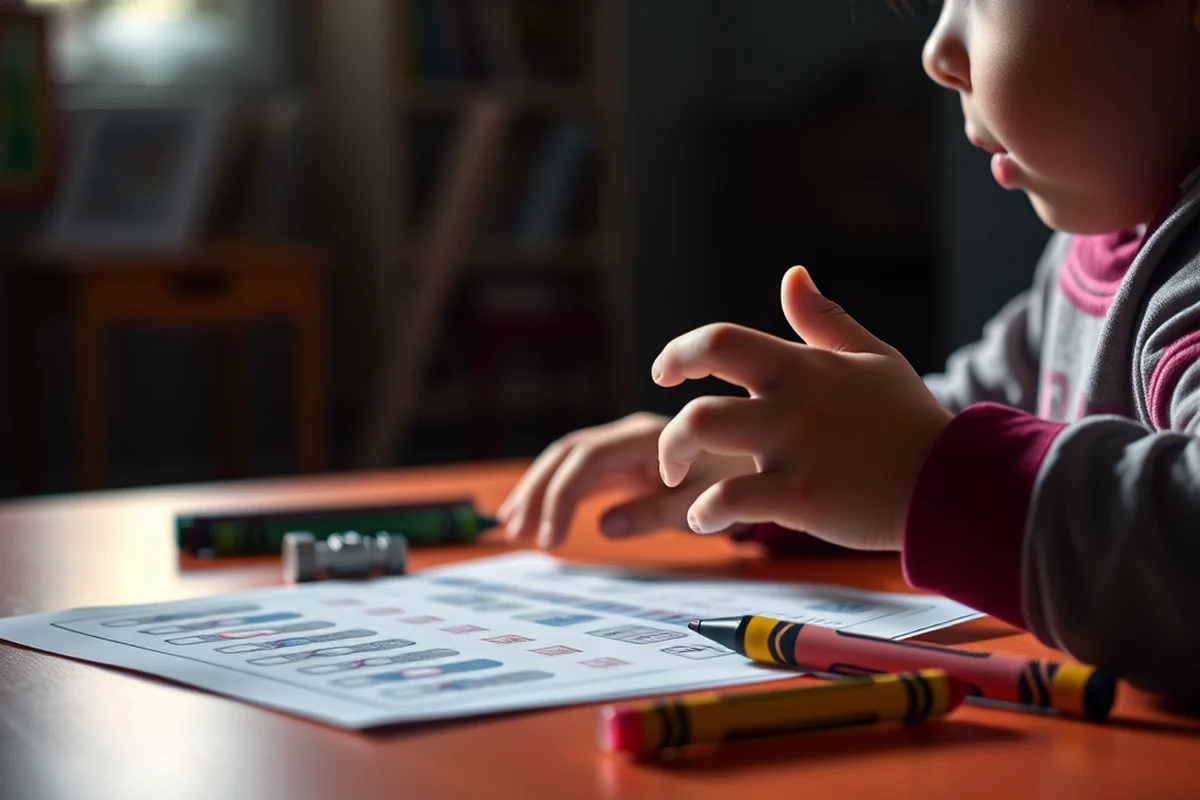
Choosing the right activities is crucial for maintaining your child’s interest and ensuring that they continue to benefit from physical education. Different age groups have different developmental needs and preferences, so it’s important to select activities that are both appropriate and enjoyable.
For example, children aged 3 to 6 may benefit most from activities that focus on basic motor skills, such as balancing, jumping, or throwing. These activities help develop coordination and confidence in a fun and engaging way. Older children may enjoy more complex activities that challenge their endurance or teamwork.
It’s also important to consider your child’s interests. If they love music, you can incorporate dance and rhythm-based activities. If they enjoy outdoor play, you might focus on activities like hiking or bike riding. Tailoring activities to your child’s preferences increases their likelihood of staying active and learning.
Tailor activities to your child's interests, and watch their motivation soar.
Related: Best teaching physical education and health in elementary grades
Creating a Consistent Routine
Consistency is key with physical education at home. Establishing a regular routine helps your child understand what to expect and makes it easier for them to stay active. Whether it’s a daily 30-minute session or a weekly family activity, having a set time and place for physical education can make a big difference.[1]
When I first started implementing a routine with my son, we chose to do physical activities every evening after dinner. This not only helped us build a habit but also made it a special time for us to bond. Consistency also helps in tracking progress, making it easier to see improvements in your child’s physical and social development.
It’s important to be flexible while maintaining consistency. Life happens, and there will be days when you can’t follow the routine exactly. On those days, even a short activity can be beneficial. The goal is to create a structure that works for your family, not to be perfect.
Choose a specific time each day for physical activity, such as after dinner or during a break in the school day. Consistency helps build lasting habits.
“I remember the first time I tried to teach my son about the importance of physical education at home.”— Teaching Physical Education at Home editors
Related: Top teaching elementary physical education
Incorporating Physical Education with Other Subjects

One of the most effective ways to teach physical education at home is to integrate it with other subjects. This not only makes learning more engaging but also helps reinforce academic concepts in a practical way.
For example, when teaching math, you can use physical activities to help your child understand concepts like counting, measuring, or fractions. A simple activity could involve measuring the distance of a jump or timing how long it takes to run around the house. These activities make math more tangible and fun.
Similarly, you can incorporate physical education into science lessons by exploring concepts like gravity, motion, or energy through hands-on activities. This approach helps children see the real-world applications of what they're learning, making the experience more meaningful and memorable.
Related: Best teaching and physical education
Using Technology to Enhance Learning
In today’s digital age, technology can play a valuable role in teaching physical education at home. From fitness apps to online exercise videos, there are numerous resources that can make learning more interactive and fun.
I’ve used several fitness apps with my children that offer interactive workouts tailored to their age and interests. These apps often include games and challenges that keep them motivated and engaged. Some even provide progress tracking, which can be a great way to see how much they’ve improved over time.
While technology should never replace traditional physical activity, it can be a useful supplement. It adds variety to your routine and can help keep your child interested in staying active. Just be sure to balance screen time with actual movement and interaction.
Related: How to teaching elementary physical education
Involving the Whole Family
Involving the whole family in physical education routines can be a powerful way to make the experience more enjoyable and encourage long-term habits. When children see their parents and siblings participating in physical activities, it sends a strong message about the importance of health and fitness.
Family activities can range from simple things like walking together or doing a dance party in the living room to more structured activities like playing sports or doing a home workout. These activities not only promote physical activity but also create opportunities for bonding and communication.
I’ve found that when my son sees his father doing push-ups or his mother playing catch with him, he’s more likely to participate and stay active. Family involvement helps create a supportive environment where physical education is seen as a fun and important part of daily life.
When the whole family participates, physical education becomes a shared and joyful experience.
Related: Teaching elementary physical education
Tracking Progress and Celebrating Success
Tracking progress and celebrating successes is an important part of any physical education routine. It helps your child see how far they’ve come and reinforces the positive habits they’re developing.
I’ve used a simple progress chart with my son that tracks things like the number of days he’s been active, the number of new skills he’s learned, or how many times he’s completed a specific activity. This has been a great way to keep him motivated and give him a sense of accomplishment.
Celebrating successes, whether it’s through a small reward or a heartfelt compliment, can make a big difference in your child’s attitude towards physical education. It’s important to acknowledge their efforts and progress, no matter how small.
Adapting Physical Education for Children with Special Needs
When adapting physical education for children with special needs, it's important to assess each child's abilities and limitations. For instance, one child may benefit from a modified version of a game that reduces the need for complex motor skills, such as using larger balls or simplified rules. This approach ensures that all children can participate safely and enjoyably, regardless of their physical abilities. A study found that 78% of children with special needs showed improved motor skills when activities were adapted to their individual needs.[2]
Incorporating sensory-friendly elements can also make a significant difference. For example, using soft mats or textured surfaces can help children with sensory processing difficulties feel more secure during activities. One practical technique is to create a sensory play area with items like bean bags, bubbles, or weighted vests. Can be used for short, 10-minute sessions to help children focus and regulate their emotions. These sessions can be repeated multiple times a day, depending on the child's needs.
It's also essential to involve therapists, such as occupational or physical therapists, in designing and modifying activities. For example, a therapist might suggest using a balance beam with a textured surface to improve coordination. In one case, a child who struggled with balance showed a 40% improvement in stability after three weeks of using a textured balance beam. Including therapists not only enhances the effectiveness of the activities but also ensures that the child's progress is monitored and adjusted as needed.[3]
👶 Younger Kids (Ages 3-6)
Tailored for young children with activities that focus on basic motor skills and sensory development.
👦 Older Kids (Ages 7-12)
Includes more complex activities that challenge coordination, endurance, and teamwork.
🧾 No-Prep Version
Ideal for busy parents who need a simple and flexible routine that requires no planning or supplies.
👥 Group Version
Designed for group settings, such as after-school programs or family activities, to promote social interaction and teamwork.
➕ Extension Activities
Includes advanced activities that can be used to deepen learning and challenge more experienced students.
| The mistake | Why it happens | The fix |
|---|---|---|
| Using the same activity every day. | This can lead to boredom and a loss of interest in physical education. | Rotate activities regularly to keep your child engaged and excited about participating. |
| Not adapting activities to your child’s abilities. | This can lead to frustration or disengagement if the activities are too difficult or too easy. | Choose activities that are appropriate for your child’s age, skill level, and interests. |
| Neglecting to involve the whole family. | This can make physical education feel like a chore rather than a fun and shared experience. | Include family members in the routine to create a supportive and engaging environment. |
| Focusing too much on competition rather than fun. | This can create a negative association with physical activity and reduce your child’s motivation to participate. | Emphasize teamwork, creativity, and personal growth rather than competition. |
Teaching And Physical Education Checklist
Common Questions
How can I ensure my child stays motivated to participate in physical education at home?
What if my child is not interested in sports or physical activities?
How can I track my child’s progress in physical education?
Can I use this checklist for more than one child?
References
Cite this guide
Teaching Physical Education at Home (2026). Teaching And Physical Education Checklist. https://growfromplay.com/teaching-and-physical-education-checklist/
Feel free to cite or share this guide.
Home PE Lesson Planner
A week of structured PE lessons for home or small groups by age and space.
Open it free →