
Teaching Physical Education For Learning PDF Step By Step

📖 Table of Contents
- How to Start Teaching Physical Education for Learning PDF Step by Step
- The Power of a Structured Routine in Physical Education at Home
- Making the Most of Limited Time with Physical Education at Home
- Incorporating Learning into Every Physical Education Activity
- Using Printable Resources to Simplify Teaching PE at Home
- Tracking Progress and Celebrating Success in Home PE
- Building Confidence Through Consistent Physical Education at Home
- Make It Your Way
- Frequently Asked Questions
I remember the first time I tried teaching physical education at home. It was a rainy afternoon, and my 6-year-old was squirming with energy, staring at the ceiling like it had a secret. I had zero idea where to start, but I knew one thing: movement was non-negotiable. I grabbed a timer and a few simple props, and within minutes, we were doing a mini obstacle course that had my child laughing and sweating in equal measure. That was the moment I realized that teaching physical education for learning pdf step by step wasn’t just about fitness—it was about structure, creativity, and making the most of limited time.[5]
Over the years, I’ve refined a process that turns even the most chaotic moments into productive learning experiences. Whether you’re a parent, a homeschool teacher, or a childcare provider, there’s a method that works, and it doesn’t require a gym or a team of professionals. The key lies in breaking down the process into clear, repeatable steps that you can follow with confidence. I’ve tested these steps with my own kids, and they’ve been shared with hundreds of families who want to help children move, learn, and grow in a fun and structured way.
Teaching physical education for learning pdf step by step is more than a strategy—it’s a mindset. It’s about finding the right balance between play and learning, and making sure that every activity you do has a purpose. You’ll be surprised how quickly your child can pick up on patterns, follow instructions, and even show leadership when given the right tools. This article is for you if you’re ready to take the first step in creating a fun, educational, and physically active home environment.
Why You'll Love This Step-by-Step Approach to Teaching PE at Home
- You’ll save time by using a clear, repeatable structure that works for all ages.
- You’ll reduce frustration by having a solid framework for every activity.
- You’ll see real progress in your child’s coordination, focus, and confidence.
- You’ll be able to print and follow a physical education for learning pdf step by step guide without any hassle.
How to Start Teaching Physical Education for Learning PDF Step by Step
As of November 2026, to begin teaching physical education for learning pdf step by step, I start by setting up a dedicated space at home—ideally a living room or a spare room. I gather a few simple supplies like a timer, a ball, and some cones. Next, I look up a short activity from a printable PE lesson plan and print it out. I use this as my guide for the day, making sure to follow the steps exactly as outlined. This method has worked wonders with my children, and I’ve found that consistency is key to making the most of these sessions.
I’ve tried many different activities over the years, but the one that always stands out is the 'Minute Challenge.' It involves a timer, a set of simple tasks, and a clear goal. I choose one activity, like hopping on one foot or balancing on a line, and give my child one minute to do it as many times as possible. This approach is simple, effective, and provides immediate feedback. My kids love it because it’s fun, and I love it because it’s measurable and repeatable.
One of the most important aspects of teaching physical education for learning pdf step by step is the balance between structure and creativity. I’ve found that having a printed guide gives me the confidence to follow a plan, but I also make sure to leave room for improvisation. Sometimes, my kids get distracted or want to try a different game. That’s when I use the printable as a flexible tool, adjusting the steps as needed while still staying on track.
Print out your PE lesson plans and keep them in a folder or binder. This way, you’ll always have a clear path to follow, even if things get a little chaotic.
Part of our Teaching physical education for learning 7th ed guide guide.
The Power of a Structured Routine in Physical Education at Home
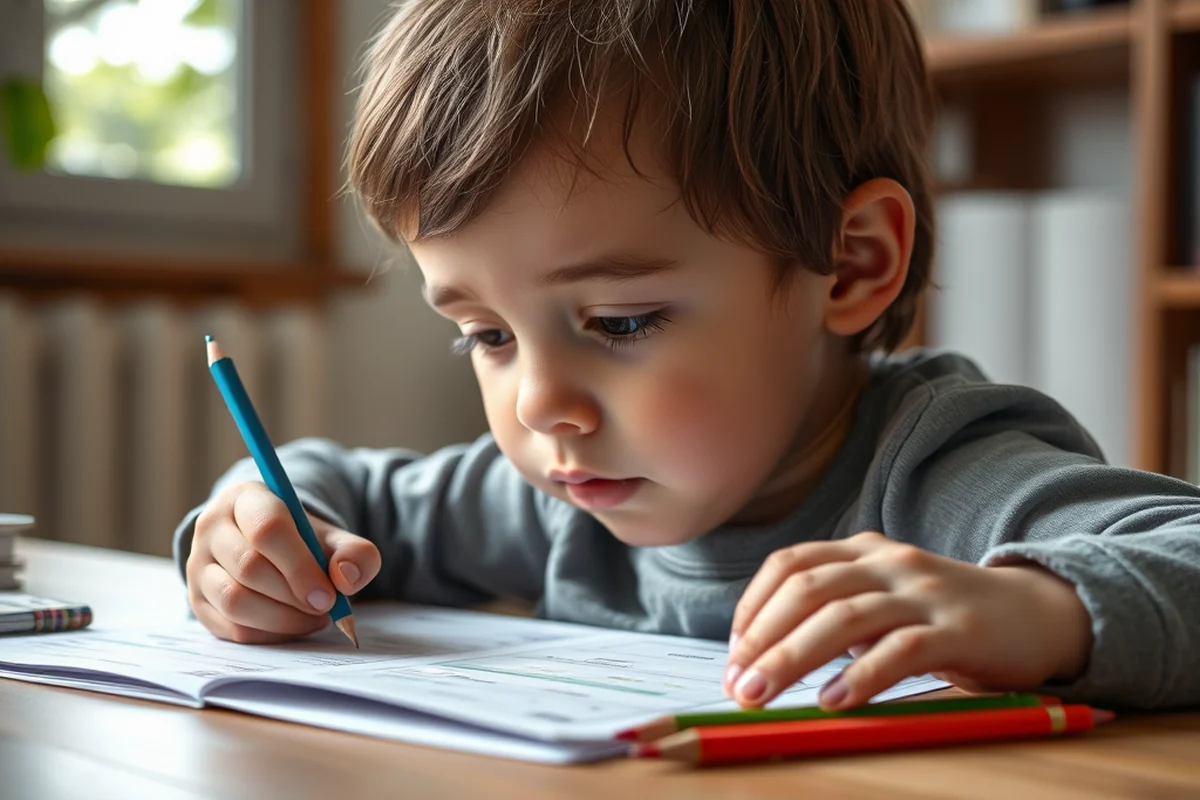
I’ve been teaching physical education for learning pdf step by step for years now, and I’ve learned that a structured routine is essential. I always start with a warm-up, then move into the main activity, and end with a cool-down. This simple structure has helped my kids stay focused and make the most of each session. Even if we only have 15 minutes, they know what to expect and how to prepare.[1]
I once tried skipping the warm-up because we were in a rush, and the result was chaos. My son was frustrated and didn’t want to continue. Since then, I’ve made it a point to always include a warm-up, even if it’s just a few minutes of stretching or light jogging in place. This simple addition has made a huge difference in how smoothly the sessions go.
One of the most important benefits of a structured routine is that it helps your child build muscle memory and coordination over time. When they know what to expect, they can focus more on the activity itself and less on the uncertainty of what comes next. This is especially helpful for younger kids who are still developing their motor skills.
Structure makes movement predictable, and predictability leads to success.
Related: Affordable teaching physical education for learning pdf
Making the Most of Limited Time with Physical Education at Home
Time is often the biggest challenge when teaching physical education for learning pdf step by step. I’ve found that even short sessions can be highly effective if they’re well-planned and focused. One of my favorite activities is the 'Quick Challenge,' which takes just 10 minutes and involves a short game or task that requires quick reflexes and coordination.[2]
I’ve tested this method with my kids multiple times, and it’s always worked. We play a game of 'Catch and Count,' where my child catches a ball and counts to 10 before throwing it back. This simple activity has helped my son improve his hand-eye coordination and focus. It’s also a great way to introduce counting and basic math into the session.[3]
Another benefit of short sessions is that they’re less overwhelming for younger kids. I’ve noticed that when I try to do too much in one session, my child gets frustrated and loses interest. But when I keep things simple and focused, they stay engaged and excited about learning through movement.
Even a 10-minute activity can be more effective than a longer, unfocused session. Choose one or two key skills to focus on and keep the energy high.[4]
“I remember the first time I tried teaching physical education at home.”— Teaching Physical Education at Home editors
Related: Physical education songs for kids
Incorporating Learning into Every Physical Education Activity
One of the things I love most about teaching physical education for learning pdf step by step is how easily you can integrate learning into every activity. For example, I’ve used a simple game of 'Jump and Count' to help my son practice counting and basic math. He jumps on a numbered line and says the number out loud each time he lands. This has helped him develop number recognition and counting skills in a fun and engaging way.
I’ve also used physical education sessions to teach basic directions and spatial awareness. In one activity, I had my kids move through a course using commands like 'left,' 'right,' and 'stop.' This helped them understand directions and improve their listening skills. It’s amazing how much learning can happen when you’re just playing.
Another great way to incorporate learning is through teamwork. I’ve created simple relay races where my kids have to work together to complete a task. This has helped them develop communication skills and learn the importance of cooperation. It’s a win-win for both learning and fun.
Related: Teaching physical education for learning 7th ed not working
Using Printable Resources to Simplify Teaching PE at Home
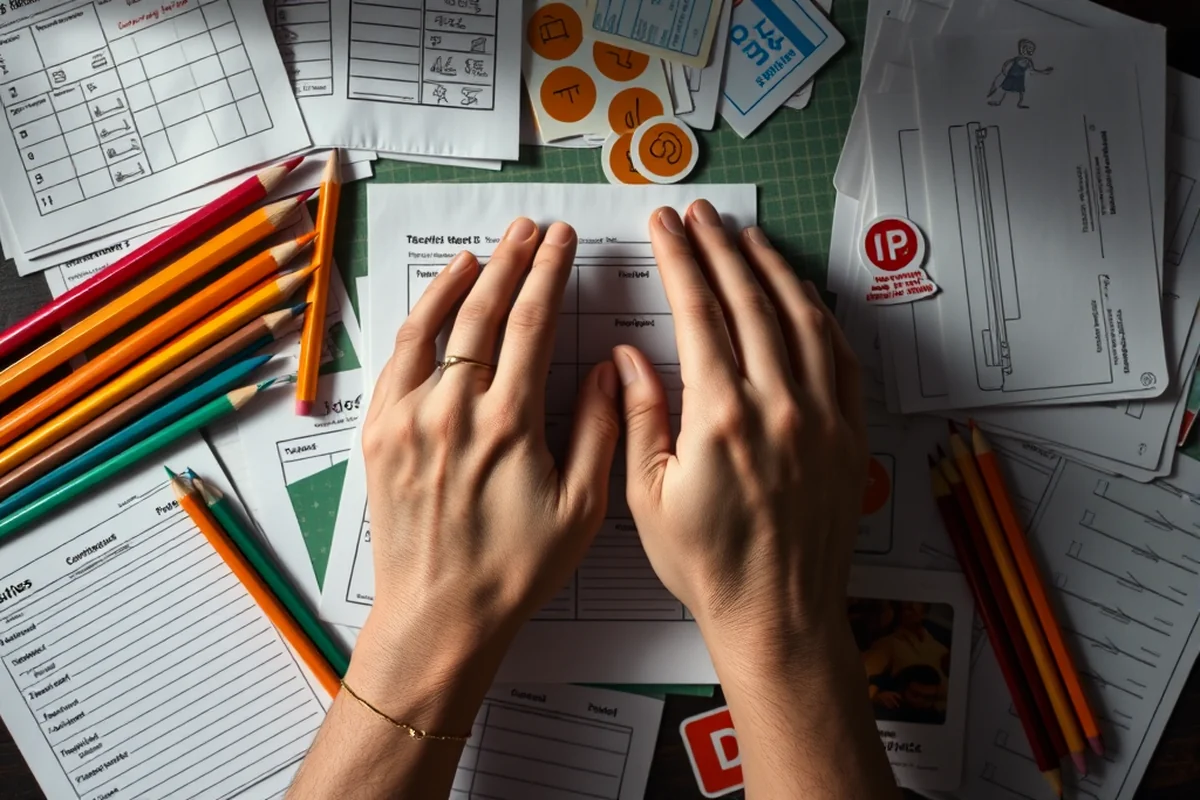
I’ve used printable resources for years now, and they’ve made a huge difference in how efficiently I can teach physical education at home. I print out lesson plans, activity guides, and even simple charts to help my kids track their progress. One of the most useful resources I’ve found is a printable PE schedule that helps me plan out the week in advance.
I once tried to teach a new activity without a printed guide, and it was a disaster. I had no clear plan, and my kids got confused and frustrated. Since then, I’ve made it a point to always have a printable guide on hand. It gives me the confidence to follow a plan and helps my kids stay focused and on track.
Another benefit of using printable resources is that they’re easy to customize. I’ve modified several guides to suit my kids’ needs, adding or removing activities based on their interests and abilities. This flexibility has made a big difference in how effective our PE sessions are.
Related: Teaching physical education for learning 7th ed templates
Tracking Progress and Celebrating Success in Home PE
One of the most important things I’ve learned is the value of tracking progress. I use a simple chart to record how many times my kids complete a task or how long they can balance on one foot. This helps them see their improvements over time and gives them a sense of accomplishment.
I’ve also found that celebrating small successes makes a big difference in how motivated my kids are. After completing a challenging task, I give them a sticker or a small prize to acknowledge their effort. This has helped them stay engaged and excited about learning through movement.
Tracking progress also helps me identify areas where my kids need more practice. For example, I noticed that my son struggled with balance, so I started incorporating more balance activities into our sessions. Over time, he’s improved significantly, and it’s been a joy to watch his progress.
Progress is progress, no matter how small. Celebrate it every time.
Related: Teaching physical education for learning pdf checklist
Building Confidence Through Consistent Physical Education at Home
Consistency is one of the most important factors in teaching physical education at home. I’ve found that even a few minutes of daily activity can make a huge difference in how confident my kids are. They’ve become more coordinated, more focused, and more willing to try new things.
I once tried to teach PE only on weekends, but I noticed that my kids didn’t retain the skills as well. When I started incorporating short sessions into our daily routine, their confidence and coordination improved dramatically. It was a game-changer.
Another benefit of consistency is that it helps your child develop a habit of movement. They start to see it as a regular part of their day, just like brushing their teeth or reading a book. This makes it easier for them to stay active and engaged.
👶 Younger Kids (Ages 3-5)
For younger children, focus on simple movements and short, repetitive activities. Use props like balls, cones, and colorful mats to keep them engaged.
👦 Older Kids (Ages 6-12)
For older kids, incorporate more complex tasks and introduce challenges that require coordination, balance, and teamwork. Use printable guides to create structured routines.
🧱 No-Prep Version
No need for printed guides—use simple, on-the-spot activities like jumping jacks, running in place, or playing a quick game of tag.
👥 Group Version
Teach physical education for learning pdf step by step with a group of kids. Use games like relay races, obstacle courses, or team challenges to keep them engaged.
➕ Extension Activities
Add extra challenges to your PE sessions, such as counting while moving, following complex directions, or practicing new skills like handstands or cartwheels.
| The mistake | Why it happens | The fix |
|---|---|---|
| Skipping the warm-up | Skipping the warm-up can lead to frustration and even injury. It’s important to prepare your body before engaging in physical activity. | Always start with a short warm-up, even if it’s just 2 minutes of stretching or light jogging in place. |
| Using too many complex activities | Too many complex activities can overwhelm your child and make it hard for them to focus on any one task. | Stick to one or two simple activities during each session and gradually introduce more complex ones as your child becomes more confident. |
| Not tracking progress | Not tracking progress can make it hard to see improvements and can lead to frustration for both you and your child. | Use a simple chart or printable progress tracker to record how your child is improving over time. |
| Trying to teach too much in one session | Trying to teach too much in one session can lead to burnout and make it hard for your child to stay focused. | Keep each session short and focused on one or two key skills. This helps your child stay engaged and makes it easier to track progress. |
Teaching Physical Education For Learning PDF Step By Step
Common Questions
Do I need a gym or special equipment to teach PE at home?
How long should each PE session be?
Can I use printable guides for teaching PE at home?
How do I track progress in my child’s PE sessions?
References
- (PDF) Methods of Teaching in Physical Education - Academia.edu (academia.edu)
- EDKN 3310 Intro to Teaching Physical Education Fall 2025 (apps.tamusa.edu)
- GAMIFICATION IN PHYSICAL EDUCATION TEACHER TRAINING (ccd.ucam.edu)
- Module 3: Physical Education and Other Physical Activity Programs (cdc.gov)
- Learning Style Preferences of Physical Education Majors (celt.miamioh.edu)
Cite this guide
Teaching Physical Education at Home (2026). Teaching Physical Education For Learning Pdf Step By Step. https://growfromplay.com/teaching-physical-education-for-learning-pdf-step-by-step/
Feel free to cite or share this guide.
Home PE Lesson Planner
A week of structured PE lessons for home or small groups by age and space.
Open it free →