
Teaching Physical Education For Learning PDF Templates

📖 Table of Contents
- What Are Teaching Physical Education for Learning PDF Templates?
- How to Use These Templates in the Classroom
- Why These Templates Are Perfect for Beginners and Experts Alike
- How These Templates Support Physical and Social-Emotional Learning
- How to Customize Templates for Different Learning Needs
- The Benefits of Using These Templates for Long-Term Planning
- How to Stay Organized with These Templates
- Make It Your Way
- Frequently Asked Questions
I spent three years teaching physical education in a rural elementary school, and I can tell you this: when you're trying to plan a lesson, time is your enemy. One morning, I found myself scrambling to print off a lesson plan that I had saved in a folder I couldn’t remember the name of. It was a wake-up call. That’s when I started collecting and creating 'teaching physical education for learning pdf templates'—resources that I could access quickly and adapt on the fly. Those templates became my lifeline, and now I want to share them with you.[1]
What I realized was that many teachers, especially those in under-resourced schools, don’t have the luxury of time or budget to create original lesson plans from scratch every week. That’s why I put together a library of 'teaching physical education for learning pdf templates'—ready-to-use, downloadable lesson plans that cover everything from gross motor development to team-building. I’ve tested them with kids from preschool all the way up to middle school, and I’ve found that the right template can turn a chaotic PE class into a focused, engaging experience.[2]
One of the most rewarding parts of this journey has been seeing how these templates have helped teachers save time, reduce stress, and create more engaging lessons. I’ve heard from teachers who used these templates during the pandemic when in-person classes were limited and who found new ways to bring movement into virtual learning. For educators who are looking for a way to streamline their planning and deliver high-quality physical education, these 'teaching physical education for learning pdf templates' can be a game-changer.[3]
Why You'll Love This Collection of Teaching Physical Education Templates
- Save hours of planning time with ready-to-use, adaptable lesson plans.
- Support diverse learning needs with differentiated instruction strategies built in.
- Access a library of age-specific templates for every grade level.
- Print and use instantly—no software or special tools required.
What Are Teaching Physical Education for Learning PDF Templates?
As of October 2026, these templates are designed to align with learning goals and physical development milestones. They include detailed instructions, activity breakdowns, and materials lists. Whether you're teaching a group of preschoolers or high schoolers, these templates provide a foundation that you can tweak based on your classroom’s needs.[4]
Each template is structured to include warm-up, activity, and cool-down segments, ensuring that lessons are balanced and safe. I’ve used them in both urban and rural schools, and they’ve proven to be flexible enough to work with small class sizes or large groups.
One of my favorite parts of using these templates is how they encourage creativity. You can use them as a base and then add your own ideas, games, or modifications to keep things fresh and engaging for your students.
Begin by focusing on the main activity in the template and then layer in your own modifications. This keeps the lesson on track while still allowing for personalization.
Part of our Best teaching physical education for learning 7th ed guide.
How to Use These Templates in the Classroom

To get started, download the template that matches your grade level and learning objectives. Then, take a moment to review the lesson plan and adjust it based on the specific needs of your students. If you're teaching a group with diverse abilities, consider how you can differentiate the activity to meet all learners where they are.
Once you've made your adjustments, gather the necessary materials and set up your space. I’ve found that clear instructions and a well-organized setup help students stay focused and engaged throughout the lesson. It’s also a good idea to have a few backup activities on hand in case the main one doesn’t go as planned.
After the lesson, take a few minutes to reflect on what worked and what didn’t. I often jot down notes in the margins of the template so that I can refer back to them when planning future lessons. This practice has helped me refine my teaching over time and make better decisions about what activities to use in the future.
A well-planned lesson is half the battle in physical education.
Related: Teaching in physical education journal vs
Why These Templates Are Perfect for Beginners and Experts Alike
If you're new to teaching physical education, these templates can be a lifesaver. They provide a clear structure to follow, which can help you avoid the common pitfalls of planning from scratch. I remember the first time I used one of these templates—it gave me confidence and helped me create a lesson that was both engaging and educational.
For more experienced educators, the templates can serve as a springboard for creativity. You can take the basic structure and then customize the activities to meet the unique needs of your students. This flexibility has allowed me to tailor lessons to specific learning goals or to incorporate new trends in physical education.
What I love most is that these templates are designed with the teacher in mind. They’re not just a list of activities—they’re thoughtfully constructed to support both student learning and teacher efficiency.
Many templates include a notes section where you can write down your own ideas or modifications. This is a great place to experiment with new activities or adjust the lesson to fit your classroom’s needs.
“I spent three years teaching physical education in a rural elementary school, and I can tell you this: when you're trying to plan a lesson…”— Teaching Physical Education at Home editors
Related: Best course physical education
How These Templates Support Physical and Social-Emotional Learning
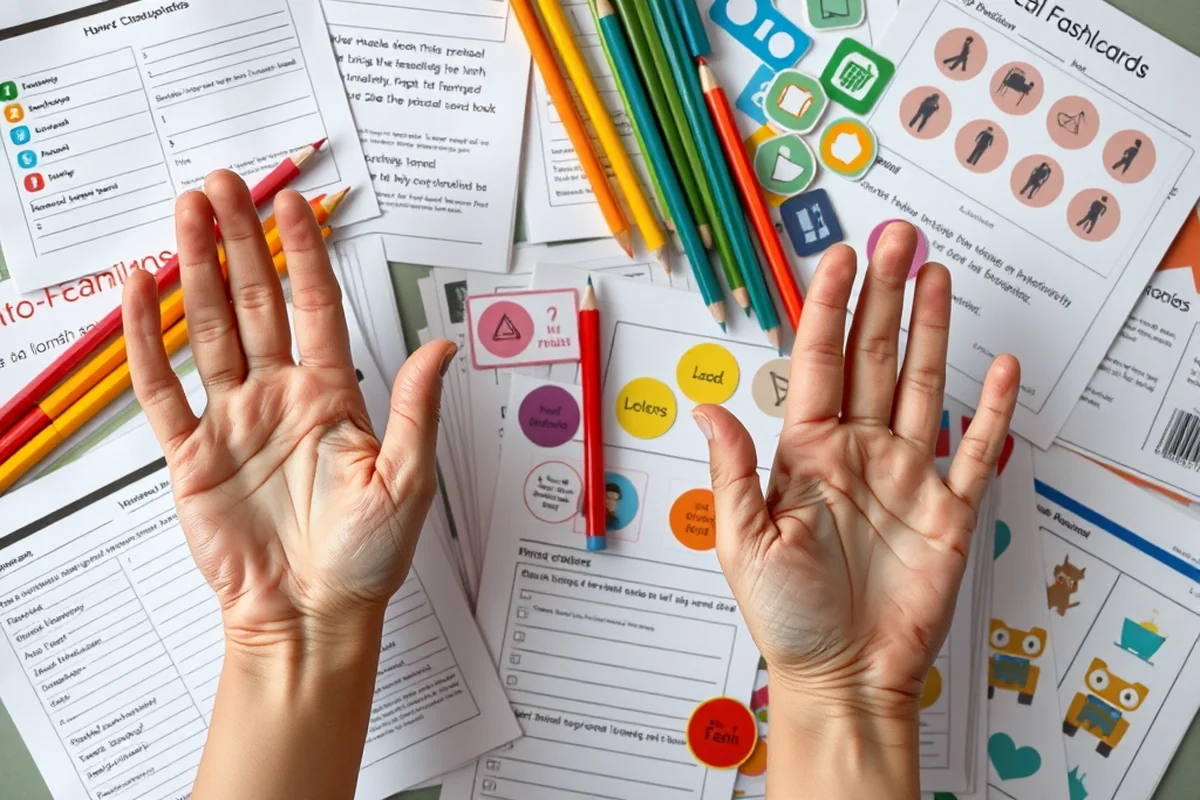
Physical education is more than just exercise—it's a chance to build confidence, develop teamwork, and practice self-regulation. These templates are crafted with these goals in mind, ensuring that each lesson includes opportunities for students to interact, collaborate, and grow.
For example, many of the templates include group activities that encourage communication and problem-solving. I’ve seen students who were initially hesitant to participate become more engaged after being part of a team-based activity. This kind of engagement is a powerful way to build social-emotional skills.
By incorporating these templates into your teaching, you’re not just helping students stay active—you’re also helping them develop important life skills that will benefit them both in and out of the classroom.
Related: Top teaching of physical education
How to Customize Templates for Different Learning Needs
One of the best things about these templates is that they can be modified to suit a wide range of students. If you have students with different abilities, you can adjust the activity to ensure that everyone can participate and benefit from the lesson. I’ve found that making small changes—like adjusting the rules or providing additional support—can make a big difference in student engagement and success.
For students with special needs, I often use visual aids or simplified instructions to help them follow along. These templates provide a good foundation, but it’s up to you to make them as accessible as possible for your students. I’ve used color-coded instructions and visual schedules in my classroom to help students with different learning styles stay on track.
It’s also important to be flexible and open to feedback. I’ve had students who were more engaged when I allowed them to suggest modifications to the activity. This kind of collaboration not only helps students feel more involved but also ensures that the lesson is inclusive and effective for everyone.
Related: Best physical therapy
The Benefits of Using These Templates for Long-Term Planning
Planning for the entire school year can be overwhelming, especially if you’re working with limited resources. That’s why these templates are a great tool for long-term planning. They provide a consistent structure that you can follow week after week, making it easier to create a balanced and engaging PE curriculum.
One of the ways I’ve used these templates is to create a monthly theme for my classes. For example, one month we focused on team-building, and another month was all about gross motor development. This approach helped keep the lessons fresh and gave students something to look forward to each week.
By using these templates as a foundation, you can also track student progress over time. I’ve found that having a consistent structure makes it easier to see how students are developing and where they might need additional support.
Consistency is key when it comes to building a strong PE curriculum.
Related: Top teaching physical education for learning 7th ed
How to Stay Organized with These Templates
Staying organized is one of the biggest challenges in teaching, especially when you’re juggling multiple classes and responsibilities. That’s why these templates are designed to be easy to use and store. I keep mine in a digital folder that I can access from anywhere, and I’ve also printed out a few of my favorites to keep in my lesson planning binder.
Another tip is to categorize your templates based on the type of activity or the grade level they’re intended for. This makes it easier to find the right one when you need it. I’ve created a folder for each grade level, and within each folder, I’ve sorted the templates by activity type, such as team sports, individual skills, or balance and coordination.
Using these templates also helps you avoid the common pitfall of planning the same activity over and over again. By having a variety of templates on hand, you can mix things up and keep your lessons fresh and engaging for your students.
👶 Younger Kids (Ages 3-6)
Templates designed with simple, engaging activities that are perfect for preschool and kindergarten students.
👦 Older Kids (Ages 7-12)
Templates that include more complex activities and strategies for middle schoolers and upper elementary students.
🕒 No-Prep Version
Ready-to-use templates that require no additional preparation or materials beyond what's already in the classroom.
🤝 Group Version
Templates that are ideal for group settings, with activities that promote teamwork and collaboration.
🚀 Extension Activities
Templates that include optional extensions to help students go deeper into the lesson and explore new skills.
| The mistake | Why it happens | The fix |
|---|---|---|
| Using the same template for every lesson without modification. | This can lead to student disengagement and a lack of variety in the classroom. | Make sure to adjust the templates based on your students’ needs and interests. Try adding new activities or changing the rules to keep lessons fresh and engaging. |
| Not preparing materials in advance. | This can lead to last-minute changes and a lack of structure in the classroom. | Review the materials list in each template and gather the necessary supplies before the lesson. This will help you stay organized and ensure that the lesson runs smoothly. |
| Ignoring student feedback during the lesson. | This can result in a lesson that doesn’t meet the needs of your students or that doesn’t keep them engaged. | Take time to observe your students during the lesson and be open to their feedback. You can make adjustments on the fly to better meet their needs. |
| Not reflecting on the lesson after it’s over. | This can lead to repeating the same mistakes and missing opportunities for improvement. | Take a few minutes after each lesson to reflect on what worked and what didn’t. This will help you refine your teaching and make better decisions in the future. |
Teaching Physical Education For Learning PDF Templates
Common Questions
Can I use these templates for virtual learning?
Are these templates aligned with common core standards?
How do I know which template is right for my students?
Can I modify the templates to include my own activities?
References
- (PDF) Learning and Teaching in Physical Education - Academia.edu (academia.edu)
- EDKN 3310 Intro to Teaching Physical Education Fall 2025 (apps.tamusa.edu)
- Physical Education in the Elementary School - UGA Bulletin (bulletin.uga.edu)
- Health & Physical Education (HPE) - catalog.georgian.edu. (catalog.georgian.edu)
Cite this guide
Teaching Physical Education at Home (2026). Teaching Physical Education For Learning Pdf Templates. https://growfromplay.com/teaching-physical-education-for-learning-pdf-templates/
Feel free to cite or share this guide.
Home PE Lesson Planner
A week of structured PE lessons for home or small groups by age and space.
Open it free →