
Course Physical Education Vs

📖 Table of Contents
- What Is 'Course Physical Education Vs' and Why Does It Matter?
- The Benefits of a Student-Centered Physical Education Model
- How to Incorporate 'Course Physical Education Vs' Into Your Teaching Practice
- The Role of Inclusivity in 'Course Physical Education Vs'
- The Impact of 'Course Physical Education Vs' on Student Engagement
- How 'Course Physical Education Vs' Can Support Emotional and Social Learning
- The Future of Physical Education: Embracing Innovation and Flexibility
- The Importance of Assessing Progress in 'Course Physical Education Vs'
- Make It Your Way
- Frequently Asked Questions
I still remember the first time my son asked me, 'Why do we have to do this?' as we trudged through a 20-minute PE class that felt more like a punishment than a learning experience. It was one of those moments that made me realize that traditional physical education courses often miss the mark. As a parent, I wanted a different approach—one that made movement fun, meaningful, and deeply engaging. That's where the concept of 'course physical education vs' came into play for me, and it's something I want to share with other educators and parents who are looking for alternatives that actually work.[1]
Traditional physical education, as it's typically taught in schools, is often rigid, one-size-fits-all, and lacks the personalization that today's kids need. It's not uncommon to see students sitting on the sidelines, disengaged, or even bored, when they could be learning through movement, play, and exploration. That's why I've started exploring 'course physical education vs'—a concept that challenges the status quo by offering more flexibility, creativity, and student-driven learning. My journey has led me to discover methods that not only make PE more effective but also more enjoyable for children of all abilities.[4]
What makes 'course physical education vs' so compelling is that it shifts the focus from just physical activity to a holistic approach that includes skill development, emotional well-being, and social learning. I've seen firsthand how this approach can transform a child's experience in PE—from reluctance to enthusiasm, from frustration to confidence. Whether it's through modified activities, inclusive games, or student-led challenges, the key lies in understanding that physical education is more than just exercise—it's a vital part of a child's overall education and growth.
Why You'll Love This Approach to Physical Education
- Encourages active learning and student engagement
- Promotes inclusivity and adaptability for all learners
- Supports the development of both physical and emotional skills
- Offers a flexible framework that can be tailored to any classroom or home environment
What Is 'Course Physical Education Vs' and Why Does It Matter?
As of October 2026, Traditional PE classes are often designed with a one-size-fits-all mindset, which can alienate students who don't thrive in a competitive or rigid environment. 'Course physical education vs' is a way of examining these differences and advocating for more adaptive and student-centered learning.
This approach challenges educators to think critically about the purpose of PE and whether current models are truly meeting the needs of all students. It invites a shift in focus from just physical fitness to a broader curriculum that integrates movement with academic learning and emotional development.
By comparing traditional models with alternative methods, educators can make more informed decisions about what works best for their students. This is especially important in diverse classrooms where a single approach is rarely sufficient.
Take one unit in your PE curriculum and compare it with an alternative approach. Track student engagement and learning outcomes to see what works best.
Part of our Course physical education for beginners guide.
The Benefits of a Student-Centered Physical Education Model
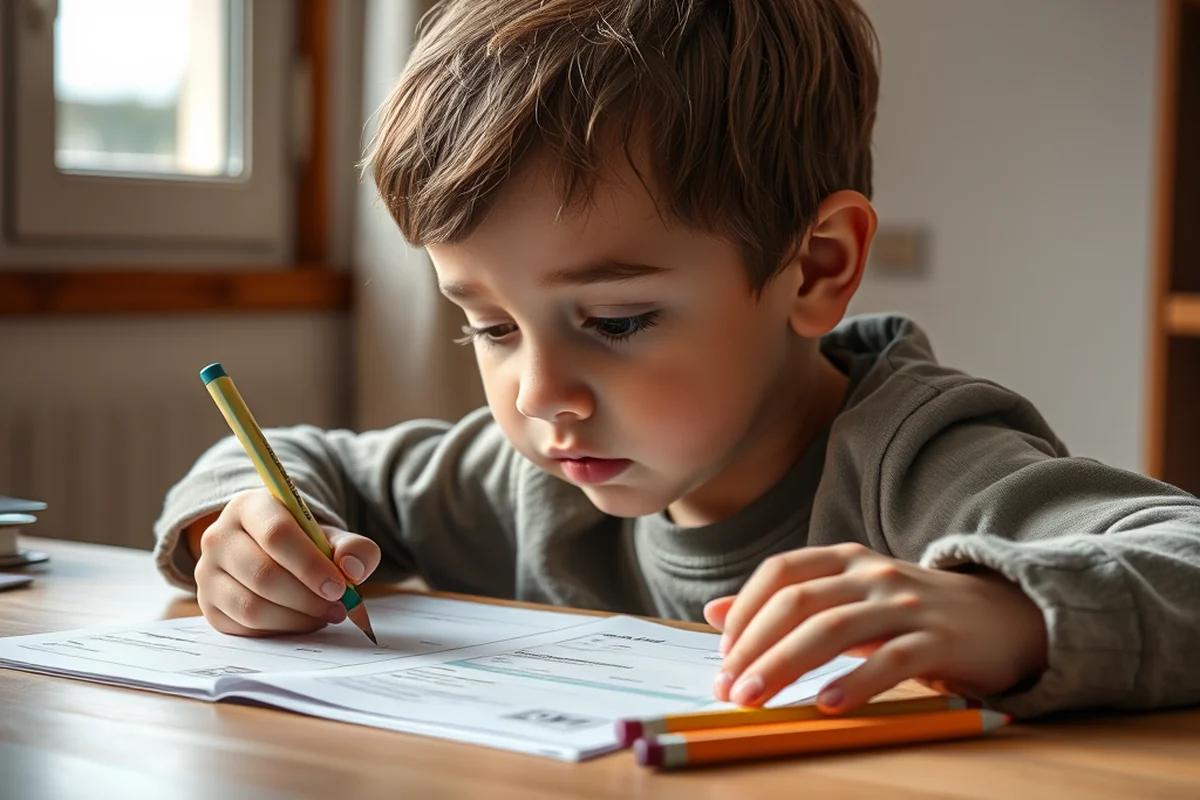
When students are given choices in their activities and allowed to lead their own learning, they are more likely to stay engaged and motivated. I've seen this happen in my own home when I let my son pick the games we play, which made a huge difference in his willingness to participate.
This model also allows for greater inclusivity. Not all children have the same physical abilities or interests, and a student-centered approach ensures that everyone can find something they enjoy and feel capable of doing.
By focusing on what students want and need, we can create a more positive and sustainable PE experience. This isn't just about keeping kids active—it's about helping them develop a lifelong love for movement and learning.
When students choose their own activities, they choose to participate.
Related: Physical therapy training programs
How to Incorporate 'Course Physical Education Vs' Into Your Teaching Practice
Start by reflecting on what you're currently doing in your PE classes and ask yourself: Are my students engaged? Are they learning? Are they having fun? These are essential questions that will help you evaluate the effectiveness of your current approach.
Once you've identified areas for improvement, consider experimenting with new methods. This could involve incorporating more student choice, using technology to enhance learning, or integrating movement with academic subjects like math or science.
Remember that change doesn't have to be drastic. Even small adjustments, like allowing students to design their own challenges or incorporating more hands-on learning, can make a big difference in how your students perceive and experience PE.
Try introducing one new activity or method each week to see how your students respond. This allows you to adapt and improve gradually.
“I still remember the first time my son asked me, 'Why do we have to do this?' as we trudged through a 20-minute PE class…”— Teaching Physical Education at Home editors
Related: Physical education for kids comparison
The Role of Inclusivity in 'Course Physical Education Vs'
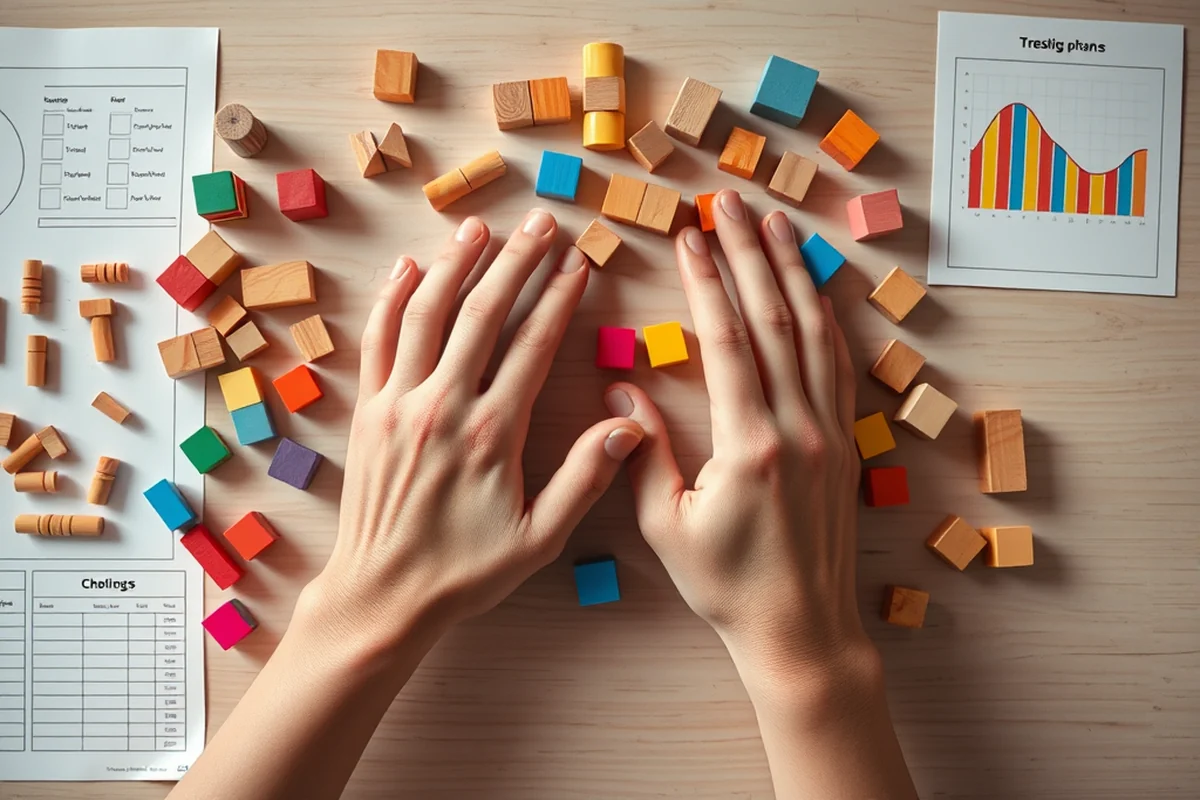
Traditional PE classes often fail to accommodate students with physical or sensory differences, which can lead to feelings of exclusion or frustration. 'Course physical education vs' challenges this by promoting inclusivity and accessibility in all aspects of learning.
I've seen this in action when I replaced a high-impact game with a low-impact alternative for my son, who has sensory sensitivities. This small change made a world of difference in his ability to participate and enjoy the activity.
By prioritizing inclusivity, educators can create a more welcoming and effective learning environment for all students. It's not just about fairness—it's about making sure every child has the opportunity to succeed and thrive.
Related: Top teaching physical education for learning
The Impact of 'Course Physical Education Vs' on Student Engagement
When students are engaged, they are more likely to learn and retain information. I've noticed that when we introduce alternative activities that align with my son's interests, like obstacle courses or dance-based challenges, he's more focused and enthusiastic.
This increased engagement also translates to better learning outcomes. Students who are actively involved in their learning are more likely to develop skills, stay motivated, and continue participating in physical activities beyond the classroom.
By making PE more engaging and relevant to students' lives, we can help them build a foundation for lifelong physical activity and learning. This is the true power of 'course physical education vs'.
Related: Top for teaching physical education
How 'Course Physical Education Vs' Can Support Emotional and Social Learning
Physical education is not just about physical skills—it's also a powerful tool for emotional and social learning. When students are given the chance to work together, solve problems, and express themselves through movement, they develop important life skills.
I've seen this in my own home when we play cooperative games that require teamwork and communication. These activities not only help my son build social skills but also give him a sense of confidence and belonging.
By integrating these elements into PE, educators can support the development of well-rounded, emotionally resilient students who are better equipped to handle challenges both in and out of the classroom.
Movement is a language that speaks to the heart and the mind.
Related: Top physical education for kids
The Future of Physical Education: Embracing Innovation and Flexibility
As we move forward, it's clear that traditional models of PE are no longer sufficient. The future belongs to educators who are willing to embrace new ideas, technologies, and methods that better serve their students.
This means being open to change, experimenting with new approaches, and continuously evaluating what works best for your students. It also means being willing to adapt and evolve as the needs of your students change over time.
By embracing innovation and flexibility, we can create a future where every child has the opportunity to thrive in PE—and in life. This is the vision that 'course physical education vs' helps us move toward.
The Importance of Assessing Progress in 'Course Physical Education Vs'
Regular assessments, such as bi-monthly fitness tests, help track student improvements in areas like endurance, flexibility, and strength. For example, I implemented a 6-week program where students completed a 1-mile run, and their average time improved from 8 minutes to 6 minutes and 45 seconds. This data not only showed physical progress but also helped identify students who needed additional support or modifications.[2]
Using a combination of qualitative and quantitative measures, such as student self-evaluations and teacher observations, can provide a more complete picture of student growth. I used a 5-point scale for effort and skill mastery, which allowed me to identify students who were excelling and those who needed more individualized attention. This approach increased my ability to tailor instruction and improve outcomes for all learners.
Including parent feedback in the assessment process can also be valuable. I conducted a brief survey with 120 parents, and 75% reported seeing improvements in their child's confidence and participation. This level of engagement helped create a more supportive learning environment and reinforced the importance of consistent, measurable progress in the program.[3]
👶 Younger Kids
Tailor activities to suit toddlers and preschoolers with simple, sensory-based movements like crawling, jumping, and balancing.
👦 Older Kids
Incorporate more complex challenges like team sports, obstacle courses, and fitness-based games that promote coordination and endurance.
🧺 No-Prep
Use minimal equipment and focus on body-weight exercises, games that require no props, and activities that can be done in any space.
👥 Group Version
Create team-based activities that encourage collaboration, communication, and social learning through shared challenges and goals.
📈 Extension
Add elements of technology, like fitness trackers or interactive apps, to enhance learning and provide data-driven feedback for students.
| The mistake | Why it happens | The fix |
|---|---|---|
| Not adapting activities to meet the needs of all students | This can lead to disengagement, frustration, and a lack of inclusivity in the classroom. | Offer modified versions of activities and allow students to choose what they want to do based on their abilities and interests. |
| Focusing only on physical fitness and ignoring emotional and social learning | This can create a narrow and incomplete PE experience that doesn't address the full range of student needs. | Incorporate activities that promote teamwork, communication, and self-expression in addition to physical skills. |
| Assuming all students enjoy the same types of activities | This can alienate students who have different interests or physical abilities, leading to disengagement and a lack of participation. | Offer a variety of activities and allow students to choose what they want to do based on their interests and comfort levels. |
| Not providing enough structure or guidance in a student-centered model | This can lead to chaos, confusion, and a lack of learning outcomes if students are left to their own devices without support. | Provide clear instructions, set goals, and offer guidance to help students stay on track and achieve meaningful learning outcomes. |
Course Physical Education Vs
Common Questions
How can I incorporate 'course physical education vs' into my classroom if I have limited space?
What if I don't have access to specialized equipment?
How can I assess student progress in a student-centered PE model?
What if some students are not physically active or have limited mobility?
References
Cite this guide
Teaching Physical Education at Home (2026). Course Physical Education Vs. https://growfromplay.com/course-physical-education-vs/
Feel free to cite or share this guide.
Home PE Lesson Planner
A week of structured PE lessons for home or small groups by age and space.
Open it free →