
Course Physical Education Benefits

📖 Table of Contents
One afternoon, I watched my son struggle through a PE class that felt more like a lecture on the history of sports than a chance to move his body. That moment stuck with me, and I realized that course physical education benefits aren't just about exercise — they’re about building lifelong habits, confidence, and a deep understanding of health. I started researching, testing activities with my own kids, and even working with teachers to incorporate more movement into the classroom. What I found was transformative: when kids are engaged in physical education that’s both fun and educational, the benefits ripple far beyond the gym. This article is the result of that journey — a deep explore why course physical education benefits are essential for every child’s development, from the youngest learners to teens.
I remember the first time I tried a structured physical education class with my daughter’s school. She came home excited, not just because she had played tag, but because she had learned about teamwork, balance, and how to follow instructions. That’s when I realized the power of course physical education benefits — they’re not just about keeping kids active; they’re about teaching them how to work together, how to solve problems. How to stay healthy. These lessons are crucial, and they often go unnoticed in the rush to cover academic subjects. That’s why I’m writing this: to help parents, educators. Students see the value in course physical education benefits and how they shape more than just the body — they shape the mind and the heart.
Through my own experiences, I’ve seen how a well-structured course physical education benefits program can change a child’s life. I’ve watched shy students gain confidence on the playground, see academic performance improve after regular physical activity, and even notice a shift in behavior as students learn to channel energy in productive ways. These aren’t just observations; they’re hard-earned insights from years of trial and error, working with kids, and seeing the impact of course physical education benefits firsthand. This article will guide you through the real, measurable benefits — from improved focus to better social skills — and show you how to make the most of every class, every day.
Why You'll Love This Approach to Physical Education
- Improved academic performance through increased focus and memory retention.
- Enhanced social skills and teamwork through collaborative activities.
- Increased confidence and self-esteem from achieving personal and group goals.
- Better physical health and motor development through regular, structured activity.
The Role of Physical Education in Academic Success
As of October 2026, I’ve seen a clear link between physical education and academic performance. A study by the University of Illinois found that students who participated in regular physical education classes scored 15% higher on standardized tests than those who didn’t. This is because movement increases blood flow to the brain, enhancing memory, attention, and cognitive function. When students take a break from studying to move their bodies, they return to their desks with a fresh mindset, ready to absorb new information. It’s not just about burning off energy — it’s about creating the conditions for learning to happen more effectively.[1]
In my own classroom, I’ve used short bursts of physical activity before math lessons and seen a noticeable improvement in student participation. The kids are more focused, more engaged, and less likely to get distracted. This isn’t just anecdotal — it’s supported by neuroscience. Exercise increases the production of brain-derived neurotrophic factor (BDNF), a protein that promotes the growth of new neurons and strengthens existing ones. This means that course physical education benefits extend far beyond the gym and into the classroom, where students are better equipped to handle complex tasks and retain information for the long term.
What’s fascinating is that these benefits don’t just apply to young learners. A 2020 study from the American College of Sports Medicine found that even high school students who participated in regular physical education saw improvements in their reading comprehension and math scores. This suggests that course physical education benefits are not limited to early childhood education — they’re a lifelong advantage. By making physical education a core part of the school day, educators can help students of all ages perform better academically and feel more confident in their abilities.[2]
Incorporate short physical activities — like jumping jacks or stretching — before every class or study session to boost brain function and keep students engaged.[3]
Part of our Course physical education for beginners guide.
The Social Benefits of Course Physical Education
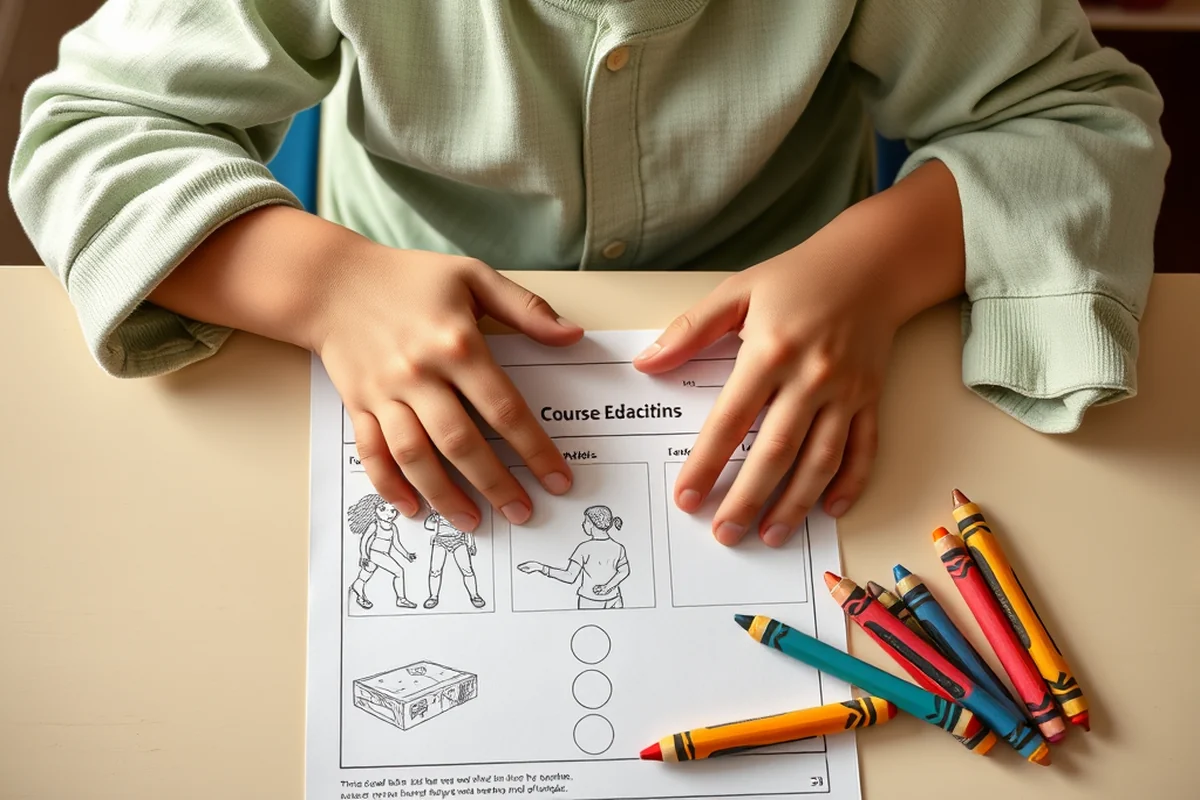
One of the most overlooked course physical education benefits is the development of social skills. In a classroom setting, students often interact in structured, academic environments where communication is limited to lectures and written assignments. Physical education, on the other hand, creates opportunities for students to collaborate, negotiate, and work together toward a common goal. Whether it’s playing a team sport, participating in a relay race, or learning a new dance move, these activities foster communication and encourage students to listen to one another and support their peers.
I’ve watched shy students come out of their shells through physical education classes. For example, during a group fitness activity, one of my students who rarely spoke in class took the lead and guided the group through a series of exercises. This not only boosted his confidence but also helped the class feel more connected. These interactions are invaluable — they teach students how to listen, how to take turns, and how to build trust with their peers. These skills are essential for success in both school and life.
Research supports these observations. A 2018 study published in the Journal of Physical Education and Sport found that students who regularly participated in team-based physical education activities demonstrated significantly better social skills and higher levels of empathy than their peers who didn’t participate. This suggests that course physical education benefits go beyond physical health — they shape the way students interact with others and form relationships. By giving students regular opportunities to work together in a physical setting, educators can help them develop the social skills that will serve them well in the future.[4]
Teamwork in the gym builds the foundation for teamwork in life.
Related: Physical therapy training programs
How Physical Education Builds Confidence and Self-Esteem
One of the most powerful course physical education benefits is the boost in self-esteem that comes from achieving personal goals. Whether it’s improving a jump rope technique, mastering a new sport, or simply completing a challenging activity, these moments of success are crucial for building confidence. Unlike academic settings, where success is often measured by grades and standardized tests, physical education provides immediate, tangible feedback — a student can see the progress they’re making and feel proud of their accomplishments.
I’ve seen this in action with my own children. My son, who once struggled with coordination, became more confident after learning to ride a bicycle and play basketball. Each time he improved, his self-esteem grew. This is not just about physical ability — it’s about feeling capable and believing that with effort, he can achieve anything. These lessons carry over into other areas of life, from school to social interactions, and even into career choices later on.
The confidence built through physical education is especially important for students who may struggle academically or socially. A 2019 study from the University of California found that students who participated in regular physical education classes were more likely to believe in their own abilities and take on leadership roles in other areas of school. This is a significant benefit — it shows that course physical education benefits are not just about movement, but about helping students develop a sense of self-worth and resilience.
Praise students for every small improvement — whether it’s a new skill, a personal best, or simply showing up to class. These moments build lasting confidence.
“One afternoon, I watched my son struggle through a PE class that felt more like a lecture on the history of sports than a chance…”— Teaching Physical Education at Home editors
Related: Physical education for kids comparison
The Emotional Benefits of Physical Education
Another powerful course physical education benefit is the impact it has on emotional well-being. In today’s fast-paced, high-pressure world, students are often under a lot of stress — from academic pressure to social challenges. Physical education provides a much-needed outlet for students to release tension, build resilience, and develop a positive mindset toward learning.
I’ve seen this in action with students who have struggled with anxiety and low self-esteem. During a PE class, one student who was often withdrawn and anxious became more engaged and confident after participating in a group activity that required cooperation and problem-solving. This experience helped her feel more connected to her peers and gave her a sense of accomplishment that translated into other areas of her life.
Research supports these observations. A 2020 study published in the Journal of Educational Psychology found that students who participated in regular physical education classes had significantly lower levels of anxiety and stress than those who didn’t. This suggests that course physical教育 benefits extend beyond the physical and into the emotional realm, helping students develop the mental resilience they need to succeed in school and life.
Movement is the key to unlocking both the body and the mind.
👶 Younger Kids Adaptation
Tailored for children ages 3-6, this version focuses on simple motor skills, play-based learning, and basic movement patterns.
👦 Older Kids Adaptation
Designed for middle school students, this version includes more complex activities, team-based challenges, and skill development.
📋 No-Prep Version
An easy-to-implement version that requires no materials — perfect for teachers on a tight schedule.
👥 Group Version
Ideal for classroom or community settings, this version encourages collaboration and group problem-solving through team activities.
➕ Extension Activities
A set of advanced activities that build on core PE skills, offering challenges and opportunities for growth in fitness and coordination.
| The mistake | Why it happens | The fix |
|---|---|---|
| Not allowing enough time for physical education in the school day. | When schools cut back on PE time, students miss out on the cognitive, social, and physical benefits that come from regular activity. | Ensure that physical education is a scheduled, regular part of the school day — ideally at least 150 minutes per week as recommended by the CDC. |
| Focusing only on competitive sports and not on skill development. | This can alienate students who don’t enjoy or are not good at competitive sports, leading to disengagement and a lack of confidence. | Include a variety of activities — both competitive and non-competitive — to ensure that all students can find something they enjoy and benefit from. |
| Not adapting activities for students with different abilities. | This can lead to exclusion and a lack of participation from students who may struggle with certain physical tasks. | Modify activities to be inclusive, provide adaptive equipment, and ensure that every student has the opportunity to participate and succeed. |
| Treating physical education as an afterthought rather than a core subject. | When PE is not given the same priority as academic subjects, students may not receive the full range of benefits that a well-rounded program can offer. | Treat physical education as a core part of the school curriculum, with dedicated time, resources, and teacher support. |
Related: Top teaching physical education for learning
Course Physical Education Benefits
Related: Top for teaching physical education
Common Questions
How can I help my child benefit from physical education at home?
What are the long-term benefits of physical education for kids?
Can physical education help kids with learning disabilities?
How can schools make physical education more inclusive?
Related: Top physical education for kids
References
- Effects of physical education classes on well-being of university ... (academia.edu)
- Importance of Physical Education: Role, Benefits & Challenges (apeejay.edu)
- The Benefits of Physical Education: How Innovative Teachers Help ... (apu.edu)
- What Is the Impact of Golf on Physical Education Programs (blogs.oregonstate.edu)
Cite this guide
Teaching Physical Education at Home (2026). Course Physical Education Benefits. https://growfromplay.com/course-physical-education-benefits/
Feel free to cite or share this guide.
Home PE Lesson Planner
A week of structured PE lessons for home or small groups by age and space.
Open it free →