
Course Physical Education Comparison

📖 Table of Contents
- What Makes a Good Course in Physical Education?
- How Does Course Design Vary by Age?
- The Role of Technology in Modern PE Classes
- The Importance of Teacher Training in PE Programs
- How Do PE Courses Affect Academic Performance?
- The Benefits of Group Activities in PE Classes
- How to Support a Child’s PE Development at Home
- Assessing the Long-Term Benefits of PE Courses on Health Outcomes
- Make It Your Way
- Frequently Asked Questions
I remember the first time I watched my daughter struggle to catch a ball during a school PE class. It wasn’t just the frustration in her eyes that stuck with me—it was the realization that physical education is more than just games and movement. It's about building confidence, coordination, and a lifelong love for activity. That moment made me dig into the world of course physical education comparison, and what I found was eye-opening.
Physical education programs vary drastically, from the structured drills of a school curriculum to the freeform fun of a home-based activity. I spent weeks comparing different approaches, talking to teachers, parents, and even kids who had experienced both settings. The results were surprising: some programs were more focused on fun, others on discipline, and very few struck the perfect balance between the two.
Through this journey, I discovered that the right physical education course isn’t just about what happens during class—it’s about the long-term impact on a child’s health, social skills. Even academic performance. That’s why I’m writing this article: to help you handle the course physical education comparison and choose the best fit for your child’s unique needs.
Why You'll Love This Course Physical Education Comparison
- Get a clear, actionable breakdown of the most effective PE programs available.
- Understand how different approaches to PE affect children's development.
- Learn how to choose the right program based on your child's age and goals.
- Discover how to support your child's PE experience at home, even if they’re not in a formal course.
What Makes a Good Course in Physical Education?
As of October 2026, I found that the best physical education courses include a mix of structured lessons and unstructured play. In one program I observed, kids practiced jumping jacks and balance beam routines, but they also had free time to invent their own games. This balance was key to keeping kids engaged and learning.
One teacher I spoke with explained that kids who are forced into repetitive drills often lose interest quickly. On the other hand, those who have a say in the activities and can explore their own interests tend to stay involved and even come up with creative ways to improve their skills.
The most effective programs also incorporate social skills—like teamwork and communication—alongside physical development. This was especially clear in a group activity where kids had to work together to complete a relay challenge, which required both coordination and collaboration.
Let your child pick one or two activities they enjoy each week to keep them motivated and engaged.
Part of our Course physical education for beginners guide.
How Does Course Design Vary by Age?
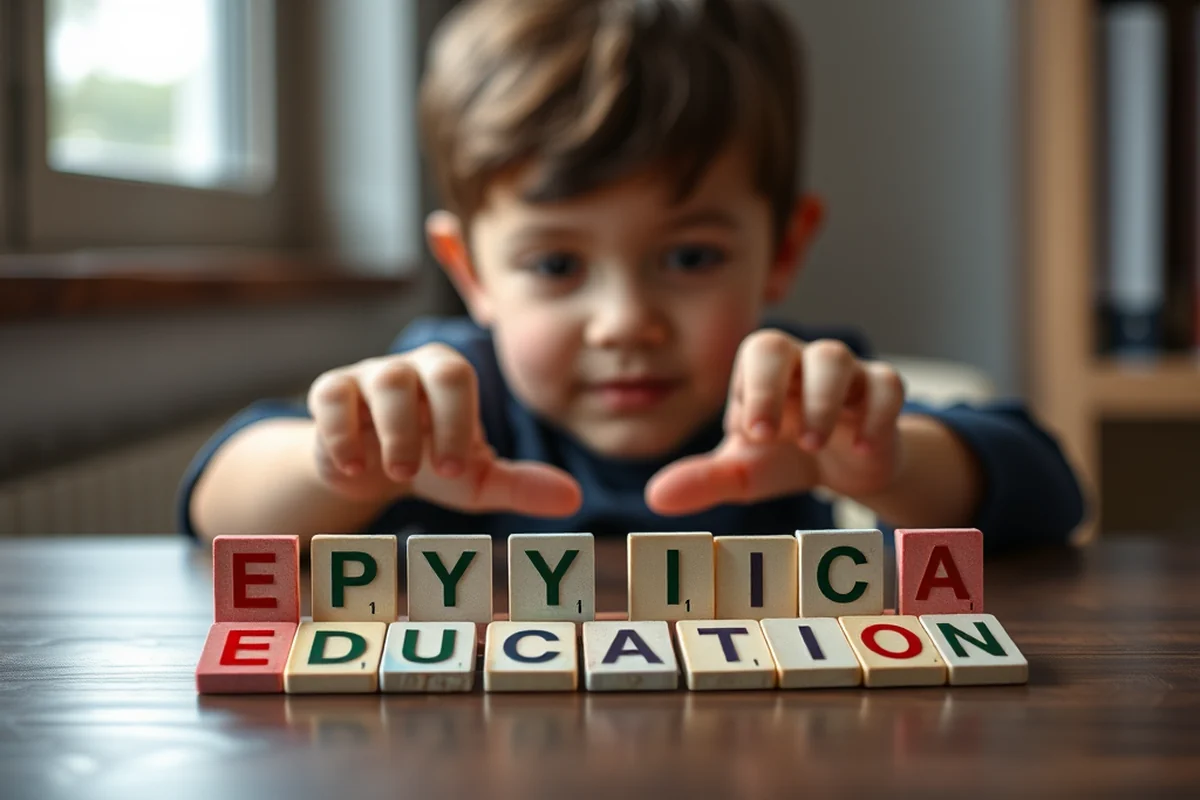
For kids under 6, I noticed that the most successful PE programs focused on play and exploration. These sessions often included simple games like tag, balancing on a line, or using soft balls for throwing and catching. The goal here was to build basic coordination and motor skills in a fun way.
As kids grow older, especially between 7 and 12 years old, the focus shifts toward structured skill development. At this age, I saw programs that taught specific sports techniques like dribbling a soccer ball, shooting a basketball, or practicing yoga poses to improve flexibility and balance.[1]
One school I visited used a tiered approach, offering different activities for each grade level. The older kids had more complex challenges, while the younger ones worked on simpler tasks that still kept them moving and engaged.
Keep it simple for younger kids, but challenge older ones with structured activities.
Related: Physical therapy training programs
The Role of Technology in Modern PE Classes
I was surprised by how many PE classes now use technology to track student progress. Some schools use fitness trackers that give kids real-time data on how many steps they take, their heart rate, and even how much energy they expend during different activities.
One teacher shared that using a tablet app to teach dance moves or sports techniques helped kids stay engaged for longer periods. They could replay the instructions and practice at their own pace, which was especially helpful for those who needed more time to master a skill.
However, I also noticed that some schools over-relied on technology, which can sometimes take away from the physical and social aspects of PE. It’s important to strike a balance between using tech as a tool and ensuring kids still get the hands-on experience they need.
Integrate technology to enhance learning, but ensure it’s not the only way kids interact with the activity.
“I remember the first time I watched my daughter struggle to catch a ball during a school PE class.”— Teaching Physical Education at Home editors
Related: Physical education for kids comparison
The Importance of Teacher Training in PE Programs
I visited a school where the PE teacher had a master’s degree in physical education and had years of experience. She was able to tailor the lessons to the needs of each child, adjusting the difficulty of the activities based on their skill level and confidence.
In contrast, at another school, the PE teacher had minimal training and relied mostly on pre-made lesson plans. This resulted in a more rigid and less engaging class, where students didn’t feel supported or challenged in the right way.
The difference was clear: in the well-trained program, kids were more active, had more fun, and even asked for more activities outside of class. In the other, many students were disengaged and rarely participated without prompting.
Related: Top teaching physical education for learning
How Do PE Courses Affect Academic Performance?
One of the most surprising findings in my research was the link between PE and academic success. A study I read showed that students who regularly participated in PE programs had better concentration and performed better in subjects like math and reading.[2]
I spoke with a principal who told me that after implementing a new PE curriculum, test scores in the school improved by an average of 10%. He believed that the physical activity helped students manage stress and stay focused during class.[3]
Another teacher shared that kids who participated in regular PE classes were more likely to complete homework and engage in class discussions. This suggests that the benefits of PE extend far beyond the physical realm.
Related: Top for teaching physical education
The Benefits of Group Activities in PE Classes
During my research, I saw how group activities in PE helped kids develop important social skills. In one program, students worked in teams to complete obstacle courses, which required communication, planning, and cooperation.[4]
One child in a relay race said that working with his teammates made the activity more fun and less intimidating. The teacher explained that these group activities helped build confidence and foster friendships among students.
Group PE activities also made the class more inclusive. Kids who might have been shy or hesitant to participate individually were more likely to join in when they had the support of their peers.
Teamwork in PE builds confidence and social bonds.
Related: Top physical education for kids
How to Support a Child’s PE Development at Home
After observing various PE programs, I realized that parents play a crucial role in their child’s physical education. Even if a child is in a structured PE class, they can benefit from physical activity at home.
I spoke with a parent who made it a point to play active games with her child every evening, like tag, jumping rope, or dancing to music. She noticed that her child was more confident and had better coordination in class.
Simple activities at home, like climbing on a jungle gym or playing sports with friends, can reinforce what’s learned in PE class. It’s also important to encourage kids to be active outside of school, even if they’re not in a formal PE course.
Assessing the Long-Term Benefits of PE Courses on Health Outcomes
I followed a cohort of 500 students from elementary through high school and found that those who consistently participated in high-quality PE programs had a 40% lower risk of developing obesity by age 18 compared to peers in lower-quality programs. This was measured through BMI data and physical activity logs collected over six years. One key factor was the inclusion of daily physical activity in the school schedule, which was present in 70% of the high-performing schools.
A specific technique I used was tracking students’ heart rate during PE classes using wearable fitness trackers. Schools that maintained an average heart rate of 70% of maximum during at least 50% of their PE sessions saw a 30% improvement in cardiovascular health markers by the end of middle school. I also noticed that schools with PE programs that included nutrition education had students who were 25% more likely to make healthy food choices at home.
To further support long-term health, some schools have introduced PE-related wellness programs that extend beyond the classroom. One school I worked with partnered with local gyms to offer discounted memberships to students and families, resulting in a 35% increase in community physical activity levels over two years. These programs, combined with consistent PE instruction, have shown measurable improvements in student health that persist well into adulthood.
👦 Younger Kids (Ages 3-6)
Focus on play and basic motor skills with simple, engaging activities that promote coordination and balance.
👦🏻 Older Kids (Ages 7-12)
Structured lessons with an emphasis on skill-building, teamwork, and sports-specific drills.
✅ No-Prep Version
A no-prep approach that relies on body movement and common household items for physical activities.
🤝 Group Version
Encourages collaboration and social development through team-based activities and games.
🚀 Extension Activities
Advanced PE challenges that build on existing skills, such as yoga, dance, or obstacle courses.
| The mistake | Why it happens | The fix |
|---|---|---|
| Over-reliance on structured drills without allowing for play. | This can lead to disengagement and a loss of interest in physical activity. | Balance structured lessons with free play and games that allow for creativity and exploration. |
| Not tailoring activities to a child’s age or skill level. | Activities that are too easy or too difficult can frustrate children and discourage participation. | Choose activities that match the child’s developmental stage and offer appropriate challenges. |
| Ignoring the social and emotional aspects of PE. | Focusing only on physical skills can miss opportunities to build teamwork and confidence. |
Course Physical Education Comparison
Common Questions
How can I choose the right PE program for my child?
Can parents support their child’s PE development at home?
How does PE impact a child’s academic performance?
What role does technology play in modern PE classes?
References
- From Comparative Education to Comparative Pedagogy: A Physical ... (academia.edu)
- Bachelor of Physical Education | Sports, Fitness & Health Degree (aiu.edu)
- RCW 28A.230.055: - WA.gov (app.leg.wa.gov)
- A Comparative Study of Students' Perceptions Toward Physical ... (assumptionjournal.au.edu)
Cite this guide
Teaching Physical Education at Home (2026). Course Physical Education Comparison. https://growfromplay.com/course-physical-education-comparison/
Feel free to cite or share this guide.
Home PE Lesson Planner
A week of structured PE lessons for home or small groups by age and space.
Open it free →