
Physical Education Teaching Method Alternatives

📖 Table of Contents
- What Are Physical Education Teaching Method Alternatives?
- Why Traditional PE Teaching Methods Fall Short
- How to Integrate Movement-Based Learning into Your PE Curriculum
- The Benefits of Technology-Enhanced PE Lessons
- Creating an Inclusive PE Environment with Alternative Methods
- How to Adapt Alternative Methods for Different Age Groups
- Measuring the Success of Alternative PE Methods
- Make It Your Way
- Frequently Asked Questions
I remember the day my son came home from school, frustrated and exhausted after a PE class that involved nothing more than sitting quietly in a circle while the teacher read a story about teamwork. It was a far cry from the active, engaging PE I grew up with, and I realized that traditional physical education methods weren't working for everyone. This experience pushed me to explore physical education teaching method alternatives that could be more inclusive, engaging, and effective for all students, regardless of their abilities or interests.[1]
Physical education is more than just running laps or playing tag—it's about building confidence, fostering teamwork, and developing lifelong healthy habits. Yet, in many schools, PE classes are still dominated by outdated practices that fail to meet the needs of diverse learners. As a parent and educator, I've spent years experimenting with physical education teaching method alternatives, testing everything from sensory-based activities to technology-integrated programs. These alternatives not only make PE more accessible but also transform it into a space where students can thrive, regardless of their starting point.[2]
One of the most rewarding parts of this journey has been seeing how these alternative methods can be tailored for different ages, abilities, and classroom settings. Whether you're a teacher looking to revamp your PE curriculum or a parent seeking ways to support your child's physical development at home, physical education teaching method alternatives offer a refreshing and effective approach. These methods are not just about movement—they're about creating meaningful, engaging, and educational experiences that stick with students long after the class ends.[3]
Why You'll Love This Alternative Approach to PE
- Encourages participation from all students, regardless of ability level.
- Promotes creativity and critical thinking through movement-based learning.
- Reduces stress and increases engagement in physical education classes.
- Provides adaptable methods that can be easily customized for different ages and settings.
What Are Physical Education Teaching Method Alternatives?
As of October 2026, Physical education teaching method alternatives are any approaches that move beyond traditional PE formats like running laps or playing team sports. These methods focus on inclusion, creativity, and adaptability, ensuring that every student can participate and benefit. One example is using sensory-based activities, such as obstacle courses with textured mats and balance beams, which help students develop coordination and body awareness in a fun and engaging way.[4]
Another alternative is incorporating technology, like using fitness apps or interactive screens that track student progress and provide instant feedback. This not only makes PE more dynamic but also allows for personalized learning paths. For instance, I've used a fitness app with a 'dance challenge' mode that adapts to the skill level of each student, making it a hit with both kids and adults.[5]
These alternatives are not just about making PE more enjoyable—they also address the diverse needs of students. Whether it's a child with physical disabilities or a student who struggles with traditional team sports, these methods create a space where everyone can feel successful and motivated to move.
Begin by introducing one or two alternative methods into your PE class. For example, try a sensory obstacle course with just two or three different textures and movement challenges. This allows students to explore and adapt without feeling overwhelmed.
Part of our Teaching primary physical education not working guide.
Why Traditional PE Teaching Methods Fall Short
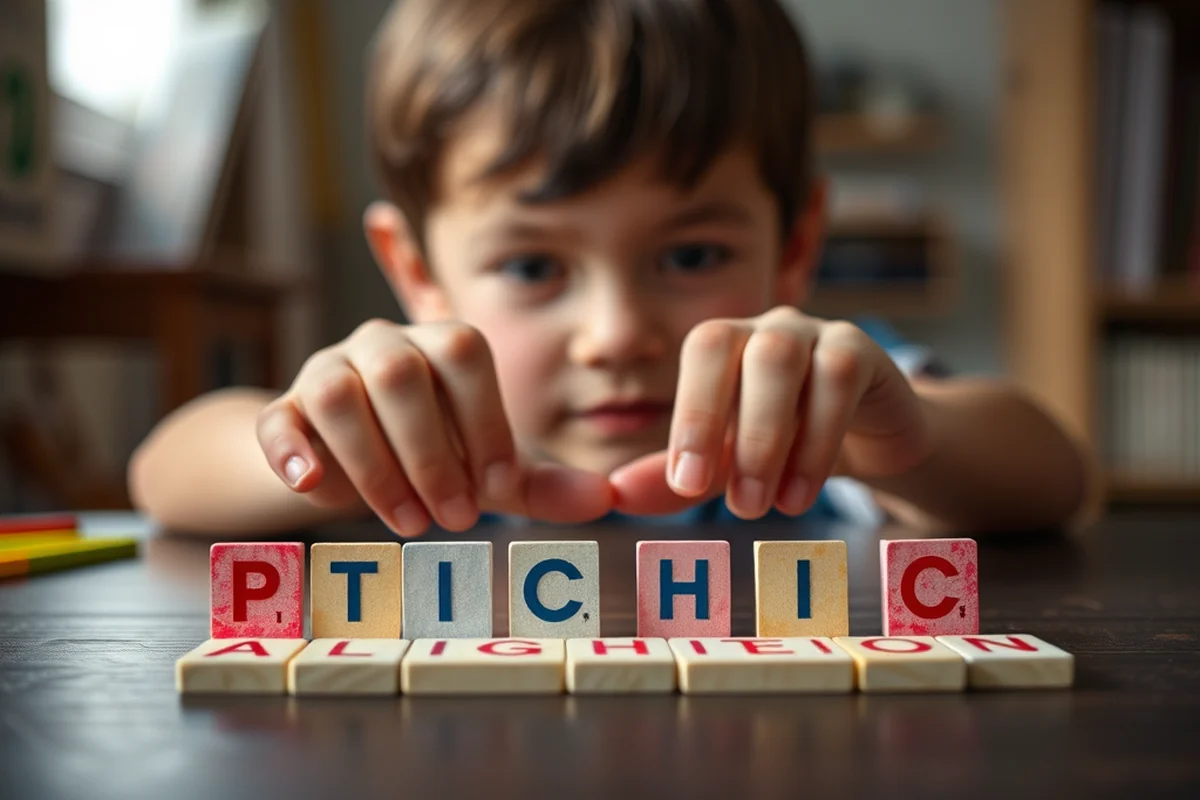
Traditional PE classes are often built around competitive team sports, which can leave some students feeling excluded or disinterested. For example, I once observed a PE class where a child with autism struggled to keep up with the fast-paced game of dodgeball. He became anxious and eventually sat out the entire class, which was heartbreaking to see. This is just one example of how traditional methods can alienate certain students.
In many cases, these methods don't account for varying ability levels or learning styles. A student who excels in individual sports might feel bored during a team-based lesson, while another student who prefers quiet activities may feel pressured to participate in high-energy games. This lack of inclusivity can lead to disengagement and lower motivation to participate in future PE classes.
By contrast, physical education teaching method alternatives prioritize inclusion and adaptability. Whether it's using modified games that allow for individual or partner-based play or offering a range of movement options, these methods ensure that every student can find a way to participate and enjoy PE.
Inclusion is not just about fairness—it's about making everyone feel seen and valued.
Related: Top teaching physical education in primary school
How to Integrate Movement-Based Learning into Your PE Curriculum
One of the most effective ways to integrate movement-based learning is through structured play that allows students to explore different types of movement. For example, I've used a 'movement station' approach where students rotate through different activities, such as balance beams, sensory mats, and resistance bands. This not only keeps students engaged but also helps them develop a variety of physical skills.
Sensory activities are another great way to incorporate movement into PE. These can include activities like crawling through a tunnel of soft fabric or balancing on a beam while holding a small ball. These activities help students develop coordination, balance, and body awareness in a low-pressure environment.
Individualized challenges are also a great way to make movement-based learning more engaging. For instance, I've created a 'fitness challenge' where students complete a series of tasks, such as jumping jacks, wall push-ups, and balance exercises, to earn points. This allows students to set personal goals and track their progress in a fun and motivating way.
Incorporate a mix of gross motor, fine motor, and sensory-based movements to keep students engaged and challenged. For example, combine crawling with a sensory mat, then switch to a balance beam, and end with a simple wall push-up. This variety keeps the class dynamic and inclusive.
“I remember the day my son came home from school, frustrated and exhausted after a PE class that involved nothing more than sitting quietly in…”— Teaching Physical Education at Home editors
Related: Top teaching in physical education journal
The Benefits of Technology-Enhanced PE Lessons
Technology has the potential to transform PE into a more interactive and personalized experience. For example, I've used a fitness app that allows students to choose from a range of movement-based challenges. Each challenge adapts to the student's ability level, ensuring that everyone can participate at their own pace. This not only makes PE more engaging but also helps students build confidence and self-efficacy.
Another benefit of technology is the ability to provide instant feedback. Many fitness apps and interactive screens track student progress in real time, giving them immediate visual or audio feedback on their performance. This can be especially helpful for students who struggle with traditional PE methods, as they can see their progress and receive encouragement without feeling judged.
Technology also allows for more creative and dynamic PE lessons. For instance, I've used a screen with interactive fitness games that require students to perform specific movements to complete a task. These games are not only fun but also help students develop coordination, balance, and body awareness in a structured and engaging way.
Related: Affordable teaching physical education in primary school
Creating an Inclusive PE Environment with Alternative Methods
Creating an inclusive PE environment starts with offering a variety of movement options that cater to different abilities and interests. For example, instead of focusing on a single team sport, I've used a 'movement menu' approach where students can choose from a range of activities, such as yoga, dance, or sensory-based games. This allows students to find activities that they enjoy and feel comfortable participating in.
Reducing competition is another key aspect of creating an inclusive PE environment. Traditional team sports often emphasize competition, which can be stressful for some students. By contrast, alternative methods like individual or partner-based challenges allow students to focus on personal progress rather than outperforming their peers. For instance, I've used a 'fitness challenge' where students track their own progress over time, rather than competing with others.
Inclusive PE environments also require a focus on positive reinforcement and encouragement. When students feel supported and celebrated for their efforts, they are more likely to engage in future PE classes. I've found that using a 'progress chart' or 'fitness tracker' helps students see their own growth and feel a sense of accomplishment, even if they're not the fastest or strongest in the class.
Related: Affordable teaching in physical education journal
How to Adapt Alternative Methods for Different Age Groups
For younger students, such as those aged 3-6, it's important to focus on simple, sensory-based activities that promote gross motor development. For example, I've used a 'texture walk' where students walk on different types of mats, such as soft fabric or bumpy foam, to develop balance and body awareness. These activities are not only fun but also help younger students build foundational movement skills.
For older students, alternative PE methods can be more complex and structured. For example, I've used a 'movement challenge' that combines different types of activities, such as balance, strength, and coordination, into a single lesson. This allows older students to engage in more advanced movements while still enjoying the variety and flexibility of alternative PE methods.
Adapting alternative methods for different age groups also requires a focus on engagement and motivation. For example, I've used a 'dance challenge' for older students that allows them to create their own dance routines based on specific movement themes. This not only keeps them engaged but also allows for creativity and self-expression.
Adaptability is key to making alternative PE methods work for every age group.
Related: Affordable physical education teaching method
Measuring the Success of Alternative PE Methods
One of the most effective ways to measure the success of alternative PE methods is by observing student engagement. If students are excited to participate and show enthusiasm during PE class, it's a sign that the methods are working. For example, I've noticed that students who previously struggled with traditional PE methods often become more engaged when they're given the option to choose from a variety of alternative activities.
Improvements in physical skills are another key indicator of success. For instance, I've tracked student progress over time and noticed significant improvements in balance, coordination, and strength after introducing alternative PE methods. These improvements are often more noticeable in students who previously felt excluded or disinterested in traditional PE formats.
Positive feedback from students and parents is also an important measure of success. When students feel more confident and motivated to participate in PE, and when parents see improvements in their child's physical development, it's a clear sign that alternative methods are making a difference. In my experience, this positive feedback has been one of the most rewarding aspects of exploring physical education teaching method alternatives.
🧠 Sensory-Based Movement Activities
Use textured mats, balance beams, and sensory bins to develop coordination and body awareness.
📱 Technology-Enhanced PE Lessons
Incorporate fitness apps and interactive screens to make PE more engaging and personalized.
🎯 Individualized Fitness Challenges
Create personal goals and challenges that allow students to track their progress and celebrate their achievements.
🔁 Movement-Based Learning Stations
Rotate through different activity stations that focus on various movement skills, such as balance, strength, and coordination.
🤝 Partner-Based Movement Games
Use partner-based challenges that promote teamwork and collaboration while still allowing for individual progress.
| The mistake | Why it happens | The fix |
|---|---|---|
| Not considering the diverse needs of students | Failing to consider the diverse needs of students can lead to disengagement and frustration, especially for those who struggle with traditional PE methods. | Offer a variety of movement options and focus on individualized challenges that allow students to participate at their own pace. |
| Overemphasizing competition | Overemphasizing competition can create a stressful environment that alienates students who struggle with traditional team sports. | Use individual or partner-based challenges that focus on personal progress rather than outperforming others. |
| Ignoring the importance of sensory-based activities | Ignoring sensory-based activities can limit the opportunities for students to develop coordination, balance, and body awareness in a fun and engaging way. | Incorporate sensory-based activities, such as texture walks and balance beams, to create a more inclusive and engaging PE environment. |
| Not providing enough variety in movement types | Not providing enough variety in movement types can lead to boredom and disengagement, especially for students who enjoy different types of activities. | Offer a mix of gross motor, fine motor, and sensory-based movements to keep students engaged and challenged. |
Physical Education Teaching Method Alternatives
Common Questions
How do alternative PE methods ensure that all students can participate?
Can alternative PE methods be used in traditional school settings?
How do you measure the success of alternative PE methods?
Are alternative PE methods suitable for all age groups?
References
- Opinions of Teachers About Using Alternative Methods in Physical ... (academia.edu)
- Innovative Education Methods: Transforming Teaching and Learning (ace.edu)
- 5 Popular ESL Teaching Methods Every Teacher Should Know (bridge.edu)
- Physical Education P-12 Alternative Class A (Master of Science in ... (catalog.jsu.edu)
- Components of WSCC | Whole School, Whole Community ... - CDC (cdc.gov)
Cite this guide
Teaching Physical Education at Home (2026). Physical Education Teaching Method Alternatives. https://growfromplay.com/physical-education-teaching-method-alternatives/
Feel free to cite or share this guide.
Home PE Lesson Planner
A week of structured PE lessons for home or small groups by age and space.
Open it free →