
Teaching Physical Education For Learning (7Th Ed For Beginners

📖 Table of Contents
When I first tried teaching physical education at home with my 5-year-old, I was overwhelmed by the sheer number of resources and methods available. I remember standing in my living room, unsure of how to start, and feeling like I was missing a key piece of the puzzle. I had heard that physical education was essential for learning and development, but I had no idea how to make it work for my child. That was until I discovered the 7th edition of 'Teaching Physical Education for Learning'—a comprehensive guide that made everything clear.[3]
What stood out most about the 7th edition was its focus on making learning through movement accessible and enjoyable for beginners. I was amazed by the practicality of the activities and the way they were structured to meet the developmental needs of young learners. It wasn’t just about physical fitness; it was about using movement to enhance cognitive, social, and emotional learning. This approach made a huge difference in how my child engaged with the material.[4]
One of the most valuable aspects of the 7th edition was its emphasis on real-world application. It didn’t just give me a list of exercises to do—it taught me how to integrate them into daily life in a meaningful way. I was surprised by how much my child learned about concepts like teamwork, perseverance, and problem-solving simply by playing games designed for physical education. This book became a cornerstone of my approach to teaching at home.
Why You'll Love This Guide for Teaching Physical Education at Home
- A clear, step-by-step framework for integrating physical education into daily learning.
- Activities that are both fun and developmentally appropriate for young learners.
- A focus on cognitive and social development through movement.
- Easy-to-follow instructions that are ideal for beginners.
Why Physical Education Matters for Learning
As of October 2026, Research shows that physical activity increases blood flow to the brain, which can improve memory and cognitive function. When children engage in structured play, they are not only exercising their bodies but also developing problem-solving skills and spatial awareness. In my own experience, my child began recognizing patterns and solving simple puzzles more quickly after we incorporated movement-based learning into our routine.[1]
Physical education also plays a crucial role in emotional regulation. When children learn to manage their emotions through physical activity, they become more resilient and better able to focus in other learning areas. I noticed a significant improvement in my child’s ability to stay calm and focused during other activities after we started using physical education as a regular part of our day.
One of the most surprising benefits I saw was an increase in social skills. Through games that required cooperation and teamwork, my child learned how to communicate, share, and resolve conflicts. These skills have translated into better interactions with peers and family members in other areas of life.
Begin with basic movements like jumping, crawling, and balancing. These can be done with minimal equipment and are ideal for younger children.
Part of our Best teaching physical education for learning 7th ed guide.
How to Choose the Right Activities
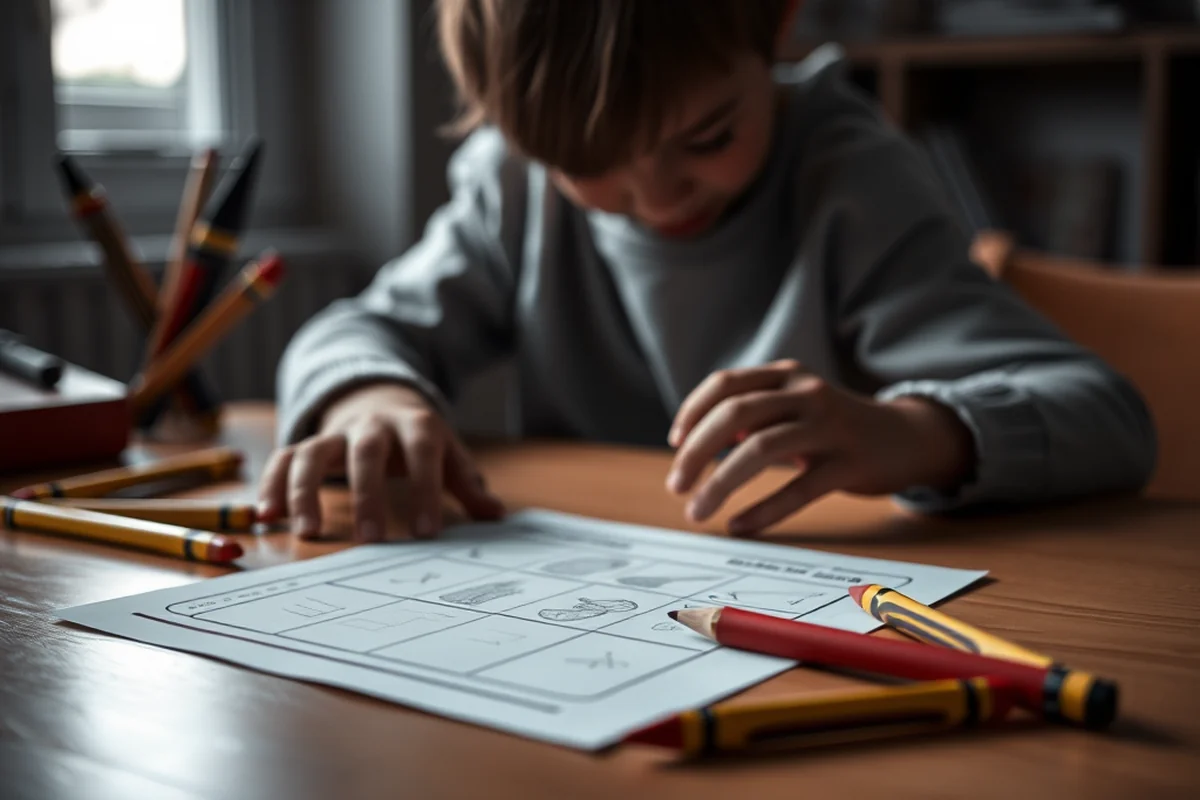
When choosing activities, it's important to consider the child's developmental stage. For children aged 3-6, activities should be short, repetitive, and focused on gross motor skills. I found that games like 'Red Light, Green Light' and 'Simon Says' were highly effective for this age group. They not only provide physical activity but also help with listening and following directions.
I also looked for activities that could be easily adapted to different spaces and equipment. For example, using pillows for jumping or using a hula hoop for balance exercises helped keep the activities varied and engaging. One of my favorite activities was using a soft ball to play 'Catch and Count,' which helped with both physical coordination and number recognition.
It's also important to keep the activities fun and playful. When children enjoy the activities, they are more likely to stay engaged and learn more. I noticed that my child was more motivated to participate when we turned physical education into a game or a challenge.
Fun is the key to learning through movement.
Related: Teaching in physical education journal vs
Integrating Physical Education into Daily Life
I found that integrating physical education into daily life was one of the most effective ways to make it a regular part of our routine. Simple changes, like taking a 10-minute walk after meals or doing a short exercise break between learning sessions, helped keep the child active without feeling like a chore. These small changes had a big impact on their overall energy and focus.[2]
I also used physical education as a way to reinforce other learning concepts. For example, when teaching shapes, we used large cardboard cutouts and had the child move around them, identifying the shapes as they went. This made learning more interactive and memorable. The child was able to recall the shapes more easily because of the hands-on experience.
Another strategy I used was to tie physical education to storytelling. We would create imaginary scenarios where the child had to move in certain ways to complete a task or solve a problem. This not only made the activities more engaging but also helped the child develop creativity and critical thinking skills.
Use imaginative scenarios and storytelling to make physical education more engaging and interactive for young learners.
“When I first tried teaching physical education at home with my 5-year-old, I was overwhelmed by the sheer number of resources and methods available.”— Teaching Physical Education at Home editors
Related: Best course physical education
Making the Most of Limited Resources
One of the biggest challenges I faced was finding affordable and accessible resources for physical education. However, I discovered that many everyday items can be used as makeshift equipment. For example, we used a large towel as a mat for yoga, and a soft blanket as a cushion for jumping. These simple substitutions made a big difference in creating an engaging learning environment.
I also found that outdoor spaces provided a great setting for physical education. We used the yard for activities like 'Treasure Hunt' and 'Obstacle Course,' which required no additional equipment. These activities helped the child develop coordination and spatial awareness in a natural and safe environment.
Another cost-effective strategy was to use household items as props for movement-based games. For instance, we used a large cardboard box as a tunnel for crawling and a plastic bottle as a target for throwing. These activities not only promoted physical development but also encouraged creativity and problem-solving.
Related: Top teaching of physical education
Creating a Consistent Routine
Creating a consistent routine was one of the most effective ways I found to make physical education a regular part of our day. I set aside specific times for physical activity, such as right after school or before bedtime. This helped the child understand that physical education was an important and expected part of their day.
I also made sure to be consistent with the types of activities we did. For example, every Tuesday we had a 'Balancing Day' where we focused on activities that required balance, and every Friday we had a 'Jumping Day' with different types of jumping exercises. This consistency helped the child develop skills more effectively and stay engaged with the activities.
In addition to consistency, I found that involving the whole family made the routine more enjoyable and effective. We all participated in the activities together, which not only made it more fun for the child but also helped reinforce the importance of physical education in our family life.
Related: Best physical therapy
Measuring Progress and Success
I found that tracking progress was an important part of making physical education effective and engaging. I used a simple chart to mark the child's achievements, such as how many times they could jump in a row or how long they could balance on one foot. This helped the child see their progress and feel a sense of accomplishment.
Another way I measured success was through observation. I noticed improvements in the child's coordination, focus, and social skills over time. For example, the child was able to complete more complex movements and was more confident in trying new activities. These improvements were a clear indication that the physical education activities were making a positive impact.
I also used feedback from the child to assess their enjoyment and engagement. If they expressed a lack of interest in certain activities, I would adjust the routine to include more variety. This helped ensure that the child remained motivated and excited about physical education.
Tracking progress keeps children engaged and helps reinforce learning.
Related: Top teaching physical education for learning 7th ed
Encouraging a Love for Movement
One of the most important goals I had was to encourage a lifelong love for movement. I wanted the child to see physical education not just as a learning tool but as something fun and enjoyable. To achieve this, I focused on making the activities playful and imaginative, avoiding any sense of pressure or competition.
I also made it a point to celebrate the child's efforts and achievements, no matter how small. This helped build confidence and a positive attitude toward physical education. The child began to look forward to our physical education time, which was a huge milestone for me.
Another key element was allowing the child to have a say in the activities. By giving them choices, such as picking between two different games, I helped them feel more in control and invested in the process. This approach not only made the activities more enjoyable but also helped the child develop decision-making skills.
👶 Younger Kids (Ages 3-5)
Simple, repetitive movements and games that promote gross motor skills and basic coordination.
👦 Older Kids (Ages 6-8)
More complex activities that incorporate teamwork, strategy, and problem-solving.
🧾 No-Prep Version
Activities that require no setup and can be done with minimal time and effort.
👫 Group Version
Activities designed for multiple children, encouraging social interaction and cooperation.
➕ Extension Activities
Advanced challenges that build on foundational skills and encourage creativity and critical thinking.
| The mistake | Why it happens | The fix |
|---|---|---|
| Not making the activities fun enough | Children may lose interest if the activities feel like a chore rather than a game. | Use imaginative scenarios, storytelling, and playful challenges to make the activities enjoyable. |
| Ignoring the child's developmental stage | Activities that are too difficult or too simple may not be effective or engaging for the child. | Choose age-appropriate activities that match the child's developmental stage and abilities. |
| Not providing enough variety | A lack of variety can lead to boredom and disengagement from physical education activities. | Incorporate a wide range些 activities that promote different types of movement and skills. |
| Not involving the whole family | Physical education can become more enjoyable and effective when the whole family participates together. | Involve family members in the activities to make them more engaging and fun for everyone. |
Teaching Physical Education For Learning (7Th Ed For Beginners
Common Questions
How can I make physical education fun for my child?
What are some effective activities for younger children?
How do I track progress in physical education at home?
What are some cost-effective ways to create physical education activities?
References
Cite this guide
Teaching Physical Education at Home (2026). Teaching Physical Education For Learning (7Th Ed For Beginners. https://growfromplay.com/teaching-physical-education-for-learning-7th-ed-for-beginners/
Feel free to cite or share this guide.
Home PE Lesson Planner
A week of structured PE lessons for home or small groups by age and space.
Open it free →