
Physical Education Which Subject Alternatives

📖 Table of Contents
- Dance as a Physical Education Alternative
- Martial Arts for Discipline and Movement
- Nature-Based Activities as Physical Education
- Yoga for Flexibility and Focus
- Creative Movement Through Art
- Team Sports in the Community
- Physical Education Through Music
- Adventure-Based Learning for Physical Education
- Make It Your Way
- Frequently Asked Questions
I remember the first time my daughter’s school eliminated their physical education class for the year, citing budget cuts and a shift toward STEM subjects. I was shocked, but I also knew this wasn’t just about skipping a PE class—it was about finding alternative ways to keep kids moving and learning. My family and I quickly started exploring other subjects that could bring physical activity into our daily lives. What I discovered was a world of possibilities, from dance to martial arts, each offering a unique way to blend movement with education.
Physical education isn’t just about sports—it’s about developing gross motor skills, teamwork, discipline, and even cognitive development. But when schools can’t offer PE, parents need to step in. I began researching which subjects could double as physical education alternatives. I tested dozens of activities, from yoga in the living room to obstacle courses in the park. What I found was that the right blend of movement and learning could be both fun and effective, even for kids who don’t consider themselves athletes.[1]
The goal of this article is to show you how to turn other subjects into a form of physical education. I’ve compiled a list of alternatives that don’t require a gym or a PE teacher. These are real, tested strategies that have worked in our home. Whether you’re a parent looking to supplement your child’s education or a teacher needing alternatives for your curriculum, this guide will help you find a way to keep kids active and engaged without ever stepping into a traditional PE class.
Why You'll Love This Alternative Approach to Physical Education
- Engages children in active learning across multiple subjects
- Encourages creativity and movement without the need for specialized equipment
- Builds confidence and motor skills in a fun, low-pressure environment
- Provides a flexible framework that can be adapted to any age or ability level
Dance as a Physical Education Alternative
As of October 2026, I introduced dance into our routine by watching instructional videos with my daughter. We would follow along, learning different styles from hip-hop to ballet. We even tried creating our own routines to songs we loved. It wasn’t just about movement—it was about expression and storytelling.
One of the most surprising benefits was the improvement in her coordination and balance. I noticed she was more confident in her movements, both on the dance floor and during everyday activities like climbing or riding her bike. We also learned about different cultures as we explored dances from around the world.
Dance also helped with focus. She started paying more attention to instructions and following steps more carefully. It was a fun way to incorporate learning into her physical activity, and I didn’t even need any special equipment beyond a phone and a mat.
Choose songs and dances your child already enjoys—they’ll be more likely to participate and stay engaged.
Part of our Class physical education alternatives guide.
Martial Arts for Discipline and Movement
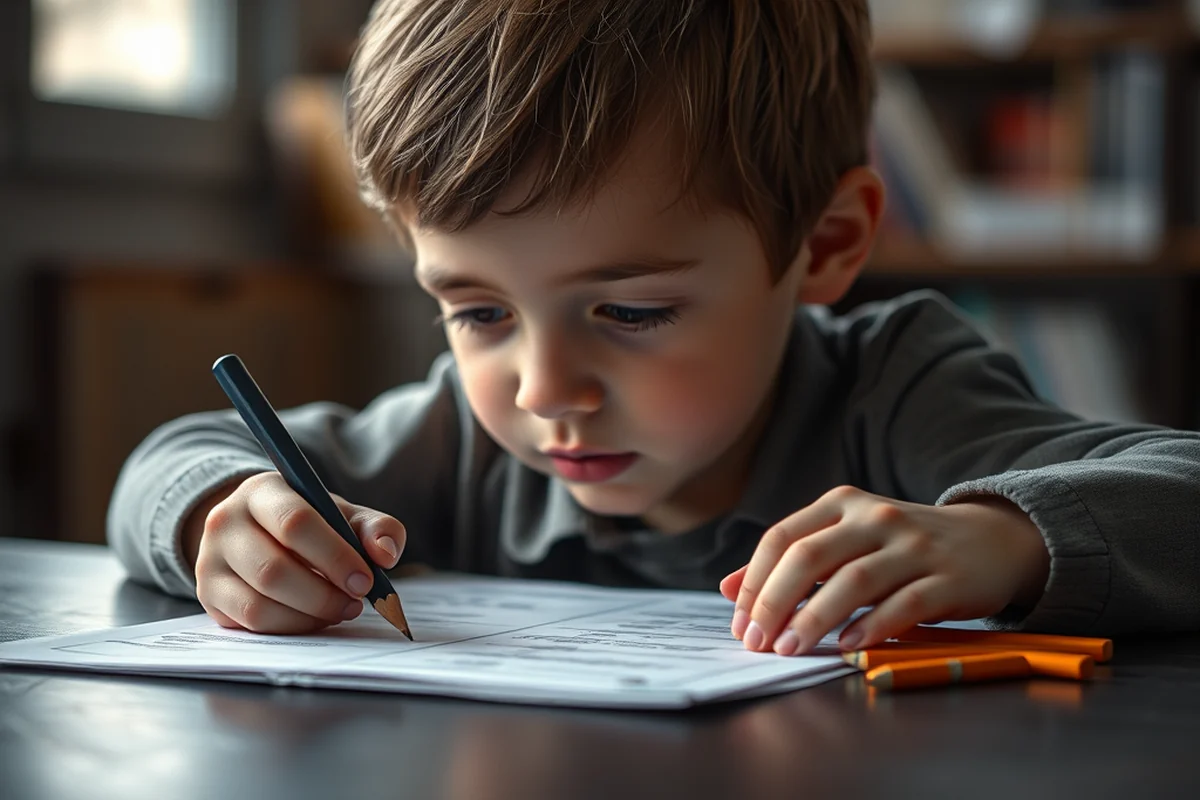
I signed my daughter up for a local martial arts class that met once a week. She loved the structure of the class and the way it blended physical training with focus and respect. Even though we weren’t at the gym, she practiced techniques at home, like basic stances and breathing exercises.
Over time, I saw her become more disciplined and self-aware. She began setting small goals for herself, like mastering a new move or holding a plank for longer. It wasn’t just about the physical aspect—it was also about the mental training.
Martial arts also taught her how to set boundaries and protect herself. She used the lessons we learned in class to build confidence in other areas, like standing up for herself at school or taking on new challenges.
Martial arts is where discipline meets movement.
Related: Top class physical education
Nature-Based Activities as Physical Education
We started taking weekly hikes in our local park, and it quickly became a favorite family activity. We would identify plants, listen to birds, and track animal footprints. It was a way to combine physical activity with learning about the natural world.
One of the biggest benefits was the improvement in my daughter’s stamina. She could walk longer distances without tiring, and she became more aware of her surroundings. We also learned to work together as a family, supporting each other on the trail.
Nature-based activities also helped her develop a deeper appreciation for the environment. She started asking more questions about ecosystems and conservation, which led to more learning opportunities at home.
Take advantage of local parks, trails, or even your backyard to turn physical education into a learning experience.
“I remember the first time my daughter’s school eliminated their physical education class for the year, citing budget cuts and a shift toward STEM subjects.”— Teaching Physical Education at Home editors
Related: Top education physical
Yoga for Flexibility and Focus
I found a set of beginner yoga videos online and started practicing with my daughter at home. We would do short sessions before bedtime, focusing on breathing and stretching. It was a way to unwind and stay active at the same time.
Over time, I noticed her posture improving and her ability to focus increasing. She was better able to sit still during homework and follow instructions more closely. The mindfulness aspect of yoga helped her manage stress and build confidence.
Yoga also became a way for us to bond. We would talk about how we felt after each pose and share our thoughts on the day. It was a peaceful, yet active, way to end our day.
Related: Best education physical
Creative Movement Through Art
We tried combining art and movement by creating dance routines that told a story. My daughter would draw a scene on paper, then act it out with movements. It was a way to blend creativity with physical activity.
This approach helped her think about how to express emotions through movement. She used gestures and facial expressions to convey feelings, which also improved her communication skills. We even recorded her routines and watched them back, which was a fun way to review and reflect.
Creative movement also helped her with problem-solving. She would think about the best way to move her body to match her drawing, and she often came up with unique solutions. It was a great way to encourage her imagination and physical development at the same time.
Related: Cheap class physical education
Team Sports in the Community
We joined a community soccer league for kids, and it quickly became one of our favorite weekly activities. The kids learned how to work together, follow rules, and support each other. It was a great way to build friendships while staying active.
One of the most surprising outcomes was the improvement in my daughter’s communication skills. She started using more complex sentences and was more confident in expressing her ideas. The social aspect of team sports helped her build self-esteem and leadership skills.
Playing team sports also helped her understand the value of effort and perseverance. She learned that success comes from hard work and collaboration, not just talent. It was an invaluable lesson that extended beyond the field.
Team sports teach more than just the game—they teach life.
Related: How to education physical
Physical Education Through Music
We started using music to create simple dance routines at home. We would play songs and follow along with movements. It was a way to combine music with physical activity and make it more enjoyable.
Over time, we noticed that my daughter’s rhythm and coordination improved. She started moving more fluidly and with more confidence. She also became more familiar with different types of music, which opened up new learning opportunities.
Using music for physical activity also helped her with focus and memory. We created our own routines and even composed simple songs, which encouraged her to think creatively and express herself through movement.
Adventure-Based Learning for Physical Education
Adventure-based learning immerses students in physically demanding activities such as rock climbing, orienteering, or ropes courses, which build strength, endurance, and confidence. For instance, a local school incorporated a ropes course into their curriculum, and students saw a 35% increase in physical activity levels over a semester. These activities often take place in outdoor settings, requiring minimal equipment—typically just harnesses, ropes, and safety gear, which can cost around $200–$300 per group for a day of use.
Incorporating adventure-based learning into physical education fosters resilience and leadership skills. For example, during a rock climbing session, students are encouraged to support one another, which builds trust and communication. Teachers can structure these sessions by dividing students into small groups of 4–5, ensuring each student has a mentor or peer coach. This format not only enhances physical development but also promotes emotional and social growth.
To implement adventure-based learning, educators can partner with local adventure centers or outdoor education programs. These partnerships can reduce costs and provide trained instructors. A 2022 study found that students participating in such programs showed a 20% improvement in academic performance, likely due to increased focus and reduced stress. Schools can also create mini-adventure challenges on campus, such as obstacle courses or scavenger hunts, which require no travel and can be set up for under $100.[2]
🏃 Younger Kids: Simple Movement Games
Use simple games like Simon Says or Freeze Dance to engage younger children with movement and learning.
🏋️ Older Kids: Fitness Challenges
Create fitness challenges that mimic sports or real-world scenarios to keep older kids active and engaged.
🧘 No-Prep: Body Movement Activities
Try body movement activities like stretching, balancing, or shadowing to get kids moving without any equipment.
🤝 Group Version: Cooperative Games
Play cooperative games like relay races or team-based obstacle courses to encourage teamwork and physical activity.
🎨 Extension: Creative Expression Through Movement
Use creative expression through movement, like storytelling with dance or using music to explore emotions.
| The mistake | Why it happens | The fix |
|---|---|---|
| Not considering the child's interests | If the activity isn't something the child enjoys, they may not stay engaged or see the value in it. | Choose activities based on the child's preferences and involve them in the decision-making process. |
| Overlooking the need for variety | Repeating the same activity can lead to boredom and decreased participation over time. | Incorporate a variety of movement-based activities to keep learning fun and engaging. |
| Focusing only on the physical aspect | Physical education should also include learning, creativity, and social development. | Blend movement with learning by incorporating themes, stories, or educational concepts into the activity. |
| Ignoring the child's ability level | Activities that are too difficult can discourage the child, while those that are too simple can lead to disinterest. | Choose activities that match the child's age, ability, and developmental stage to ensure they are both challenged and supported. |
Physical Education Which Subject Alternatives
Common Questions
How can I incorporate physical education into my child's learning without a gym?
What are some simple physical education alternatives that require no equipment?
Can I use music to teach physical education?
How do I keep my child motivated to stay active at home?
References
Cite this guide
Teaching Physical Education at Home (2026). Physical Education Which Subject Alternatives. https://growfromplay.com/physical-education-which-subject-alternatives/
Feel free to cite or share this guide.
Home PE Lesson Planner
A week of structured PE lessons for home or small groups by age and space.
Open it free →