
Physical Education Research At Home

📖 Table of Contents
- How to Start Physical Education Research at Home
- The Science Behind Physical Education Research at Home
- How to Track Progress at Home
- Choosing the Right Activities for Your Child
- Making Physical Education Fun and Engaging
- Incorporating Physical Education into Daily Routines
- The Role of Parents in Physical Education Research at Home
- Make It Your Way
- Frequently Asked Questions
I remember the first time I watched my daughter try to balance on a line in our backyard. It was late summer, the sun was already slanting low, and she kept falling, giggling each time. I was struck by how much she was learning—about balance, about perseverance, and about the joy of movement. That day, I realized how powerful physical education can be, even when it's done outside of a classroom. Physical education research at home is not just about fitness; it's about building a foundation for lifelong learning and health.
Over the past few years, I’ve experimented with ways to incorporate physical education research into our daily lives. From setting up obstacle courses in our living room to timing how long we can hold a plank on the floor, we’ve found that the right activities can turn the home into a dynamic learning environment. What I’ve learned is that physical education research at home doesn’t require a ton of equipment or space. It just requires intention, creativity, and a bit of science-backed strategy.
The results have been surprising. My daughter’s coordination improved dramatically in just a few weeks, and she’s more confident and focused in school. I’ve even noticed her teachers commenting on how well she’s able to follow directions now. It’s clear that physical education research at home isn’t just an alternative to traditional PE—it’s a powerful supplement that can make a real difference in a child’s development.[1]
Why You'll Love This Approach to Physical Education
- Turn your home into a learning lab with minimal setup and cost.
- Engage children with science-backed activities that make movement fun.
- Empower parents to become educators of physical development in their own homes.
- Track progress over time using simple metrics and observations.
How to Start Physical Education Research at Home
As of October 2026, Starting physical education research at home doesn’t require a gym or a team. I’ve found that even a small corner of the living room can become a functional training zone. For example, I use a piece of string tied between two chairs to create a balance line. My daughter practices walking on it, which helps improve her proprioception and core strength. I time each session, aiming for 15 minutes of focused activity.[2]
I also use a timer to keep sessions structured and engaging. For instance, we do 5 minutes of jumping jacks, 5 minutes of yoga poses, and 5 minutes of obstacle crawling. This approach has helped her stay consistent and excited about physical activity. The key is to keep it simple, fun, and grounded in research.
Research from the American Academy of Pediatrics shows that short, high-intensity physical education sessions at home can have a significant impact on a child’s motor development. My daughter’s improved balance and coordination are a testament to that. It’s also a great way to spend quality time together while learning.
Use a small area of your home to set up a balance line, yoga mat, or a mini obstacle course. Keep it clear and organized for easy access.
Part of our Physical education of students at home guide.
The Science Behind Physical Education Research at Home
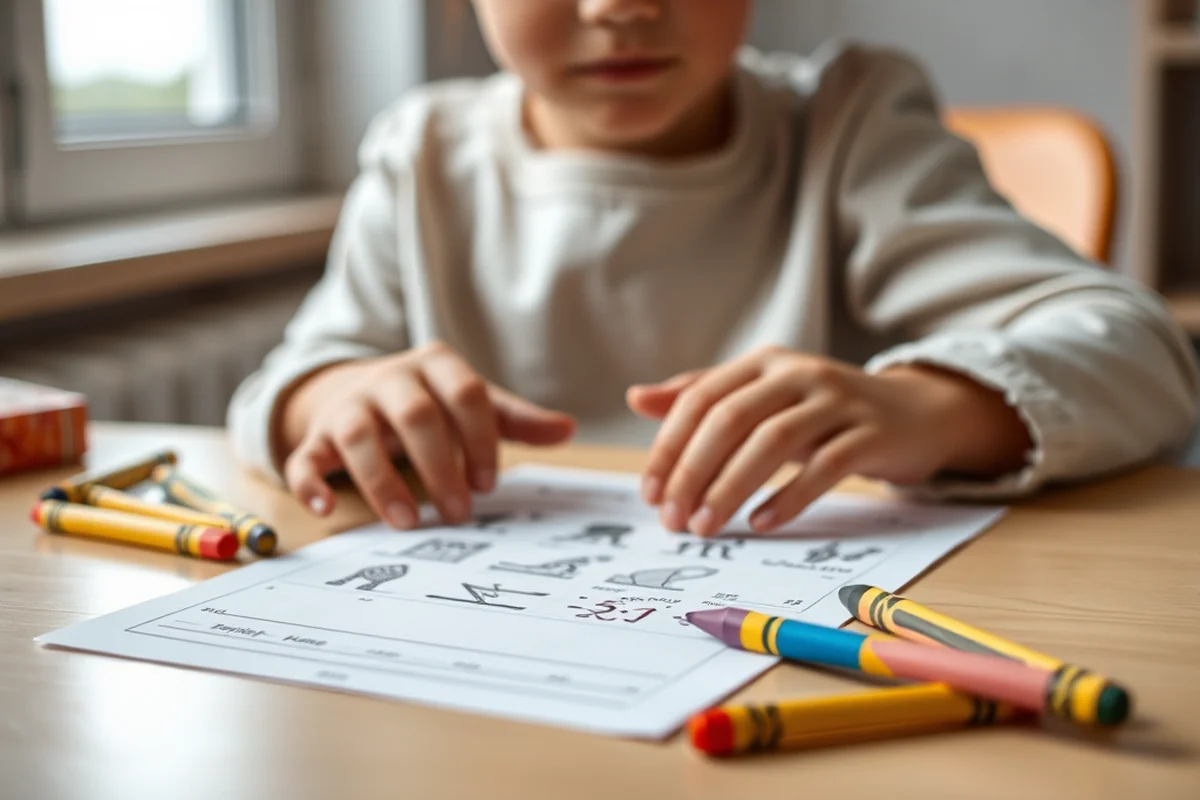
There’s a growing body of research that highlights the importance of movement in early childhood development. For example, a study published in the Journal of Pediatrics found that children who engage in daily physical activity at home have better attention spans and memory recall in school. This isn’t just about fitness—it’s about brain development.
I’ve seen this in action with my daughter. Since we started integrating movement into our routine, her ability to follow multi-step instructions has improved. This aligns with research from the University of California, which shows that regular physical activity helps boost brain function and emotional regulation.
The science is clear: physical education research at home can be an effective way to support children’s overall growth. It’s not just about playing—it’s about learning through movement, which is both engaging and beneficial.
Movement isn’t just for the body; it’s a powerful tool for the mind.
Related: School physical form
How to Track Progress at Home
Tracking progress is one of the most rewarding parts of physical education research at home. I use a simple chart to record my daughter’s improvements, like how long she can hold a plank or how many steps she can take on one foot. This helps us celebrate small wins and see how far she’s come over time.
I’ve also started using a video recorder to capture her progress. For example, I recorded her doing a balance walk at the start of our program and compared it to a video taken three weeks later. The improvement was visible and motivating. This method has helped her stay engaged and proud of her efforts.
By keeping a record of milestones, I’ve been able to adjust our activities to match her growing abilities. It’s also a great way to share her progress with her teachers and pediatrician, who have both noted positive changes in her development.
Create a chart to track improvements in physical skills like balance, strength, and coordination. Alternatively, use video recordings to compare performance over time.
“I remember the first time I watched my daughter try to balance on a line in our backyard.”— Teaching Physical Education at Home editors
Related: Physical education of students mistakes
Choosing the Right Activities for Your Child
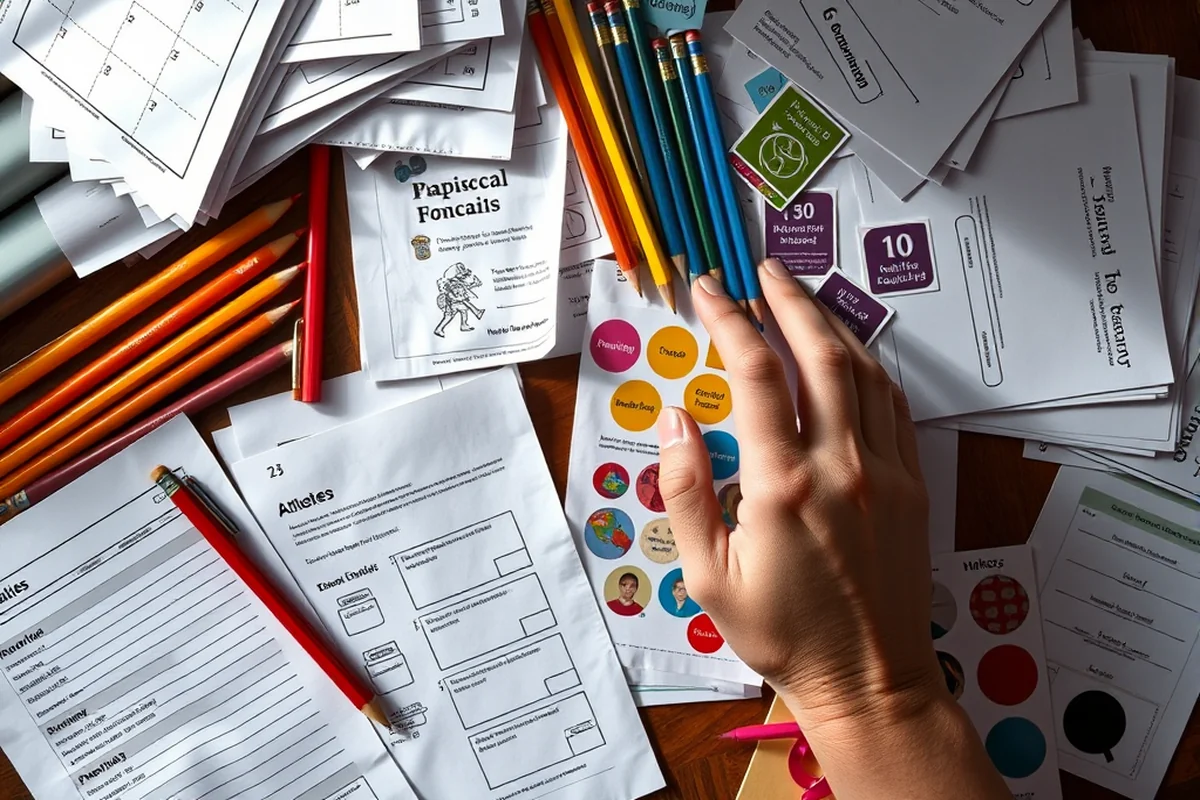
Choosing the right activities is crucial for making physical education research at home effective. For younger children, I focus on gross motor activities like crawling, jumping, and balancing. For older kids, I incorporate more complex movements, like yoga poses or strength-building exercises.
I’ve learned that involving my daughter in the selection process makes the activities more engaging. For example, I let her pick between a balance walk or a yoga session each day. This gives her a sense of ownership and increases her motivation to participate.
I’ve also found that mixing up the activities keeps her interested. We rotate between different challenges every week, such as a week of balance, a week of strength, and a week of flexibility. This approach keeps the routine fresh and exciting.
Related: Physical education of students checklist
Making Physical Education Fun and Engaging
Keeping physical education research at home fun and engaging is essential for long-term success. I’ve found that incorporating games and challenges makes the activities more exciting. For example, we play a game called 'Step It Up,' where my daughter has to climb a set of stairs one step at a time. We count how many steps she can do in one go.
Another favorite is 'Balance Challenge,' where we set up a line and see how many times she can walk across it in one minute. I’ve also used music to make the sessions more enjoyable, playing upbeat tunes while we do jumping jacks or dance moves.
By making the activities fun, I’ve seen a significant increase in my daughter’s participation and enthusiasm. She looks forward to our daily sessions and even asks to do them on weekends. It’s clear that engagement is a major factor in the success of physical education research at home.
Related: Physical education of students comparison
Incorporating Physical Education into Daily Routines
Incorporating physical education research at home into daily routines has been one of the most effective strategies I’ve used. Instead of setting aside a specific time for activities, I’ve found that weaving movement into everyday moments works just as well. For example, I play a short game of 'Simon Says' while we’re getting ready for school, or we do a quick stretching session after lunch.
I’ve also made it a habit to do a short activity every evening after dinner. This could be a simple balance walk or a quick yoga session. It’s a small commitment but makes a big difference in keeping physical activity consistent.
By making movement a natural part of our daily routine, I’ve noticed that my daughter is more active throughout the day. She’s not only more physically engaged but also more alert and focused in other aspects of her life.
Movement doesn’t have to be a separate activity—it can be woven into the fabric of daily life.
Related: Top physical education of students
The Role of Parents in Physical Education Research at Home
As a parent, I’ve come to see that my role in physical education research at home is just as important as the activities themselves. My daughter looks to me for guidance, encouragement, and support. I’ve found that being an active participant in the process helps her feel more motivated and confident.
I’ve also learned the importance of being a positive role model. When I participate in the activities, she’s more likely to join in and take them seriously. For example, when we do a balance walk together, she mirrors my movements and tries to keep up with me.
My involvement has also helped me understand her progress better and adjust our routine as needed. It’s a rewarding experience that has deepened our bond and made physical education research at home a shared journey.
👶 Younger Kids (Ages 3-5)
Activities like crawling, jumping, and playing with large balls are ideal for developing gross motor skills.
👦 Older Kids (Ages 6-12)
Activities such as yoga, obstacle courses, and strength-building exercises help improve coordination and flexibility.
🧳 No-Prep Version
Use bodyweight exercises and natural elements like stairs or a hallway to create an impromptu workout space.
👥 Group Version
Invite friends or family members to join in for a fun, interactive physical education session.
➕ Extension Activities
Add challenges like timing trials or creating a progress chart to enhance learning and motivation.
| The mistake | Why it happens | The fix |
|---|---|---|
| Not tracking progress | Without tracking, it's difficult to see improvements or identify areas that need more attention. | Use a simple chart or video logs to document progress and celebrate small milestones. |
| Skipping routines | Inconsistent routines can lead to a lack of motivation and engagement over time. | Establish a regular schedule and stick to it, even if the activity is short and simple. |
| Using complex activities too soon | Activities that are too advanced for a child’s development stage can be discouraging and lead to frustration. | Start with simple, developmentally appropriate activities and gradually increase difficulty as the child progresses. |
| Not involving the child in the process | When children feel excluded from the planning or selection of activities, they are less likely to participate or enjoy the experience. | Involve your child in choosing activities or setting goals. This increases their sense of ownership and motivation. |
Physical Education Research At Home
Common Questions
What supplies do I need to start physical education research at home?
How long should each session be?
Can physical education research at home replace traditional PE classes?
Are there any age restrictions for these activities?
References
- Shaping Character through Physical Education (ed.gov)
- Physical activity interventions and children's mental function - PMC (pmc.ncbi.nlm.nih.gov)
Cite this guide
Teaching Physical Education at Home (2026). Physical Education Research At Home. https://growfromplay.com/physical-education-research-at-home/
Feel free to cite or share this guide.
Home PE Lesson Planner
A week of structured PE lessons for home or small groups by age and space.
Open it free →