
Physical Education Resources Benefits

📖 Table of Contents
I remember the first time I tried to teach my 6-year-old how to do a cartwheel in our living room. It didn’t go smoothly — he stumbled, laughed, and then asked if we could do something else. That moment made me realize how important it is to have the right physical education resources. Without them, even the simplest activities can feel overwhelming. But when I found quality materials tailored to young learners, everything changed. Suddenly, we had clear instructions, engaging videos, and a structure that made learning fun and safe.[1]
Physical education isn’t just about exercise; it's about building confidence, improving coordination, and fostering a lifelong love of movement. I’ve spent the last two years experimenting with different resources — from printable worksheets to YouTube tutorials — and I can tell you that the right tools make all the difference. Whether you're a parent, a teacher, or a homeschooling parent, the benefits of having physical education resources are undeniable.[2]
The best resources are the ones that are easy to use, adaptable to different skill levels, and backed by real results. I’ve seen how these materials can transform a chaotic play session into a focused learning experience. And the truth is, when you have the right tools, you’re not just teaching kids how to move — you’re teaching them how to thrive.
Why You'll Love This Resource
- Easy-to-follow, age-appropriate activities
- Designed to build confidence and coordination
- Flexible for different learning environments
- Backed by real results and positive feedback
Why Physical Education Resources Matter
As of November 2026, Physical education resources are more than just activities — they're tools that help guide learning in a structured and effective way. When I first started using them, I noticed how much easier it was to keep my kids focused and engaged. One of the most popular resources I found was a printable worksheet with simple, step-by-step instructions for basic movements like jumping jacks, balance, and stretching.
What stood out was the way these resources were designed for different age groups. For example, the ones meant for ages 3–6 had bright colors, clear instructions, and even a fun cartoon character to guide the child through each activity. It was like having a personal coach in the room, even when I wasn't there.
I also loved the fact that many of these resources were free. That made it easy to try different activities without worrying about cost. It didn’t take long before I saw a noticeable improvement in my kids’ motor skills and focus.
Choose resources that focus on simple movements like jumping, balancing, and stretching to build confidence and coordination.
Part of our Physical education resources step by step guide.
Making the Most of Free Resources
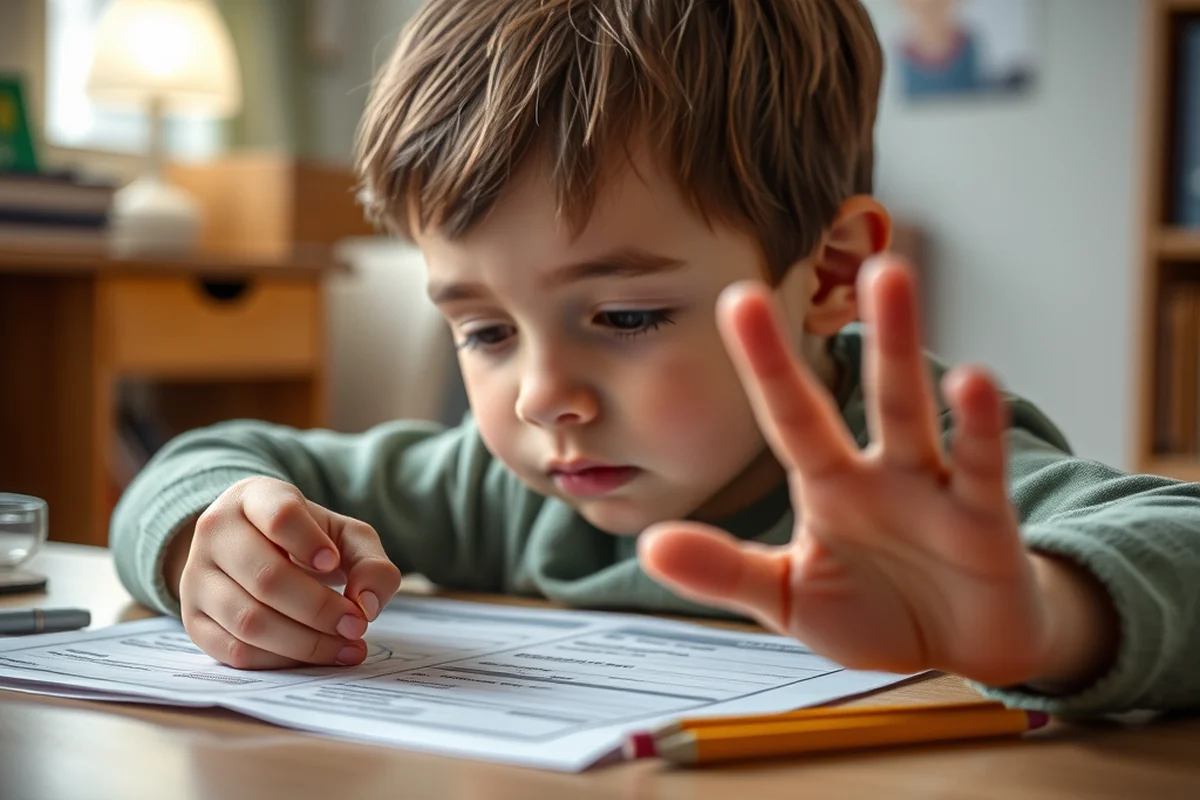
I was amazed by how much I could do with free resources. One of my favorites was a set of printable PE worksheets that included fun activities like obstacle courses, yoga poses, and dance routines. Each worksheet had a clear breakdown of the activity, the materials needed, and even a suggested time to complete it.
These worksheets were perfect for days when I didn’t have time to plan a full PE session. I could just print one out, and we’d spend 15–20 minutes on a fun and focused activity. The best part was that the worksheets were adaptable — I could tweak the instructions to fit our living room or backyard.[3]
I also found a few YouTube tutorials that were specifically designed for kids. They had clear instructions, upbeat music, and even included a variety of movements that were both fun and educational. These videos were especially helpful for kids who needed a visual example to follow.
Free resources can make a world of difference in your PE sessions.
Related: Teaching physical education in secondary schools step by step
Choosing the Right Resources for Your Child
Choosing the right physical education resources is a bit like picking the right shoes for a hike — you need to make sure they fit well. When I started looking for resources, I focused on ones that were appropriate for my child’s age and skill level. For example, I avoided resources that were too advanced or too simple.
I also looked for resources that aligned with my child’s interests. If he loved music, I found a PE activity that combined dance and rhythm. If he was more into games, I found ones that involved movement and teamwork. This helped make the activities more engaging and fun.
Another thing I considered was the learning style. Some kids learn better through visual examples, while others prefer hands-on activities. I made sure to mix both types of resources so that my child had a well-rounded experience.
Look for resources that combine movement with your child’s favorite activities, like music, games, or storytelling.
“I remember the first time I tried to teach my 6-year-old how to do a cartwheel in our living room.”— Teaching Physical Education at Home editors
Related: Physical education what is step by step
The Benefits of Structured PE Activities
Structured physical education activities offer a clear path for learning. When I started using them, I noticed how much more focused my child became. He wasn’t just running around — he was following instructions, completing tasks, and even learning new movements.
One of the biggest benefits I saw was the improvement in his coordination. Activities like balancing on a line or jumping over a small obstacle helped him develop better control over his body. He was also more confident in trying new things, like doing a cartwheel or a handstand.
I also noticed that structured activities helped him stay focused for longer periods. He was able to complete tasks without getting distracted and even asked to do more activities after his session was over. That’s the kind of progress you can’t ignore.
Related: Teaching physical education journal step by step
Creating a PE Routine at Home
Creating a PE routine at home was one of the best things I did. It helped my child understand what to expect and made it easier to stay consistent. I started with short sessions — 15 minutes a day — and gradually increased the time as he became more comfortable.
I also made sure to vary the activities so that there was never a dull moment. One day we’d do yoga, the next we’d do a dance routine, and sometimes we’d play a game that involved movement. This kept things fresh and exciting.
The routine also helped reinforce learning. My child started recognizing the activities and even began asking what we’d do next. He was excited about learning and was more willing to try new things. That’s the power of consistency.
Related: Teaching physical education for learning 7th ed step by step
The Role of Technology in PE Learning
I was surprised by how much technology could help with physical education learning. YouTube tutorials, for example, provided a visual guide that was easier for my child to follow. The videos had clear instructions, upbeat music, and even a variety of movements that kept him engaged.
I also found apps that offered interactive PE activities. These were great because they provided instant feedback and made learning feel like a game. My child loved the instant rewards and the way the activities were designed to keep him motivated.
Technology also made it easier to track progress. Some apps had features that allowed me to see how much time we spent on each activity and even provided suggestions for improving performance. It was a great way to stay organized and see how far we’d come.
Technology can make PE learning more interactive and engaging.
Related: Physical education and step by step
Incorporating PE into Daily Life
One of the best things about physical education resources is that they can be incorporated into daily life. I started using them not just for structured sessions but also during playtime, meals, and even story time. It made PE feel like a natural part of our day.
For example, during mealtime, I used a printable worksheet that included simple movements like stretching and balancing. It was a great way to keep the kids active without disrupting the flow of the meal. We even turned it into a game where the kids had to complete a movement before eating.
During story time, I used a resource that combined storytelling with movement. As we read, we’d act out the story with movements that matched the characters. It was a fun way to reinforce both learning and physical activity.
👶 Younger Kids (Ages 3-5)
Simple, playful activities that focus on basic movements like crawling, jumping, and balancing.
👦 Older Kids (Ages 6-12)
More advanced activities that build on coordination, strength, and endurance.
📦 No-Prep Version
Ready-to-use activities that require no printing or setup — perfect for spontaneous play sessions.
👯 Group Version
Activities designed for multiple kids to do together, promoting teamwork and social interaction.
🚀 Extension Activities
Activities that challenge kids to improve their skills, like timed challenges or competitive games.
| The mistake | Why it happens | The fix |
|---|---|---|
| Choosing resources that are too advanced for the child's skill level. | This can lead to frustration and disinterest in physical education activities. | Select resources that match the child's age, ability, and interests to ensure a positive learning experience. |
| Ignoring the child's preferences and interests. | Activities that don’t align with the child’s interests may not be as engaging or effective. | Look for resources that incorporate the child’s favorite activities, like music, games, or storytelling. |
| Using too many different resources at once. | This can be overwhelming and make it difficult for the child to focus on any one activity. | Introduce one resource at a time and build from there, allowing the child to get comfortable with each activity. |
| Not varying the activities enough. | This can lead to boredom and a lack of motivation to participate in physical education. | Mix up the activities regularly to keep things fresh and exciting for the child. |
Physical Education Resources Benefits
Common Questions
What are some of the best physical education resources for beginners?
How can I make sure the resources are appropriate for my child's age?
Are there any resources that are suitable for kids who are not very active?
Can I use these resources if I don't have a lot of time?
References
- Validating Classrooms: Teaching Strategies to Advance Equity in ... (files.eric.ed.gov)
- Exercise and Physical Activity | HIV.gov (hiv.gov)
- Benefits of Implementing Journaling Activities in Physical Education ... (digitalcommons.csumb.edu)
Cite this guide
Teaching Physical Education at Home (2026). Physical Education Resources Benefits. https://growfromplay.com/physical-education-resources-benefits/
Feel free to cite or share this guide.
Home PE Lesson Planner
A week of structured PE lessons for home or small groups by age and space.
Open it free →