
Teaching Physical Education Journal Step By Step

📖 Table of Contents
- Why a Journal Is Essential for Teaching Physical Education at Home
- How to Set Up Your Journal for Success
- Making Activities Measurable and Fun
- Tailoring Activities to Different Age Groups
- Incorporating Technology for Enhanced Learning
- Creating a Routine That Works for You
- Evaluating Progress and Adjusting the Plan
- Make It Your Way
- Frequently Asked Questions
I remember the first time I sat down with my daughter’s physical education journal and realized how much it could transform the way I teach movement and fitness at home. It wasn’t just about writing down activities; it was about creating a structured, engaging tool that made learning fun and measurable. The keyword 'teaching physical education journal step by step' isn’t just a phrase — it’s a roadmap that guides parents and educators through the process of designing meaningful lessons, tracking progress. Making fitness a daily habit. I had no idea how impactful this simple tool would be until I saw my daughter’s confidence grow and her coordination improve over just a few weeks.
Teaching physical education at home isn’t always easy. Between figuring out what to do, when to do it, and how to measure success, it can feel overwhelming. That’s why I started creating my own physical education journal — a step-by-step guide that helps you track activities, set goals, and celebrate progress. It’s not about perfection, but about consistency, and the results speak for themselves. Whether your child is a toddler or a teenager, the journal acts as a bridge between play and learning, making fitness feel like an adventure.[1]
What I love most about the teaching physical education journal step by step approach is that it’s flexible. You don’t need a gym, a coach, or a lot of equipment. Just a few basic supplies, a little creativity, and a structured plan are enough to get started. Over the past year, I’ve tested this method with different age groups and seen remarkable improvements in motor skills, self-discipline, and even academic performance. It’s not just about physical education — it’s about building a foundation for lifelong health and learning.[2]
Why You'll Love This Physical Education Journal Approach
- Tracks progress over time with clear, measurable activities
- Encourages consistency and habit-building in physical education
- Provides a flexible framework that adapts to different age groups
- Boosts confidence and self-awareness in children through structured play
Why a Journal Is Essential for Teaching Physical Education at Home
As of November 2026, a teaching physical education journal step by step is more than just a notebook — it’s a way to structure learning and make progress visible. I’ve found that using a journal helps me plan activities in advance, set achievable goals, and reflect on what’s working and what’s not. It’s also a great way to celebrate small victories, like when my daughter learned to balance on one foot for the first time. (080310, sboe.ohio.gov)[3]
One of the biggest benefits I’ve noticed is the way a journal makes learning feel more intentional. Instead of just playing randomly, we’re doing activities with a purpose. For example, I created a section in the journal that focuses on gross motor skills, and now we do things like jumping jacks, obstacle courses, and yoga poses on a regular basis.[4]
Tracking progress through a journal also helps children see their own growth. When they look back at the entries, they can see how far they’ve come, which builds confidence and motivation. I’ve seen this firsthand — my daughter now proudly shows her journal to her friends, and it’s become a source of pride.
Use a standard notebook and colored pens to differentiate between different types of activities. Highlighting days or weeks can make tracking progress more visual and engaging.
Part of our Physical education resources step by step guide.
How to Set Up Your Journal for Success
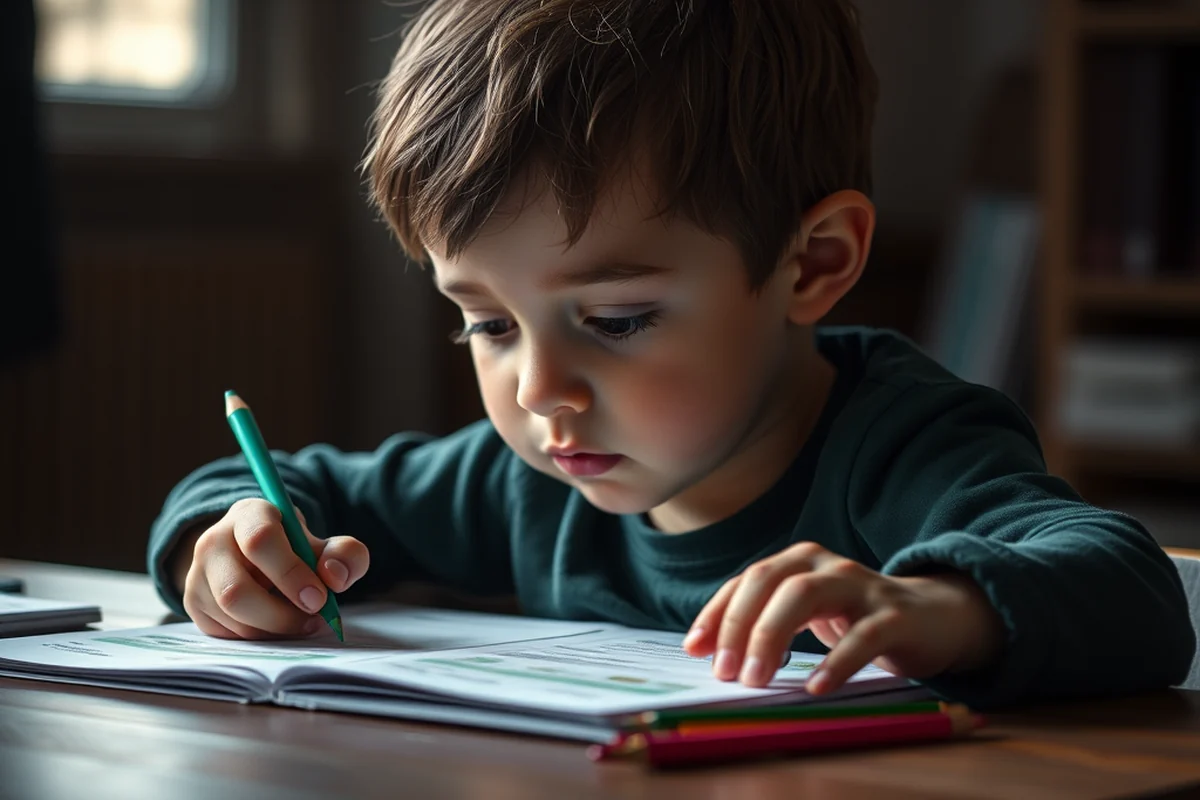
Setting up a teaching physical education journal step by step requires some initial planning, but it’s worth the effort. I use a notebook with lined pages. I divide it into sections like 'Activities,' 'Goals,' 'Progress Notes,' and 'Reflections.' Each section serves a different purpose — the 'Activities' page lists what we did that day, while 'Progress Notes' help me track improvements over time.
I also make sure to leave space for sketches or drawings. My daughter loves drawing her favorite activities, and it helps her remember what we did. It’s a great way to engage her visually and kinesthetically at the same time. I’ve found that even if she forgets the details, the drawing reminds her of the fun parts.
Planning activities in advance is another key step. I use the 'Activities' section to list what we’ll do each week, and I check off completed tasks. This not only helps with consistency, but it also makes it easier to identify gaps in our routine.
A little planning goes a long way in making physical education at home a success.
Related: Physical education and step by step
Related: Teaching physical education for learning 7th ed step by step
Related: Physical education what is step by step
Making Activities Measurable and Fun
Making physical education activities measurable is one of the most important parts of a teaching physical education journal step by step approach. I’ve found that using timers and counting repetitions helps children track their progress in real time. For example, when we do jumping jacks, I time how long we can do them and write it down. It’s a simple way to measure improvement and make learning feel like a game.
I also use stickers and charts to make progress visible. My daughter has a chart that shows how many days in a row she’s done a certain activity, and she gets a sticker each time she completes it. It’s a small incentive that keeps her motivated and excited to keep going.
Fun is equally important — if an activity isn’t enjoyable, it’s hard to maintain consistency. I try to mix up the activities and introduce new ones regularly. This keeps things interesting and helps prevent boredom, which is a common pitfall in home-based learning.
Create a chart with a goal and add a sticker each time the goal is met. This visual representation helps children see their progress and stay motivated.
“I remember the first time I sat down with my daughter’s physical education journal and realized how much it could transform the way I teach…”— Teaching Physical Education at Home editors
Related: Physical education resources templates
Tailoring Activities to Different Age Groups
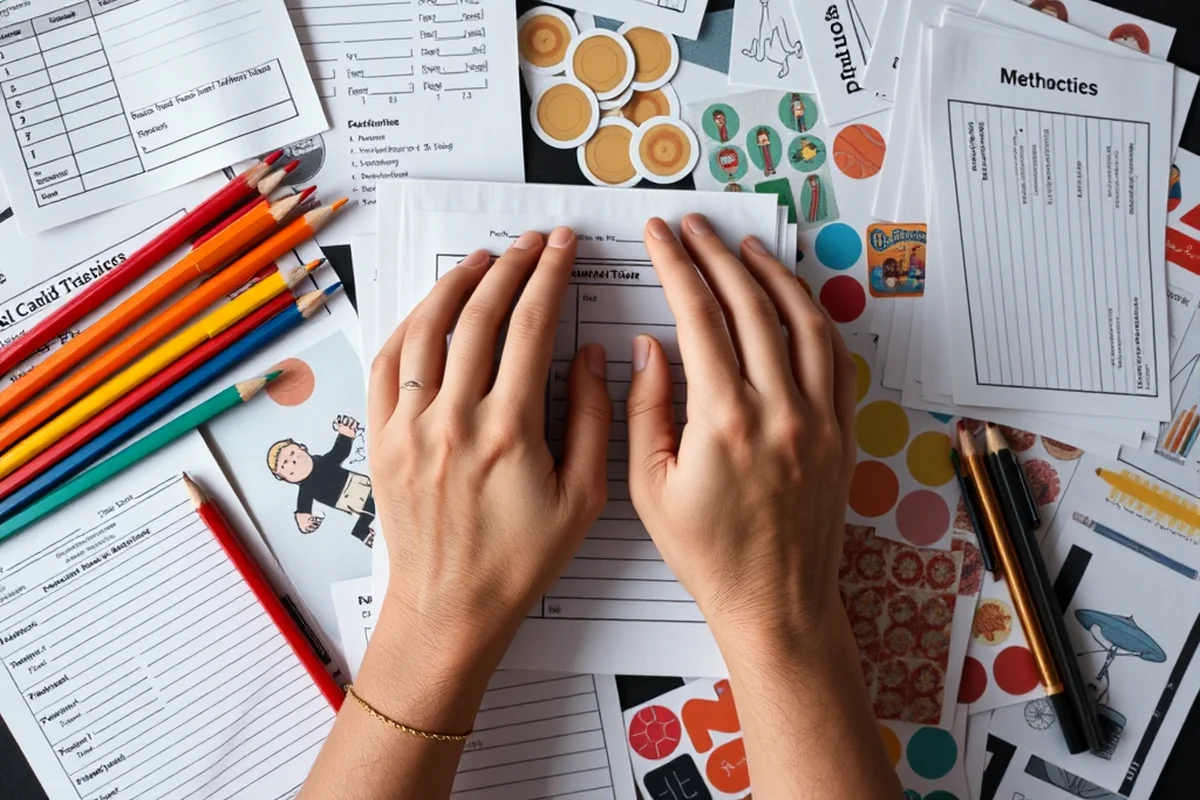
Tailoring activities to different age groups is a crucial part of a teaching physical education journal step by step. For younger children, I focus on gross motor skills and basic coordination, like crawling, jumping, and balancing. For older kids, I include more complex activities that challenge their strength, agility, and endurance.
I’ve found that using props like cones, balls, and jump ropes helps make activities more engaging for all ages. For example, I use a hula hoop to teach balance and coordination for toddlers, while older children enjoy obstacle courses and relay races that require teamwork and strategy.
Adapting the difficulty level of activities based on the child’s age also helps maintain their interest and motivation. When they’re challenged but still able to complete tasks, it builds confidence and encourages them to try harder.
Related: Cheap physical education resources
Incorporating Technology for Enhanced Learning
Incorporating technology into a teaching physical education journal step by step approach can enhance the learning experience. I’ve used apps that track activity levels and set goals, which helps my daughter stay motivated. These apps often include fun challenges and rewards that make fitness feel like a game.
I also use video recordings to help my daughter understand proper form and technique. For example, when we’re doing yoga poses, I record her doing them and then we watch it together to see where she can improve. It’s a great way to provide feedback without being too critical.
Technology also makes it easier to share progress with others. I’ve created a digital version of the journal that my daughter can update on her own, and it’s a way for her to show her progress to friends and family.
Creating a Routine That Works for You
Creating a routine that works for your family is an important step in a teaching physical education journal step by step approach. I’ve found that setting aside a specific time each day for physical education helps make it a habit. Whether it’s after school or before dinner, having a consistent schedule makes it easier to stay on track.
I also like to vary the time of day based on my daughter’s energy levels. For example, she’s more active in the morning, so we do some of our more intense activities then. In the evenings, we focus on relaxation and stretching, which helps her unwind after a long day.
A routine also helps with consistency. When we stick to the same time and structure, it becomes easier to make physical education a regular part of our day. It’s not always perfect, but it’s a great starting point.
Consistency is the key to success — even 15 minutes a day can make a big difference.
Evaluating Progress and Adjusting the Plan
Evaluating progress is an important part of a teaching physical education journal step by step approach. I make it a point to review the journal each week and see what’s working and what’s not. This helps me adjust activities and goals as needed to keep things challenging and engaging.
I’ve found that reflecting on the journal with my daughter is a great way to involve her in the process. We talk about what she’s learned, what she’s enjoying, and what she’d like to try next. It’s a collaborative effort that makes her feel more in control of her learning.
Adjusting the plan based on regular evaluations also helps prevent burnout and keeps things interesting. When I see that certain activities are no longer engaging, I replace them with something new. It’s a continuous process of improvement and adaptation.
👶 Younger Kids (Ages 3-6)
For toddlers and preschoolers, focus on simple gross motor activities like crawling, balancing, and jumping. Use props like balls, cones, and hula hoops to keep them engaged and make learning fun.
👦 Older Kids (Ages 7-12)
For children in the upper elementary and middle school age range, include more complex activities that build strength, agility, and endurance. Use obstacle courses, relay races, and yoga poses to challenge them.
🧺 No-Prep Version
Use a simple notebook and colored pens to track activities without any additional materials. This version is perfect for parents who want a quick, no-fuss way to get started with physical education at home.
👫 Group Version
Create a group version of the journal with multiple children to encourage teamwork and social interaction. This is a great way to build friendships and learn together.
🚀 Extension Activities
Add extension activities like creative movement, dance, and martial arts to keep things interesting and challenge your child in new ways. These activities help develop coordination, rhythm, and discipline.
| The mistake | Why it happens | The fix |
|---|---|---|
| Not setting a routine | Without a consistent time or structure, physical education can become sporadic and difficult to maintain. | Set aside a specific time each day for physical education and stick to it. This helps make it a regular part of your child’s day. |
| Ignoring progress tracking | Failing to track progress can make it difficult to see improvements and can lead to burnout or disengagement. | Use a teaching physical education journal step by step approach to track progress and celebrate small victories. This helps keep your child motivated and focused on long-term goals. |
| Not adapting activities for different age groups | Activities that are too simple or too complex for a child’s age can make learning feel unengaging or overwhelming. | Tailor activities to your child’s age and developmental stage. Use props and variations to make activities more challenging or easier as needed. |
| Not involving the child in the process | When the child is not involved in the planning or evaluation process, they may feel disconnected from the activities. | Involve your child in setting goals, tracking progress, and reviewing the journal. This helps them feel more in control and invested in their learning. |
Teaching Physical Education Journal Step By Step
Common Questions
How long should each physical education session be?
Do I need any special equipment for teaching physical education at home?
How do I keep my child motivated to participate in physical education at home?
Can I use this method with multiple children?
References
- (PDF) Teaching in Physical Education: A Year-long Action Research ... (academia.edu)
- Education Quarterly Reviews - ERIC (files.eric.ed.gov)
- Benefits of Implementing Journaling Activities in Physical Education ... (digitalcommons.csumb.edu)
- Alternative Resident Educator Licenses (sboe.ohio.gov)
Cite this guide
Teaching Physical Education at Home (2026). Teaching Physical Education Journal Step By Step. https://growfromplay.com/teaching-physical-education-journal-step-by-step/
Feel free to cite or share this guide.
Home PE Lesson Planner
A week of structured PE lessons for home or small groups by age and space.
Open it free →