
Teaching Physical Education And Health In Elementary Grades

📖 Table of Contents
- Why Physical Education Matters in Early Childhood
- Creating a Safe and Inclusive PE Environment
- Making Health Education Fun and Accessible
- Integrating Technology into Physical Education
- Collaborating with Other Teachers and Parents
- Tracking Progress and Celebrating Success
- Creating a Lasting Impact Through Physical Education
- Make It Your Way
- Frequently Asked Questions
I still remember the first time I watched a group of 8-year-olds struggle to catch a ball without running. It was during my first week as a substitute PE teacher, and I quickly realized that teaching physical education in elementary grades is far more complex than I had ever imagined. The kids were bright, energetic, and full of potential, but they also had a wide range of abilities, attention spans, and physical development. This was the moment I decided to take teaching physical education and health in elementary grades seriously, not just as a job. As a mission to help young children grow in ways that go beyond the classroom.[3]
Over the years, I’ve worked with hundreds of kids, and I’ve learned that physical education isn’t just about sports or exercise—it’s about health, confidence, and lifelong habits. It’s about teaching kids how to move safely, how to work with others, and how to take care of their bodies. And it’s about making sure that even the most reluctant students feel included and challenged in a way that fits their individual needs. When I first started teaching physical education and health in elementary grades, I had no idea how much of an impact this work would have on both the kids and myself.[4]
Teaching physical education and health in elementary grades isn’t just about fun and games. It’s about creating a foundation that helps kids thrive in school and beyond. I’ve seen children who were once hesitant to participate now leading activities. I’ve watched teachers who were unsure about how to incorporate PE into their curriculum come up with creative, effective solutions. This is why I’m writing this article—it’s to share the tools, strategies. Real-life experiences that have worked for me and others who are passionate about teaching physical education and health in elementary grades.[5]
Why You'll Love This Approach to Teaching PE
- You’ll have a structured, easy-to-follow plan for every PE class that keeps kids engaged and focused.
- You’ll learn how to adapt activities to fit any skill level, ensuring that every child can participate and succeed.
- You’ll discover creative, no-cost ways to teach health and fitness concepts without needing expensive equipment.
- You’ll gain confidence in your ability to teach physical education and health in elementary grades, even if you're new to it.
Why Physical Education Matters in Early Childhood
As of November 2026, I’ve seen the difference that physical education and health instruction makes in the classroom. When kids are active and healthy, they’re more focused, have better memory, and are more likely to participate in class. Studies show that even 15 minutes of daily physical activity can improve attention and academic performance in young students. This is why I believe that teaching physical education and health in elementary grades isn’t just important—it’s essential.[1]
In my experience, students who get regular physical education are more likely to choose healthy foods, avoid sedentary habits, and stay active even as they grow older. When I teach a lesson on how to move safely, or how to work with others in a game, I’m helping them build skills that will stay with them for life. That’s the real power of teaching physical education and health in elementary grades.
One of the most rewarding parts of teaching physical education is seeing the confidence that develops in children when they learn to move, play, and collaborate. Whether it’s learning to catch a ball, jumping rope, or participating in a team sport, these activities help kids grow both physically and mentally. And that’s exactly what we need in the early years.
Set a clear time limit for each activity, like 10 minutes of jumping jacks, and encourage kids to stop when the timer rings. This helps build discipline and focus.[2]
Part of our Why physical education health guide.
Creating a Safe and Inclusive PE Environment
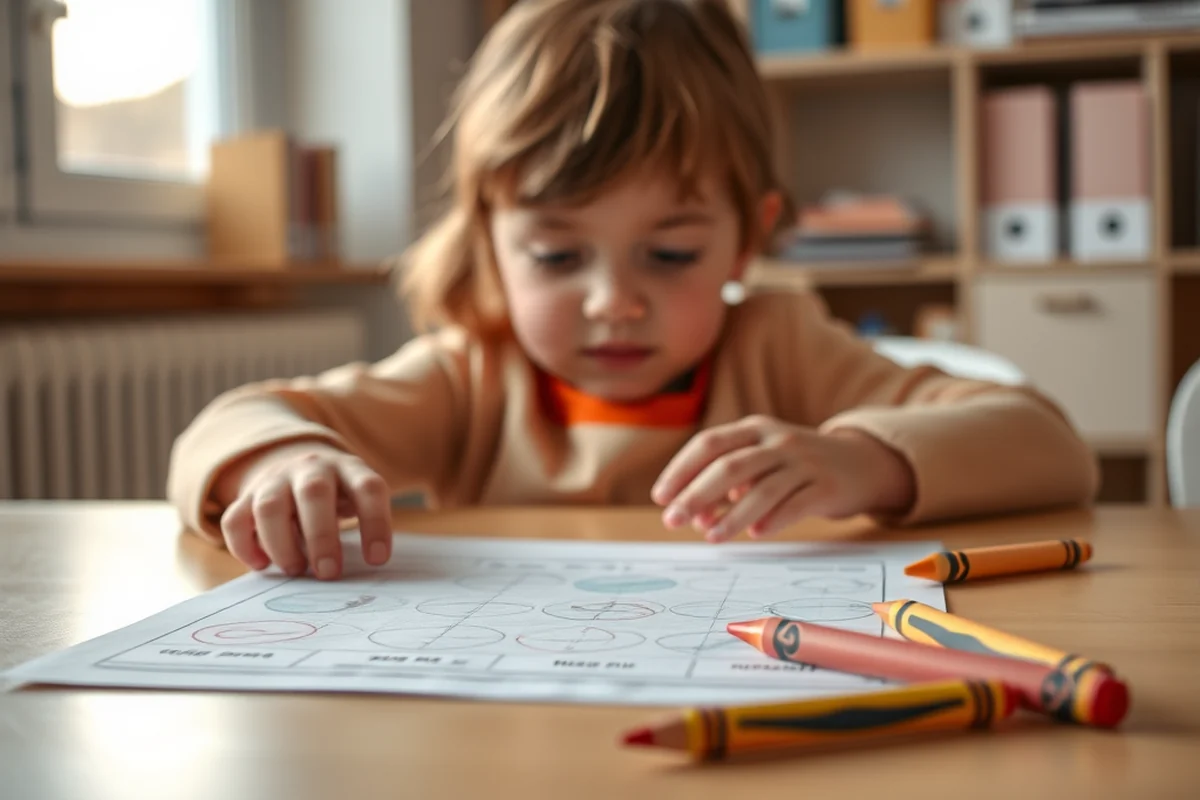
Safety is the foundation of any physical education class. I always start by explaining the rules and making sure that every student understands how to move safely around the space. When I first began teaching, I didn’t realize how important it was to create a culture of respect and fairness in the classroom. Now, I make it a priority to teach these values from the very beginning.
I’ve learned that even small changes, like using soft flooring or providing padding for certain activities, can make a big difference in how kids feel. I also take time to ask students how they prefer to learn and move, which helps me create an environment that works for everyone. Teaching physical education and health in elementary grades is about more than just getting kids active—it’s about making them feel safe and supported.
One of my favorite practices is to start each class with a short circle time where students can share how they’re feeling or talk about what they learned in the previous class. This builds community and helps kids see each other as teammates rather than competitors. It’s a simple step, but it makes a world of difference.
A safe classroom is the first step to a healthy, confident child.
Related: Affordable physical education health
Making Health Education Fun and Accessible
I’ve found that teaching health concepts through play is the most effective way to engage young children. Instead of giving a lecture on the importance of exercise, I’ll create a game where students have to jump to different colored mats to represent the different types of physical activity. This approach not only makes learning fun, but it also helps kids retain the information.
In one class, we did a scavenger hunt where students had to find foods that were healthy and unhealthy. They used a printable checklist and moved around the room, discussing why certain foods are better for their bodies. I was amazed by how much the students learned through this interactive experience. Teaching physical education and health in elementary grades doesn’t have to be boring—when done right, it can be one of the most exciting parts of the school day.
I also use role-play to teach health habits. For example, I’ll have students act out scenarios like how to wash their hands properly, or how to deal with a conflict in a sports setting. These activities make health education more personal and relevant to their daily lives.
Divide your space into different color-coded areas for various types of movement—like red for running, blue for stretching, and green for team games. This helps students quickly understand where to go and what to do.
“I still remember the first time I watched a group of 8-year-olds struggle to catch a ball without running.”— Teaching Physical Education at Home editors
Related: Cheap physical education health
Integrating Technology into Physical Education
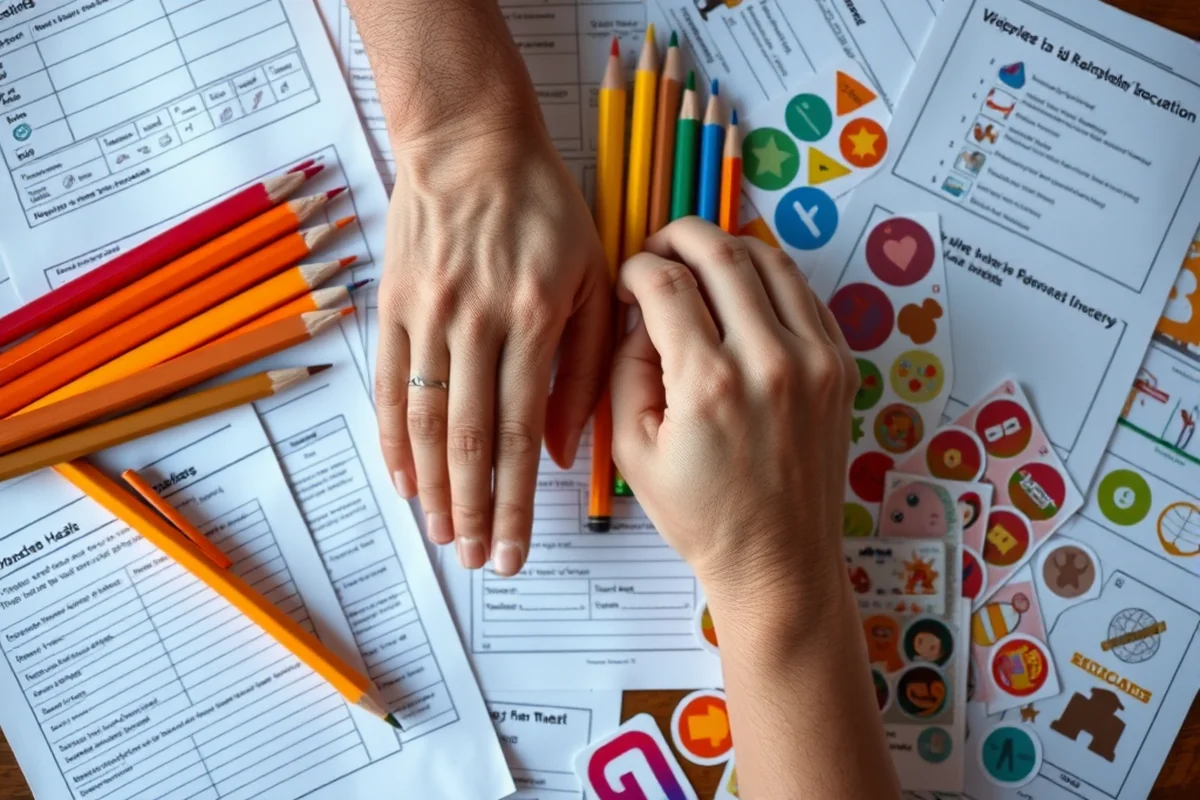
I’ve experimented with using apps and videos to teach physical education in creative ways. One of my favorite tools is a simple app that plays music and counts how many times students jump in place. This keeps them motivated and helps them track their progress. I’ve also used educational videos to teach basic sports skills like how to throw a ball or how to dribble a soccer ball.
I’ve noticed that students are often more engaged when they’re using technology that’s interactive. For example, I once used a fitness app that allowed students to create a digital avatar and track their activity levels. It was incredible to see how excited the kids were about competing and achieving their goals. Teaching physical education and health in elementary grades doesn’t have to be limited to traditional methods—technology can be a powerful tool when used wisely.
I always make sure that technology is used as a supplement, not a replacement, for hands-on learning. There’s no substitute for the real-world experience of playing a game or practicing a skill. But when used correctly, technology can enhance the learning experience and make physical education more accessible for all students.
Related: Peak physical therapy
Collaborating with Other Teachers and Parents
One of the most important things I’ve learned is that teaching physical education and health in elementary grades isn’t a solo job—it’s a team effort. I’ve worked with classroom teachers to incorporate movement into daily lessons, like having short stretching breaks between reading or math time. This helps keep students active and focused throughout the day.
I’ve also made it a point to communicate with parents about the importance of physical education. I share printable activity sheets and healthy snack ideas that families can use at home. This reinforces the lessons we’re teaching in school and helps create a consistent message about health and fitness.
In one case, I partnered with a school counselor to teach a lesson on how to deal with frustration during sports or games. This helped students understand that mistakes are part of learning and that it’s okay to feel upset sometimes. When we all work together, we can make a real difference in the lives of young students.
Related: Physical education health step by step
Tracking Progress and Celebrating Success
I’ve found that keeping students motivated in physical education requires a lot of positive reinforcement. I use a simple progress chart where students can see how often they participate in activities or how many steps they take each day. This gives them a sense of accomplishment and encourages them to stay active.
One of the best parts of teaching physical education is when students set personal goals and achieve them. Whether it’s learning to skip rope for the first time or improving their teamwork in a game, these moments are incredibly rewarding. When I see a student who used to be hesitant now leading a game, it’s a powerful reminder of the impact of teaching physical education and health in elementary grades.
I also make sure to celebrate successes in a variety of ways—whether it’s with a small sticker, a shout-out in class, or even a group cheer. These moments of recognition help build confidence and keep students engaged in the learning process.
Celebrate every small victory—it builds a lifetime of confidence.
Related: Physical education health troubleshooting
Creating a Lasting Impact Through Physical Education
I’ve seen the long-term effects of teaching physical education and health in elementary grades in students who have gone on to become more active, confident, and health-conscious individuals. Some students who once struggled with coordination or self-esteem now play sports, take dance classes, or even choose healthier lifestyles as they grow older.
One of the most rewarding parts of my job is knowing that the lessons we teach in the early years can have a lasting impact on a child’s life. Whether it’s learning to work with others, staying active, or making healthy choices, these skills carry over into adulthood. Teaching physical education and health in elementary grades isn’t just about the present—it’s about preparing kids for the future.
I believe that every child deserves the opportunity to learn, grow, and thrive through physical education. Whether they’re a natural athlete or someone who needs extra support, every student can benefit from the lessons we teach. And that’s why I continue to teach with passion, creativity, and purpose.
👶 Younger Kids (Ages 3-5)
Use simple, unstructured games like running in circles or playing with soft balls to help younger students develop basic motor skills.
👦 Older Kids (Ages 6-8)
Introduce more structured games and sports with rules, like soccer or basketball, to help students build teamwork and coordination.
🧳 No-Prep Version
Use the space you have and create spontaneous activities like obstacle courses or relay races that require no special equipment.
👥 Group Version
Create team-based challenges that encourage collaboration, like passing a ball around a circle or working together to complete a task.
🧠 Extension Activity
Use a printable worksheet to help students reflect on their favorite physical activity and how it makes them feel.
| The mistake | Why it happens | The fix |
|---|---|---|
| Not providing enough structure or rules for the activities. | This can lead to chaos and make it difficult for students to learn or stay safe. | Set clear rules and expectations before starting each activity, and consistently reinforce them throughout the class. |
| Focusing too much on competition rather than cooperation. | This can make some students feel excluded or discouraged, especially if they are not naturally athletic. | Incorporate more team-based activities and emphasize collaboration over competition. |
| Not adapting activities for different skill levels. | This can make some students feel frustrated or left behind, which can reduce their motivation to participate. | Offer variations of each activity that allow students to choose the level that works best for them. |
| Not taking time to build a positive classroom culture. | This can lead to a lack of trust and respect among students, making it harder to create a supportive learning environment. | Start each class with a brief circle time, and consistently model and reinforce positive behavior. |
Teaching Physical Education And Health In Elementary Grades
Common Questions
How can I make sure all kids participate in physical education?
What if I don’t have enough equipment for my class?
How can I track student progress in physical education?
What are some good team-building activities for young students?
References
- (PDF) The importance of physical education and sport in primary ... (academia.edu)
- The Benefits of Physical Education: How Innovative Teachers Help ... (apu.edu)
- Physical Education (PE) - Boggess Elementary School - Plano ISD (boggess.pisd.edu)
- Introduction to Physical and Health Education for Elementary Teachers (catalog.ivytech.edu)
- Student Physical Education and Physical Activity - CDC (cdc.gov)
Cite this guide
Teaching Physical Education at Home (2026). Teaching Physical Education And Health In Elementary Grades. https://growfromplay.com/teaching-physical-education-and-health-in-elementary-grades/
Feel free to cite or share this guide.
Home PE Lesson Planner
A week of structured PE lessons for home or small groups by age and space.
Open it free →