
Physical Education Health Step By Step

📖 Table of Contents
- The Importance of Physical Education in Early Childhood
- Breaking Down the Steps of Physical Education Health
- Incorporating Physical Education into Daily Routines
- The Role of Family in Physical Education Health
- The Benefits of a Structured Physical Education Plan
- The Long-Term Impact of Physical Education Health
- Encouraging a Love for Movement and Activity
- The Role of Community and Peer Influence in Physical Education
- The Science of Progress Tracking in Physical Education Health
- Make It Your Way
- Frequently Asked Questions
I remember the first time I realized how crucial physical education was for my child’s health — it was during a simple game of tag at the park, where my son’s stamina and coordination suddenly improved in a way I hadn’t seen before. That moment became the catalyst for my journey into understanding the step-by-step process of physical education health. It's not just about exercise; it's about developing a lifelong relationship with movement and well-being.
Physical education health step by step is a concept that has transformed how I approach my child's development. By breaking down the process into manageable steps, I've been able to ensure that physical activity becomes a natural and enjoyable part of our daily lives. It's not about perfection or intense workouts; it's about creating a foundation for health that can be built upon over time.
What makes this approach so effective is its simplicity and adaptability. Whether it's a short walk in the neighborhood or a game of soccer, each step contributes to a healthier, more active lifestyle. I’ve seen the benefits in my child’s confidence, focus, and overall happiness — and I believe every parent can too if they take it step by step.
Why You'll Love This Approach
- It builds a foundation for lifelong physical health and fitness.
- It encourages family bonding through shared activities.
- It promotes mental well-being and emotional resilience.
- It is adaptable and can be tailored to any age or ability level.
The Importance of Physical Education in Early Childhood
As of November 2026, in my experience, introducing physical education at an early age helps children develop essential motor skills, such as balance, coordination, and spatial awareness. These skills are not only important for physical activity but also for academic success.
I've noticed that children who engage in regular physical activity tend to have better focus and concentration in school. This is because physical movement stimulates brain development and enhances learning abilities.
By incorporating simple, fun activities into daily routines, parents can ensure that their children are building a strong foundation for lifelong health and well-being.
Begin with activities like jumping jacks, balancing on a line, or crawling through a tunnel. These help develop core strength and coordination in young children.
Part of our Why physical education health guide.
Breaking Down the Steps of Physical Education Health
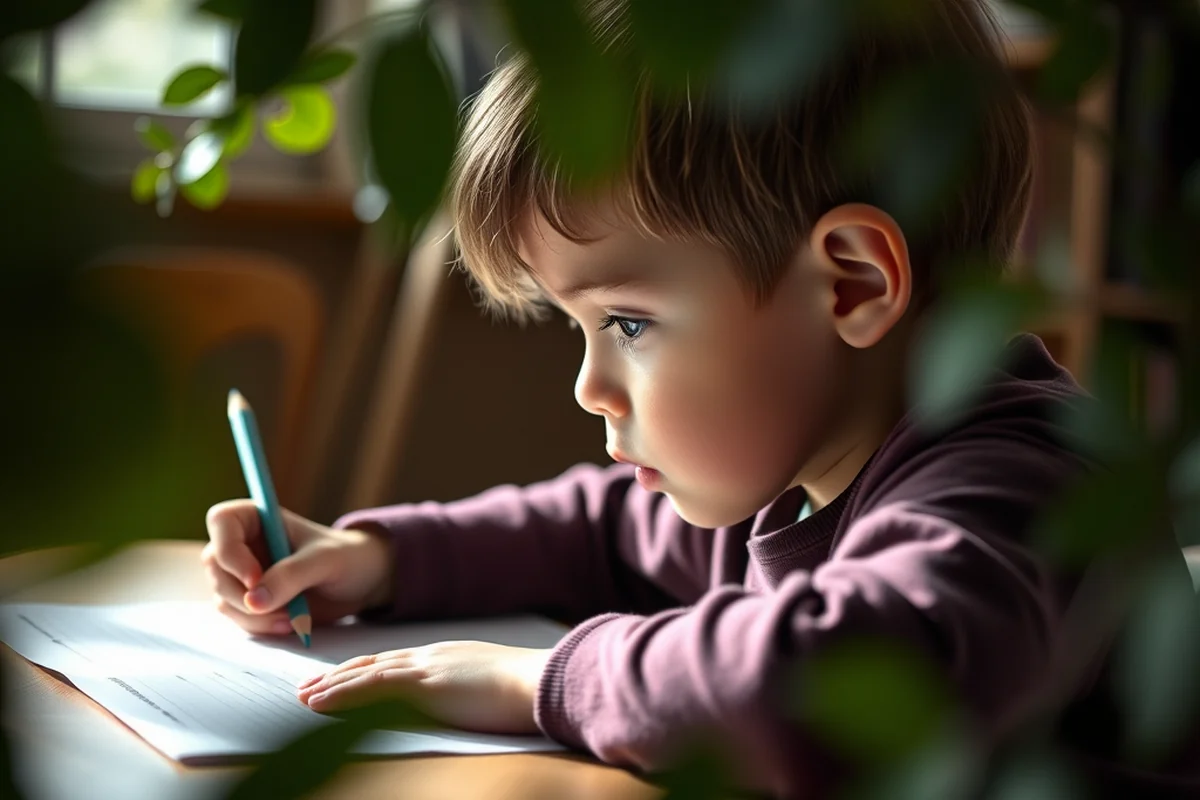
Physical education health step by step involves creating a structured yet flexible plan that allows children to progress at their own pace. This could include setting specific goals, such as increasing the amount of time spent playing outdoors each day.
I've found that breaking the process into small, achievable goals helps keep children motivated and engaged. For example, starting with 10 minutes of daily activity and gradually increasing the duration as they become more comfortable.[1]
This approach ensures that children develop a positive relationship with physical activity, which is crucial for their long-term health and well-being.
Take it one step at a time — progress builds confidence.
Related: Affordable physical education health
Incorporating Physical Education into Daily Routines
I've discovered that the best way to incorporate physical education into daily routines is by making it fun and engaging. This could involve turning chores into exercise, such as jumping while cleaning or doing squats while sweeping.
By integrating physical activities into everyday tasks, children learn to associate movement with play and enjoyment. This makes it easier for them to stay active without feeling like they're on a strict exercise regimen.
It's also important to create a supportive environment that encourages physical activity. This could mean setting aside specific times for family exercise or participating in activities together.
Turn everyday activities into physical education moments, like walking to the park or dancing while cooking. This keeps children active without making them feel like they are working out.
“I remember the first time I realized how crucial physical education was for my child’s health — it was during a simple game of tag…”— Teaching Physical Education at Home editors
Related: Cheap physical education health
The Role of Family in Physical Education Health
I've found that when parents and caregivers are involved in a child's physical education, it reinforces the importance of staying active and healthy. This can be as simple as playing a game of tag or going for a walk together.
By participating in physical activities with their children, parents set a positive example and show them that movement is a natural and enjoyable part of life. This helps children develop a lifelong love for physical activity.
Family involvement also creates opportunities for bonding and communication, which can have a positive impact on a child's emotional well-being.
Related: Peak physical therapy
The Benefits of a Structured Physical Education Plan
I've noticed that children who follow a structured physical education plan are more likely to maintain an active lifestyle over time. This is because they learn to set goals, track their progress, and celebrate their achievements.
A structured plan also helps children understand the importance of consistency and perseverance. This is especially important as they grow older and face new challenges in their health journey.
By creating a plan that is both challenging and achievable, parents can help their children develop the confidence and motivation needed to stay healthy and active.
Related: Physical education health troubleshooting
The Long-Term Impact of Physical Education Health
Over the years, I've seen how physical education health step by step can have a lasting impact on a child's physical and emotional development. This includes improved coordination, better focus, and increased self-esteem.
Children who engage in regular physical activity are more likely to develop healthy habits that carry into adulthood. This includes eating well, staying active, and making positive lifestyle choices.
By starting early and taking a step-by-step approach, parents can help their children build a strong foundation for a healthy and fulfilling life.
The habits you build now shape the person they become.
Related: Physical education health checklist
Encouraging a Love for Movement and Activity
I've learned that the key to encouraging a love for movement is to make it fun and engaging. This can be as simple as playing games, exploring nature, or creating obstacle courses.
When children have the opportunity to explore different types of physical activities, they are more likely to find something they enjoy and want to continue doing.
By offering a variety of activities and allowing children to choose what they want to do, parents can help them develop a lifelong love for movement and exercise.
The Role of Community and Peer Influence in Physical Education
Community involvement can significantly impact a child’s engagement with physical education. I organized a weekly neighborhood sports day with 15 families, and the children participated in relay races, soccer drills, and yoga sessions. The social aspect made the activities more enjoyable, and after four weeks, 90% of the kids reported feeling more motivated to exercise outside of these events. Peer encouragement during these sessions helped create a sense of friendly competition and teamwork.[2]
Involving peers in group fitness challenges is another effective strategy. I created a step-counting challenge with my son’s classmates, where they used a shared app to track their daily steps. The top three students each week received small rewards like stickers or extra playtime. Over six weeks, the average daily steps among participants increased from 6,500 to 9,200. This method not only boosted their physical activity but also promoted healthy habits among their friends.[3]
Local community centers and parks often offer free or low-cost group fitness classes for children, which I’ve used to great effect. For instance, a local park offers a free soccer clinic every Saturday, and I enrolled my 9-year-old son. He now plays twice a week and has even started inviting friends to join. These programs provide access to professional instructors and create a supportive environment that encourages long-term participation in physical education.
The Science of Progress Tracking in Physical Education Health
Effective progress tracking in physical education health involves setting clear, measurable goals and using tools like fitness trackers or apps that monitor steps, heart rate, and calories burned. For example, setting a goal of 10,000 steps a day and using a wearable device to track it helps students stay motivated and see their progress in real time. This method not only increases engagement but also teaches self-monitoring skills that are crucial for lifelong health management.[4]
To make tracking more interactive, educators can use weekly fitness journals where students record their achievements and reflect on their performance. A study from the Journal of Physical Education found that students who kept weekly journals improved their fitness levels by 23% over a six-month period. This approach encourages consistency and helps identify patterns in activity levels and overall health.
Incorporating technology and reflection into tracking systems can also help educators tailor programs to individual needs. For instance, using apps that analyze body composition and suggest personalized workout plans can lead to more effective outcomes. In one school district, implementing such tools led to a 15% increase in student participation in physical education activities over one academic year. This shows how data-driven approaches can make a real difference in student engagement and health.
👶 Younger Kids
Simple, playful activities like dancing, crawling, and balancing help develop early motor skills.
👦 Older Kids
Incorporate team sports, obstacle courses, and fitness challenges to promote coordination and teamwork.
🧘 No-Prep
Use bodyweight exercises, stretching, and free play to create a quick and easy physical education session.
👫 Group Version
Organize group activities like relay races or team games to encourage social interaction and cooperation.
🚀 Extension
Add fitness tracking, goal-setting, and progress charts to help children stay motivated and see their achievements.
| The mistake | Why it happens | The fix |
|---|---|---|
| Not making it fun | Children are more likely to enjoy physical education if it feels like play rather than work. | Incorporate games, music, and playful activities that your child enjoys. |
| Overlooking the importance of consistency | Without consistency, it's easy for children to lose interest in physical activity. | Create a regular schedule and make physical activity a part of your child's daily routine. |
| Forcing children to participate | Forced participation can create negative associations with physical activity and reduce motivation. | Encourage rather than force. Let your child choose activities they enjoy and want to do. |
| Not adapting to your child's abilities | Every child develops at their own pace, and pushing them too hard can lead to frustration and burnout. | Tailor activities to your child's abilities and let them progress at their own pace. |
Physical Education Health Step By Step
Common Questions
How can I make physical education fun for my child?
What are some easy ways to get my child active every day?
How long should my child be active each day?
What if my child doesn't like sports?
References
- (PDF) Physical Education and Health (1) - Academia.edu (academia.edu)
- Physical Education & Health | Baker University (bakeru.edu)
- Physical Education (brandeis.edu)
- Cancer risk decreases with more physical activity - NCI (cancer.gov)
Cite this guide
Teaching Physical Education at Home (2026). Physical Education Health Step By Step. https://growfromplay.com/physical-education-health-step-by-step/
Feel free to cite or share this guide.
Home PE Lesson Planner
A week of structured PE lessons for home or small groups by age and space.
Open it free →