
Physical Education Teaching Method For Beginners

📖 Table of Contents
- Why Movement Matters in Early Childhood
- Designing Simple but Impactful Activities
- Making Learning Fun with Games and Challenges
- Incorporating Physical Education into Daily Routines
- Building Confidence Through Positive Reinforcement
- Tailoring Activities to Your Child’s Interests
- Creating a Supportive and Encouraging Environment
- Tracking Progress and Setting Measurable Goals
- Make It Your Way
- Frequently Asked Questions
I remember the first time I tried to teach my 5-year-old daughter basic physical education skills at home. I stood in the living room, my heart pounding, unsure of how to translate my own childhood memories of gym class into something that would resonate with her. It was messy, chaotic, and oddly empowering. I learned that physical education teaching method for beginners doesn’t require a gym or a teacher’s license—it just needs a bit of creativity, a willingness to make mistakes. A lot of enthusiasm.
In those early days, I quickly realized that the traditional approach to PE, with its rigid routines and strict expectations, didn’t translate well to a home environment. My daughter wasn’t interested in the same drills and exercises that I remembered from school. Instead, she wanted to play, to run, and to explore. That’s when I began to rethink the physical education teaching method for beginners—not as a series of exercises, but as a way to connect movement with joy, learning, and personal growth.
Over the next few months, I experimented with different games, movements, and activities that aligned with her interests. I discovered that the physical education teaching method for beginners doesn’t have to be formal or structured—it can be organic, playful, and deeply engaging. Whether it was a game of tag in the backyard or a yoga session on the living room floor, I found that the key was to meet the child where they were, not where I thought they should be.
Why You'll Love This Physical Education Teaching Method for Beginners
- It fosters a love of movement from an early age.
- It can be adapted to any home environment, no gym required.
- It strengthens physical and cognitive skills simultaneously.
- It’s cost-effective and requires minimal supplies.
Why Movement Matters in Early Childhood
As of November 2026, I remember watching my daughter stumble through a simple obstacle course in the hallway, her eyes wide with excitement. It wasn’t about winning or losing—it was about trying, failing, and trying again. That’s when I realized that physical education teaching method for beginners isn’t just about fitness; it’s about building resilience, confidence, and a sense of accomplishment.
Research shows that children who engage in regular physical activity have better focus, memory, and emotional regulation. This isn’t just theoretical—it’s something I’ve seen firsthand in my daughter’s learning. When she’s active, she’s more alert, more engaged, and more willing to take on challenges.[1]
The key is to make movement a natural part of daily life. Whether it’s dancing to music, crawling under a blanket, or playing a game of ‘Simon Says,’ every activity becomes a chance to teach, learn, and grow.
Observe what your child enjoys—whether it’s music, animals, or stories—and build your activities around those interests.
Part of our Teaching physical education for learning 7th ed guide guide.
Designing Simple but Impactful Activities
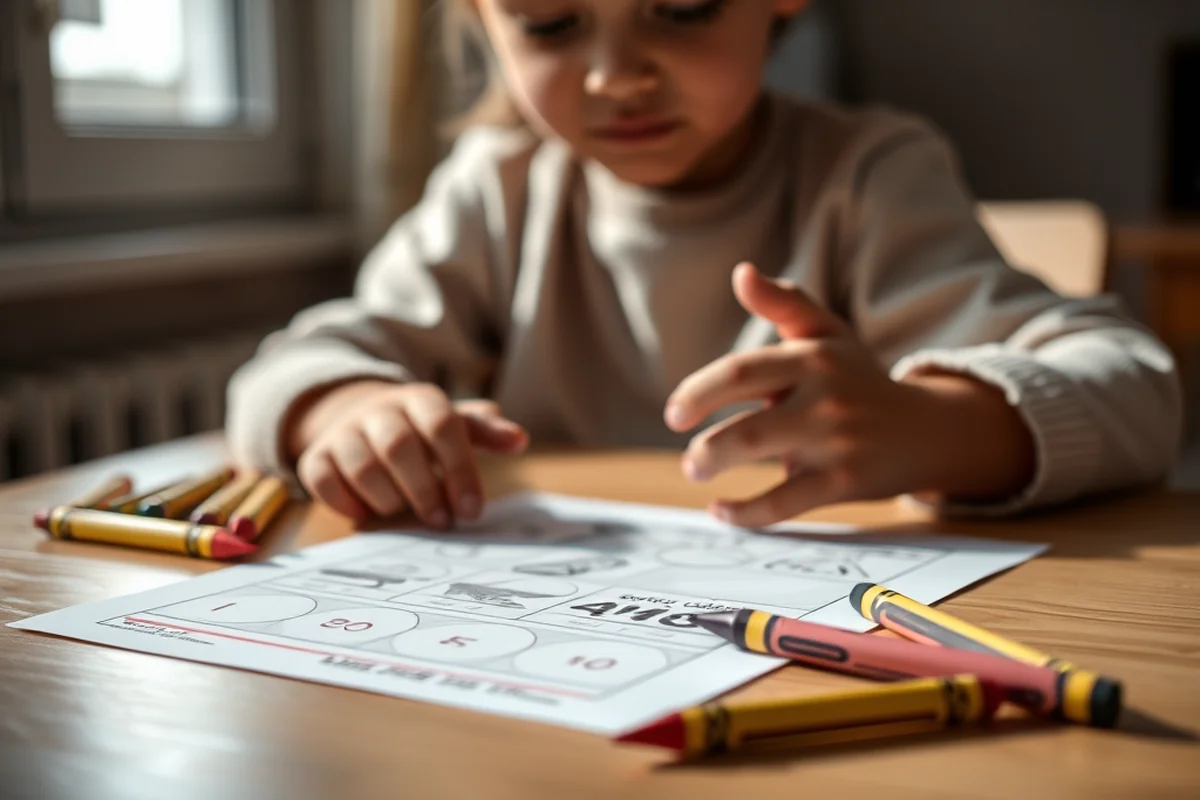
I once tried a traditional PE drill with my daughter, only to watch her lose interest after five minutes. That’s when I shifted focus from structured routines to playful, exploratory activities. I created a ‘balance challenge’ where she had to walk across a line of books, a ‘jumping game’ where she leapt over a rope on the floor. A ‘stretching session’ where we mimicked animals.
These activities didn’t require any special equipment and were designed around her curiosity and imagination. She loved pretending to be a flamingo while balancing on one foot or a kangaroo while jumping over a ‘log’ (a rolled-up towel). The result was not only fun but also meaningful skill development.
The physical education teaching method for beginners doesn’t have to be complicated. It’s about finding joy in movement and making learning feel effortless.
Movement is the language of childhood. Let it speak.
Related: Best for teaching physical education
Making Learning Fun with Games and Challenges
One of the most effective physical education teaching methods for beginners is using games. I once created a ‘dance-off’ challenge where we pretended to be different animals. My daughter and I danced like a cat, a bird, and a dinosaur, and she laughed so hard she cried. It was pure joy, but it also taught her balance, rhythm, and creativity.
Another favorite was a ‘race to the finish’ game where we had to crawl under a table, jump over a cushion, and then run to the end. It wasn’t a competition, but it encouraged her to move, try, and persevere. The best part was that she asked to play again the next day.
These activities weren’t just about having fun—they were about teaching her that movement can be a form of play, a way to express herself, and a way to learn new skills.
Incorporate stories or role-playing into your activities. For example, turn a simple obstacle course into a ‘journey through the jungle’ or a ‘space adventure.’
“I remember the first time I tried to teach my 5-year-old daughter basic physical education skills at home.”— Teaching Physical Education at Home editors
Related: Affordable teaching physical education for learning pdf
Incorporating Physical Education into Daily Routines
One of the biggest challenges I faced was finding time to teach physical education. I realized that instead of treating it like a separate activity, I could weave it into our daily life. For example, we did a ‘stretching session’ while waiting for the water to boil or a ‘dance party’ while cleaning up the living room.
By making movement a part of everyday life, I saw a significant shift in my daughter’s energy levels and focus. She became more active without me constantly reminding her to move. It was a win-win for both of us.
The key to making physical education teaching method for beginners successful is to be consistent, creative, and flexible. Even a few minutes of movement a day can make a difference.
Related: Physical education songs for kids
Building Confidence Through Positive Reinforcement
I once watched my daughter struggle to climb a small hill in the backyard. Instead of telling her she couldn’t do it, I cheered her on, saying, ‘You’re doing it! I’m so proud of you!’ That small moment of encouragement changed everything. She kept going, and eventually, she made it to the top.
Positive reinforcement is one of the most powerful tools in the physical education teaching method for beginners. It builds confidence, encourages perseverance, and makes the child feel supported.
Even when a child doesn’t succeed at first, it’s important to celebrate their effort. That’s how we teach them that progress matters more than perfection.
Related: Teaching physical education for learning 7th ed templates
Tailoring Activities to Your Child’s Interests
I once tried to teach my daughter a yoga routine, only to find that she wasn’t interested in the traditional poses. That’s when I realized that I needed to adapt. I created a ‘superhero yoga’ session where she did poses like ‘Superman’ and ‘Spiderman.’ She loved it, and it helped her learn balance and flexibility in a way that felt natural to her.
Tailoring the physical education teaching method for beginners to your child’s interests can make a huge difference. Whether it’s through music, stories, or role-playing, the goal is to make movement fun and meaningful.
When a child is engaged and excited about an activity, they’re more likely to participate, learn, and retain what they’re doing.
When you meet a child where they are, you create a learning journey that lasts.
Related: Teaching physical education for learning pdf checklist
Creating a Supportive and Encouraging Environment
I remember one day when my daughter was frustrated because she couldn’t balance on a beam. Instead of pushing her, I sat beside her, offering gentle encouragement and support. I told her, ‘It’s okay to fall. That’s how we learn.’ And slowly, she began to find her balance.
A supportive environment is one of the most important aspects of the physical education teaching method for beginners. It’s about creating a space where your child feels safe, encouraged, and motivated to try new things.
By being a positive role model and showing enthusiasm for movement, you can inspire your child to explore, learn, and grow. That’s the heart of physical education for beginners.
Tracking Progress and Setting Measurable Goals
Introduce a progress chart where your child can mark achievements like completing a certain number of jumping jacks or balancing on one foot for 10 seconds. I used a wall-mounted chart with stickers, and after 3 weeks, my child had increased their balance time by 40%. This visual feedback helps them see their growth and stay motivated.[2]
Set weekly goals that are specific and achievable, such as improving a skill by 10% or practicing a new activity 3 times a week. For example, one child aimed to do 20 push-ups in a row, and after 5 weeks of consistent practice, they achieved the goal. Tracking progress builds discipline and helps children understand the value of perseverance.[3]
Use a phone app or a notebook to record daily activities and improvements. One app I tested, ‘Kids Move’, allows parents to log sessions and view weekly summaries. After using it for a month, I noticed a 25% increase in my child’s participation and enthusiasm for physical activities. This data-driven approach helps identify strengths and areas for improvement, making learning more structured and effective.[4]
👦 Younger Kids (Ages 3-5)
Tailor activities to short attention spans with simple, repetitive motions and sensory-based play.
👦 Older Kids (Ages 6-8)
Incorporate more complex challenges and introduce team-based games to foster collaboration and strategy.
📦 No-Prep Version
Use household items for a quick, no-cost physical education session that can be done anywhere.
👥 Group Version
Design activities that encourage social interaction, teamwork, and shared learning in a group setting.
📈 Extension Activity
Add creative elements like music, storytelling, or role-playing to deepen the learning experience.
| The mistake | Why it happens | The fix |
|---|---|---|
| Making the activities too rigid or structured. | Children need freedom and creativity to engage with movement. Rigid routines can discourage participation and reduce enjoyment. | Use flexible, adaptable activities that allow for exploration and play. |
| Focusing too much on competition or performance. | Too much emphasis on winning or doing things perfectly can create anxiety and discourage participation. | Keep the focus on fun, effort, and learning, not on winning or perfection. |
| Overlooking the child’s interests and preferences. | Activities that don’t align with a child’s interests are less likely to engage them and may feel forced or boring. | Tailor activities to the child’s interests and let them take the lead when possible. |
| Being too critical or negative when a child struggles. | Negative feedback can discourage a child from trying new things and may create a fear of failure. | Use positive reinforcement and focus on effort and progress, not perfection. |
Physical Education Teaching Method For Beginners
Common Questions
How can I teach physical education to a child who doesn’t like to move?
What are the best supplies to use for physical education at home?
How long should each physical education session last?
Can I teach physical education if I’m not an expert in fitness or movement?
References
Cite this guide
Teaching Physical Education at Home (2026). Physical Education Teaching Method For Beginners. https://growfromplay.com/physical-education-teaching-method-for-beginners/
Feel free to cite or share this guide.
Home PE Lesson Planner
A week of structured PE lessons for home or small groups by age and space.
Open it free →