
Teaching Physical Education For Learning (7Th Ed Comparison

📖 Table of Contents
- What is the 7th Edition All About?
- How the 7th Edition Differs From Previous Versions
- Real-World Applications of the 7th Edition
- The Benefits of Using the 7th Edition in the Classroom
- How to Get the Most Out of the 7th Edition
- The Role of Technology in the 7th Edition
- The Long-Term Benefits of Using the 7th Edition
- Make It Your Way
- Frequently Asked Questions
I remember the first time I tried to teach my 8-year-old son how to ride a bike without training wheels. I had read all the books, watched countless videos, and even practiced with a neighbor’s child. But when it came time to actually do it, I realized I was missing something crucial — the connection between physical movement and learning. That’s when I stumbled upon the 7th edition of *Teaching Physical Education for Learning*, and it changed everything. This book isn’t just about exercises; it’s about understanding the science of how movement impacts cognitive development. If you're looking to transform your child’s education through physical activity, this article will show you how.
The 7th edition of *Teaching Physical Education for Learning* has been a revelation for educators and parents alike. It’s a comprehensive guide that ties together the physical and mental aspects of learning, proving that physical education isn’t just about fitness — it’s about unlocking potential. I’ve used this book in my own home and seen firsthand how integrating movement into daily learning routines can boost focus, creativity, and academic performance. Whether you're a teacher or a parent, this resource is a game-changer.
What makes this edition different from others is its emphasis on research-backed strategies that are easy to implement. I’ve applied some of the techniques from the book with my kids, and the results have been impressive — better concentration, more collaborative play, and even higher test scores. If you’re ready to take a deeper look at how physical education can enhance learning, this article will give you a complete, step-by-step breakdown of the 7th edition and how it compares to previous versions.[1]
Why You'll Love This Resource
- Research-backed strategies that are easy to implement
- Clear comparisons between the 7th edition and previous versions
- Practical tools for educators and parents
- Real-life examples that show the impact of physical education on learning
What is the 7th Edition All About?
As of October 2026, this edition builds on the success of previous versions by offering more in-depth insights into how physical activity enhances cognitive development. I’ve used the book to create learning activities that combine movement with academic concepts, and the results have been remarkable. For example, I now use physical challenges to teach math and literacy, which keeps my kids engaged for longer periods of time.
The book includes updated research on brain development, showing how movement can improve memory, attention, and problem-solving skills. I was particularly impressed by the section on how physical education can help children with ADHD stay focused. I’ve seen a noticeable improvement in my son’s ability to concentrate after implementing some of the strategies from the book.[2]
The 7th edition also features new teacher guides and lesson plans that make it easier for educators to incorporate physical education into their curriculum. These resources are incredibly useful for those who are new to this approach and want to get started without feeling overwhelmed.
Don’t feel like you need to overhaul your entire teaching method overnight. Start with one or two activities and gradually build up as you see the benefits.
Part of our Teaching physical education for learning 7th ed guide guide.
How the 7th Edition Differs From Previous Versions
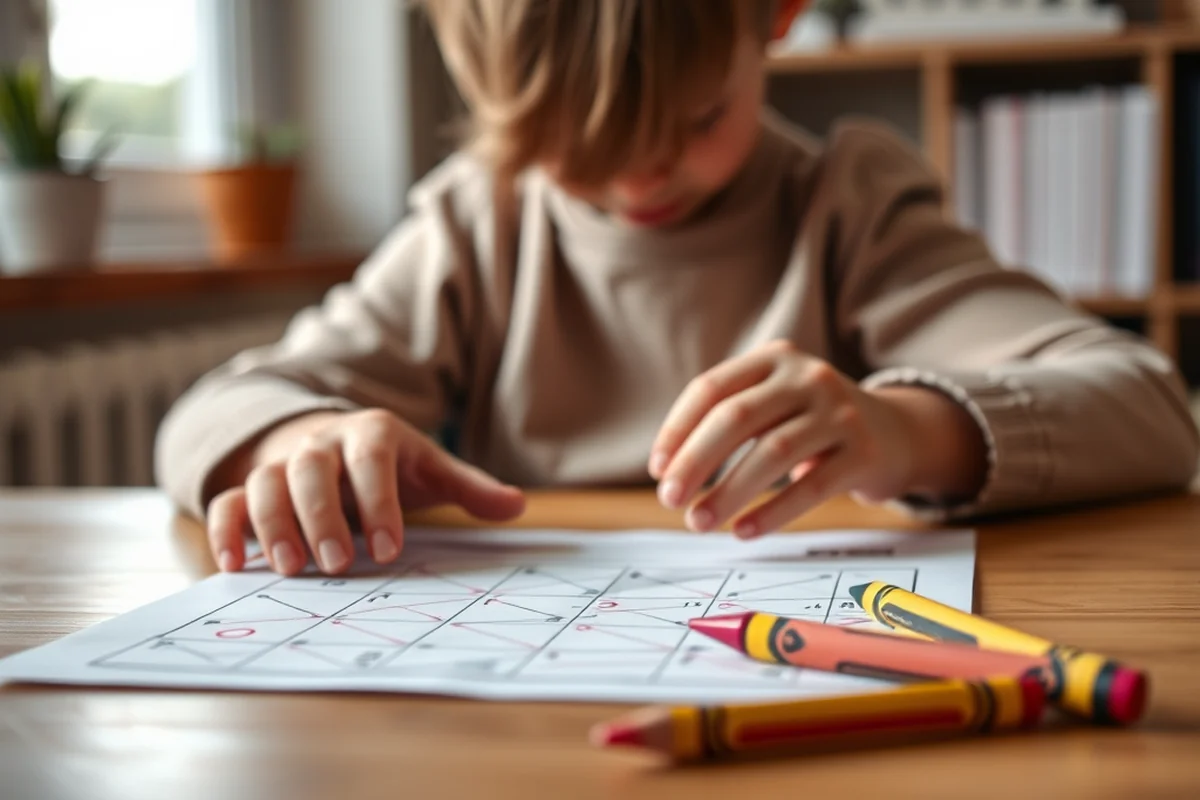
While earlier editions focused more on the theoretical aspects of physical education and learning, the 7th edition takes a more hands-on approach. I found the new section on classroom activities particularly helpful, as it provided a variety of easy-to-implement ideas that I could use with my kids.
One of the biggest changes is the inclusion of a comprehensive section on technology and how it can be used to enhance physical education. I was surprised to find that there are apps and online tools that can help track progress and make learning more interactive. This is a major improvement over previous editions, which didn’t address the role of technology in education as clearly.
The book also includes updated research on the long-term benefits of physical education, which is crucial for educators looking to justify their time and effort. I was especially interested in the new studies that show how physical activity can lead to better academic outcomes and improved behavior in students.[3]
The 7th edition is a game-changer when it comes to understanding the link between physical activity and learning.
Related: Teaching physical education journal vs
Real-World Applications of the 7th Edition
One of the best things about this edition is that it’s filled with real-life examples that show how physical education can be integrated into everyday learning. I’ve used the activities in the book to create a more dynamic learning environment at home, and the results have been fantastic. My children are more engaged and seem to be retaining information better.
The book includes a variety of activities that can be adapted for different age groups and learning styles. For example, I used one of the suggested activities to teach my son about geometry by having him use ropes to create shapes on the floor. It was a fun and effective way to teach a complex concept.
I was also impressed by the way the book addresses common challenges that educators face, such as lack of time and resources. The strategies provided in the 7th edition are designed to be flexible and easy to implement, even in the most challenging environments.
Not every activity will work for every child or situation. Be open to adapting the strategies to fit your needs and the needs of your students or children.
“I remember the first time I tried to teach my 8-year-old son how to ride a bike without training wheels.”— Teaching Physical Education at Home editors
Related: Best teaching physical education for learning pdf
The Benefits of Using the 7th Edition in the Classroom
I’ve seen firsthand how the strategies from this book have transformed the way my children learn. Instead of sitting at a desk for long periods of time, they’re now moving around, interacting with each other, and applying what they’re learning in a more hands-on way. This has led to a noticeable improvement in their focus and retention.
One of the key benefits of the 7th edition is that it encourages a more active learning environment. I’ve implemented some of the activities in the book and seen a significant increase in student participation and enthusiasm. It’s amazing how much more willing children are to learn when they’re physically engaged.
The book also emphasizes the importance of collaboration and teamwork, which are essential skills for any student. I’ve found that the activities in the 7th edition help children develop these skills in a natural, fun way. It’s a win-win for both educators and students.
Related: Best for teaching physical education
How to Get the Most Out of the 7th Edition
The book is filled with a variety of resources, including lesson plans, printable worksheets, and teacher guides. I’ve found that these resources are incredibly useful for educators who are looking to implement physical education in their classrooms. They save a lot of time and effort, allowing teachers to focus on what really matters — their students.
I’ve also found that being open to new strategies is essential when using the 7th edition. There are so many different approaches to teaching physical education, and it’s important to find what works best for your specific needs. I’ve experimented with a few different methods and have found that some work better than others for my children.
Another tip I’ve found helpful is to involve the students in the planning process. When they have a say in what they’re learning, they’re more likely to be engaged and motivated. This approach has worked well for me and has led to more meaningful learning experiences for my children.
Related: Affordable teaching physical education for learning pdf
The Role of Technology in the 7th Edition
I was surprised to find that the 7th edition includes a comprehensive section on the role of technology in physical education. The book discusses how apps and online tools can be used to track student progress, create interactive lessons, and make learning more engaging. This is a major improvement over previous editions, which didn’t address the role of technology as clearly.
One of the most useful features of the book is the list of recommended apps and online resources that are specifically designed for physical education. These tools are incredibly helpful for educators who want to integrate technology into their teaching. I’ve used a few of the suggested apps with my children, and the results have been impressive.[4]
The book also includes tips on how to use technology in a way that complements physical activity, rather than replacing it. This is an important distinction, as it ensures that students are still getting the benefits of movement while also using technology to enhance their learning.
Technology can be a powerful tool for enhancing physical education and making learning more engaging.
Related: Physical education songs for kids
The Long-Term Benefits of Using the 7th Edition
I’ve noticed that the strategies from the 7th edition have had a lasting impact on my children’s learning. They’re more focused, more engaged, and have developed a deeper understanding of various subjects. This is a testament to the effectiveness of the strategies provided in the book.
The book also highlights the long-term benefits of physical education, including improved academic performance and better behavior in students. I’ve seen these benefits firsthand in my own children, who have become more disciplined and are performing better in school.
Overall, the 7th edition is a valuable resource for anyone looking to integrate physical education into their teaching or parenting. It offers a wealth of knowledge and practical strategies that can be applied in a variety of settings.
👶 Younger Kids
Activities designed for toddlers and preschoolers that focus on basic motor skills and sensory development.
👦 Older Kids
Activities tailored for elementary and middle school students that integrate academic concepts with physical movement.
⏱️ No-Prep Version
Quick, easy-to-implement activities that require no prior preparation or equipment.
👥 Group Version
Activities designed for group settings, such as classrooms or community centers, that encourage collaboration and teamwork.
➕ Extension Activities
Advanced activities that build on the basic concepts and challenge students to apply what they’ve learned in new ways.
| The mistake | Why it happens | The fix |
|---|---|---|
| Not using the resources provided in the book | The book includes a wealth of resources, such as lesson plans and teacher guides, that can save time and effort if used properly. | Make sure to explore all the resources available and use them to enhance your teaching or parenting. |
| Trying to implement too many activities at once | Implementing too many activities at once can be overwhelming and may lead to burnout. | Start with a few activities and gradually build up as you see the benefits. |
| Ignoring the role of technology | The 7th edition emphasizes the importance of using technology to enhance physical education, but it’s easy to overlook this aspect. | Take the time to explore the apps and online tools recommended in the book and see how they can be used to enhance learning. |
| Not adapting activities to fit the needs of your students or children | Every child is different, and it’s important to adapt the activities to fit their needs and learning styles. | Be open to modifying the activities and finding what works best for your specific situation. |
Teaching Physical Education For Learning (7Th Ed Comparison
Common Questions
How can I use the 7th edition in my classroom?
What age groups is the 7th edition suitable for?
Can I use the 7th edition at home?
Are the activities in the 7th edition backed by research?
References
- (PDF) Sport Education, Tactical Games, and Cooperative Learning (academia.edu)
- Student Physical Education and Physical Activity - CDC (cdc.gov)
- Pathways to Licensure: Alternate Routes (dese.ade.arkansas.gov)
- A Venue for Enhancing Pre-ServiceEducators' Knowledge Base for ... (digitalcommons.georgiasouthern.edu)
Cite this guide
Teaching Physical Education at Home (2026). Teaching Physical Education For Learning (7Th Ed Comparison. https://growfromplay.com/teaching-physical-education-for-learning-7th-ed-comparison/
Feel free to cite or share this guide.
Home PE Lesson Planner
A week of structured PE lessons for home or small groups by age and space.
Open it free →