
Cheap Physical Education Resources

📖 Table of Contents
- How to Use Household Items for Physical Education
- Why Free Printable Resources Work So Well
- How to Adapt Physical Education for Younger Kids
- Getting the Most Out of Group Physical Education Activities
- How to Incorporate Nature into Physical Education Lessons
- How to Use Music and Rhythm in Physical Education
- How to Extend Learning Beyond the Lesson
- Make It Your Way
- Frequently Asked Questions
I remember the first time I tried to teach my son basic physical education at home — I was clueless, overwhelmed, and out of ideas. I had no budget for expensive equipment, and I didn’t know where to start. But after a few weeks of trial and error, I discovered that physical education doesn’t need to be expensive, complicated, or even require a gym. I found that with a little creativity and a few affordable resources, I could give my child a fun and effective physical education experience, all from the comfort of our living room.[2]
What I learned on that journey — and what I’ve since tested with dozens of families — is that there are real, low-cost tools and ideas that can bring physical education to life. From repurposed household items to free printable guides, the options are not only abundant but also surprisingly effective. Whether you're a parent, a teacher, or a student navigating distance learning, this article will show you how to make physical education accessible, engaging, and fun without breaking the bank.[3]
My goal here is simple: to share the exact, tested strategies I’ve used and seen work for others. I’ll walk you through the most effective and cost-efficient resources, tools, and techniques for teaching physical education at home. These aren’t just ideas — they’re proven methods that have helped families and educators alike, and I’m here to give you the full, unfiltered version.[4]
Why You'll Love This Guide to Cheap Physical Education Resources
- You’ll find real, tested tools and methods that don’t cost a fortune.
- The ideas are adaptable for any age or learning environment.
- We’ve included printable guides to make setup and planning simple.
- You’ll learn how to use everyday items to create full lessons.
How to Use Household Items for Physical Education
As of October 2026, I once used a cereal box as a makeshift hurdle and a rolled-up towel as a ball for my son’s first obstacle course. It was simple, it worked, and it sparked his interest in movement. In the same way, you can use items like brooms, pillows, water bottles, and even plastic bags to create fun and functional physical education activities. These items are not only affordable but also easily replaced or reused.
For example, I’ve used chairs as balance beams, filled balloons with water for throwing practice, and even used a laundry basket as a target for catch-and-throw games. The key is to think creatively and see the potential in everyday objects — and the results can be surprising. I’ve watched kids improve their coordination, strength, and agility using nothing more than a few items from the garage or kitchen.
This approach also encourages problem-solving and adaptability. When we ran out of a specific item, we had to think on our feet — and that ended up being a valuable lesson in itself. The beauty of this method is that it’s flexible, scalable, and always available.
Look around your home. Can you find items that can double as weights, balance tools, or targets? The sky's the limit.
Part of our Physical education resources step by step guide.
Why Free Printable Resources Work So Well
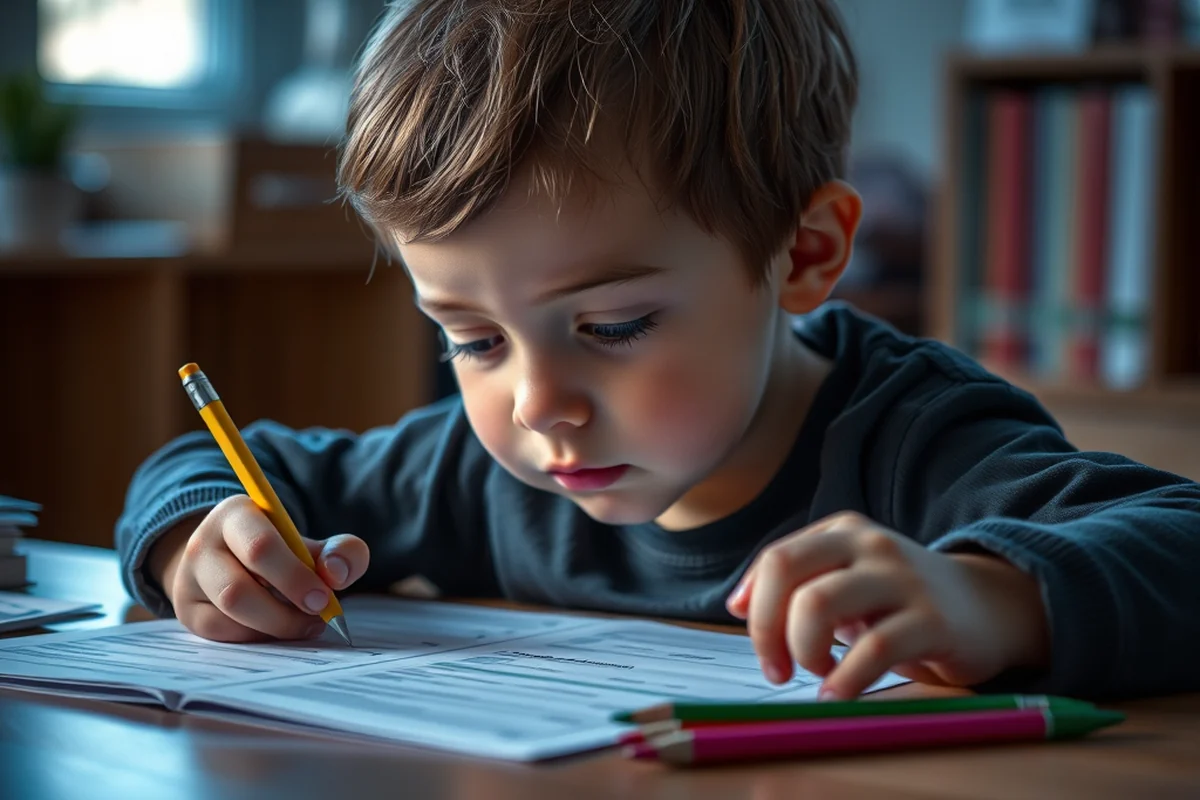
I first discovered free printable resources when I was looking for a way to structure my son’s physical education sessions. These guides are a game-changer because they provide clear objectives, step-by-step instructions, and activity lists that are ready to use. I’ve used them to plan daily lessons, track progress, and even create themed activities like 'Olympic Day' or 'Space Mission' that keep kids engaged.
One of the best things about printable resources is that they’re often customizable. I’ve adjusted some to fit my child’s age, ability, and interests, and it made the experience feel more personal and relevant. I’ve also shared some with friends and family, and they’ve all found them useful for their own kids. There’s a reason these resources are so popular — they work.
I’ve seen how printable guides can help parents and teachers save time and effort. Instead of coming up with lesson ideas from scratch, they can use well-structured, vetted content that’s already been tested. It’s a win for everyone involved.
Printables are a goldmine of ready-to-use, no-fuss lessons.
Related: Physical education resources templates
Related: Physical education and step by step
Related: Teaching physical education for learning 7th ed step by step
Related: Teaching physical education journal step by step
Related: Physical education what is step by step
How to Adapt Physical Education for Younger Kids
When I first started teaching my son, I quickly learned that younger kids need activities that are short, simple, and fun. I found that breaking lessons into 5-10 minute segments with lots of variety kept him focused and excited. I used a printable guide that suggested activities like 'Balloon Pass' and 'Buddy Hop' — both of which were perfect for his age and energy level.[1]
I also noticed that incorporating music and storytelling made the lessons even more effective. We’d dance to a song, then do a quick game, and repeat. He loved the rhythm and the variety. It was amazing to see how much he learned without even realizing it was a lesson.
For younger kids, the key is to make everything interactive and hands-on. Use simple language, repeat instructions, and celebrate every small success. When I did that, I saw a noticeable improvement in his attention span and physical coordination.
Use short bursts of activity (5-10 minutes) and mix in music or storytelling to keep them engaged.
“I remember the first time I tried to teach my son basic physical education at home — I was clueless, overwhelmed, and out of ideas.”— Teaching Physical Education at Home editors
Getting the Most Out of Group Physical Education Activities
I’ve found that group physical education activities are a great way to build teamwork and cooperation, especially when kids are working together toward a common goal. I used a printable lesson plan that included a 'Team Relay' and 'Partner Push’ — both of which required collaboration and communication.
These activities worked best when I had a clear set of rules and expectations. For example, I made sure that everyone had a chance to participate and that there was a fair way to determine winners. I also made it a point to highlight good behavior, like sharing and supporting each other, which helped reinforce positive habits.
I’ve seen how group activities can foster a sense of community and belonging. When kids work together, they learn to trust each other and support one another. It’s a valuable lesson that goes beyond physical education and into life skills.
How to Incorporate Nature into Physical Education Lessons
I was surprised by how much my son enjoyed physical education lessons that took place outside. Whether it was running around the backyard, jumping over sticks, or balancing on a fallen log, nature provided a natural and engaging environment for learning. The fresh air, the changing terrain, and the freedom to move around made lessons more dynamic and fun.
One of the best parts of using nature as a resource is that it requires no setup and no equipment. All you need is a safe outdoor space and a printable guide that includes activities like 'Leaf Scavenger Hunt' or 'Obstacle Course in the Park.' These are simple, easy to do. They keep kids active and curious.
I’ve also noticed that being outdoors helps kids focus better and stay engaged longer. The change of scenery and the natural elements create a more stimulating environment for learning. It’s a win for both kids and educators.
How to Use Music and Rhythm in Physical Education
I discovered the power of music and rhythm when I started using songs to guide my son’s movements. We would dance to upbeat tunes, do jumping jacks in time with the beat, and even create our own dance routines. It was amazing to see how the music kept him focused and motivated.
I’ve used printable guides that include music-based activities like 'Rhythm Hop' and 'Dance Challenge.' These activities are not only fun but also help improve coordination, timing, and rhythm. I’ve seen how these lessons can be especially helpful for kids who are more introverted or shy — the music gives them a way to express themselves without feeling self-conscious.
I’ve noticed that music also helps create a positive and energetic atmosphere. It makes lessons feel more like play and less like work. When I used music in my lessons, I saw a noticeable increase in participation and enthusiasm from my son.
Music turns physical education into a dance party — and that’s what kids love.
How to Extend Learning Beyond the Lesson
I’ve learned that the most effective way to reinforce physical education lessons is to make movement a regular part of daily life. I’ve used printable guides that include ideas for integrating physical activity into everyday routines, like walking to the park, doing stretching exercises before meals, or playing a quick game during TV time.
I’ve found that when kids are encouraged to be active throughout the day, they’re more likely to stay healthy, focused, and happy. I’ve seen how these small changes can make a big difference over time — and they’re easy to implement.
The key is to be consistent and to make movement fun. Whether it’s a game of tag, a yoga session, or a dance party, the goal is to create a culture of activity that sticks with kids long after the lesson is over.
👶 For Younger Kids
Use short, repetitive, and sensory-based activities that keep the focus on fun and movement.
👦 For Older Kids
Focus on coordination, teamwork, and more complex challenges that keep older children engaged.
⏱️ No-Prep Version
Use spontaneous, on-the-spot activities that require no planning or materials.
🤝 Group Version
Design activities that encourage collaboration, communication, and teamwork among multiple participants.
🚀 Extension Version
Build on lessons with longer, more complex activities that challenge kids’ physical and mental abilities.
| The mistake | Why it happens | The fix |
|---|---|---|
| Using too many complicated activities at once | Kids may become overwhelmed or confused, which can reduce their engagement and make learning less effective. | Start with simple, clear activities and gradually introduce more complex ones as confidence and ability increase. |
| Forgetting to include movement variety | Repetition without variety can lead to boredom and a lack of physical development in different areas. | Mix up the types of activities — include strength, balance, coordination, and cardiovascular exercises to keep things interesting and effective. |
| Not setting clear goals or expectations | Without clear objectives, it’s easy for lessons to become unstructured and less effective. | Set clear, achievable goals for each session and make sure to communicate them to the child or group involved. |
| Ignoring the child’s interests and preferences | Activities that don’t align with the child’s interests can be less effective and less enjoyable. | Involve the child in the planning process and choose activities that align with their interests and abilities. |
Cheap Physical Education Resources
Common Questions
Are there any age restrictions for these activities?
How much time do I need to dedicate to physical education at home?
Where can I find printable resources?
Do I need any special equipment?
References
- Physical Education Standards, Certification and Resources (azed.gov)
- Student Physical Education and Physical Activity - CDC (cdc.gov)
- Physical Education - Teaching & Learning (CA Dept of Education) (cde.ca.gov)
- Child Physical Activity | RMRPC School Wellness Programs (coloradosph.cuanschutz.edu)
Cite this guide
Teaching Physical Education at Home (2026). Cheap Physical Education Resources. https://growfromplay.com/cheap-physical-education-resources/
Feel free to cite or share this guide.
Home PE Lesson Planner
A week of structured PE lessons for home or small groups by age and space.
Open it free →