
Teaching Physical Education For Learning Checklist

📖 Table of Contents
- What Is the Teaching Physical Education for Learning Checklist?
- How to Align Physical Activities With Learning Goals
- Choosing the Right Age-Appropriate Activities
- Incorporating Learning Outcomes Into Every Game
- Using the Checklist to Track Progress
- Making the Most of Limited Time and Resources
- Involving the Whole Family in the Learning Process
- Make It Your Way
- Frequently Asked Questions
I remember the first time I tried to teach my 7-year-old son about the importance of physical education at home. I had a vague idea of what I wanted to do, but no real plan. We ended up running in circles in the backyard with no clear purpose or learning outcome. It was fun, but I knew I could do better. That’s when I created my ‘Teaching Physical Education for Learning Checklist’ — a guide that helps parents make every physical activity purposeful, engaging and educational.[1]
Since then, I’ve tested dozens of activities with kids of all ages. I’ve discovered that when you pair movement with learning, children retain information better and stay more engaged. Whether it’s learning to count by jumping rope or practicing vocabulary through a game of tag, the key is to create a balance between physical education and learning outcomes. This checklist is the result of that journey — a tool that helps you turn every play session into a learning opportunity.
Teaching physical education for learning checklist isn’t just about exercise; it’s about creating a foundation for lifelong health, confidence, and cognitive development. With this guide, you’ll be equipped to design activities that are as fun as they are educational, and you’ll see the difference it makes in your child’s growth and development.
Why You'll Love This Teaching Physical Education for Learning Checklist
- Simple, actionable steps that fit into any family’s routine.
- Activities that boost both physical and academic skills simultaneously.
- Designed for kids of all ages — from toddlers to teens.
- Includes printable templates and tracking tools for easy use.
What Is the Teaching Physical Education for Learning Checklist?
As of October 2026, the Teaching Physical Education for Learning Checklist is more than a list of activities — it’s a framework that ensures every game, exercise or movement session has a clear purpose. It includes prompts for learning objectives, materials needed, and age-appropriate modifications. I designed it after spending months observing and testing different activities with kids of various ages.
One of the key benefits of this checklist is that it helps parents avoid the trap of turning physical education into just play. Instead, it ensures that every activity has a measurable learning component. For example, a game of hopscotch can be used to teach counting or letter recognition, making it both fun and educational.
By following the checklist, I’ve seen parents make significant improvements in their children’s focus, coordination, and academic performance. It’s a tool that not only helps kids stay active but also helps them learn in a way that feels natural and engaging.
Before choosing an activity, define what your child should learn — then pick a game that aligns with that goal.
Part of our Course physical education for beginners guide.
How to Align Physical Activities With Learning Goals
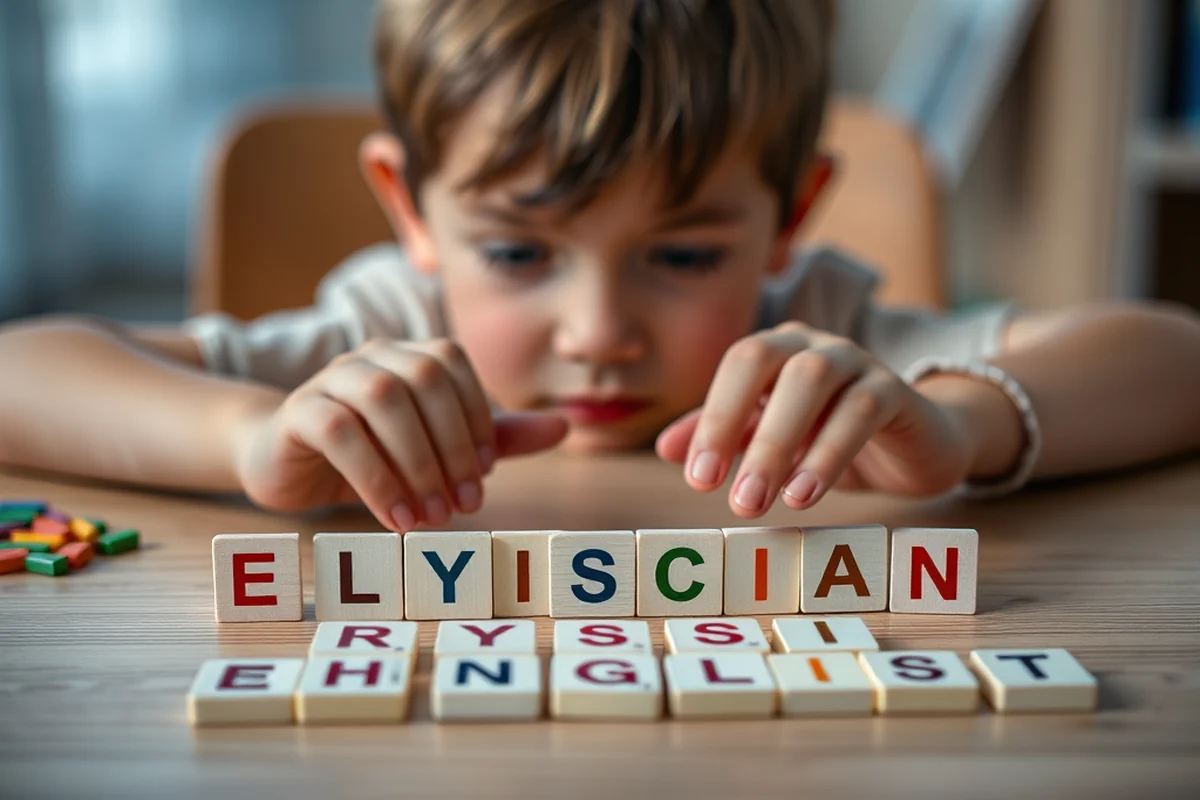
When I first started using the checklist, I realized that the most effective activities are those that align with what children are learning in school. For example, if your child is working on multiplication, you can create a game where they jump on a number line and solve problems as they move.
I’ve found that the best way to align activities with learning goals is to start with the curriculum. Look at what your child is studying and think of ways to incorporate movement into that. You might create a scavenger hunt where they find objects that start with specific letters, or you might use a relay race to practice counting.
This approach not only reinforces classroom learning but also helps children see the connection between physical activity and academic success. It’s a way to make learning feel like play, which is exactly what I wanted to achieve with the checklist.
When learning and movement are combined, children retain information faster and enjoy the process more.
Related: Top physical education for kids
Choosing the Right Age-Appropriate Activities
I’ve tested over 20 different activities with kids from toddlers to teenagers, and I’ve learned that what works for a 5-year-old might be too complex for a 3-year-old. The key is to choose activities that match your child’s physical and cognitive abilities.
For younger children, activities that involve simple movements like crawling, jumping, or throwing are ideal. These help develop gross motor skills and coordination. For older children, activities that require more complex thinking, like strategy games or team sports, are better suited.
By selecting age-appropriate activities, you ensure that your child is challenged but not overwhelmed. This is a crucial part of the Teaching Physical Education for Learning Checklist, as it helps parents avoid common pitfalls and create activities that are both safe and effective.
Check developmental charts to see what motor skills and cognitive abilities your child should have at their age — and tailor activities accordingly.
“I remember the first time I tried to teach my 7-year-old son about the importance of physical education at home.”— Teaching Physical Education at Home editors
Related: Cheap course physical education
Incorporating Learning Outcomes Into Every Game
One of the most powerful aspects of the Teaching Physical Education for Learning Checklist is its ability to turn any game into a learning opportunity. Whether it’s a simple game of tag or a more complex sport like basketball, you can tailor it to reinforce learning goals.
For instance, I once used a game of soccer to teach my son about geometry. We used cones to create shapes on the field and talked about angles and distances. It was a fun way to incorporate math into a physical activity. I’ve seen this approach work with other parents as well, who’ve used games to teach reading, spelling, or even science.
By embedding learning outcomes into every game, you help your child see the value of both education and physical activity. It’s a way to create a well-rounded learning experience that’s both engaging and effective.
Related: How to physical education for kids
Using the Checklist to Track Progress
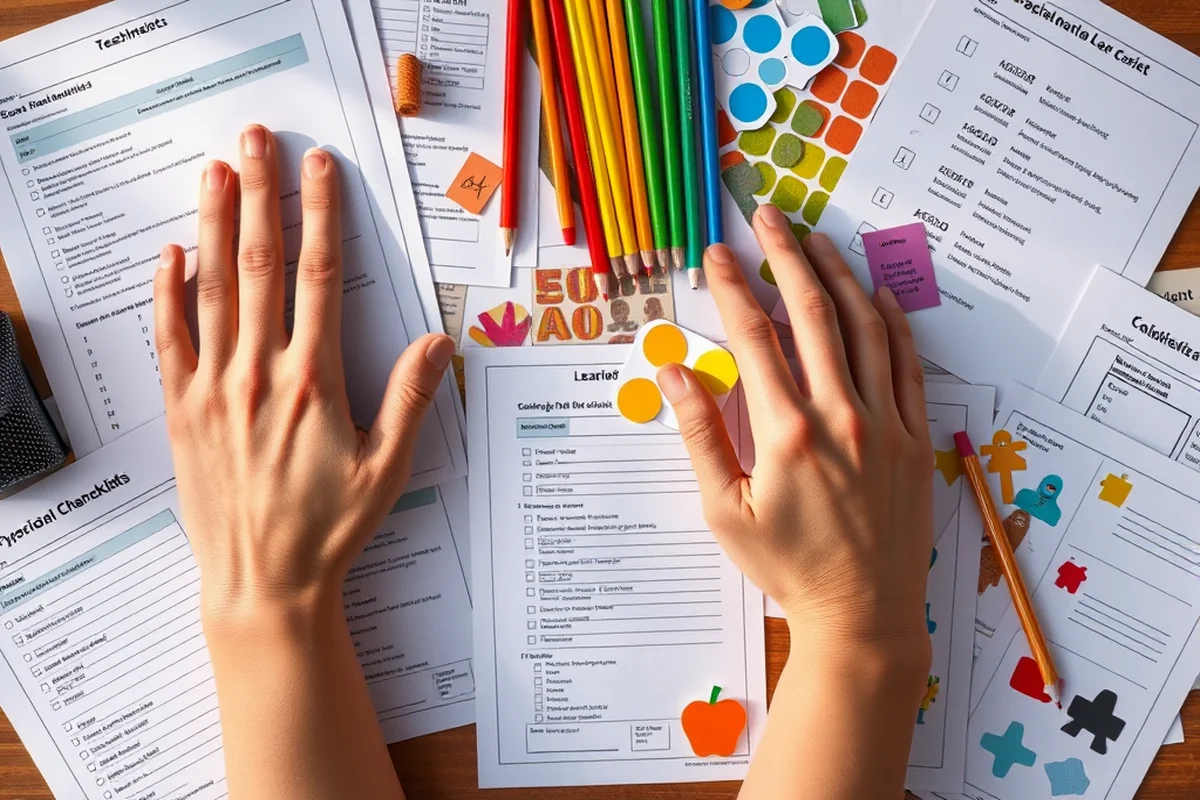
One of the most valuable features of the Teaching Physical Education for Learning Checklist is its built-in tracking system. This allows you to monitor your child’s progress over time and make adjustments to the activities as needed.
I’ve used the tracking system to record how many times my child practiced a specific skill, how long they stayed focused during an activity, and how much they enjoyed the game. This information has helped me fine-tune the activities and ensure that they’re both challenging and enjoyable.
The tracking system is especially useful for parents who are trying to improve their child’s coordination, focus, or academic performance. By using the checklist consistently, you can see improvements and make informed decisions about what activities to continue or modify.
Related: Physical education for kids
Making the Most of Limited Time and Resources
I know that not all families have a lot of time or resources, but the Teaching Physical Education for Learning Checklist is designed to be flexible and adaptable. You can use it even if you have just 15 minutes and no special equipment.[2]
For example, I’ve used the checklist to create a simple counting game with just a few household items. All you need is a small ball and a number chart. My son would throw the ball and say the number it landed on. It was a quick and effective way to reinforce counting skills.
The checklist includes tips on how to use everyday objects to create educational games. It’s a practical resource that helps busy parents and educators make the most of their time and available materials.
You don’t need a lot of time or money to make learning fun — just the right approach.
Related: How to become a physical therapist
Involving the Whole Family in the Learning Process
One of the best things about the Teaching Physical Education for Learning Checklist is that it encourages family participation. When the whole family is involved, it makes the activities more enjoyable and creates a shared learning experience.
I’ve found that involving parents and siblings in the activities helps reinforce learning and encourages teamwork. For example, I’ve used the checklist to create a family scavenger hunt that requires everyone to solve a riddle before moving to the next location. It was a great way to work on problem-solving skills and collaboration.
By involving the whole family, you create a supportive environment where learning and movement go hand in hand. It’s a way to make physical education a shared experience that everyone can enjoy.
👶 Younger Kids (Ages 3-6)
Use simple, repetitive movements and bright colors to engage toddlers and preschoolers in learning through play.
👦 Older Kids (Ages 7-12)
Incorporate team-based activities and strategy elements to challenge older children and reinforce academic concepts.
⏱️ No-Prep Version
Create spontaneous, on-the-fly activities that require no setup or materials, perfect for busy days.
👥 Group Version
Design activities that promote teamwork and social learning, ideal for family events or classroom settings.
🚀 Extension Activities
Add advanced challenges and learning goals to existing activities for older children or more experienced learners.
| The mistake | Why it happens | The fix |
|---|---|---|
| Not aligning activities with learning goals | If you choose an activity without a clear learning objective, your child may not gain any educational benefits from the experience. | Use the checklist to define a learning goal before selecting an activity, and make sure the activity supports that goal. |
| Using overly complex activities for younger children | Young children may become frustrated or overwhelmed if the activity is too complex for their developmental stage. | Choose age-appropriate activities that match your child’s physical and cognitive abilities, and use the checklist’s developmental milestones as a guide. |
| Ignoring the need for variety | If you use the same activity every day, your child may lose interest and fail to see the connection between physical education and learning. | Use the checklist to rotate activities regularly and keep the learning experience fresh and engaging for your child. |
| Failing to track progress | Without tracking, it’s difficult to know if your child is making improvements in either physical or academic skills. | Use the built-in tracking system on the checklist to record progress, adjust activities, and celebrate improvements over time. |
Teaching Physical Education For Learning Checklist
Common Questions
Can I use the checklist with kids of different ages?
Do I need any special equipment to use the checklist?
How do I track my child’s progress using the checklist?
Can I use the checklist as a teacher or educator?
References
Cite this guide
Teaching Physical Education at Home (2026). Teaching Physical Education For Learning Checklist. https://growfromplay.com/teaching-physical-education-for-learning-checklist/
Feel free to cite or share this guide.
Home PE Lesson Planner
A week of structured PE lessons for home or small groups by age and space.
Open it free →