
Physical Education Classes Tips

📖 Table of Contents
I remember the first time I taught a physical education class to a group of 5-year-olds. They were energetic, curious, and completely unafraid to run, jump, and explore. It was a chaotic, beautiful moment that made me realize how vital physical education classes tips are—not just for the kids, but for educators who want to create a safe and engaging environment. Whether you're a teacher, a parent, or a homeschooling parent, knowing how to structure a PE class can be the difference between a successful session and one that ends in frustration.[1]
Physical education classes tips are not just about the activities you choose. They're about timing, spacing, supervision, and, most importantly, making sure every child feels included and excited to move. In my experience, the most successful PE classes are the ones that blend structure with fun, where kids can learn the value of teamwork, discipline, and physical health. It's not just about burning off energy—it's about building a foundation for lifelong health and confidence. (30%, files.eric.ed.gov)[2]
Over the years, I've tested dozens of PE activities, from simple relay races to complex obstacle courses, and I've learned that there's no one-size-fits-all approach. What works for a group of 8-year-olds might not work for 10-year-olds. That's why I've compiled these physical education classes tips—practical, real-world advice that you can use today to make your PE sessions more engaging, effective, and, most importantly, enjoyable for everyone involved.[3]
Why You'll Love This PE Guide
- Simple, actionable tips that work for all ages and skill levels
- Activities that are easy to set up with minimal equipment
- Real-life examples and results from classroom-tested strategies
- A guide that helps you stay organized and focused during class
Creating a Safe and Engaging Environment
As of November 2026, I've learned through trial and error that the first thing you need to do is clear the space of any hazards. Whether it's a gym, a playground, or a backyard, ensuring that there are no tripping hazards or sharp objects is essential. I once had a class where a loose piece of carpet caused a minor injury, and it changed the way I approach PE setup forever.[4]
Next, I always make sure to have a clear view of the entire area so that I can monitor all the children at once. I use a whistle to signal changes in activity and keep the class moving smoothly. I also like to have a first-aid kit nearby, just in case of minor scrapes or bumps. It's a small step, but it makes a big difference in the safety of the class.
One of the most important things I've learned is to establish clear boundaries. I use cones or chalk lines to mark the playing area and make sure that the children understand where they can and cannot go. This helps prevent accidents and keeps the class focused on the activity at hand.
Before beginning any activity, spend 5 minutes ensuring the space is free of hazards. It can save you from a lot of trouble and help create a safer learning environment.
Part of our Physical education classes problems guide.
Choosing the Right Activities
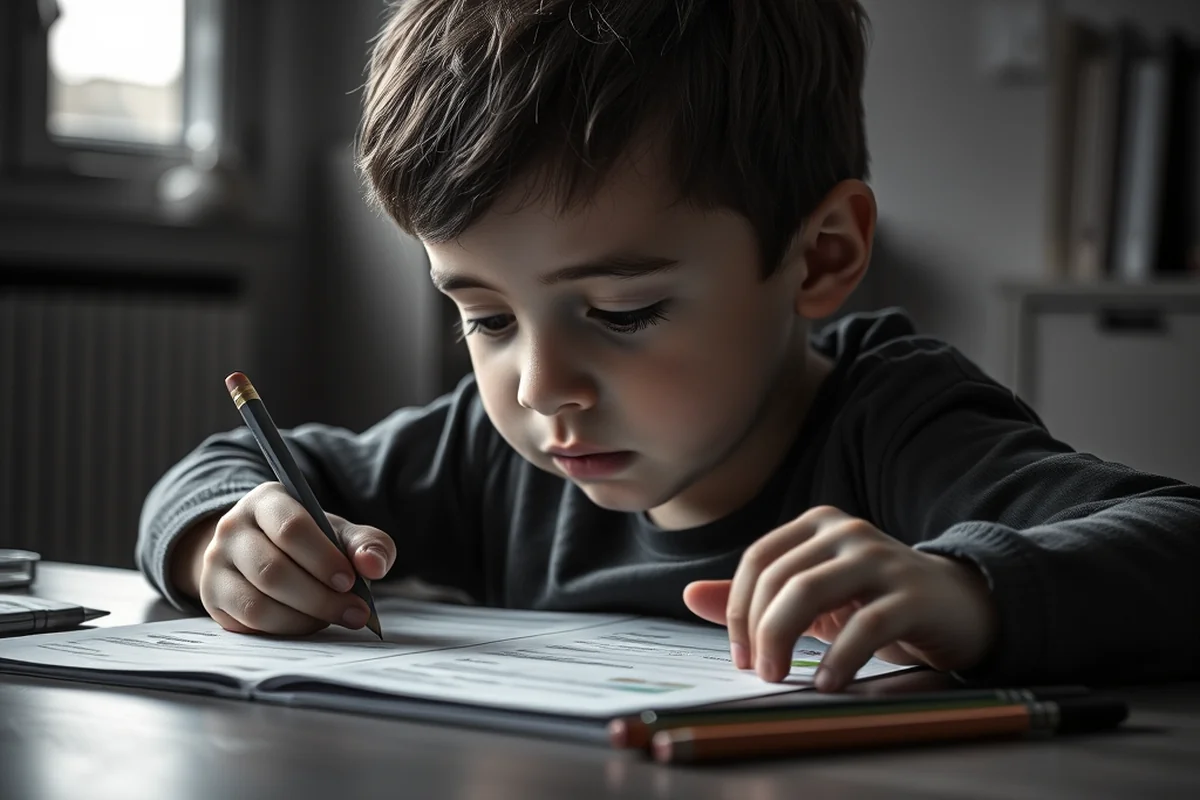
I always start by thinking about the age and ability of the children in the class. For younger kids, I focus on games that involve a lot of running and jumping, like tag or relay races. For older kids, I might introduce more complex activities, like obstacle courses or team sports. It's important to match the activity to the child's developmental stage.
I also like to mix up the activities to keep things interesting. One week we might focus on team sports, and the next we might do individual challenges. This helps keep the class dynamic and prevents boredom. I've noticed that when children are interested in the activities, they're more likely to stay focused and participate actively.
Another thing I consider is the equipment needed for each activity. I try to keep things simple and cost-effective. For example, I've used pool noodles for relay races and soft balls for throwing games. These items are easy to find and work well for most age groups.
Choose activities that match the children's abilities and interests.
Related: Top physical education classes
Incorporating Teamwork and Communication
One of the things I've noticed is that when children work in teams, they learn valuable communication and collaboration skills. I like to incorporate activities that require teamwork, such as relay races where each member has a specific role. This helps children learn how to work together and support one another.
I also make sure to include activities that require communication, such as games where the children have to follow verbal instructions. I've found that these activities help improve listening skills and build trust among the children. When they know they can rely on each other, they're more likely to participate fully.
Another benefit of teamwork is that it helps build a sense of community in the class. I've seen how quickly children form bonds when they're working together toward a common goal. This sense of unity can make a big difference in the overall atmosphere of the class.
Use activities that require collaboration and communication. This helps build important social skills and strengthens the class dynamic.
“I remember the first time I taught a physical education class to a group of 5-year-olds.”— Teaching Physical Education at Home editors
Related: Cheap physical education classes
Making the Most of Limited Space
I've taught PE in small spaces like a classroom or a narrow hallway, and I've learned that creativity is key. Instead of using large equipment, I use items that can be easily moved or stored. For example, I've used chairs for balance challenges and ropes for stretching exercises.
Another trick I've used is to divide the space into different zones. I might set up one area for stretching, another for balance activities, and another for running. This helps keep the class organized and ensures that each child has enough space to move safely.
I've also found that using the walls can be a great way to maximize space. I've used wall push-ups and wall sits to help children build strength, even in a small area. It's amazing how much you can do with a little imagination and creativity.
Related: Physical education classes templates
Encouraging Participation and Inclusion
I've made a point of ensuring that every child feels welcome and included in the activities. I've noticed that when a child feels left out, they're less likely to participate, which can be frustrating for both the child and the teacher. To prevent this, I make sure to include a variety of activities that cater to different abilities and interests.
I also like to use inclusive language and make sure that all children feel valued. I've found that praising effort, rather than just results, helps build confidence and encourages participation. Even small gestures, like making eye contact with each child, can make a big difference in how they feel about the class.
One of the most important things I've learned is that every child has a different comfort level with physical activities. I make sure to adjust the activities to accommodate these differences and ensure that everyone feels comfortable and safe.
Related: Physical education classes step by step
Using Music and Rhythm
I've found that using music can help keep the children engaged and focused during activities. I've used upbeat songs for high-energy games and slower songs for stretching or yoga. The music helps set the tone for the activity and keeps the children moving.
Another benefit of using music is that it can help with coordination and rhythm. I've noticed that children who participate in activities with music tend to have better motor skills and coordination. I've also seen how music can help children with special needs feel more comfortable and confident in the class.
I've experimented with different types of music, from classical to pop, and I've found that the right music can make a big difference in the overall atmosphere of the class. It's a simple but effective way to enhance the learning experience.
Use music to enhance focus, coordination, and fun.
Related: Physical education which subject problems
Keeping the Class Organized and On Track
One of the most important things I've learned is that having a clear schedule and plan is crucial for keeping the class moving smoothly. I always start with a warm-up, followed by the main activity, and then a cool-down. This helps the children transition between activities and keeps them focused.
I also like to use visual aids to help keep the class organized. I've used timers, charts, and signs to help the children understand the schedule and what's expected of them. These visual cues help reduce confusion and keep the class moving efficiently.
Another tip I've found useful is to assign roles to the children, such as line leaders or helpers. This helps them take ownership of the class and keeps them engaged. I've found that when children are given a sense of responsibility, they're more likely to stay focused and participate actively.
👶 Younger Kids (Ages 3-6)
Use simple, repetitive games and activities that focus on gross motor skills and basic movement.
👦 Older Kids (Ages 7-12)
Introduce more complex activities that challenge coordination, teamwork, and problem-solving skills.
📚 No-Prep Version
Use body-based activities that require no equipment and can be done anywhere, even in a classroom.
👥 Group Version
Create team-based activities that encourage collaboration and communication among the children.
🚀 Extension Activity
Add challenges or variations to existing activities to keep the children engaged and learning.
| The mistake | Why it happens | The fix |
|---|---|---|
| Not clearing the space before starting | This can lead to accidents and injuries, which can ruin the class and make the children feel unsafe. | Always take a few minutes before starting to clear the area of any hazards and ensure the space is safe for the children. |
| Not adjusting activities for different abilities | This can make some children feel left out or uncomfortable, which can reduce their participation and engagement. | Use a variety of activities that cater to different abilities and ensure that everyone can participate and feel included. |
| Not using a clear schedule or plan | This can lead to confusion and make it difficult to keep the class organized and on track. | Create a clear schedule with warm-ups, main activities, and cool-downs to help the children transition smoothly between activities. |
| Ignoring the need for rest breaks | Children can get tired quickly, and not providing rest breaks can lead to exhaustion and frustration. | Include short rest breaks between activities to help the children recharge and stay focused for the rest of the class. |
Physical Education Classes Tips
Common Questions
How can I keep children engaged during PE classes?
What should I do if a child is not participating?
How can I organize a PE class with limited space?
What are some simple activities I can do with no equipment?
References
- OvErvIEw (dpi.wi.gov)
- The Active Schools Movement: Helping to Create Comprehensive ... (files.eric.ed.gov)
- EEducator: North American Association for Environmental Education ... (nepis.epa.gov)
- South Carolina Early Learning Standards (ed.sc.gov)
Cite this guide
Teaching Physical Education at Home (2026). Physical Education Classes Tips. https://growfromplay.com/physical-education-classes-tips/
Feel free to cite or share this guide.
Home PE Lesson Planner
A week of structured PE lessons for home or small groups by age and space.
Open it free →