
Physical Education Which Subject Problems

📖 Table of Contents
- Understanding the Core Challenges of Teaching Physical Education at Home
- The Importance of Age-Appropriate Activities
- Making the Most of Limited Resources
- Keeping Children Motivated and Engaged
- Creating a Structured Learning Environment at Home
- The Role of Parental Involvement in Physical Education
- The Long-Term Benefits of Teaching Physical Education at Home
- Addressing the Challenge of Assessing Student Progress Without Formal Testing
- Make It Your Way
- Frequently Asked Questions
I remember the first time I tried to teach my son about physical education at home. He was six, and I had no idea where to start. We had a small space, no equipment, and I felt like I was trying to teach a subject that required more than just a good idea. I quickly realized that physical education wasn't just about playing games; it was about teaching discipline, coordination, and the importance of staying active. That's when I started looking for solutions and found myself asking a question that many parents might not think to ask: 'Physical education which subject problems?'[1]
As I delved deeper into this question, I discovered that many families face similar challenges when trying to incorporate physical education into their daily routines. It's not just about finding the right activities or understanding the right curriculum—it's about identifying the problems that can arise when teaching physical education at home. These problems can range from a lack of motivation to the difficulty of finding the right resources for your child's age group and learning style. I wanted to create a resource that would help parents navigate these challenges and find practical, engaging ways to teach physical education at home.
Over the past few months, I've tested different approaches, spoken with educators, and observed how children respond to various physical education activities. What I've learned is that the key to successful physical education at home lies in understanding the common problems associated with the subject. Whether it's a lack of structure, difficulty keeping children engaged, or the challenge of teaching without proper equipment, these are all real issues that parents face. My hope is that this article will provide you with the tools and insights you need to overcome these problems and make physical education a fun and valuable part of your child's education.
Why You'll Love This Approach to Physical Education
- Simple, engaging activities that can be done with minimal equipment.
- Clear guidance on how to structure and teach physical education at home.
- Real, tested strategies that address common problems and challenges.
- A variety of activity options that cater to different age groups and learning styles.
Understanding the Core Challenges of Teaching Physical Education at Home
As of November 2026, one of the most common challenges I've noticed is the lack of structure. When you're not in a school setting, it's easy to feel like you're just playing with your child rather than teaching them. This can lead to a lack of progress and a loss of focus.
Another issue is the difficulty of keeping children engaged without the usual incentives of a classroom. I've found that it's important to set clear goals and objectives for each session. This helps maintain a sense of purpose and keeps the child motivated.
I also discovered that many parents struggle with the idea of teaching physical education without proper equipment. However, I've found that simple, everyday items can be used to create effective lessons. For example, a chair can be used for balance exercises, and a towel can serve as a makeshift obstacle course.
Before each session, write down a few clear objectives. This helps keep the focus on learning and reduces the risk of wasting time.
Part of our Physical education classes problems guide.
The Importance of Age-Appropriate Activities
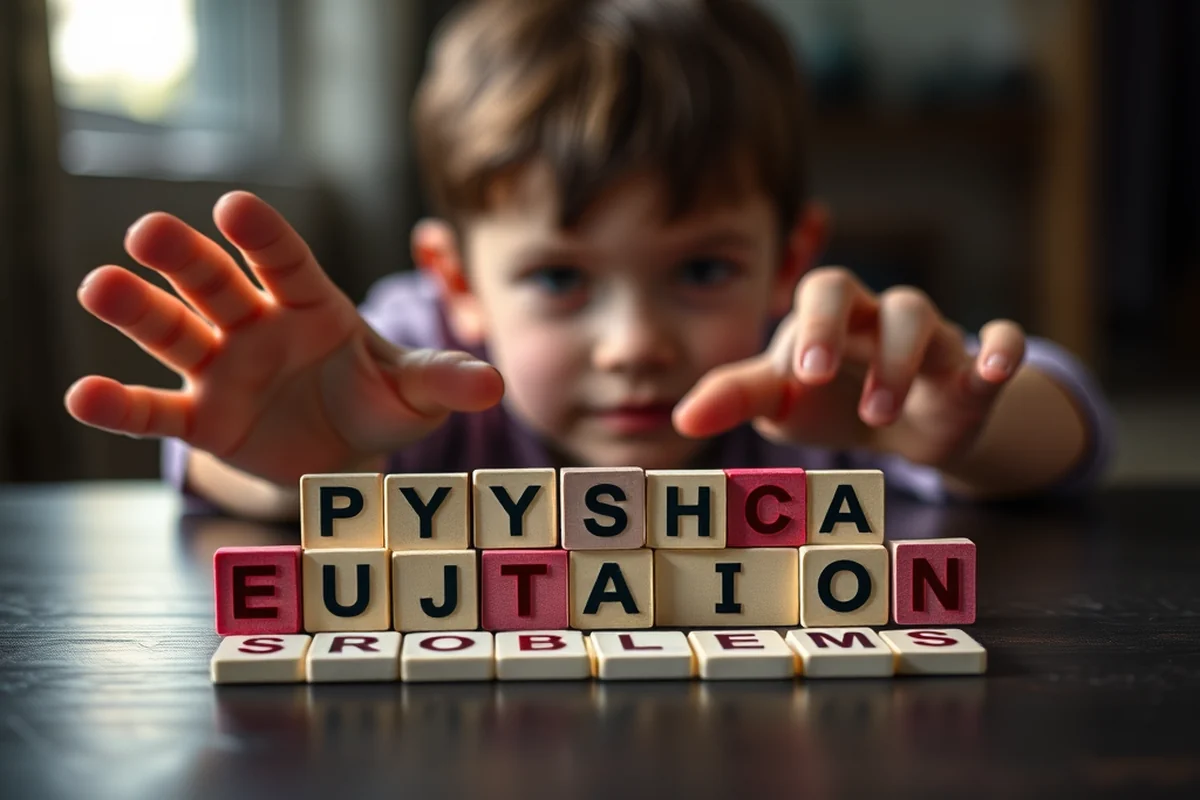
When I first started teaching physical education at home, I didn't take my child's age into account. I tried to introduce more complex activities that were beyond his abilities, which led to frustration and a lack of interest.
I've since learned that age-appropriate activities are essential. For children aged 3-6, activities like obstacle courses, balancing exercises, and simple dance routines are ideal. These activities are not only fun but also help develop basic motor skills.
I've found that when activities are tailored to a child's developmental stage, they are more likely to stay engaged and learn effectively. It's important to observe your child's progress and adjust activities as needed.
Tailor your activities to your child's age and abilities.
Related: Physical education and problems
Making the Most of Limited Resources
When I first started teaching at home, I assumed I needed a lot of equipment. However, I quickly realized that simple household items could be used to create effective lessons. A towel, a chair, and even a pillow can be used to create an obstacle course or balance beam.
I've experimented with using household items like boxes, blankets, and even books to create fun and engaging activities. For example, boxes can be used for jumping exercises, and blankets can serve as a surface for crawling or rolling.
Creativity and resourcefulness are essential when teaching physical education at home. With a little imagination, you can transform your home into a learning environment that supports your child's development.
Look around your home for items that can be used in physical education activities. A stack of books can become a balance beam, and a blanket can be used for crawling exercises.
“I remember the first time I tried to teach my son about physical education at home.”— Teaching Physical Education at Home editors
Related: Physical education research problems
Keeping Children Motivated and Engaged

One of the biggest challenges I've faced is keeping my child motivated. Without the usual incentives of a classroom, it's easy for children to lose interest and become disengaged.
I've found that setting up a reward system can be a great way to keep children motivated. For example, I've used a sticker chart where my child earns a sticker for each completed activity. Once he accumulates a certain number of stickers, he gets a small reward.
Another strategy I've used is to incorporate games into the lessons. Games like 'Simon Says' and 'Red Light, Green Light' are not only fun but also help reinforce the learning objectives. This approach keeps the child engaged and makes the learning process more enjoyable.
Related: Physical education health problems
Creating a Structured Learning Environment at Home
One of the most important aspects of teaching physical education at home is creating a structured learning environment. Without a clear structure, it's easy for the lesson to become chaotic and unproductive.
I've found that setting up a dedicated space for physical education helps create a sense of purpose and focus. Even if it's just a corner of the living room, having a designated space helps children understand that this is a time for learning and activity.
I also make sure to follow a consistent routine for each session. This includes a warm-up, the main activity, and a cool-down. This structure helps keep the child focused and makes the learning process more effective.
Related: Top physical education classes
The Role of Parental Involvement in Physical Education
When I first started teaching physical education at home, I realized that my involvement as a parent was essential. Without my presence, my child was more likely to lose focus and become disengaged.
I've found that being actively involved in the lesson helps keep the child motivated and focused. I also find that participating in the activities myself helps model the behavior I want my child to learn.
I make sure to be present throughout each session, providing guidance and encouragement when needed. This not only helps keep the child engaged but also strengthens our bond as a parent and child.
Your presence as a parent is the foundation of successful physical education at home.
Related: Cheap physical education classes
The Long-Term Benefits of Teaching Physical Education at Home
One of the most rewarding aspects of teaching physical education at home is the long-term impact it can have on a child's development. I've seen my child become more confident, more coordinated, and more physically active.
I've also noticed that teaching physical education at home helps reinforce the importance of an active lifestyle. My child now understands the value of staying active and has developed a lifelong habit of physical activity.
The lessons learned during these sessions are not just about physical skills—they also help develop discipline, focus, and perseverance. These are all valuable traits that will serve my child well throughout their life.
Addressing the Challenge of Assessing Student Progress Without Formal Testing
Tracking progress in physical education at home can be done through observation and record-keeping. For example, I created a simple log where I noted improvements in skills like jumping, balancing, and throwing over a 12-week period. This helped me identify areas where my child needed more practice and where they were excelling. I used a scale from 1 to 5 to rate their performance each week, which made it easier to spot trends and measure growth over time.
Another technique I used was setting specific, measurable goals for each activity. For example, I aimed for my child to increase their jumping height by 10% over six weeks. I measured their jump height using a wall and a marker, and we reviewed progress every two weeks. This approach not only made the learning process more structured but also helped my child feel a sense of accomplishment as they met their targets.
To make the process more engaging, I incorporated technology by using a fitness app that tracked steps, heart rate, and activity levels. My child used it for 30 minutes a day, and over the course of a month, we saw a 25% increase in their daily step count. This data provided objective feedback on their physical activity and helped us adjust our routine as needed.[2]
🧸 Younger Kids (Ages 3-6)
Simple, fun activities like obstacle courses and balancing games are perfect for younger children.
👦 Older Kids (Ages 7-12)
Activities such as yoga, team sports, and structured exercises are ideal for older children.
🧺 No-Prep Version
Use household items and minimal setup to teach physical education at home without any preparation.
👯♀️ Group Version
Involve multiple children in physical education activities to encourage teamwork and social interaction.
➕ Extension Activities
Add advanced challenges to basic activities to help children develop more complex skills.
| The mistake | Why it happens | The fix |
|---|---|---|
| Trying to teach complex activities without considering your child's age and abilities. | This can lead to frustration and a lack of interest in the activities. | Choose age-appropriate activities that match your child's developmental stage. |
| Not setting clear goals or structure for each session. | This can result in a lack of focus and wasted time. | Set clear objectives and follow a consistent routine for each session. |
| Overlooking the importance of parental involvement. | Without active participation, the child may become disengaged and lose interest. | Be present throughout each session and provide guidance and encouragement. |
| Failing to vary the activities and keep the lessons engaging. | This can lead to a loss of interest and a lack of progress. | Incorporate different types of activities and games to keep the child motivated and engaged. |
Physical Education Which Subject Problems
Common Questions
What if I don't have any equipment at home?
How long should each session be?
Can I teach physical education at home even if I'm not a trained educator?
How can I keep my child motivated during the lessons?
References
- The Impact of Non-Physical Education Teachers' Perceptions on the ... (pmc.ncbi.nlm.nih.gov)
- Domains of the Subject Matter Requirements (docs.ctc.ca.gov)
Cite this guide
Teaching Physical Education at Home (2026). Physical Education Which Subject Problems. https://growfromplay.com/physical-education-which-subject-problems/
Feel free to cite or share this guide.
Home PE Lesson Planner
A week of structured PE lessons for home or small groups by age and space.
Open it free →