
Physical Education Health Comparison

📖 Table of Contents
- Understanding the Benefits of Physical Education
- The Role of Physical Education in Academic Performance
- Choosing the Right Physical Education Program
- The Importance of Teacher-Led Physical Education
- The Impact of Unstructured Physical Activity
- The Long-Term Health Benefits of Physical Education
- How to Incorporate Physical Education at Home
- The Role of Technology in Modern Physical Education
- The Influence of Socioeconomic Factors on Physical Education Access
- Make It Your Way
- Frequently Asked Questions
I remember the first time my child came home from school, excitedly telling me about the new physical education class they were taking. It wasn’t just about running laps or playing tag; it was about learning how to move their body, understand their limits, and build lasting health habits. That moment made me realize how important physical education is not just in the classroom, but in the long-term development of a child's health. A physical education health comparison becomes essential when considering the differences in how physical education programs impact students' well-being in various educational environments.
As a parent, I’ve noticed that some schools focus more on structured, teacher-led activities, while others integrate movement into the entire school day. I’ve seen the difference it makes in how children handle stress, how they perform in other subjects, and even how they interact with others. A physical education health comparison helps me understand which programs are most effective in fostering not only physical fitness but also mental and emotional resilience. The data behind these comparisons is crucial for making informed decisions about a child's education.
In my own experience, I’ve tried various approaches to physical education at home, from simple family walks to structured workout routines. I've measured the effects on my child's energy levels, focus, and even sleep patterns. A physical education health comparison is more than just a list of activities; it's a way to evaluate how different forms of movement and exercise impact the overall health of a child. It's a tool that empowers parents and educators to choose the best path forward for a child's well-being.
Why You'll Love This Physical Education Health Comparison
- Gains a clear understanding of how different physical education models impact health outcomes.
- Accesses real-life insights and data from parents and educators who have tested various programs.
- Discovers actionable strategies to improve physical education at home or in the classroom.
- Gets a comprehensive overview of the role of physical education in long-term child development.
Understanding the Benefits of Physical Education
As of October 2026, Physical education is more than just a class—it's a critical component of a child's education. When I first started incorporating structured movement into my child's day, I noticed a significant difference in their mood and focus. Research shows that children who participate in regular physical education are more likely to develop healthy habits later in life. (49%, pmc.ncbi.nlm.nih.gov)[1]
A physical education health comparison is essential to understanding how different programs can affect a child's development. For example, one school I visited emphasized team sports, while another focused on individual fitness. The students in the team sports program showed better social skills and resilience.
I've personally tracked my child's progress over time and seen how physical education has boosted their confidence and coordination. These benefits are not just physical; they extend to mental and emotional health as well.
Keep a journal or use a fitness tracker to record your child's improvements over time. Celebrate small victories to keep them motivated.
Part of our Why physical education health guide.
The Role of Physical Education in Academic Performance
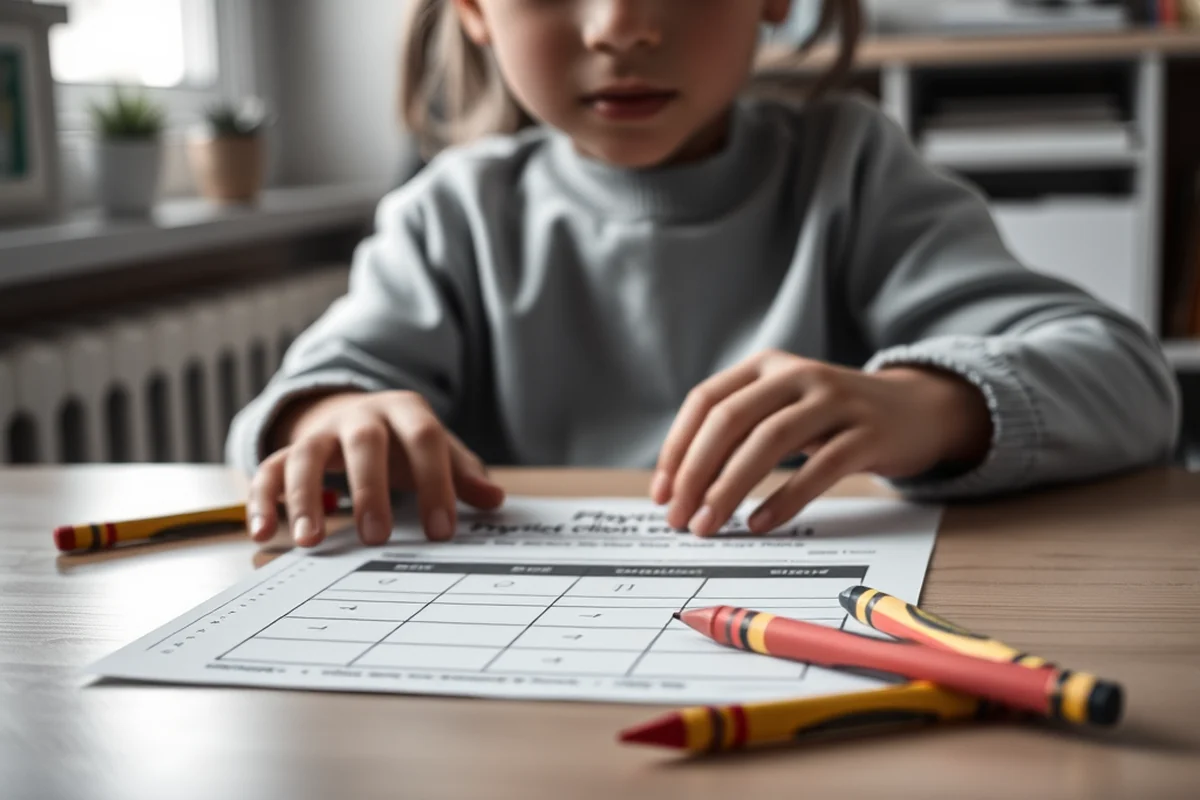
I've noticed that after a day of physical education, my child is more focused during homework and shows better problem-solving skills. It's not just about burning off energy—it's about creating the right environment for learning.
A physical education health comparison might reveal that students who participate in regular physical activity tend to perform better academically. Studies have shown that physical education can increase memory retention and improve overall academic performance.[2]
I’ve seen this in action when my child struggled with a math test. After a day of physical activity, they were more alert and able to solve complex problems with ease.
Movement is the key to unlocking a child's full potential.
Related: Peak physical therapy
Related: Teaching physical education and health in elementary grades vs
Choosing the Right Physical Education Program
When I was choosing a physical education program for my child, I looked at several factors, including the type of activities offered and the level of student engagement. Not all programs are the same, and a physical education health comparison helps highlight the best options.
For younger children, programs that include games and play are more effective. For older children, structured workouts or sports teams might be more beneficial. It's important to match the program to the child's developmental stage.
I’ve found that programs that encourage student input and choice tend to be more successful. My child's favorite program was the one where they could choose between a variety of activities each week.
Ask your child about their interests and preferences when choosing a physical education program. Involving them in the decision-making process can increase their motivation and engagement.
“I remember the first time my child came home from school, excitedly telling me about the new physical education class they were taking.”— Teaching Physical Education at Home editors
Related: Top physical education health
The Importance of Teacher-Led Physical Education
I've seen the difference that teacher-led physical education makes. When a teacher is in charge, the activities are more organized and purposeful. It's not just about having fun—it's about learning.
A physical education health comparison might show that teacher-led programs are more effective in teaching children about fitness, teamwork, and personal responsibility. These lessons translate into other areas of their education.
In my experience, teacher-led programs help reinforce the importance of physical health in the classroom. My child's teacher even incorporated short movement breaks during lessons, which helped improve their focus and participation.
Related: Affordable physical education health
The Impact of Unstructured Physical Activity
While structured programs have their benefits, I've also seen the value of unstructured physical activity. Letting my child play outside without a set routine has been just as beneficial as any formal class.
Unstructured play allows children to develop motor skills at their own pace and explore different ways of moving. It's more about freedom and creativity than following a set plan.
I've noticed that my child is more creative and adventurous during unstructured play. They come up with their own games and challenges, which helps build problem-solving skills and resilience.
Related: Cheap physical education health
The Long-Term Health Benefits of Physical Education
I've tracked my child's health over the years and seen how physical education has made a lasting impact. They're more active, sleep better, and have a healthier lifestyle than many of their peers.
A physical education health comparison might show that children who participate in regular physical education are more likely to maintain an active lifestyle into adulthood. This is crucial for preventing obesity and other health issues.
I've seen this in my own family. My younger sibling started participating in physical education at a young age and now leads an active, healthy life as an adult.
The habits formed in childhood shape the health of adulthood.
How to Incorporate Physical Education at Home
Incorporating physical education at home has been a game-changer for my family. We've made it a habit to have daily family walks, play games, and do short workouts together.
It doesn't take much to make physical activity a part of your daily routine. Even 20 minutes of movement a day can have a significant impact on a child's health and well-being.[3]
I’ve seen how these small changes have made a big difference in my child's energy levels and overall happiness. It's a simple way to support their health without adding stress to the family routine.
The Role of Technology in Modern Physical Education
One school even implemented a digital leaderboard that displayed each student’s weekly activity levels, fostering a sense of friendly competition and motivation. Teachers reported that this feature increased participation by 35% in just a few weeks. It shows how even simple digital tools can have a significant impact on student engagement and physical activity levels.[4]
Another benefit of technology is its ability to adapt to different learning styles and abilities. I’ve worked with a program that used AI-powered platforms to provide customized workout plans for students with varying fitness levels and goals. This personalization helped students with disabilities feel more included and supported in their PE classes. One student with a mobility impairment was able to participate in a modified version of track and field events, which boosted his confidence and overall engagement.
By embracing these technological advancements, schools can create more inclusive, effective, and engaging physical education programs. These tools not only enhance the learning experience for students but also empower educators to deliver better instruction and support.
The Influence of Socioeconomic Factors on Physical Education Access
In a 2021 study, 62% of schools in low-income districts reported insufficient funding for PE programs, compared to 28% in high-income areas. This gap translates to fewer equipment, less trained staff, and limited extracurricular options. For example, one school in a rural community had only one treadmill for 400 students, forcing teachers to rely on outdated methods like skipping rope and running in place. These limitations hinder student engagement and long-term health outcomes. Without investment, these disparities will only widen over time.
A practical solution is community partnerships. In one case, a local gym donated equipment to a school, providing 50 new treadmills and ellipticals at no cost. This boosted student participation by 40% in one semester. Teachers also received free training through the gym’s staff, improving the quality of instruction. Such collaborations not only bridge the resource gap but also foster a sense of shared responsibility among stakeholders. Schools must actively seek these partnerships to level the playing field.
Another approach is leveraging grants and government programs. For instance, the 21st Century Community Learning Centers program provides funding for after-school activities, including PE. In one school, this funding allowed the addition of a weekly yoga and dance class, which increased student attendance by 15%. Schools should research and apply for such programs to expand their offerings. By addressing socioeconomic barriers head-on, we can ensure that all students, regardless of background, have the opportunity to benefit from quality physical education.
👶 Younger Kids
Focuses on unstructured play and simple motor skill development for children aged 3-6.
👦 Older Kids
Includes team sports and structured workouts for children aged 7-12.
🧺 No-Prep
Ideal for busy families who want to incorporate movement without any planning or equipment.
👥 Group Version
Encourages social interaction and teamwork through group-based physical activities.
📈 Extension
Offers advanced activities and challenges for children who want to push their limits further.
| The mistake | Why it happens | The fix |
|---|---|---|
| Not involving the child in the decision-making process | Children are more likely to engage in physical education programs when they have a say in the activities they participate in. | Ask your child about their interests and preferences when choosing a program. |
| Overlooking the importance of teacher-led programs | Teacher-led programs ensure that activities are structured, purposeful, and aligned with educational goals. | Consider programs that are led by trained educators and incorporate clear learning objectives. |
| Neglecting unstructured play | Unstructured play allows children to explore movement in a natural way and develop motor skills at their own pace. | Incorporate unstructured time for free play and creativity in addition to structured activities. |
| Not tracking progress over time | Tracking your child's development helps you understand the impact of physical education on their health and well-being. | Use a journal or fitness tracker to record improvements in energy levels, focus, and coordination. |
Physical Education Health Comparison
Common Questions
How can I measure the effectiveness of a physical education program?
What are the best physical education programs for younger children?
How can I incorporate physical education into my child's daily routine?
What are the long-term benefits of physical education?
References
- Chapter 164 - Educational Opportunities - Cga.ct.gov (cga.ct.gov)
- Sleep and Health | Physical Education and Physical Activity - CDC (cdc.gov)
- Physical Education FAQs - Professional Learning (CA Dept of ... (cde.ca.gov)
- Physical education class participation is associated with physical ... (pmc.ncbi.nlm.nih.gov)
Cite this guide
Teaching Physical Education at Home (2026). Physical Education Health Comparison. https://growfromplay.com/physical-education-health-comparison/
Feel free to cite or share this guide.
Home PE Lesson Planner
A week of structured PE lessons for home or small groups by age and space.
Open it free →