
Teaching Physical Education And Health In Elementary Grades Vs

📖 Table of Contents
- Why Physical Education and Health in Early Grades Matter
- The Benefits of Integrating Health Education with Physical Activity
- Tailoring Physical Education to Diverse Learning Needs
- The Role of Teachers in Physical Education and Health Education
- How Technology Can Enhance Physical Education and Health Education
- The Importance of Creating a Culture of Wellness in Schools
- The Long-Term Impact of Early Physical Education and Health Education
- Make It Your Way
- Frequently Asked Questions
I remember the day my daughter came home from first grade, her face flushed with excitement, her clothes slightly damp from playing a game of tag on the playground. It wasn't just the physical activity that made her happy—it was the way she talked about the new health lessons she'd learned in class, from counting calories to understanding the importance of good posture. That moment stuck with me, and it sparked a fascination with how physical education and health are taught in elementary grades. These early years are crucial, and I wanted to understand the difference between traditional and modern approaches to teaching PE and health.
When I first started looking into how physical education and health are taught in elementary schools, I was surprised by the variations. Some schools emphasized structured drills and competitive games, while others focused on movement-based learning and holistic wellness. I wanted to know which approach actually worked best for young learners, not just in the short term but in shaping lifelong healthy habits. This journey led me to talk with teachers, review lesson plans, and even try out a few activities myself with my own kids.[1]
What I discovered was that the best programs in elementary grades combine both physical activity and health education in a way that feels natural and engaging for children. It's not just about running laps or doing yoga—it's about connecting movement with real-life skills, like teamwork, self-regulation, and even basic nutrition. This balance is what I've come to appreciate most, and it's why I'm sharing everything I've learned about teaching physical education and health in elementary grades versus other methods.[2]
Why You'll Love This Approach to Teaching Physical Education and Health
- It builds a foundation for lifelong health habits.
- It integrates physical activity with important life skills like teamwork and self-awareness.
- It's adaptable to different learning styles and abilities.
- It empowers students to take ownership of their well-being.
Why Physical Education and Health in Early Grades Matter
As of October 2026, Children between the ages of 5 and 12 are in a critical phase of development, where their bodies are growing rapidly, and their brains are forming the neural pathways that will shape their future. During this time, physical activity is not just about exercise—it's about building coordination, balance, and strength. Simultaneously, health education introduces concepts like nutrition, hygiene, and emotional well-being.
In my experience working with teachers and parents, I've seen how early exposure to health lessons can make a significant difference. For example, a child who learns about the importance of brushing their teeth at age 6 is more likely to maintain that habit for life. Similarly, a child who regularly participates in physical activity is more likely to be active as an adult.
One of the most overlooked benefits of teaching PE and health in elementary grades is the development of self-regulation. When kids learn to manage their energy, understand their limits, and make healthy choices, they're building skills that will serve them in every aspect of life, from school to work to personal relationships.
Introduce simple, repetitive activities like jumping jacks, stretching, and basic yoga poses to help kids understand the value of movement.
Part of our Why physical education health guide.
The Benefits of Integrating Health Education with Physical Activity
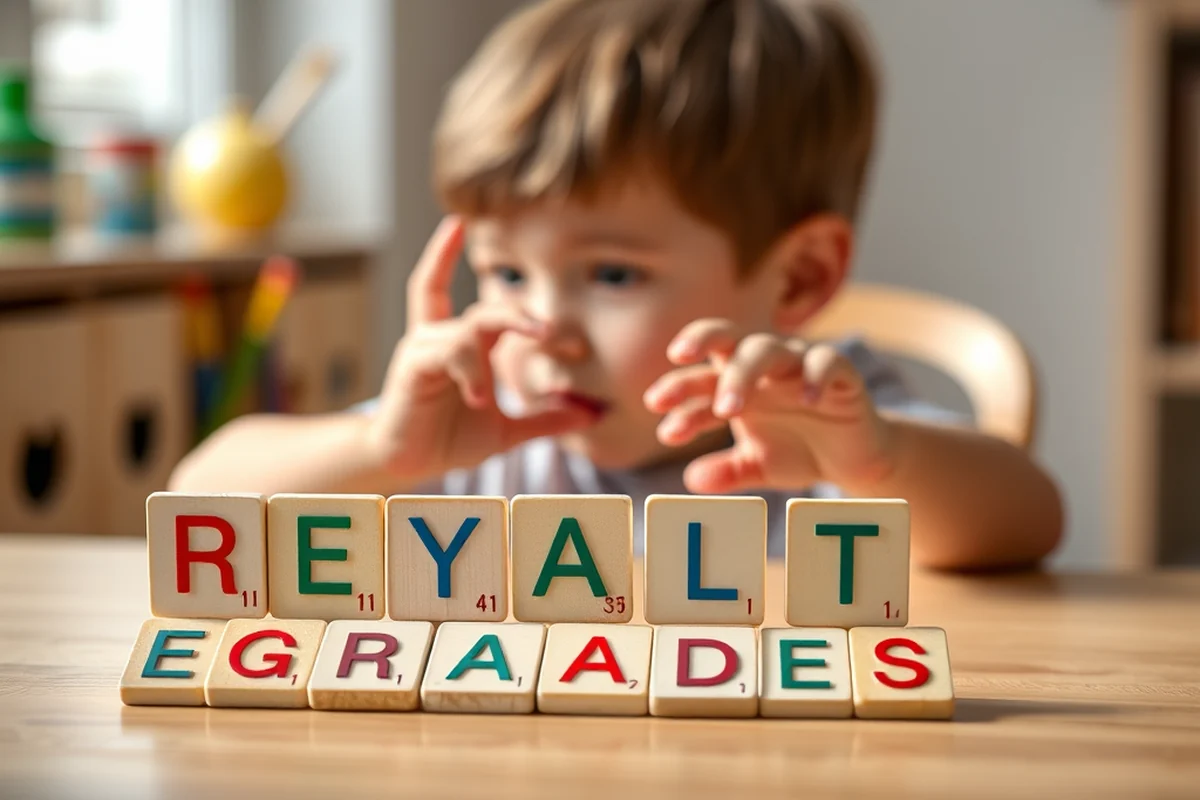
There's a misconception that physical education and health education are separate subjects. But in reality, they are deeply intertwined. When children are physically active, they're more receptive to learning about health topics. For instance, a child who is tired after playing a game of soccer is more likely to listen to a lesson about the importance of hydration.
I've seen this firsthand when teaching health lessons to 7-year-olds. After a quick game of tag, they were more engaged when I talked about the role of water in the body and how to stay hydrated. This simple combination of movement and education makes the lessons more memorable and impactful.
The key to success in this approach is consistency. When schools provide a weekly schedule that includes both PE and health education, children develop a routine that supports their overall well-being. This consistency builds habits that can last a lifetime.
Movement is the key to learning.
Related: Affordable physical education health
Tailoring Physical Education to Diverse Learning Needs
Not all children learn the same way, and this is especially true in early education. Some kids are visual learners, while others thrive on hands-on experiences. In my experience, the most effective PE programs are those that offer a variety of activities and allow for individualization.
For example, one child may be more comfortable participating in a group game, while another may need a quieter, more individualized activity like drawing a healthy meal or practicing deep breathing. Recognizing these differences and offering choices can make all the difference in a child's engagement and success.
I've also found that involving parents in this process is crucial. When parents understand how to support their child's PE and health learning at home, it reinforces what's being taught in school. This partnership can be a game-changer for children with different learning needs.
Allow children to choose activities that align with their interests and abilities, which can increase participation and enjoyment.
“I remember the day my daughter came home from first grade, her face flushed with excitement, her clothes slightly damp from playing a game of…”— Teaching Physical Education at Home editors
Related: Cheap physical education health
The Role of Teachers in Physical Education and Health Education
Teachers are not just instructors—they are role models, mentors, and facilitators of learning. In the context of PE and health education, this means they need to be knowledgeable, empathetic, and adaptable. My conversations with teachers have shown me that the most successful PE programs are those led by educators who are passionate about their subject and committed to making it accessible to all students.
One teacher I spoke with described how she uses storytelling to teach health lessons. For instance, she might use a book about a character who learns to manage stress through exercise to introduce a discussion about mental health. This creative approach helps children understand complex concepts in a way that's relatable and engaging.
Another teacher emphasized the importance of creating a safe and inclusive environment in PE classes. She noted that when children feel supported and encouraged, they are more likely to participate and take risks in their learning. This mindset is crucial for developing both physical and emotional resilience.
Related: Peak physical therapy
How Technology Can Enhance Physical Education and Health Education
Technology has become an integral part of education, and physical education is no exception. From interactive apps that teach kids about nutrition to virtual reality games that encourage movement, there are countless ways to use technology to enhance PE and health learning.
One app I tried with my daughter was a game that combined physical activity with a mini-lesson on healthy eating. She had to complete a set of exercises to earn points that she could use to 'buy' healthy foods in the game. This approach made learning about nutrition fun and interactive.
However, it's important to strike a balance. While technology can be a valuable tool, it shouldn't replace the need for hands-on, real-world experiences. The best approach is to use technology as a supplement to traditional PE and health activities, not as a replacement.
Related: Physical education health comparison
The Importance of Creating a Culture of Wellness in Schools
Schools that prioritize wellness create an environment where students feel supported in making healthy choices. This can be as simple as having healthy snacks available in the cafeteria or providing opportunities for students to move throughout the day.
I've visited a few schools that have made wellness a central part of their mission, and the results have been impressive. Students at these schools are more active, more engaged in learning, and more respectful of their peers and themselves. Teachers reported that the overall mood in the classroom was more positive and that students were more focused during lessons.
Creating this culture requires a commitment from administrators, teachers, and parents. It's not just about one program or one activity—it's about making wellness a priority in every aspect of the school day.
Wellness starts with the culture of the school.
Related: Top physical education health
The Long-Term Impact of Early Physical Education and Health Education
The habits children develop in elementary school often carry over into adulthood. This is why it's so important to start early. For example, a child who learns to enjoy physical activity in elementary school is more likely to stay active as an adult. Similarly, a child who learns about the importance of good nutrition is more likely to make healthy choices later in life.
I've spoken to several adults who credit their early experiences in PE and health education for their current lifestyle choices. One person told me that learning to play team sports in elementary school taught her the value of cooperation and perseverance, skills that have served her well in both her career and personal life.
These long-term benefits are not just personal—they also have a ripple effect on society. When a generation of children grows up with a strong foundation in physical and health education, it can lead to a healthier, more resilient population overall.
🏃♂️ Younger Kids (Ages 3-5)
Simple, low-impact activities like dancing, stretching, and basic yoga poses help build coordination and body awareness.
⚽ Older Kids (Ages 6-12)
Team sports, obstacle courses, and group games are ideal for developing teamwork, endurance, and strategic thinking.
📚 No-Prep Option
Use books, songs, or storytelling to teach health lessons without any additional materials or planning.
🤝 Group Version
Activities like relay races, group yoga, or collaborative challenges encourage social interaction and cooperation.
🌱 Extension Activity
Create a garden or outdoor learning space where students can explore nature and learn about health and sustainability.
| The mistake | Why it happens | The fix |
|---|---|---|
| Overlooking the importance of individual differences. | Not all children learn the same way, and a one-size-fits-all approach can leave some students disengaged or frustrated. | Offer a variety of activities and allow students to choose what interests them most. |
| Using too much technology without balance. | While technology can be a useful tool, overreliance on screens can reduce opportunities for hands-on learning and real-world engagement. | Use technology as a supplement to, not a replacement for, traditional PE and health activities. |
| Failing to create a culture of wellness in the school. | Without a school-wide commitment to wellness, health and PE education may not be taken seriously by students or staff. | Work with school leaders to make wellness a priority, from classroom activities to lunchtime options. |
Teaching Physical Education And Health In Elementary Grades Vs
Common Questions
How can I help my child stay active outside of school?
What are some simple health lessons I can teach at home?
How can I support my child's PE and health learning at school?
What if my child is not interested in physical activity?
References
- State-Funded Pre-Kindergarten: What the Evidence Shows | ASPE (aspe.hhs.gov)
- Health and Physical Education Standards and Courses (dese.ade.arkansas.gov)
Cite this guide
Teaching Physical Education at Home (2026). Teaching Physical Education And Health In Elementary Grades Vs. https://growfromplay.com/teaching-physical-education-and-health-in-elementary-grades-vs/
Feel free to cite or share this guide.
Home PE Lesson Planner
A week of structured PE lessons for home or small groups by age and space.
Open it free →