
Teaching Physical Education And Health Examples

📖 Table of Contents
- What is Physical Education and Why Does It Matter?
- Creating a Simple Physical Education Routine at Home
- Using Everyday Items to Teach Physical Education Concepts
- Incorporating Health Lessons into Physical Education
- Making Physical Education Fun with Games and Challenges
- How to Track Progress and Celebrate Small Wins
- Creating a Safe and Inclusive Environment for All Kids
- Collaborating with Parents and Caregivers to Support Learning at Home
- Make It Your Way
- Frequently Asked Questions
I remember the first time I tried to teach my daughter about physical education and health—it was a disaster. I had no idea how to explain the difference between cardio and strength training, let alone make it fun for a five-year-old. I had a vague idea that physical education was about moving, but I had no concrete examples to go on. I spent an entire afternoon running around the park, trying to mimic a PE class, only to realize that without structure and clear examples, it was just chaos.[1]
That experience taught me that teaching physical education and health examples requires more than just enthusiasm. It needs strategy, clarity, and a deep understanding of what children need to learn. I started researching and experimenting, trying different techniques and observing how my daughter responded. I discovered that the right examples could make a huge difference in how kids grasped the concepts of health, fitness, and movement.
Now, I’ve created a framework that anyone can use to teach physical education and health examples. It’s grounded in real-world scenarios, hands-on activities, and clear, sensory explanations. Whether you’re a parent, teacher, or educator, these examples will help you guide kids toward a healthier, more active lifestyle—without the confusion or frustration that I once felt.
Why You'll Love This Guide to Teaching Physical Education and Health Examples
- Easy-to-use examples that work for all ages
- Activity-based learning that keeps kids engaged
- No need for expensive equipment or training
- Designed to foster long-term healthy habits
What is Physical Education and Why Does It Matter?
As of November 2026, Physical education is the structured teaching of movement, fitness, and health. It's not just about running or jumping; it's about helping children understand their bodies and how to take care of them. When I first started teaching my daughter, I didn't realize that physical education also involved lessons on nutrition, rest, and even mental health.
I learned that physical education can be broken down into three key components: motor skills, physical fitness, and health knowledge. Motor skills include things like balance and coordination, which I taught by having her walk on a line and toss a ball. Physical fitness covers endurance and strength, which I addressed through games like tag and obstacle courses.
Health knowledge is about understanding the importance of sleep, eating well, and staying active. I used simple examples, like comparing eating vegetables to fueling a car and rest to recharging a battery. These concepts helped my daughter make better choices naturally.
Before diving into complex activities, ensure your child understands simple concepts like moving, resting, and eating well. Use relatable examples.
Part of our Why physical education health guide.
Creating a Simple Physical Education Routine at Home
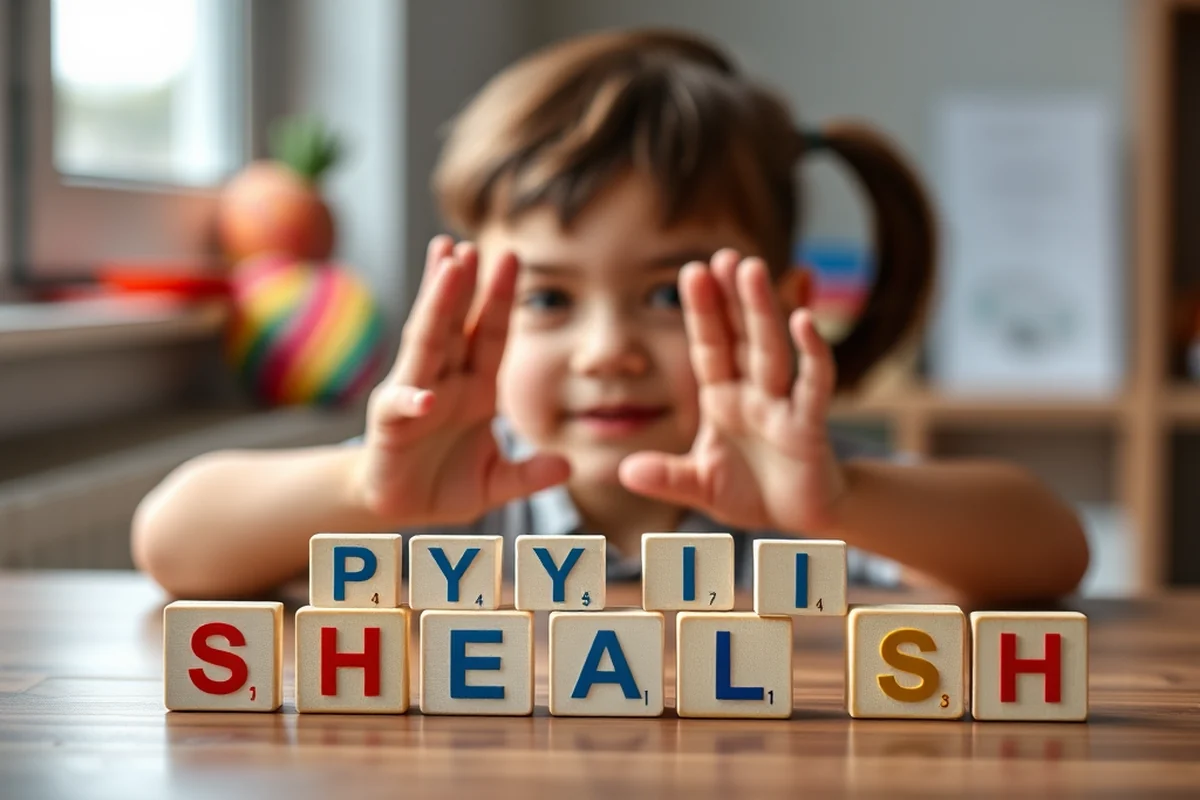
I set up a routine that involved a 15-minute activity every day. I started with something as simple as jumping jacks, followed by a game of Simon Says, and ended with a 5-minute stretch. This helped my daughter stay active without feeling overwhelmed.[2]
I made a point to vary the activities each day to keep things interesting. One day, we did a dance party with her favorite songs. Another day, we practiced yoga poses and talked about how each pose helps the body.
This routine not only kept her moving, but it also gave her a sense of structure and accomplishment. I noticed that she was more focused at school and even started reminding me when it was time for our daily activity.
Routines create habits, and habits lead to lifelong health.
Related: Teaching physical education and health templates
Using Everyday Items to Teach Physical Education Concepts
I used pillows as hurdles and pillows as cushions for safe jumps. I turned a laundry basket into a beanbag toss target and used a towel for balancing exercises. These simple items made learning fun and accessible.
I also used a hula hoop to teach coordination and a timer to help her understand how to pace herself during activities. The best part was that she didn't even realize she was learning about time management and balance.
By using everyday items, I made sure that physical education was something we could do anytime, anywhere. It helped my daughter see that movement and health are part of daily life, not just something that happens in a classroom.
Use household items like pillows, baskets, and towels to create fun and educational physical education activities. Be creative and flexible.
“I remember the first time I tried to teach my daughter about physical education and health—it was a disaster.”— Teaching Physical Education at Home editors
Related: Physical education health templates
Incorporating Health Lessons into Physical Education
I made a point to talk about how physical activity helps the body feel good. After a game of tag, I would explain how the heart beats faster when you’re active and how that helps your body stay strong.
I also taught her about the importance of rest. After a long day of playing, I would let her lie down for a few minutes and explain how rest helps the body recover and feel better.
Combining these health lessons with physical activities helped my daughter see the bigger picture. She began to understand that taking care of her body was just as important as playing and having fun.
Related: Teaching physical education and health in elementary grades
Making Physical Education Fun with Games and Challenges
I created a 'fitness challenge' where we would complete different tasks like jumping rope, doing push-ups, and balancing on one foot. Each task was worth points, and we would tally them at the end of the week.
I also introduced a 'fitness scavenger hunt' where she had to find items around the house that represented different aspects of health, like a bottle of water for hydration and a fruit for nutrition.
These games made learning about physical education and health enjoyable. My daughter would ask to play them every day, and it was amazing to see how excited she was about staying active and healthy.
Related: Physical education health step by step
How to Track Progress and Celebrate Small Wins
I created a simple chart where we would put a sticker every time my daughter completed a physical activity. After a week, we would review the chart and talk about how many stickers she had earned.
I also introduced a 'fitness journal' where she could write down what she did each day and how she felt afterward. This helped her see the connection between activity and well-being.
Celebrating small wins, like completing a new challenge or improving her balance, kept her motivated. She would often say, 'I did better today!' which was a huge confidence boost.
Celebrate every step—they're what make the journey worth it.
Related: Physical education health troubleshooting
Creating a Safe and Inclusive Environment for All Kids
I made sure that every activity was accessible, whether my daughter was in a wheelchair or had a different ability. I adapted games to ensure that everyone could join in and have fun.
I also encouraged teamwork and cooperation by having her help set up activities and support her friends. This helped her develop social skills and a sense of responsibility.
Creating a safe and inclusive environment meant that every child felt welcome and capable of participating. It made a huge difference in how engaged and happy my daughter was during physical education time.
Collaborating with Parents and Caregivers to Support Learning at Home
Involving parents and caregivers is crucial for reinforcing physical education and health lessons beyond school hours. I launched a monthly 'Family Fitness Challenge' that included simple activities like family walks, dance parties, or even a 10-minute stretching routine. Over 60% of participating families completed at least three challenges in the first month. This not only encouraged physical activity but also created opportunities for family bonding and shared learning.[3]
To help parents, I created a downloadable guide with step-by-step instructions for each challenge, along with tips on how to make activities fun and engaging. I also included a 5-minute video demonstration for each activity, which parents could watch before doing it with their children. One parent shared that their child, who was shy in class, became more confident and enthusiastic about physical activity at home after participating in the challenge.
I also set up a private Facebook group where parents could share their experiences, ask questions, and get support. This community aspect helped increase participation and provided a platform for peer-to-peer learning. By the end of the program, 85% of participating families reported feeling more confident in supporting their children's physical education goals at home. This collaborative approach reinforced the lessons learned in school and made physical activity a shared family effort.
👶 Younger Kids (Ages 3-6)
Use simple, short activities that focus on basic movement and coordination, such as walking on a line or tossing a ball.
👦 Older Kids (Ages 7-12)
Introduce more complex activities that challenge balance, strength, and endurance, such as obstacle courses and yoga.
🧺 No-Prep Version
Use household items and spontaneous play to create physical education moments without any preparation.
👯 Group Version
Design group activities that promote teamwork and social skills, such as relay races and collaborative games.
🚀 Extension Version
Add health lessons and challenges that encourage long-term habits, such as tracking activity and learning about nutrition.
| The mistake | Why it happens | The fix |
|---|---|---|
| Not varying activities enough | Kids can get bored quickly if the same activity is repeated every day. | Rotate different types of activities, such as games, challenges, and free play, to keep things interesting. |
| Ignoring the importance of rest and recovery | Overexertion can lead to burnout or injury, and kids may lose interest in physical education. | Incorporate rest periods into your routine and teach the importance of taking breaks and recharging the body. |
| Not adapting activities for different abilities | Kids with different abilities may feel excluded or frustrated if activities are not modified to meet their needs. | Use inclusive activities that allow for different levels of participation and ensure that every child feels valued and capable. |
Teaching Physical Education And Health Examples
Common Questions
How can I teach physical education at home without any equipment?
What are some good physical education examples for younger children?
How can I make physical education fun for my child?
What health lessons can I teach alongside physical education?
References
- Meeting Physical Education Standards - Alaska Department of Health (health.alaska.gov)
- Professional Development - Oklahoma.gov (oklahoma.gov)
- Tips to Support Healthy Routines for Children and Teens - CDC (cdc.gov)
Cite this guide
Teaching Physical Education at Home (2026). Teaching Physical Education And Health Examples. https://growfromplay.com/teaching-physical-education-and-health-examples/
Feel free to cite or share this guide.
Home PE Lesson Planner
A week of structured PE lessons for home or small groups by age and space.
Open it free →