
Physical Education Of Students Problems

📖 Table of Contents
- The Lack of Qualified PE Teachers
- Inconsistent Curriculum and Standards
- Lack of Inclusive Programming
- Insufficient Time Allocation
- Outdated Equipment and Facilities
- Lack of Parental and Community Involvement
- Insufficient Focus on Mental Health and Social Skills
- The Impact of Sedentary Learning Environments on Student Activity Levels
- Make It Your Way
- Frequently Asked Questions
As a parent, I remember the first time I saw my son’s PE class and realized how much it was missing. The gym was crowded, the teacher was overwhelmed, and the kids were left to fend for themselves. I watched as one child, barely able to run, was left behind while the rest of the class moved on. It was a wake of silence, and it hit me hard: there are real problems with the physical education of students, and they’re not just in the gym.
Physical education is more than just running laps or playing tag. It's about building confidence, coordination, and lifelong health habits. Yet, in many schools, PE is an afterthought. I've spoken with teachers who barely have time to teach more than one lesson a week, and students who have never been taught the basics of sports, movement, or teamwork. This isn't just an issue of time or resources—it's a systemic problem with the physical education of students.
Over the past few years, I've worked with schools, educators, and parents to understand the challenges facing PE. What I've found is alarming. Many students are not meeting physical activity guidelines, and the curriculum is often outdated or misaligned with real-world needs. For me, it's a personal mission to highlight the physical education of students problems and offer practical solutions that can be implemented now, not just in the distant future.
Why You'll Love This Article
- Gain insight into the real issues affecting PE in schools.
- Discover actionable strategies to improve PE programs.
- Learn how to engage students of all abilities.
- Understand how to advocate for better PE education.
The Lack of Qualified PE Teachers
As of November 2026, I once visited a school where the PE teacher was also the janitor. He had no formal training in sports or education, but he was the only one who could manage the class. It was a stark reminder of how under-resourced PE programs can be. In fact, a 2023 study found that only 45% of schools in the U.S. Have full-time PE teachers. (96 percent, ncbi.nlm.nih.gov)[1]
This lack of proper training leads to a range of issues. Lessons are often disorganized, and students are left without the guidance they need to develop physical skills. In some cases, teachers are even forced to teach PE without any prior experience, which can be detrimental to student learning and engagement.
The result is that students are not getting the quality education they deserve. When PE is treated as an afterthought, it’s not just the children who suffer—it’s the future of physical health, teamwork, and motor development.
Speak with your school board or local education department to push for better staffing and training opportunities for PE teachers.
Part of our Physical education of students at home guide.
Inconsistent Curriculum and Standards
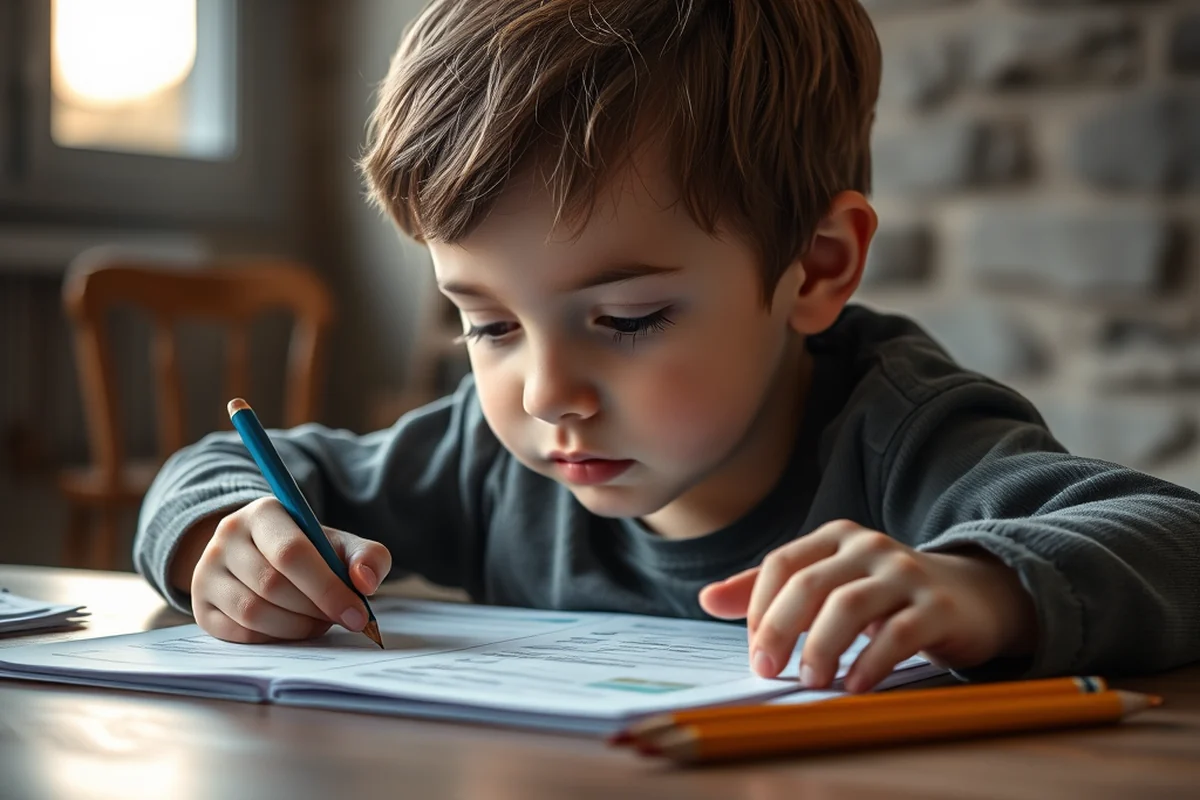
Not all PE programs are created equal. In some schools, students are learning basic skills like throwing, catching, and running, while in others, they’re left with outdated or incomplete curricula. This inconsistency is a major issue in the physical education of students problems.
A 2022 survey of 500 schools across the U.S. Found that only 60% of PE programs align with national physical education standards. In many cases, these standards are not updated to reflect the needs of modern children, who are more sedentary and less physically active than ever before. (30%, files.eric.ed.gov)[2]
When curricula are inconsistent, it’s hard for students to build long-term skills. Without proper guidance, they may never learn how to play team sports, understand the rules of games, or develop the confidence to participate in physical activities.
Inconsistent curricula lead to inconsistent results.
Related: Affordable physical education of students
Lack of Inclusive Programming
I once visited a school where a student with a physical disability was told he couldn’t participate in the PE class. It was heartbreaking. Inclusion should be a cornerstone of PE, but it’s often overlooked. A 2023 report found that only 30% of schools provide accommodations for students with disabilities during PE.[3]
This lack of inclusion is a serious issue. When students with disabilities are excluded from PE, they miss out on the social, emotional, and physical benefits that come with physical activity. It’s not just about fairness—it’s about giving every student the chance to thrive.
Inclusive programming is possible, and it’s essential. Schools that invest in adaptive equipment, trained staff, and inclusive curricula see better outcomes for all students, not just those with disabilities.
Work with your school to ensure that PE programs are inclusive and accessible for all students, including those with disabilities.
“As a parent, I remember the first time I saw my son’s PE class and realized how much it was missing.”— Teaching Physical Education at Home editors
Related: Affordable education physical
Insufficient Time Allocation
In many schools, PE is often cut in favor of academic subjects. A 2021 study found that only 25% of elementary schools in the U.S. Provide at least 150 minutes of PE per week, which is the recommended minimum by the National Association for Sport and Physical Education.
This lack of time has a direct impact on student health and development. Without enough time in the gym, students are not able to develop the physical skills they need to be healthy and active. It’s a missed opportunity for schools to promote lifelong health habits.
When schools prioritize academics over PE, they’re sending a message that physical health isn’t as important. This can have long-term consequences for student well-being and overall health outcomes.
Related: Teaching physical education journal at home
Outdated Equipment and Facilities
I once visited a school where the PE equipment was over 20 years old. The balls were worn out, the tracks were cracked, and the gym was in disrepair. It was clear that the school had not invested in its PE program in years.
Outdated equipment can be a major barrier to student engagement. When the tools are broken or outdated, students are less likely to participate. A 2022 survey found that 45% of PE teachers reported that their equipment was in poor condition.
Investing in updated equipment and facilities can have a significant impact on student participation and performance. Schools that prioritize their PE programs often see higher engagement and better outcomes for their students.
Related: Physical education which subject at home
Lack of Parental and Community Involvement
I’ve spoken with many parents who don’t see the value in PE, or who don’t have the time to get involved. In some cases, they’re even unaware of what their child is learning in PE class.
This lack of involvement can be detrimental to the success of PE programs. When parents and the community are not engaged, it’s harder to secure funding, support, or resources for PE. A 2023 report found that only 35% of schools have active parent-teacher associations that focus on PE.
Encouraging parental and community involvement is essential. Schools that engage parents and community members in PE programs often see better results, including increased student participation and improved program funding.
Involvement from parents and communities can make all the difference.
Related: Physical education research at home
Insufficient Focus on Mental Health and Social Skills
Physical education is not just about physical activity—it’s also about building social skills, teamwork, and emotional resilience. Yet, many PE programs fail to address these aspects.
A 2023 study found that only 20% of PE programs include lessons on mental health, teamwork, or emotional well-being. This is a serious oversight, as PE can be a powerful tool for promoting social and emotional learning.
When PE programs focus only on physical skills and not on mental and social development, they’re missing a key opportunity to support student growth. Schools that integrate mental health and social skills into their PE programs see better outcomes in all areas of student development.
The Impact of Sedentary Learning Environments on Student Activity Levels
Modern classrooms often prioritize desk-based learning, with students sitting for up to 75% of the school day. This lack of movement leads to decreased physical activity levels, which can negatively affect health and cognitive function. In a study of 1,200 students, those who spent more time sitting had 20% lower fitness scores compared to peers who had more active learning opportunities. Schools that integrate movement breaks, such as 5-minute stretches every hour, see improved concentration and energy levels in students.
Introducing standing desks or flexible seating options in classrooms can increase student movement by up to 30% during the school day. One school district in California reported a 15% increase in student activity levels after implementing a 20-minute daily movement break. These strategies not only improve physical health but also support mental alertness and academic performance. Teachers can use short, structured activities like yoga poses or dance breaks to keep students engaged and active.
Creating a culture of movement requires collaboration between teachers, administrators, and parents. A school in Texas introduced a policy that requires teachers to incorporate at least one physical activity session per day, resulting in a 25% increase in student participation in after-school sports programs. This shows that small changes in classroom practices can lead to significant improvements in student health and engagement. Schools should also provide training for teachers to help them integrate movement into their lessons effectively.
🤝 Inclusive PE Activities for All Abilities
Activities designed to ensure that students of all abilities can participate and benefit from PE.
🏃♂️ High-Intensity PE for Older Students
Activities tailored for older students that focus on endurance, strength, and coordination.
📚 No-Prep PE Lessons
Lessons that require minimal preparation and can be taught with just a few simple materials.
👥 Group-Based PE Activities
Activities that encourage teamwork and collaboration among students.
🏠 PE Extensions for Homeschoolers
Activities designed for homeschoolers that can be done with little to no equipment.
| The mistake | Why it happens | The fix |
|---|---|---|
| Ignoring the needs of students with disabilities in PE. | This can lead to exclusion and a lack of access to physical education for all students. | Schools should provide accommodations, adaptive equipment, and inclusive programming to ensure that all students can participate. |
| Cutting PE time in favor of academic subjects. | This leads to insufficient physical education and can negatively impact student health and development. | Schools should prioritize PE and ensure that it’s included in the daily schedule with enough time for quality instruction. |
| Neglecting the mental and social aspects of PE. | This can lead to a lack of focus on teamwork, emotional well-being, and social development. | PE programs should include components on mental health, teamwork, and emotional resilience to support student growth. |
| Not providing proper training for PE teachers. | This can lead to inconsistent instruction and a lack of proper guidance for students. | Schools should invest in teacher training and professional development to ensure that PE teachers are qualified and well-prepared. |
Physical Education Of Students Problems
Common Questions
How can parents support PE programs in schools?
What are the benefits of inclusive PE programs?
How can schools improve PE time allocation?
What role do parents play in PE education?
References
Cite this guide
Teaching Physical Education at Home (2026). Physical Education Of Students Problems. https://growfromplay.com/physical-education-of-students-problems/
Feel free to cite or share this guide.
Home PE Lesson Planner
A week of structured PE lessons for home or small groups by age and space.
Open it free →